1. INTRODUCTION
Global financial losses due to subterranean termite infestations are significant, with specific localized estimates indicating economic damage of 8.86 trillion rupiah in 2015 (Nandika et al., 2015). This substantial impact necessitates the continuous identification and development of effective control measures (Arinana et al., 2025a; Nurhadi et al., 2023).
Contemporary control methods typically rely on synthetic insecticides such as fipronil, which is a neurotoxin that disrupts the central nervous system of insects (Holder et al., 2018). However, the indiscriminate use of these synthetic chemicals results in several adverse effects, including environmental contamination (such as soil and water pollution), potential human health issues, and the development of insecticide resistance in pest populations (Holder et al., 2018; Morais et al., 2021; Vani et al., 2022). Therefore, effective, environmentally friendly alternatives derived from natural sources must be urgently identified.
Various strategies have been employed to control subterranean termites such as Coptotermes curvignathus, ranging from baiting systems to chemical barriers (Arinana et al., 2020, 2022, 2024; Iqbal et al., 2018). Although baiting exploits the intrinsic trophallactic behavior of social insects using slow-acting toxicants, it is primarily designed for colony elimination instead of immediate structural protection (Yaguchi et al., 2025). However, the discovery of highly potent natural toxicants is essential, whether for use in modified bait formulations or as effective chemical barriers (wood preservatives).
The utilization of plant-derived materials as natural termiticides is a well-established practice, with various plant parts—including bark, leaves, fruits, and roots—being employed (Adfa et al., 2023; Andika et al., 2025; Arinana et al., 2024). Pangium edule (commonly known as Pucung or Kluwek) is traditionally recognized for its diverse applications. Historically, the plant’s parts have been used as a food preservative, an antibacterial agent, and an antifungal agent (Yusli et al., 2023). Specifically, the leaves and seed shells of P. edule have been utilized as effective wood preservatives against the decay fungus Schizophyllum commune (Taskirawati et al., 2025). The biological activities of P. edule have been attributed to their rich phytochemical profile, which includes flavonoids, tannins, saponins, and cyanide (Listyorini et al., 2021; Sangi et al., 2023). Previous studies indicated that the insecticidal and termiticidal potential of bark P. edule extracts is effective against both dry-wood and subterranean species (Sari and Hadikusumo, 2004). However, studies utilizing conventional single-solvent extraction methods (e.g., water or methanol) on this plant demonstrated primarily moderate mortality rates (e.g., 27.5% at 2.5% concentration). These results suggest that optimizing compound isolation is necessary to maximize the intrinsic efficacy of the plant’s bioactive compounds.
This study aims to systematically evaluate the anti-termite bioactivity of P. edule seed extracts prepared via systematic multilevel maceration using a comprehensive range of solvents, including n-hexane (non-polar), ethyl acetate (semi-polar), methanol (polar), and water (highly polar). In addition to identifying the optimal solvent, this study aims to determine the most effective lethal concentrations through statistical analysis. It was hypothesized that this systematic fractionation based on solvent polarity would reveal the optimal for co-extracting synergistic, multitarget compounds to form a highly potent, natural termiticide. Ultimately, this study contributes to the development of environmentally friendly pest-control alternatives, thereby reducing reliance on synthetic chemicals and mitigating the economic impact of termite infestations.
2. MATERIALS and METHODS
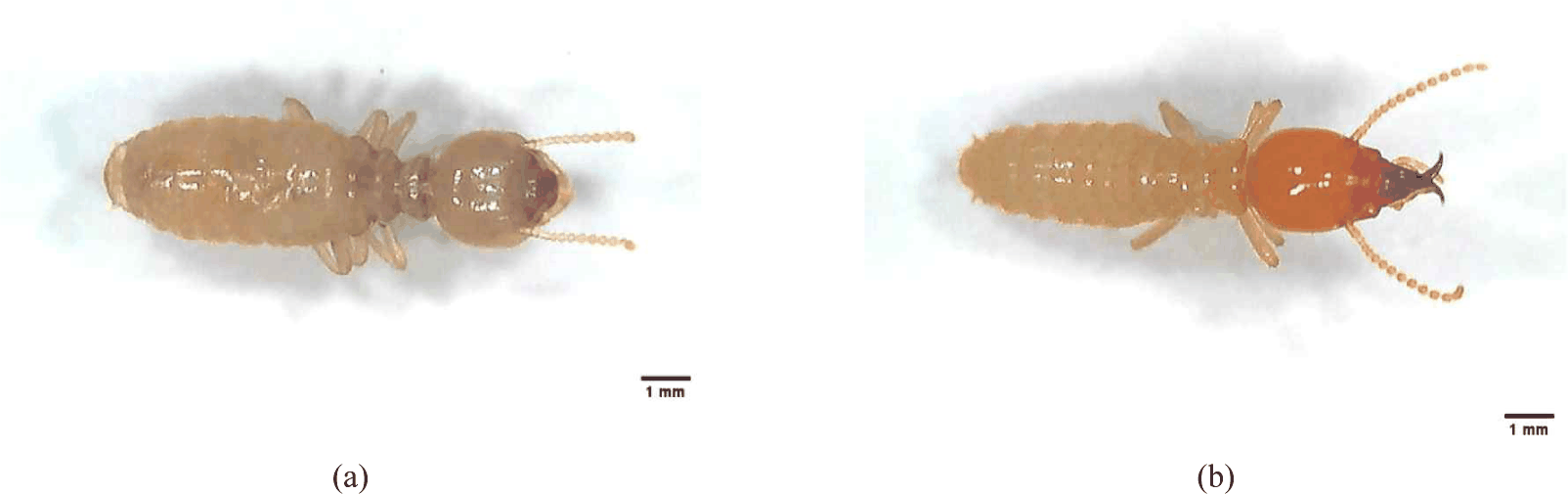
The materials used in this study included P. edule seeds, distilled water, sand, Whatman No. 1 filter paper, 70% alcohol, dental cement, and C. curvignathus (Fig. 1). The equipment used in this study included a Wiley mill, a mesh sieve, a Soxhlet extractor, a water bath, a laboratory oven, and an electronic balance. Chemical analysis was performed using liquid chromatography-tandem mass spectrometry (LC-MS/MS), while acrylic acid, plastic netting, Erlenmeyer flasks, and desiccators were used for sample preparation.
P. edule seeds were obtained from fresh fruits harvested in Leuwiliang, Bogor, West Java. One fruit contained 7–13 P. edule seeds. The seeds were air-dried under sunlight for 10 d to facilitate hulling. Subsequently, the hard shells were cracked to extract the inner kernels. The extracted kernels were ground into powder using a Wiley mill and filtered through a 40–60 mesh sieve. The powder used in this study was passed through the 40–60 mesh sieve, following the method of Andika et al. (2025).
Moisture content was measured based on the method of Iswanto et al. (2025), where 2 g of P. edule seed powder (BB) was weighed. The powder was placed in a porcelain cup of known weight and then in an oven at 103 ± 2°C for 24 h until the weight stabilized. Subsequently, the powder was cooled in a desiccator and weighed (BKT). The moisture content of the P. edule seed powder was calculated as follows:
P. edule seeds were extracted via a multilevel maceration method using n-hexane, ethyl acetate, methanol, and water as solvents (Nandika et al., 2021). First, 500 g of P. edule seed powder was macerated with n-hexane. Specifically, the powder was soaked in n-hexane at room temperature under periodic stirring to maximize the diffusion of nonpolar compounds into the solvent. After 24 h, the solution was filtered to separate the filtrate from the residue. Subsequently, n-hexane was added to the residue for up to 72 h. Next, the residue from the n-hexane extraction was dried and re-extracted using the same procedure as that for ethyl acetate, methanol, and water. The extracted filtrate was then evaporated using a rotary evaporator at a temperature of 40°C, a speed of 400 rpm, and a pressure of 400 mmHg until the solvent was concentrated. The yield from the extraction process was calculated after the concentrated extract was oven dried at 40°C until its weight stabilized. Next, the obtained extract was placed in a desiccator for 15 min and weighed to obtain its dry weight. The extract of P. edule seed powder was calculated using the following formula:
Extracts of n-hexane, ethyl acetate, methanol, and distilled water from P. edule seeds were each dissolved in 5% dimethyl sulfoxide (DMSO; Nandika et al., 2021). The extracted solutions had concentrations of 0.25%, 0.5%, 0.75%, and 1% (w/v). The n-hexane extract was not dissolved in DMSO because the extraction was lipophilic (Arisandi et al., 2020, 2024). The negative control was a Whatman filter paper (test paper) that was not treated with the extract. A commercial termiticide product containing the active ingredient, fipronil, was used as a positive control.
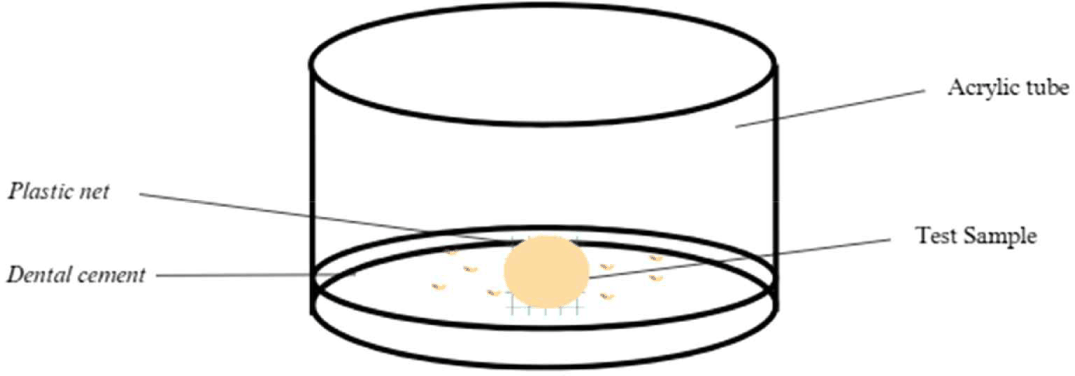
Anti-termite bioactivity tests were performed using a no-choice bioassay adapted from Arinana et al. (2024), which served as a modification of the JIS K 1571 (Japanese Industrial Standard, 2010) standard. Prior to testing, test paper samples were oven dried at 60°C for 24 h and weighed to determine their initial weight (W1). Tubes were placed upright on a tray with wet paper towels arranged at the bottom (Fig. 2). A test sample containing the extract or control paper was placed in each tube. The test specimens were placed on a plastic net inside the tubes. Each tube was filled with 150 worker and 15 soldier termites. The test tubes were stored in a dark room controlled at 28 ± 2°C for 7 d. Tissue sheets sprayed with distilled water were placed under the tubes to maintain humidity around the tubes. Termites that died during the test period were immediately removed from the tubes. After 7 d, the tubes were disassembled, and the number of surviving test termites was counted. Next, all test samples were cleaned, oven dried at 60°C for 24 h, and weighed to obtain the final weight (W2). Data obtained included mass loss (g), percentage of mass loss (%), and termite mortality (JIS K 1571; Japanese Industrial Standard, 2010).
Each P. edule seed extract was analyzed for active compounds using a QMicro QAA 842 LC-MS/MS instrument and a Waters Quatro Micro MS-MS detector. The P. edule seed extract was dissolved in 5 mL of ethyl acetate solvent, and 5 μL of the sample was injected into a 2.1 mm × 50 mm LC column at a flow rate of 0.2 mL/min. The column temperature was 50°C, and the total analysis time was 35 min. The chemical compounds were separated in the column using a pump at a pressure of 300 bar. The LC separation results were sent to an MS instrument to identify the components of the chemical compounds. Additionally, the data obtained in the chromatograms were analyzed using the Masslynx software. Quadrupole weight analysis was performed with a scan time of 5 s. The obtained spectrum shows the weight/charge ratio (Arinana et al., 2025b).
Additionally, the data obtained in the form of chromatograms were analyzed using the Masslynx software. The obtained mass spectra were compared against a standard mass spectral library (NIST 20) using a minimum matching score threshold of 80% for compound identification. Notably, the phytochemical identification in this study is tentative, as it relied exclusively on mass-spectrometer library matching and was not confirmed using pure analytical standards.
Before testing, the test paper was baked at 60 ± 2°C for 48 h and then weighed (W1). The test lasted 7 d, after which the test tube was dismantled and the number of surviving C. curvignathus termites was counted. Each sample was cleaned and oven dried at 60 ± 2°C for 48 h and then weighed (W2). The test weight loss and termite mortality values were calculated using equations specified in JIS K 1571 (Japanese Industrial Standard, 2010).
Here, P = weight loss (%); W1 = dry weight of paper before feeding (g); W2 = dry weight of paper after feeding (g).
In the equation above, M = termite mortality (%); D = number of dead termites; A = number of termite workers at the beginning of test.
The lethal concentration (LC50) of P. edule seed extract was determined via probit analysis, following the procedure Arinana et al. (2024). The database used was the number of termites that died at the end of the observation period (7 d of observation) at each solution concentration. LC50 indicates the toxicity of the extract to termites and is classified into several classes (Table 1) based on the method of Konan et al. (2022).
| LC50 (μg.mL–1) | Description |
|---|---|
| LC50 < 100 | Strong cytotoxic activity |
| 100 < LC50 < 500 | Moderate cytotoxic activity |
| 500 < LC50 < 1,000 | Low cytotoxic activity |
| LC50 > 1,000 | Non-toxic |
Data from Konan et al. (2022).
Data were processed using descriptive statistics in Microsoft Excel 2021. The variation in the efficacy of P. edule seeds extracted with n-hexane, ethyl acetate, methanol, and distilled water at concentrations of 0.25%, 0.5%, 0.75%, and 1% was analyzed under a completely randomized design using IBM SPSS Statistics. Two-way analysis of variance was performed to analyze the weight loss and mortality of subterranean termites by concentration and solvent type. If the treatment indicated a significant effect, then Duncan’s mean difference test was performed subsequently (Pallant, 2020).
3. RESULTS and DISCUSSION
Fig. 3 illustrates P. edule seeds extracted via multilevel extraction. Specifically, 500 g of P. edule seed powder was extracted using n-hexane, ethyl acetate, methanol, and water, with its moisture content being 3.59%. P. edule seeds extracted with n-hexane yielded 211.06 mL of oil extract (or 42.21% yield). Extraction with ethyl acetate and methanol produced paste-like extracts with yields of 1.92% and 14.22%, respectively. Meanwhile, the aquadest extract produced 8.63% powder. The observed yield variation is primarily attributed to the distinct polarity of each solvent and the chemical composition of the seeds (Ghaffar and Perveen, 2025). The substantial yield in the n-hexane fraction indicates that P. edule seeds are predominantly composed of nonpolar compounds, specifically lipids and fatty oils (Royani et al., 2025). Conversely, the lower yields in the polar (methanol and water) and semi-polar (ethyl acetate) fractions suggest a comparatively lower concentration of polar metabolites, such as phenolics and glycosides, within the seed matrix (Tripathi et al., 2025).
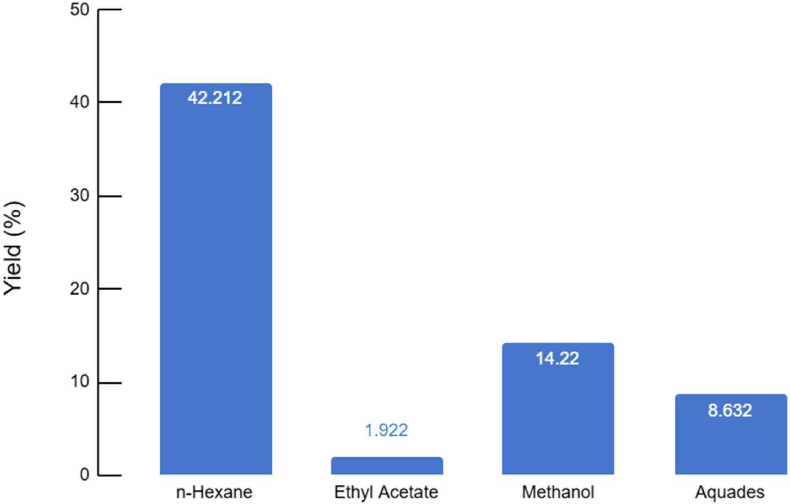
Fig. 4 illustrates the different percentages of test-paper mass loss across the different solvent and concentration treatments. The highest mass loss was observed in the negative control filter paper (55.56%), whereas the lowest mass loss (0.00%) was observed in the positive control (F) treated with the active ingredient, fipronil. The mass loss of the test paper signified termite feeding activity (consumption of the paper). Statistical analysis revealed that variations in the solvent and concentration significantly affected the test paper’s mass loss (p < 0.05).
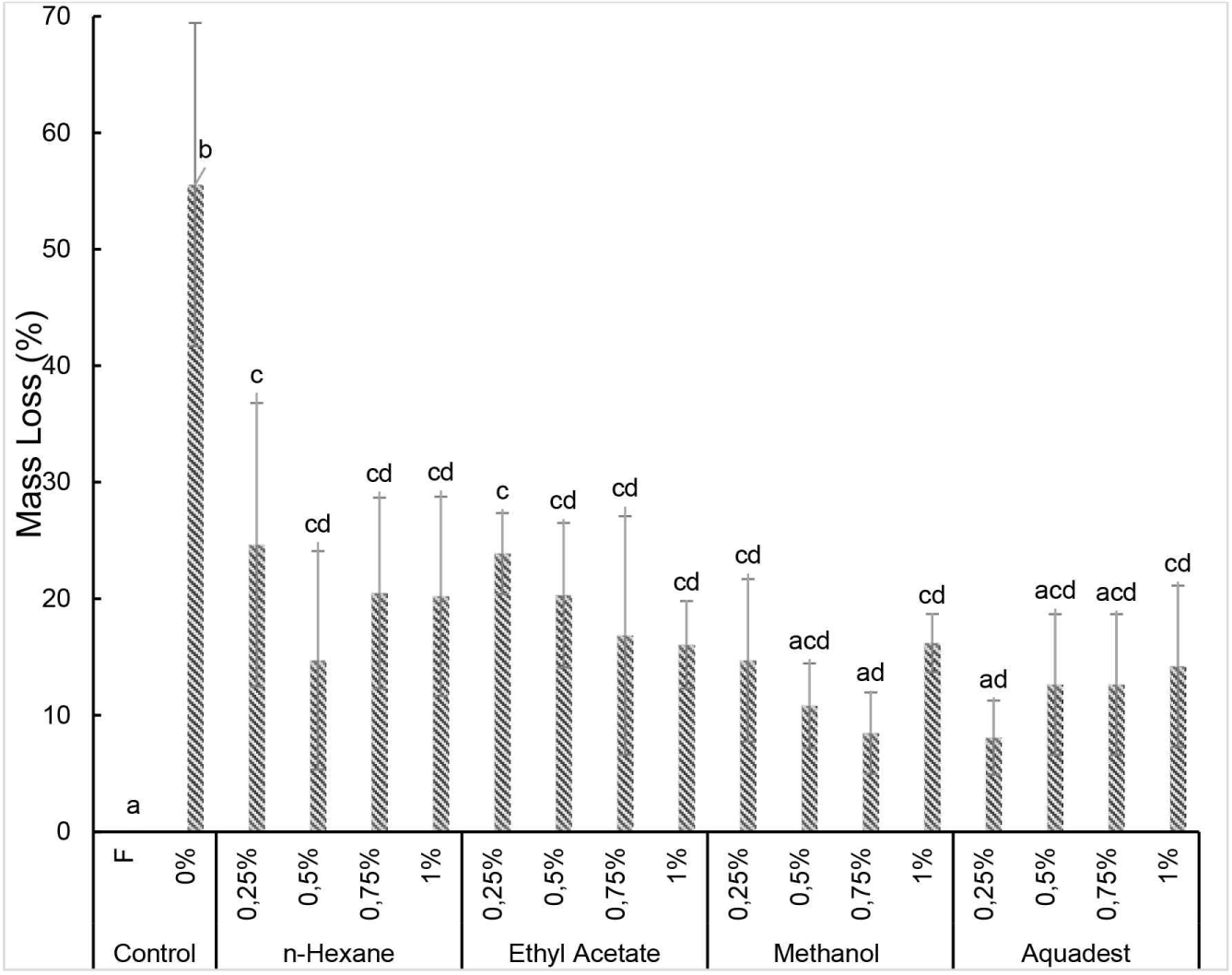
Specifically, the fipronil-treated control (F) showed no indications of termite feeding activity, as evidenced by the zero reduction in the paper’s mass. This result highlights the significant effect of the active ingredient (fipronil) as a termiticide on termite behavior. According to Shi et al. (2025), fipronil is a termiticide that disrupts the central nervous system by interfering with chloride ion exchange via the gamma amino butyric acid (GABA) chemical molecule in insects. Furthermore, the active ingredient (fipronil) inhibits the production of enzymes necessary for termites to generate proteins and energy (Iqbal and Evans, 2018). This strongly indicates that the termites were in contact with the fipronil-treated paper, which subsequently resulted in mortality. Hassan et al. (2023) stated that fipronil is a contact poison that enters the body of a test organism through the skin or cuticle and disperses to active neural sites, ultimately leading to death. By contrast, the control group showed a substantial mass reduction of 55.56%. This reduction was evidenced by holes in the test paper caused by the termites’ feeding activity, thereby demonstrating a high level of termite consumption in the untreated control.
The test paper mass loss varied among the different extracts. The control differed significantly from all treatment groups and the fipronil-treated control (F). The ethyl acetate extract exhibited a decrease in mass loss with increasing concentration. Termite feeding activity (consumption of the test paper) declined proportionally as the concentration of the ethyl acetate extract increased. This inverse relationship suggests that the ethyl-acetate extract contains potent toxic constituents, specifically the potent semipolar constituents identified in LCMS analysis (Table 2), which suppress feeding activity through rapid toxic action. This is consistent with previous studies demonstrating that increasing the extract concentration enhances the toxic properties of the test paper, thus decreasing termite consumption rates (Andika et al., 2025; Erliana et al., 2022). By contrast, higher concentrations of the aquadest extract resulted in a greater mass loss of the test paper. This indicates the presence of hydrophilic attractants, particularly hexitol (a sugar alcohol) and DL-malic acid (a flavor enhancer), in the aqueous fraction, which stimulated the termites to consume the test paper before the toxic effects fully manifested. For the methanol extract, the high termite mortality observed at concentrations of 0.25%, 0.5%, and 0.75% correlated with the presence of organic acids and alkaloids, such as citric acid and 6-hydroxynicotinic acid. These compounds may serve as feeding deterrents or contribute to sublethal toxicity. However, the mass loss of the test paper increased at 1% methanol concentration, despite high termite mortality. This is likely due to sublethal effects inducing behavioral changes, such as erratic feeding prior to death, or the high concentration of D-(+)-galactose (a monosaccharide) in the methanol extract overcoming the deterrence. According to previous studies, sublethal effects can induce changes in both feeding and general behavior (Gandara et al., 2024). Additionally, the n-hexane extract showed inconsistent results in terms of termite feeding activity, as shown by fluctuations in the mass loss of the test paper with increasing concentration. This fluctuation is likely contributed by the interaction between the extracted nonpolar compounds, specifically fatty acids such as oleic acid and ricinoleic acid, and environmental factors. The conditions of the testing environment can affect termite consumption activity (Richardson and Sun, 2023). Furthermore, the inconsistency in the mass loss may be due to the presence of compounds that serve as both repellents (repelling the test organisms) and nonrepellent substances. Whereas oleic acid has been reported to be an insecti cide, ricinoleic acid serves as an acaricide (Arnosti et al., 2011). Repellents deter the test organisms (Lee and Neoh, 2023), whereas nonrepellents function progressively. Consequently, the nonrepellent nature of the toxin prevents immediate detection by the termites, thus allowing sufficient time for them to transmit it throughout the colony via interactions s (Chouvenc, 2024).
| Solvent | Compound name | Compound group | Bioactivity & application |
|---|---|---|---|
| Aquadest | Methylmalonic acid | Dicarboxylic acid | Organic acid involved in cellular metabolism; exhibits potential antimicrobial properties that may affect insect gut microbiota (Tsoukalas et al., 2020). |
| 6-Hydroxycaproic acid | Organic acid (hydroxy acid) | Possesses antibacterial properties with generally low toxicity in standard biological systems (Nguyen and Nguyen, 2010; Tuteja et al., 2015). | |
| DL-Malic acid | Organic acid (alpha-hydroxy acid) | Contributes significantly to the organic acid profile of plant parts, affecting flavor and acting as a potential feeding stimulant or deterrent (Sha, 2011). | |
| D(+)-Phenyllactic acid | Organic acid (alpha-hydroxy acid) | Known for its broad-spectrum antimicrobial and anti-inflammatory properties (Sung et al., 2023). | |
| 4-Oxoproline | Amino acid | Reduces oxidative stress and acts as a neuroprotectant in physiological systems (den Ouden et al., 2016). | |
| Hexitol | Sugar alcohol | Functions as a natural sugar substitute and sweetener; can act as an attractant or phagostimulant for insects (Liang et al., 2014). | |
| Glucoheptonic acid | Sugar acid | Influences microbial activity; derivatives can promote or disrupt specific gut bacterial populations (Tunsagool et al., 2024). | |
| 1,3,4,5-Tetrahydroxycyclohexanecarboxylic acid | Organic acid (sugar acid) | A quinic acid derivative known for its potential antioxidant properties and role in carbohydrate metabolism (Naranjo Pinta et al., 2018). | |
| Methanol | D-(+)-Galactose | Monosaccharide | Essential component of plant cell walls (hemicellulose and pectin); provides a nutritional source that may stimulate termite feeding behavior (Scaman et al., 2004). |
| DL-Malic acid | Organic acid (alpha-hydroxy acid) | Contributes to the organic acid profile, affecting flavor and taste (Sha, 2011). | |
| Glucoheptonic acid | Sugar acid | Acts as an antioxidant, contributing to plant defense mechanisms (Sha, 2011). | |
| 4-Oxoproline | Amino acid | Reduces oxidative stress and demonstrates potential neuroprotective effects (den Ouden et al., 2016). | |
| D-Gluconic acid | Sugar acid | Possesses notable antioxidant properties (Kolodziejczyk et al., 2011). | |
| 2-Methylcitric acid | Organic acid | Recognized for its antibacterial activity (Mazumder et al., 2021). | |
| Citric acid | Organic acid (tricarboxylic acid) | Exhibits strong antibacterial properties, potentially disrupting the symbiotic gut microbiota of termites (Verdeguer et al., 2022). | |
| Methylmalonic acid | Dicarboxylic acid | Organic acid involved in cellular metabolism; exhibits potential antimicrobial properties (Tsoukalas et al., 2020). | |
| 6-Hydroxynicotinic acid | Alkaloid | Exhibits antibacterial properties and possesses potential as a natural insecticide (Li et al., 2019). | |
| Ethyl acetate | 9,10-Dihydroxystearic acid | Fatty acid | A bioactive fatty acid derivative utilized in various formulating applications due to its surface-active properties (Koay et al., 2011). |
| Juniperic acid | Fatty acid | A constituent of natural plant waxes, potentially aiding in cuticular penetration or acting as a physical barrier (Fameau et al., 2012). | |
| Methylmalonic acid | Dicarboxylic acid | Organic acid involved in cellular metabolism; exhibits potential antimicrobial properties (Tsoukalas et al., 2020). | |
| Glutaric acid | Carboxylic acid | A naturally formed molecule in the metabolism of fatty acids and amino acids (McNamara et al., 2006). | |
| 12-HSA (12-hydroxystearic acid) | Fatty acid | Acts as an organogelator with non-Newtonian shear-thinning behavior; alters physical properties of lipid matrices (Esposito et al., 2020). | |
| Azelaic acid | Saturated dicarboxylic acid | Exhibits strong antibacterial and antikeratinizing actions; capable of disrupting bacterial microflora, which is crucial for termite survival (Sieber and Hegel, 2014). | |
| n-Hexane | 9,10-Dihydroxystearic acid | Fatty acid | Bioactive fatty acid with surface-active properties (Koay et al., 2011). |
| Juniperic acid | Fatty acid | Constituent of natural plant waxes (Fameau et al., 2012). | |
| 12-HSA (12-hydroxystearic acid) | Fatty acid | Capable of altering the physical properties of lipid matrices (Esposito et al., 2020). | |
| Oleic acid | Fatty acid | A common plant fatty acid that has been reported to possess direct insecticidal properties (Gnanashree and Sirajudeen, 2018). | |
| Ricinoleic acid | Hydroxy fatty acid | Exhibits properties as a natural acaricide and pesticide; effective in controlling various arthropods via physical or physiological disruption (Arnosti et al., 2011). |
Fig. 5 shows the termite mortality after testing. The highest termite mortality rate was observed in the 1% ethyl acetate-extract treatment (85.78%), and the lowest was observed in the 0.25% aquadest treatment (54.89%). Statistical analyses confirmed that variations in the solvent and concentration treatments significantly affected termite mortality (p < 0.05). The mortality rates for both the control and fipronil-treated control (F) differed significantly different for all variations in the solvent and concentration treatments. The mortality rates were 17.56% and 100% for the control and fipronil-treated control (F), respectively. The mortality observed in the control is presumably due to the termites’ inability to adjust to the new environment and the compulsion to feed on the test paper in the absence of other food sources in the test container (Janei et al., 2015). However, 100% mortality was observed in the fipronil-treated control (F) because fipronil is a termiticide that disrupts the central nervous system by interfering with chloride ion exchange via the GABA chemical molecule in insects (Holder et al., 2018; Shi et al., 2025).
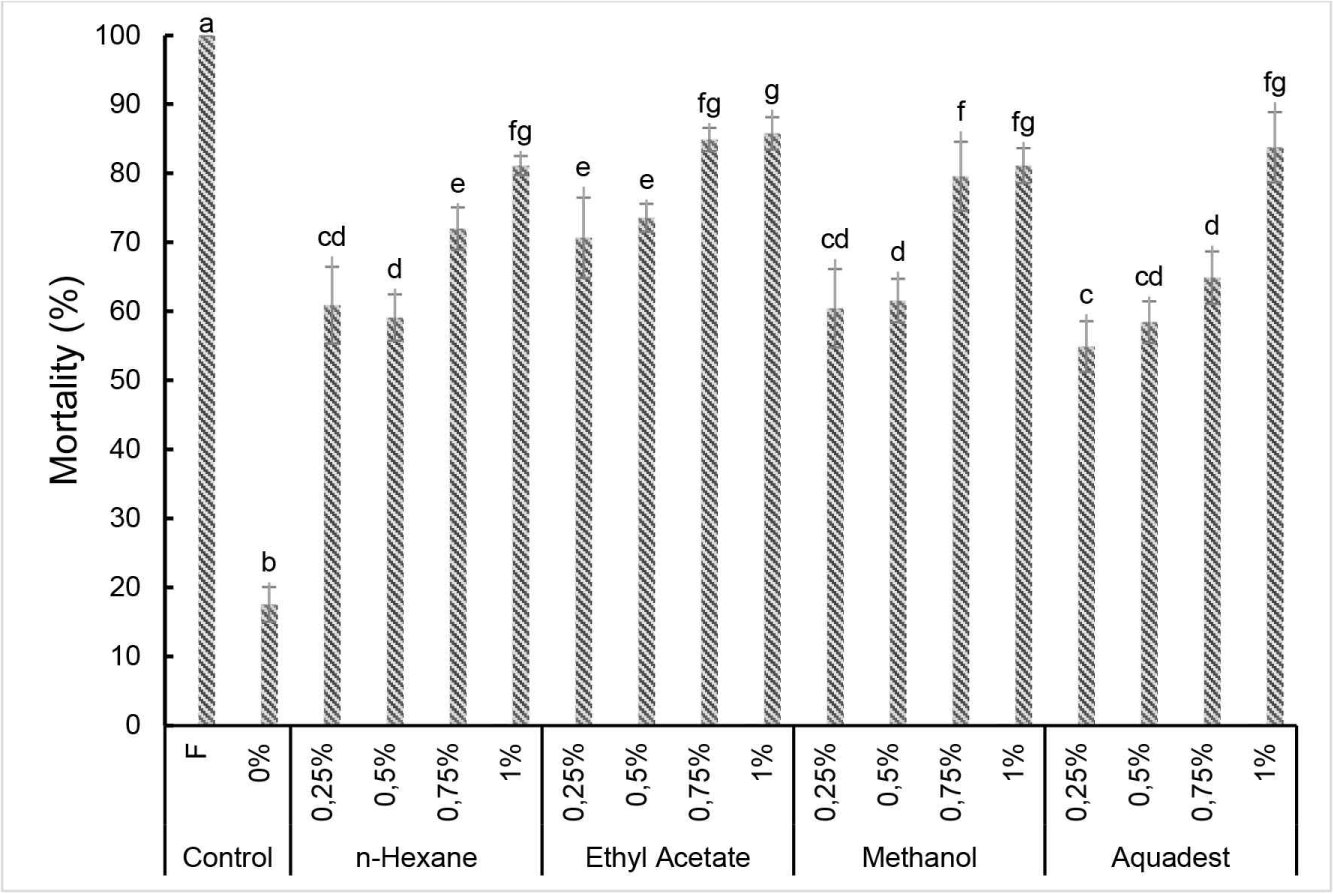
The results of this study demonstrated high and rapid mortality (acute toxicity) in termites exposed to the ethyl-acetate extract. In terms of termite-control strategies, particularly baiting, the standard requirement is a slow-acting toxicant that facilitates horizontal transmission to a colony (Su, 2019). The exceptionally high and rapid mortality observed in the ethyl-acetate extract (85.78% within 7 d) strongly indicates an acute toxicological mechanism. Based on LC-MS/MS analysis, this rapid mortality is hypothesized to be due to a synergistic mechanism among the detected semipolar constituents. The identified semipolar constituents, particularly the bioactive fatty acids and dicarboxylic acids, likely serve as potent penetrants that degrade the lipid-rich protective cuticle and intestinal membranes of the termites. For instance, compounds such as 12-hydroxystearic acid (12-HSA) can alter the physical properties of lipid matrices. This structural disruption facilitates the rapid entry and amplified efficacy of co-extracted antimicrobial agents, such as azelaic acid, which can severely disrupt the vital bacterial microflora crucial for termite survival (Sung et al., 2023; Verdeguer et al., 2022). This synergistic interaction explains why the crude multisolvent extract exhibited more potent acute toxicity than the isolated fatty acids alone. Although this acute toxicity presents a challenge for direct use in conventional bait matrices, it suggests that P. edule extracts may serve as an effective active ingredient if combined with release-delaying technologies such as microencapsulation, or when applied at lower sublethal concentrations. Owing to this high killing rate, the extract demonstrated immediate potential as a high-performance wood preservative or soil-barrier treatment to prevent structural damage.
In general, a positive correlation was observed between solution concentration and termite mortality, thus indicating that mortality increased with the concentrations of each solvent. A significant negative correlation was observed between termite mortality and test-paper mass loss for the ethyl-acetate extract (at concentrations of 0.25%, 0.5%, 0.75%, and 1%), thus demonstrating that higher mortality reduced paper consumption. This suggests that the ethyl acetate extract effectively concentrated the rapid-acting, semipolar toxicants intrinsic to the plant. In fact, this aligns with previous studies demonstrating that increasing the extract concentration increases the toxic properties of paper, thereby reducing termite consumption rates (Erliana et al., 2022; Nkogo et al., 2022; Sankara et al., 2020). Conversely, for the methanol extract, mortality and mass loss were negatively correlated at concentrations of 0.25%, 0.5%, and 0.75%. However, at 1% methanol concentration, mortality and mass loss exhibited a positive correlation. The methanol fraction contained d-(+)-galactose (a monosaccharide) and DL-malic acid. These compounds likely served as feeding stimulants, thus encouraging the termites to consume significant amounts of the treated paper before the lethal effects of the co-extracted natural botanical toxicants materialized. Specifically, the presence of potent organic acids and alkaloids in this fraction, such as citric acid, 2-methylcitric acid, and 6-hydroxynicotinic acid, likely contributed to this mortality by severely disrupting the vital gut microbiota of the termites or by functioning as direct physiological toxins after ingestion. The aqueous extract containing hexitol (a sugar alcohol) and glucoheptonic acid likely remained palatable to the termites, thus resulting in sustained feeding until a lethal threshold was reached. Meanwhile, the n-hexane extract relied on fatty acids such as oleic acid and ricinoleic acid. These are typically slow-acting contact poisons or respiratory disruptors, which may explain the variable feeding behavior observed before death.
Previous studies on P. edule seed extracts using water and methanol yielded lower termite mortalities of 27.5% and 38.8% at 2.5% and 5% concentrations, respectively (Wiryadiputra et al., 2014). These results differ significantly from those of the current study, where the highest mortality rates for the methanol aquadest extracts were 81.11% and 83.78%, respectively, at 1% concentration. This discrepancy may be attributed to differences in the storage conditions of the P. edule seed extract. Open storage of P. edule plant extracts for 2 d can decrease the cyanide content by over 50%, thus indicating unstable cyanide content in the seeds, which reduces its effectiveness during testing (Wiryadiputra et al., 2014). By contrast, the current study utilized multilevel maceration to isolate more stable and potent semipolar compounds, thereby affording superior efficacy.
Additionally, solvent polarity is critical in the extraction of bioactive compounds from plants. In this study, polar solvents (methanol and water) were predominantly used to extract polar metabolites, including organic acids (e.g., citric acid and malic acid) and sugar derivatives (e.g., galactose and glucoheptonic acid), as shown in Table 2. Polar solvents tend to extract more phenolic and flavonoid compounds, which typically contribute to higher biological activities, including toxicity to termites (Aulianshah et al., 2025; Sari et al., 2025; Wakeel et al., 2019). For instance, in the extraction of compounds from Eucalyptus pellita bark using both polar and nonpolar solvents, the extracts significantly increased the mortality rates compared with the controls (Andika et al., 2025). However, the current findings indicate that the highest mortality occurred in the 1% ethyl acetate-extract treatment. Additionally, the ethyl-acetate extracts exhibited anti-termite properties. For instance, extracts from Calophyllum inophyllum L. stem bark exhibited anti-termite activity, with significant termite mortality and reduced weight loss in treated paper (Zalsabila et al., 2024). The higher termite mortality observed with the ethyl-acetate extract compared with that with the methanol extract suggests that the bioactive compounds in P. edule seeds contributing to the termiticidal effect are predominantly semipolar. The compounds in the ethyl-acetate extract included tannins and flavonoids (Ham et al., 2020; Priadi et al., 2021; See et al., 2017). The superior efficacy of the ethyl-acetate extract suggests that the key termiticidal compounds in P. edule seeds are predominantly semipolar. LC-MS analysis (Table 2) revealed the presence of potent semipolar constituents in this fraction, including specific bioactive esters and fatty acids. The high mortality rate is attributable to the synergistic action of these co-extracted metabolites. A higher mass loss in the test paper indicates that the termites consumed a large quantity of the paper, thereby suggesting that the termites were attracted to the treated paper before eventually dying (Achmad et al., 2021; Arinana et al., 2025b).
Table 3 presents the LC50 values of the P. edule seed extracts. The lowest LC50 value was recorded for the ethyl-acetate extract at 765.3 μg/mL, while the highest was recorded for the aquadest extract at 2,491.6 μg/mL. Based on calculation, the ethyl-acetate extract has an LC50 value between 500 and 1,000 μg/mL, which classifies it as lowly toxic to termites (Mattioli et al., 2020). Conversely, the aquadest extract, with an LC50 > 1,000 μg/mL, is considered nontoxic to termites. A lower LC50 value indicates higher toxicity against termites (Santos-Medrano and Rico-Martínez, 2019).
| Solvents | Regression | LC50 (μg/mL) |
|---|---|---|
| n-Hexane | y = 0.9586x + 1.9045 | 1,695.2 |
| Ethyl acetate | y = 0.9632x + 2.2223 | 765.3 |
| Methanol | y = 1.1599x + 1.2285 | 1,784.7 |
| Aquadest | y = 1.2337x + 0.8098 | 2,491.6 |
The lowest LC50 value (765.3 μg/mL) exhibited by the ethyl-acetate extract indicates that this solvent isolates the most potent bioactive compounds for inducing termite mortality. This finding is consistent with the findings of (Ahmed et al., 2018), who stated that ethyl acetate can extract more potent toxic compounds than other solvents. Meanwhile, the n-hexane, methanol, and aquadest extracts yielded LC50 values > 1,000 μg/mL. This indicates that the three extracts are nontoxic to termites (Santos-Medrano and Rico-Martínez, 2019).
Table 2 presents the phytochemical analysis of P. edule seeds via LC-MS/MS, which revealed that extracts of P. edule seeds contain a complex array of bioactive compounds with potential insecticidal properties. The use of solvents with varying polarities resulted in the successful isolation of distinct phytochemical profiles. Specifically, the n-hexane fraction was dominated by fatty acids and lipids (e.g., oleic acid and ricinoleic acid); the ethyl acetate fraction contained potent semipolar compounds, particularly bioactive fatty acids and dicarboxylic acids (e.g., azelaic acid, 9,10-dihydroxystearic acid, and 12-hydroxystearic acid); and the methanol and aqueous fractions were characterized by polar organic acids, sugars, and phenolics (e.g., citric acid and galactose). Tentatively identified key compounds included various natural bioactive fatty acids and organic acids. Furthermore, the presence of several compounds with documented antimicrobial activity (e.g., citric acid, D(+)-phenyllactic acid, and azelaic acid) suggests an additional mechanism of action via the disruption of the termite’s vital gut microbiota (Sieber and Hegel, 2014; Sung et al., 2023; Verdeguer et al., 2022). This multimechanistic phytochemical profile—comprising neurotoxins, metabolic inhibitors, and antimicrobials—provides a strong theoretical basis for the potential use of the extract as a termiticide.
The termiticidal efficacy, as quantified using the LC50 bioassay, provides empirical validation of the phytochemical findings and revealed a clear structure–activity relationship. The bioassay results demonstrated a significant variance in potency among the different extracts, with the ethyl-acetate extract exhibiting the highest efficacy (LC50 = 765.3 μg/mL), followed by n-hexane (LC50 = 1,695.2 μg/mL), methanol (LC50 = 1,784.7 μg/ mL), and aqueous (LC50 = 2,491.6 μg/mL) extracts.
This toxicity hierarchy can be directly explained by the respective phytochemical compositions. The superior performance of the ethyl-acetate extract is attributable to its optimal co-extraction of a synergistic combination of potent semipolar metabolites, including specific esters and antimicrobial fatty acids. By contrast, the methanol extract showed a significantly lower potency, thus indicating that its specific composition is less effective against termites. The moderate activity of the n-hexane extract aligns with its content of contact-acting insecticides and antipest agents, such as oleic acid and ricinoleic Acid, which may have a slower mode of action than neurotoxins (Arnosti et al., 2011; Freire et al., 2002; Gnanashree and Sirajudeen, 2018). As predicted by its polar and generally less insecticidal profile, the aqueous extract was the least potent.
In conclusion, the integration of phytochemical data that identified a diverse range of bioactive classes, including alkaloids, esters, fatty acids, and organic acids, with biological assay results demonstrated that the termiticidal activity of P. edule is not merely a function of the presence of toxic compounds, but rather a consequence of a specific and synergistic combination of multitarget agents. Ethyl acetate proved to be the most effective solvent for isolating this potent phytochemical cocktail, thus establishing it as an optimal candidate for the development of natural termiticides. This study highlights the importance of solvent selection in maximizing the bioactivity of plant extracts for pest-control applications. Although the observed acute toxicity and rapid mortality highlight the ethyl-acetate extract of P. edule as a promising candidate for natural-wood preservation, further research is necessary to establish its viability as a commercial product. Future studies should evaluate the fixation and leaching resistance of the extract to determine its persistence in woods when exposed to environmental factors. Additionally, any potential metal corrosiveness on nails or metal fasteners used in wooden structures must be assessed, and field tests must be conducted to verify the long-term efficacy of the treatment. Further studies using isolated single compounds and analytical standards are required to confirm the synergistic mechanisms hypothesized in this study.
4. CONCLUSIONS
This study demonstrated that extracts from P. edule seeds exhibited anti-termite activity against C. curvignathus. The efficacy of the extracts depended on the solvent used for extraction. The ethyl-acetate extract was the most effective, as evidenced by a termite mortality rate of 85.78% at 1% concentration and LC?? = 765.3 μg/mL, thus establishing it as lowly toxic. Chemical analysis revealed the presence of compounds with known toxicological profiles, such as bioactive esters and fatty acids, within this extract. These results indicate that the bioactivity is likely due to a synergistic combination of these semipolar compounds instead of a single substance. Therefore, the ethyl-acetate extract of P. edule was identified as a suitable candidate for further investigations into natural termite-control agents.