

1. INTRODUCTION
The construction industry plays a pivotal role in global economic development, yet it faces growing challenges of resource depletion, environmental degradation, and the demand for sustainable practices. Conventional concrete production relies heavily on natural aggregates such as river sand, the over-extraction of which has caused unsustainable mining, habitat loss, and rising costs (Peduzzi, 2014; Torres et al., 2017). In rapidly urbanizing regions such as Nigeria, the need for alternative materials is urgent to reduce environmental impacts while maintaining material performance (Garba et al., 2019; United Nations Environment Programme [UNEP] and GRID Geneva, 2022).
Wood sawdust (WSD), a byproduct of timber processing, presents one such alternative. In sawmill hubs like Port Harcourt, sawdust is generated in large quantities, often underutilized or discarded, creating waste management and pollution challenges (Huang et al., 2018; Nwiisuator et al., 2011; The Tide, 2017). Its lightweight and porous nature makes it a candidate for partial sand replacement in concrete blocks, potentially offering benefits such as reduced density and improved thermal efficiency, while contributing to circular economy goals by valorizing waste (Olaiya et al., 2023; Pacheco-Torgal, 2014).
Previous studies indicate that incorporating sawdust in cementitious composites influences density, porosity, and water absorption, and may affect compressive strength and durability (Batool et al., 2021; Olutoge, 2010). However, results vary depending on mix design and replacement levels, highlighting the need for systematic evaluation. While some work suggests low to moderate replacement (up to 10%–15%) can be useful for lightweight applications, conclusions about mechanical or structural suitability must be supported by additional testing (Abera, 2019; Assiamah et al., 2022; Mütevelli Özkan et al., 2024).
This study therefore focuses specifically on the density performance of hollow concrete blocks incorporating WSD as a partial sand replacement. Using four mix ratios (1:2:0.3, 1:1.5:0.4, 1:1:0.5, and 1:0.5:0.7) and replacement levels of 0%–15%, dry density and wet density at 24 and 48 hours were evaluated. By quantifying these properties, this research provides baseline data on how sawdust influences block density, offering insights into its potential benefits for lightweight and resource-efficient construction. The findings are intended as a foundation for future studies that will extend to compressive strength, water absorption, and durability testing, necessary to determine full structural applicability.
2. MATERIALS and METHODS
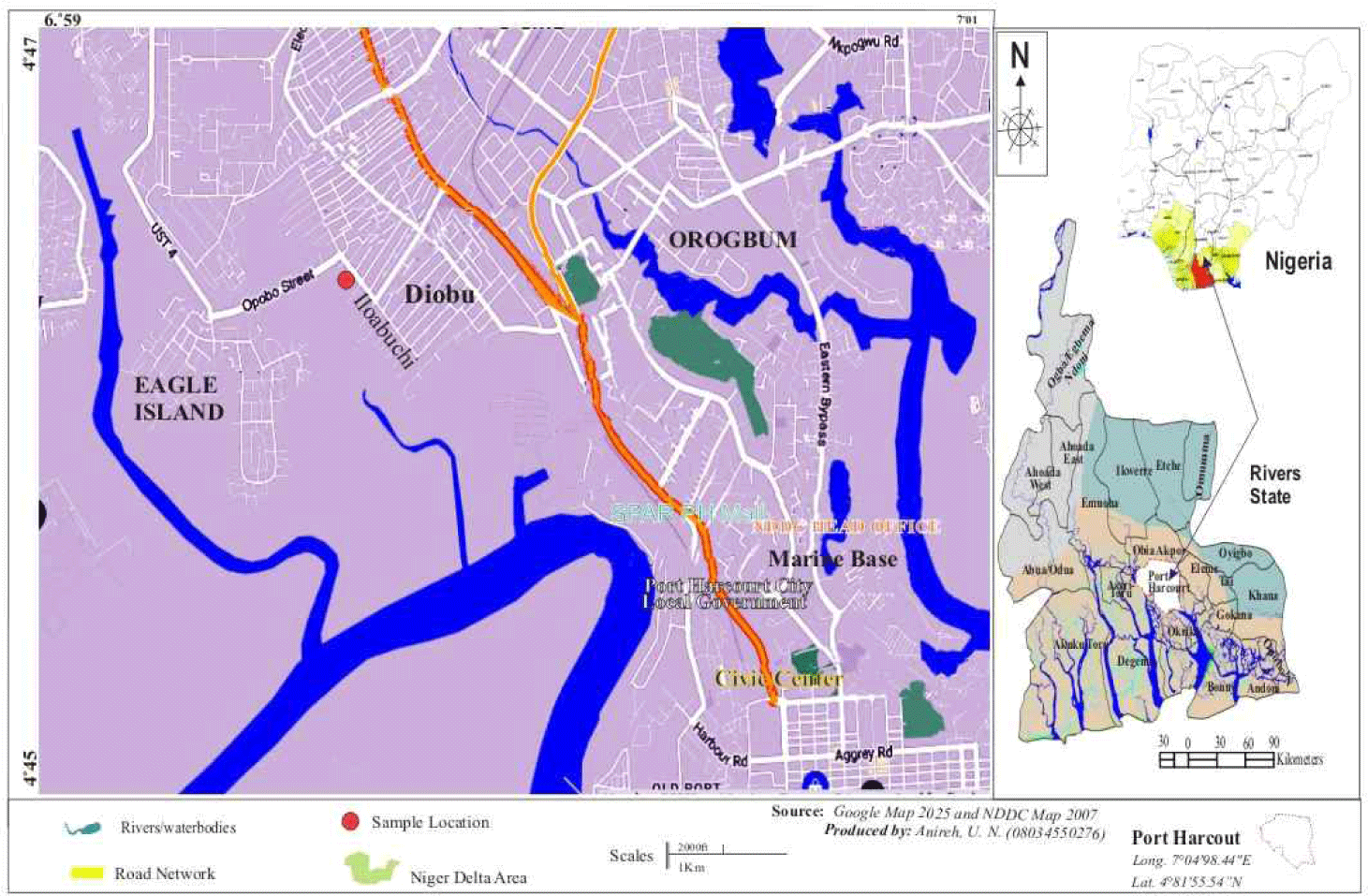
WSD samples were collected from the Iloabuchi Sawmill Industry, located at Mile 2, Diobu, Port Harcourt, Rivers State, Nigeria (Latitude 4°47′19.58″ E, Longitude 6°59′22.21″ N; David-Sarogoro, 2019). Commonly known as the Iloabuchi Timber Market, this site is a major timber processing and trading hub within Port Harcourt Local Government Area (PHALGA), hosting several registered firms under a sawmill owners’ association.
Established in 1989 on a 1.5-hectare site, the sawmill serves as a cluster for timber processing. Logs, mainly sourced from mangrove and freshwater swamp forests within and beyond Rivers State, are transported by water and processed on-site using band and circular saws. Activities include re-sawing, planing, and marketing of timber for the city’s construction sector. The cluster also supports allied artisans and small-scale wood-based enterprises, reflecting its economic importance (Adedeji et al., 2016). However, sawmilling generates large volumes of residues such as sawdust, slabs, and off-cuts, which pose significant waste management challenges (Larinde et al., 2018; The Tide, 2017). Unmanaged waste contributes to environmental pollution, while occupational risks include noise exposure and water contamination in the Mile 1–3 Diobu corridor (Akankali et al., 2022; Ugwoha et al., 2016).
Port Harcourt lies within the sub-equatorial climate zone, marked by prolonged rainy seasons, high humidity, and mild temperature variation. The region receives over 2,500 mm of rainfall annually, peaking between June and October, with an average temperature of 28°C and relative humidity around 85% (Adedeji et al., 2016; Eludoyin et al., 2015). Soils are predominantly alluvial, shaped by seasonal flooding and sediment deposition.
In summary, Iloabuchi is a long-established, water-linked timber processing enclave central to Port Harcourt’s timber economy, but it faces persistent challenges of waste management, environmental protection, and occupational health risks typical of urban sawmill clusters (Aiyeloja et al., 2013; Fig. 1).
WSD obtained as a byproduct from sawmills, was used in the study. The sawdust was sourced locally to ensure consistency in particle size and quality. Before use, the sawdust was sieved to remove large particles and impurities, ensuring a uniform particle size distribution. Ordinary Portland Cement conforming to ASTM C150 standards was used as the primary binder in the mix (Fig. 2).
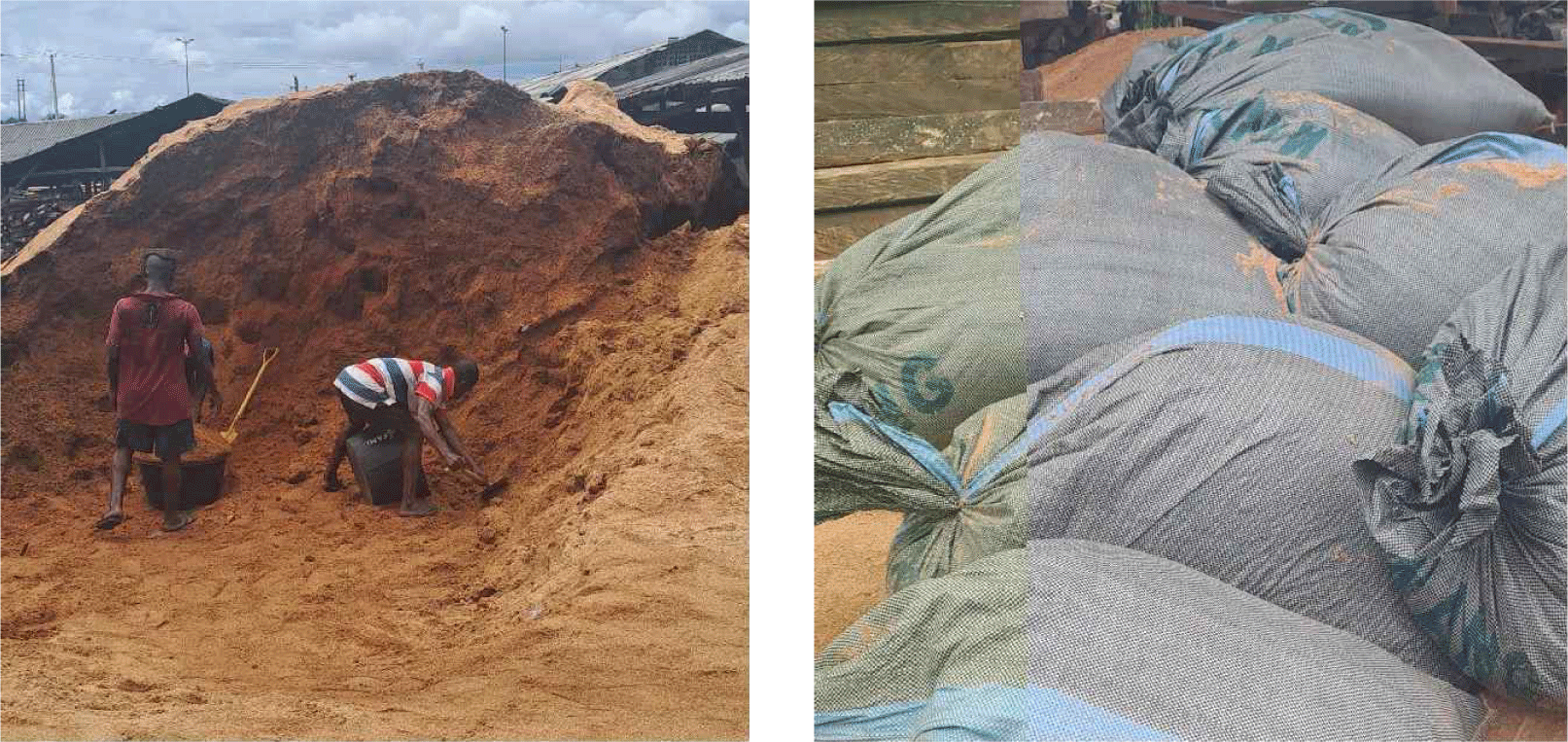
Cement is crucial for providing the necessary strength and binding properties in the composite material (Neville and Brooks, 2010). Natural river sand was used as a control material in the study. The sand was sourced locally and conformed to ASTM C33 standards for fine aggregates. Potable water, free from impurities, was also used for mixing the materials. The water-to-cement ratio was carefully controlled to achieve the desired workability and strength.
The mix proportions for the hollow blocks were designed based on previous research and preliminary trials (Mohammed et al., 2013). The control mix consisted of cement, sand, and water, while the experimental mixes replaced varying percentages of sand with WSD. The following mix ratios were used as shown in Table 1 and Fig. 3.
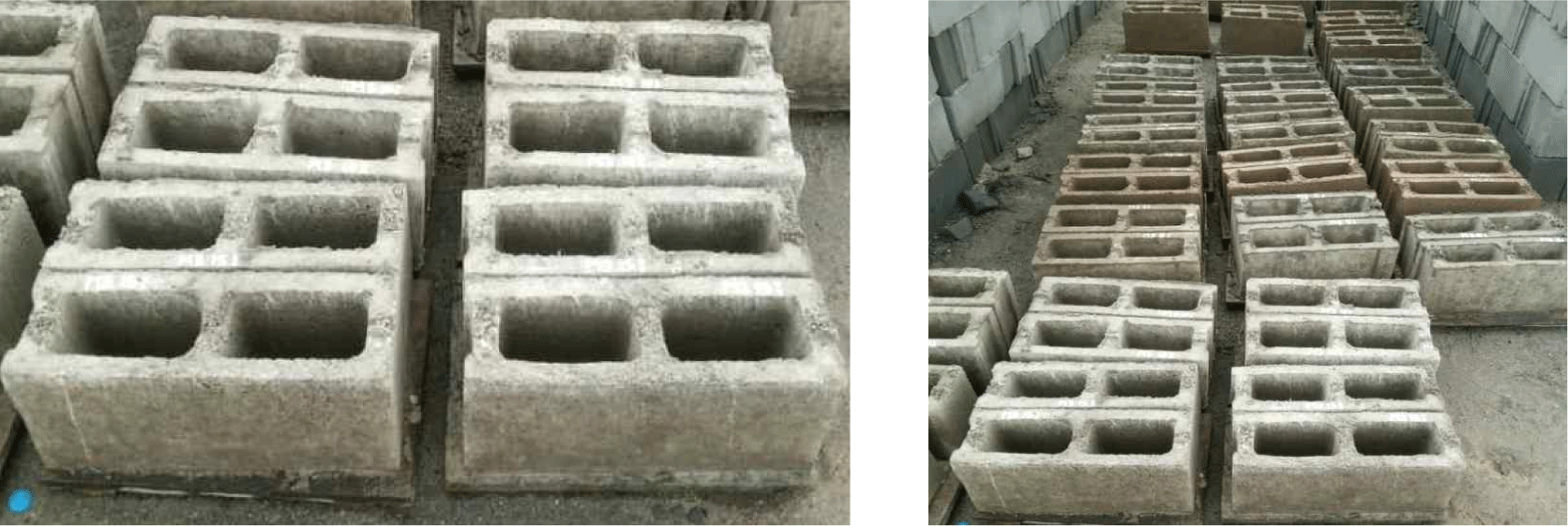
Hollow blocks were fabricated using steel molds with dimensions of 150 × 225 × 450 mm, conforming to ASTM C90 (2020) standards for load-bearing concrete masonry units. The mixes were prepared by thoroughly blending the dry materials, followed by the gradual addition of water to achieve the desired consistency. The mixture was then placed into the molds and compacted using a mechanical vibrator to eliminate air voids and ensure uniform density. The blocks were demolded after 24 hours and cured in a water tank for 28 days to achieve full strength. Curing is critical to the hydration process of cement, which directly influences the strength and durability of the blocks (Neville and Brooks, 2010; Fig. 4).
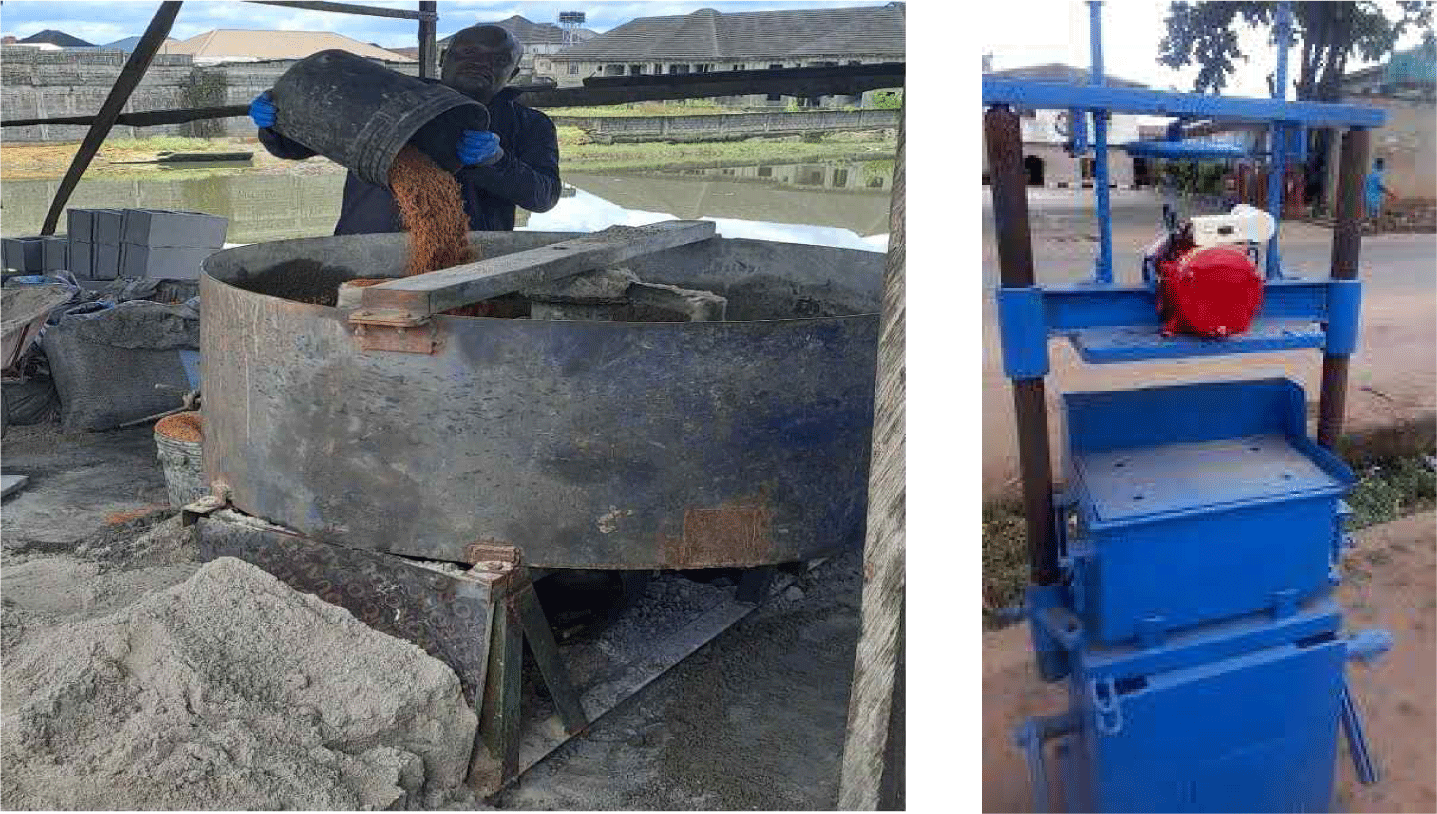
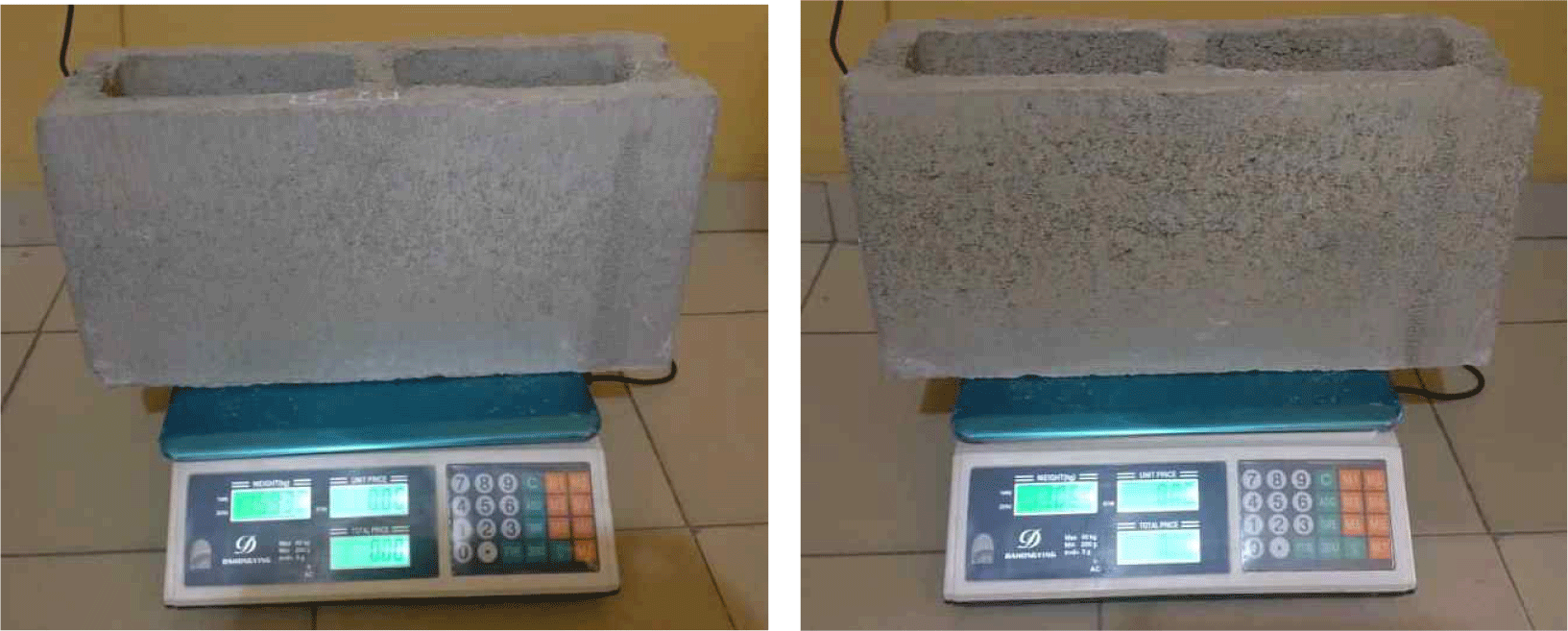
Samples of each blend portion was oven-dried at 100°C for 24 hours to examine the density properties (Fig. 5). The samples were gradually brought to room temperature and their weights were recorded. The density of blocks were calculated using the Eequation (1) below;
Where; δ is density of block, m is the weight of dried block (kg), V is volume of block (m3).
Wet density at 24 hours was determined according to standard block testing procedures (ASTM C140/C140M-23, or equivalent). Hollow block samples were carefully demolded and weighed 24 hours after casting while still in a wet condition. The mass of each block (M1) was recorded using a calibrated digital weighing balance (± 0.01 kg). The overall dimensions (length, width, and height) of each block were measured using a steel measuring tape and vernier caliper to determine the volume (V). The wet density at 24 hours (ρ1) was calculated using Equation (2):
Where: ρ2 is wet density at 24 hours (kg/m3), m2 is mass of block at 24 hours (kg), V is volume of block (m3).
Three replicates were measured per mix proportion, and the mean wet density was reported.
To determine wet density at 48 hours, the same procedure was repeated 48 hours after casting. The mass of each block (M2) was recorded, and the volume (V) was determined as described above. The wet density at 48 hours (ρ2) was computed using Equation (3):
Where: ρ2 is wet density at 48 hours (kg/m3), m2 is mass of block at 48 hours (kg), V is volume of block (m3).
The wet density values provide insight into moisture retention and early-age performance of the blocks, allowing comparison of density changes over time due to varying sawdust content.
Completely randomized design was adopted for the study. Four treatments of the study (ratio of experimental mix of sand, sawdust and water) was replicated three times and data from the various tests were analyzed using statistical package for social science (SPSS) Version 20 to compare the performance of the control and experimental mixes. Analysis of variance (ANOVA) at 5% probability level was employed to assess the significance of differences between the groups. The Duncan Multiple Range Test (DMRT) was used to separate the means of each of the properties of WSD hollow blocks with different proportions of WSD.
3. RESULTS and DISCUSSION
The results of the mean dry density of hollow blocks prepared with varying mix ratios and replacement levels are presented in Table 2. The mean dry densities (kg m–3) are reported alongside their SDs, with superscript letters indicating statistically significant differences (p < 0.05) within each mix ratio. Overall, the mean dry density decreased as the replacement percentage increased across all mix ratios. For example, in the 1:2:0.3 mix ratio, the mean dry density decreased from 2,436.67 kg m 3 at 0% replacement to 1,963.33 kg m–3 at 15% replacement, with significant differences between 0%, 5%, and 10%–15% replacement levels. A similar downward trend was observed in other mix ratios, although the 1:1.5:0.4 mix exhibited some variation, as the 10% replacement showed a slightly higher density than the 5% replacement. These findings demonstrate that increasing replacement material (e.g., sawdust) reduces the mass per unit volume of blocks, potentially influencing their structural integrity and applications.
The density of construction materials is a fundamental property that significantly influences their structural performance, thermal behavior, and durability. In hollow concrete blocks, density not only reflects the material composition but also directly affects mechanical strength and energy efficiency (Achar, 2024; Pal, 2025; Walls & Dreams, 2025). The observed reduction in dry density with increasing WSD content aligns consistently with a substantial body of research on the utilization of lignocellulosic materials and lightweight aggregates in construction. The primary reason for this decrease is the inherently lower density (specific gravity) of WSD compared to conventional aggregates like sand. Sand, being a mineral aggregate, possesses a significantly higher density than organic materials such as wood fibers (Batool et al., 2021; Olaiya et al., 2023; Olanipekun et al., 2006; Sawant et al., 2018). Furthermore, the porous nature of WSD itself contributes to the overall reduction in density. Wood particles contain numerous voids and air pockets, which, when incorporated into the block matrix, introduce air entrainment, thereby reducing the bulk density of the final product. This characteristic is often a desired outcome for producing lightweight concrete or masonry (Alabduljabbar et al., 2020; Alwan et al., 2025; Mütevelli Özkan et al., 2024). Lightweight concrete offers multiple advantages, including reduced dead load on structures, leading to potentially smaller foundation requirements and cost savings in transportation (Pirzad, 2017; Usman et al., 2025; Vives et al., 2021). The increased porosity can also enhance thermal insulation properties, making the blocks more energy-efficient (Jayamaha et al., 1996; Olaiya et al., 2023; Regin et al., 2024). Therefore, the observed density reduction in this study corroborates findings that leverage agricultural and industrial wastes for lightweight construction. However, this benefit comes with a trade-off. Excessive reduction in density may adversely affect the structural performance of the blocks, particularly in load-bearing applications. Olutoge (2010) warned that beyond certain thresholds, the inclusion of organic materials like sawdust can lead to a decline in compressive strength and resistance to environmental degradation, due to their moisture-retention and biodegradable nature. Furthermore, variations in performance across the mix ratios suggest that binder content (cement) and water ratio play vital roles in counteracting the weakening effect of sawdust. For example, the 1:0.5:0.7 mix ratio maintained relatively higher densities even at increased replacement levels, likely due to the higher cement content, which may enhance particle bonding and matrix integrity.
Contrasting perspectives also exist. For instance, Adinkrah-Appiah et al. (2025); Esakki Priya et al. (2025); Owoyemi and Tolorunju (2020) argued that while sawdust-based blocks are thermally efficient, they often exhibit higher water absorption and reduced durability when exposed to fluctuating environmental conditions, thereby limiting their use in external walls or high-load structural applications unless adequately treated or reinforced. Furthermore, the hydrophilic nature of WSD can lead to increased water absorption and potential swelling, affecting the long-term durability, dimensional stability, and susceptibility to biological degradation of the blocks (Ayende, 2021).
In the 1:1.5:0.4 mix ratio, an unexpected deviation from the general trend was observed. Instead of a steady decline, the mean dry density at 10% sawdust replacement (2,200.00 kg/m3) was higher than at 5% replacement (1,983.33 kg/m3). While most mix ratios confirmed the expected reduction in density with increasing sawdust content (El Hamri et al., 2024; Oyedepo et al., 2014; Rakshith and Dharshan, 2023), this deviation highlights the complex interplay of material behaviour during block production. Minor variations in moulding conditions such as compaction or vibration could have produced a denser block at 10% (Dacorro and Aquino Diquito, 2022). Equally, a packing effect may have occurred, with the additional sawdust filling voids more efficiently at this level (Oyedepo et al., 2014). Moisture dynamics also offer a possible explanation: improved water distribution at 10% replacement may have enhanced workability and compaction, whereas at 5%, uneven absorption might have created voids (Ayende, 2021; Onyechere, 2022). Studies on sawdust-based boards and sawdust-derived ceramics show that target density, compaction and additives strongly influence final density (Hwang and Oh, 2023; Wanishdilokratn and Wanishdilokratn, 2024), which supports the plausibility of packing and moisture mechanisms in explaining your anomaly. Although these factors provide reasonable insights, the deviation should be viewed with caution. Replication and further trials will be necessary to confirm whether this outcome reflects a consistent material behaviour or simply experimental variability.
The wet density after 24 hours of water immersion also decreased with increasing replacement percentages, as shown in Table 3. In the 1:2:0.3 mix ratio, wet density significantly dropped at 15% replacement (1,761.33 kg m–3) compared to 0%, 5%, and 10%, which showed no significant differences. A similar pattern was observed in the 1:1.5:0.4 mix, where wet density decreased significantly at 15% replacement compared to 0%. In contrast, 1:1:0.5 and 1:0.5:0.7 mix ratios displayed no significant differences (p > 0.05) across replacement levels, suggesting greater stability in early-age wet density. These results indicate that higher replacement levels affect the initial water absorption capacity of hollow blocks, influencing their durability in moisture-prone environments.
Wet density is a key parameter in evaluating the durability and water resistance of concrete blocks, particularly those designed for use in humid or flood-prone environments. It reflects the mass of the material per unit volume when saturated and provides insight into the internal porosity, structural cohesion, and water absorption behavior of the blocks (Hover, 2011; Jierula et al., 2024). After 24 hours of submersion, a consistent decreasing trend in wet density was observed with increasing sawdust content across all mix ratios. This decline is primarily attributed to the inherently lightweight and porous nature of sawdust, which typically has a bulk density ranging from 150 to 250 kg/m3, in stark contrast to natural sand with a bulk density of approximately 1,600 to 1,800 kg/m3 (Adenaiya et al., 2020; Adinkrah-Appiah et al., 2025; Esakki Priya et al., 2025; Owoyemi and Tolorunju, 2020). When sawdust is introduced as a partial replacement for sand, it effectively reduces the overall mass per unit volume of the composite material. Moreover, the fibrous and open-cell structure of sawdust contributes to higher internal porosity and water absorption, leading to lower wet density values upon saturation. The trends observed in the wet density of hollow blocks across varying mix ratios and replacement levels are strongly supported by existing literature on the influence of sawdust incorporation and binder content in cementitious composites.
The results revealed a notable decline in wet density with increasing sawdust replacement. Specifically, for Mix Ratio 1:2:0.3, the wet density dropped significantly from 2,554.00 ± 255.51 kg/m3 at 0% replacement to 1,761.33 ± 180.50 kg/m3 at 15% replacement. This reduction, which was statistically significant at p < 0.05, suggests a substantial compromise in the block matrix at higher levels of replacement. A plausible explanation for this trend is the increased porosity introduced by the incorporation of sawdust, a material less dense and more porous than sand. As porosity increases, so does the block’s capacity to absorb and retain water during immersion, leading to a decrease in apparent wet density. This observation aligns with the findings of Tracz and Zdeb (2019), who reported that higher water-cement ratios often associated with greater pore space tend to reduce bulk density while increasing open porosity and saturation potential in cement-based materials. In this context, the 15% replacement level may have introduced enough voids and interconnected pores to allow excessive water ingress, weakening the structural integrity of the mix. Therefore, while low levels of sawdust substitution may offer sustainable alternatives to conventional sand, excessive inclusion such as 15% can adversely affect the density and durability of hollow blocks, especially under conditions involving water exposure.
For Mix Ratio 1:1.5:0.4, although a notable decline in wet density was observed from 2,521.00 ± 250.00 kg/m3 at 0% to 1,971.00 ± 200.00 kg/m3 at 15% replacement the changes at 5% and 10% replacement were not statistically significant (p > 0.05). This suggests that moderate levels of sawdust substitution may be utilized without significantly compromising the structural integrity or water resistance of the blocks within the first 24 hours of immersion. This finding is consistent with results from prior studies of Kropidłowska (2022); Cheng et al. (2024) which reported that sawdust replacement up to 10% generally has negligible effects on density and early-stage water absorption due to limited disruption of the matrix microstructure.
In Mix Ratio 1:1:0.5, a relatively higher cement content resulted in greater matrix cohesion, as evidenced by the consistent wet density values ranging from 2,544.00 ± 121.11 to 2,204.67 ± 422.47 kg/m3 across all replacement levels, with no statistically significant differences observed (p > 0.05). This behavior aligns with the findings of Tracz and Zdeb (2019), who demonstrated that increased cement content (or reduced water-to-cement ratios) significantly reduces open porosity and enhances the density of cement pastes, effectively minimizing water ingress during early exposure.
Interestingly, Mix Ratio 1:0.5:0.7, which contained the highest binder content and lowest sand proportion, consistently yielded lower wet density values than other mixes but exhibited minimal statistical variation across replacement levels. The high cement ratio in this mix may have compensated for the increased porosity typically introduced by sawdust, forming a denser paste that temporarily limits water penetration during the 24-hour submersion period. This is corroborated by studies such as Elinwa and Mahmood (2002) and Shubbar et al. (2020), which have shown that cement-rich matrices can offset the negative effects of lightweight or porous aggregates by enhancing paste density and reducing permeability. Collectively, these findings reinforce the conclusion that both the level of sawdust replacement and the binder-to-aggregate ratio play critical roles in determining the short-term durability and wet density performance of hollow blocks exposed to moisture.
From a performance perspective, maintaining higher wet density values after 24 hours is indicative of a more durable and water-resistant block. The mix designs 1:1:0.5 and 1:1.5:0.4 demonstrated better wet density retention at moderate replacement levels, suggesting that they are more suitable for applications where the blocks are intermittently exposed to water. Conversely, the significant reduction in wet density in 1:2:0.3 and 1:0.5:0.7 at higher sawdust contents indicates a need for caution. These mixes are more vulnerable to moisture ingress, which can lead to swelling, shrinkage, or structural weakening over time. This aligns with the findings of Mwango and Kambole (2019); Olaiya et al. (2023), who warned that excessive sawdust inclusion compromises the dimensional stability of concrete blocks when submerged. Additionally, the results provide a basis for comparison with longer submersion durations. It is anticipated that blocks with higher porosity and lower initial wet density after 24 hours will show even more drastic reductions in structural performance after 48 hours—a hypothesis to be tested in subsequent analysis.
The wet density after 48 hours of immersion further highlights the impact of replacement material on block density and water retention (Table 4). A consistent decreasing trend in wet density was observed with higher replacement levels, especially in 1:2:0.3 and 1:1.5:0.4 mix ratios. For example, in 1:2:0.3, wet density dropped significantly from 2,582.00 ± 261.00 kg/m3 at 0% to 1,934.00 ± 189.50 kg/m3 at 15%. Similarly, in 1:1.5:0.4, it decreased from 2,571.67 ± 245.64 kg/m3 to 1,991.33 ± 195.04 kg/m3. These reductions demonstrate that increasing replacement levels lowers the mass per unit volume of blocks after prolonged water exposure.
In contrast, 1:1:0.5 and 1:0.5:0.7 mixes showed less variation. The 1:1:0.5 mix maintained consistently high wet densities across all replacement levels (ranging 2,598.33 ± 127.88 kg/m3 to 2,269.67 ± 425.11 kg/m3), and no statistically significant differences were observed (p > 0.05). This stability may be due to the higher cement content and lower water–cement ratio, enhancing compactness and resistance to water absorption. DMRT confirmed significant differences (p < 0.05) in wet density for most mix ratios, particularly at the highest replacement level, as reflected by superscript groupings (a, ab, b).
Across all mix ratios, the 48-hour wet density values were slightly higher or closely similar to those recorded after 24 hours, particularly at 0% replacement. This is expected, as complete water saturation typically occurs in the first 24–48 hours, after which density changes tend to stabilize (Expanded Shale, Clay & Slate Institute, 2007; Melichar et al., 2021). However, further scrutiny reveals subtle but meaningful trends in the rate and extent of density reduction across replacement levels and mix ratios.
In Mix Ratio 1:2:0.3, wet density reduced from 2,582.00 ± 261.00 kg/m3 (0%) to 1,934.00 ± 189.50 kg/m3 (15%) after 48 hours, which mirrors the decline observed at 24 hours (2,554.00 to 1,761.33 kg/m3). The difference between 24 and 48 hours indicates a minor gain in density at 15%, likely due to water filling additional internal pores. However, this mix remains significantly affected by sawdust substitution, showing the lowest densities overall, especially at 15%, suggesting higher porosity and saturation susceptibility.
Mix Ratio 1:1.5:0.4 followed a similar trend, decreasing from 2,571.67 to 1,991.33 kg/m3 across 0%–15% replacement. Notably, all densities at 48 hours were slightly higher than at 24 hours, suggesting continued water absorption but limited structural collapse. This highlights the mix’s moderate resilience to prolonged saturation, particularly at ≤ 10% replacement where statistical significance was minimal. In Mix Ratio 1:1:0.5, wet densities were consistently high across both time points and all replacement levels, ranging from 2,598.33 to 2,269.67 kg/m3 after 48 hours. Differences between 24 and 48 hours were minor, and no statistically significant variations (p > 0.05) were observed across sawdust contents. This confirms earlier observations that higher cement content supports stronger internal binding, limiting water ingress and maintaining block cohesion over time (Esakki Priya et al., 2025). Mix Ratio 1:0.5:0.7, despite having the highest cement proportion, produced the lowest absolute wet densities due to reduced sand volume. Wet densities ranged from 2,373.33 (0%) to 2,247.00 kg/m3 (15%) after 48 hours, with minimal change from the 24-hour values. This suggests that while the mix limits water absorption due to rich binder content, its overall mass remains lower due to reduced aggregate content.
Prolonged submersion up to 48 hours allows for more complete pore saturation and may expose internal structural weaknesses in concrete materials, especially when lightweight or porous aggregates like sawdust are used. In this study, the marginal increases in wet density from 24 to 48 hours in most mixes suggest that saturation occurred primarily within the first 24 hours, with diminishing water uptake thereafter. This is consistent with previous findings by Cheng et al. (2024) and Rahman and Khondoker (2024) who observed that most capillary pores in sawdust-modified blocks become saturated within the initial 1–2 days. According to JoVE (2025) and Nwezeh (2023), high cement-to-aggregate ratios can improve cohesion, minimize water pathways, and enhance short- and medium-term durability. However, beyond 48 hours, saturation-related degradation such as microcracking or leaching may become more apparent, warranting further testing such as water absorption rate, compressive strength, and porosity analysis.
The observed reductions in wet density have direct implications for low-income housing construction in Nigeria. Lighter blocks reduce dead load on foundations, lower construction costs, and facilitate easier handling during manual construction, while the porous nature of sawdust-modified blocks can improve thermal insulation, enhancing indoor comfort in hot climates (Esakki Priya et al., 2025; Pirzad, 2017). Additionally, the partial replacement of sand with sawdust valorizes an abundant wood-processing byproduct, addressing local waste disposal challenges and promoting circular economy principles (Alwan et al., 2025; Kropidłowska, 2022; Robert and Ekpete, 2022). These findings support sustainable material utilization policies by demonstrating how waste materials can be converted into cost-effective, thermally efficient, and environmentally friendly construction materials, offering practical solutions for affordable and sustainable housing initiatives in Nigeria.
The findings of this study demonstrate that sawdust has a measurable influence on the density performance of hollow blocks. However, translating these outcomes into industrial-scale applications presents certain limitations when raw sawdust is used without modification. By nature, sawdust is highly porous and hydrophilic, with a strong capacity for water absorption. This characteristic alters the effective water–cement ratio during mixing, often leading to inconsistent workability and poor structural integrity. Furthermore, the soluble sugars and organic compounds naturally present in sawdust can inhibit cement hydration, delaying setting time and ultimately compromising both strength development and long-term durability (Cheng et al., 2024; Dacorro and Aquino Diquito, 2022).
In response to these challenges, researchers have explored a range of pre-treatment strategies that warrant closer consideration for practical deployment. One promising approach involves mineralization treatments, where sawdust is immersed in or combined with mineral additives. For example, Wanishdilokratn and Wanishdilokratn (2024) showed that adding silicon dioxide (1%) to teak sawdust particleboard reduced water absorption and thickness swelling significantly, suggesting improved dimensional stability. Another technique, thermal modification, including carbonization, has been shown to enhance mechanical properties and produce more uniform density profiles; in a study of boards mixed with sawdust and mandarin peel, resin impregnation combined with carbonization improved density and strength outcomes (Hwang and Oh, 2023). Similarly, chemical sealing or resin impregnation has been identified as a viable treatment option for improving interfacial bonding and reducing hygroscopicity (Hwang and Oh, 2023).
Concrete-focused studies further emphasize the need for such treatments. For instance, experimental trials in Ethiopia and Ghana reported that while partial replacement of sand with sawdust reduced block density, higher replacement levels increased water absorption and reduced compressive strength, limiting use to non-load-bearing applications unless pre-treatments are applied (Dacorro and Aquino Diquito, 2022; Gambo et al., 2018; Gidey et al., 2025). Complementary investigations into sawdust-modified mortars and reinforced beams also observed that strength reductions could be moderated at low substitution levels (≤ 10%–15%), provided careful mix design and curing were adopted (Alabduljabbar et al., 2020; Cheng et al., 2024).
While such interventions may raise production costs, they represent essential steps toward improving the durability and commercial viability of sawdust-based masonry units. Future studies would therefore benefit from systematically evaluating these pre-treatment strategies in concrete or block mixes, rather than particleboards alone, to strike a balance between the environmental advantages of sawdust reuse and the technical performance required by the construction industry (Olaiya et al., 2023). In doing so, sawdust could evolve from a problematic by-product into a sustainable material resource with real potential for mainstream building applications.
4. CONCLUSIONS
This study demonstrates that incorporating WSD as a partial replacement for sand significantly influences the density of hollow concrete blocks. Across all tested mix ratios, both dry and wet densities decreased with increasing sawdust content, reflecting its lightweight and porous characteristics. For example, dry density reductions ranged from 2,436.67 ± 30.55 kg/m3 at 0% replacement to 1,963.33 ± 98.15 kg/m3 at 15% replacement in the 1:2:0.3 mix, with similar decreasing trends observed for wet densities at 24 and 48 hours. Mixes with higher cement content (e.g., 1:1:0.5) maintained relatively higher density values, suggesting that binder richness can partly offset the effects of sawdust addition.
The findings indicate that sawdust substitution within the 5%–10% range provides a balance between reduced density beneficial for producing lighter blocks and maintaining acceptable material compactness. Reduced block density is particularly advantageous in creating lightweight, cost-effective, and thermally efficient materials, which can lower construction costs, reduce dead loads on building foundations, and improve indoor thermal comfort. Such benefits are highly relevant for low-income housing in Nigeria, where affordability and energy efficiency are pressing concerns.
However, density alone does not determine structural or durability performance. Properties such as compressive strength, water absorption, and long-term durability were not evaluated in this study and are essential before recommendations can be made on load-bearing or non-load-bearing applications. Therefore, this work should be regarded as a preliminary contribution establishing density performance trends of sawdust-modified hollow blocks. Future research should extend to comprehensive mechanical and durability testing to fully determine their structural suitability and field applicability.
Equally important, the valorization of sawdust aligns with sustainable construction policies and waste management strategies by transforming an abundant wood-processing byproduct into a value-added resource. This not only mitigates environmental challenges associated with sawdust disposal but also supports circular economy initiatives and promotes greener building practices. Practical application at an industrial scale will, however, require pre-treatment of sawdust through methods such as mineralization, thermal modification, or sealing to mitigate its high-water absorption and organic content, thereby ensuring long-term performance.


