1. INTRODUCTION
Teak (Tectona grandis L.f.) is a tropical hardwood species native to Asia, with natural distribution across India, Myanmar, Thailand, and Laos (Souza et al., 2019). Teak wood is highly valued due to its superior qualities, including medium to high density, good strength, high dimensional stability, and resistance to weathering and biological deterioration (Kollert and Kleine, 2017). These unique characteristics make it one of the most valuable tropical hardwoods in the global market, particularly for luxury industries, such as yacht building, high-end furniture, and premium construction in India, Indonesia, and China (Graudal and Moestrup, 2017). Several studies have shown that its exceptional durability against both biotic and abiotic factors, including termites, fungi, water damage, and chemical exposure, stems from the presence of quinones and various extractives that act as natural anti-termite and anti-fungal agents (Pramono et al., 2011; Wanneng et al., 2014; Yasodha et al., 2018). Due to the combination of superior traits, teak has wide applications in shipbuilding, household furniture, building construction, veneer, and wood carving products (Laemlaksakul and Sangsai, 2013; Wanishdilokratn and Wanishdilokratn, 2024).
High-quality teak typically requires 50–60 years to mature, while the average annual productivity of teak forests is only 2–14 m3 per hectare (Kollert and Kleine, 2017; Pandey and Brown, 2000). This situation is further exacerbated by declining log production in Indonesia, decreasing from 12,473 m3 in 2021 to 10,463.12 m3 in 2023 (BPS, 2024). An effective solution to this issue is the development of superior clonal varieties, such as Perhutani’s superior teak (Jati Plus Perhutani, JPP) through tree breeding programs. JPP exhibit diameter growth exceeding 2 cm per year, with estimated wood yields surpassing 200 m3 per hectare within a 20-year rotation (Budiadi et al., 2017; Seta et al., 2021).
Fast-growing teak plantations, such as JPP, not only shorten the rotation period and increase raw timber supply for traditional markets, but also yield abundant biomass by-products at earlier ages. This helps to provide raw material for value-added composite products, such as chip block pallets that support renewable and sustainable applications in the logistics sector. Moreover, sapwood waste from fast-growing teak can be converted into activated carbon with excellent adsorption performance, showing opportunities to enhance overall resource utilization and economic value beyond conventional lumber production (Hermawan et al., 2024). In composite materials reinforced with wood fibres, teakwood exhibited superior tensile strength and reduced water absorption compared to other wood waste sources, showing the favourable mechanical and hydric behaviour of teak as a reinforcing material in engineered applications (Widiastuti et al., 2025). JPP can be converted into activated carbon with high adsorption performance, showing opportunities to enhance resource utilization and economic value from under-utilized parts of fast-growing teak trees (Sutapa et al., 2024a, 2024b).
At present, JPP is widely cultivated on Java Island, but concerns remain about its wood quality. Studies on young JPP (4–9 years) reported low heartwood proportion, relatively low basic density (0.46–0.51), and poor dimensional stability (Basri and Wahyudi, 2013; Wahyudi et al., 2014). Riantin et al. (2020) found that fast-growing teak at 13 years had comparable density to conventional teak at 14 years, while recent studies showed that at 20 years, JPP achieved strength classes II–III (Nugroho et al., 2024).
Wood anatomical and physical properties, such as density, moisture content, and shrinkage, are influenced by genetic factors, growth rate, and management practices (Putro et al., 2020). For example, wider spacing or pruning accelerates diameter growth but produces more juvenile wood, which generally has lower density (Naji et al., 2012). Fast-growing stands often yield wood of lower quality compared to conventional stands.
Differences in growth rate, which are influenced by clonal breeding and silvicultural practices, combined with age variation, are likely contributing to significant differences in teak wood anatomical and physical properties. Therefore, further investigation of such teak in Java, across different age classes of 5, 12, 15, and 20 years old, is essential to understand the development of visual, anatomical, and wood quality traits at each growth stage. Such knowledge provides a scientific basis for optimizing the utilization of young teak wood. Therefore, this study aims to evaluate macroscopic characteristics, wood color parameters, and physical properties of JPP and conventional teak at different ages. The results are expected to offer valuable insights for silvicultural management and future teak plantation development strategies.
In wood property studies, the increment borer is an important tool for extracting increment cores from living trees. These pencil-shaped cores help determine tree age, growth rate, and physical wood properties (Maeglin, 1979). The tool consists of a handle connected to a threaded auger and a semi-cylindrical extractor, allowing the auger to penetrate the bark and withdraw the wood core (Gao et al., 2017). The advantage of this method is its semi-destructive nature, causing only minor wounds (narrow boreholes) without felling the tree (Palakit and Pumijumnong, 2024). It is also time- and cost-efficient, enables repeated sampling for long-term monitoring, and does not significantly affect tree growth. This makes it highly relevant in modern forestry studies, specifically when sampling across different age classes.
2. MATERIALS and METHODS
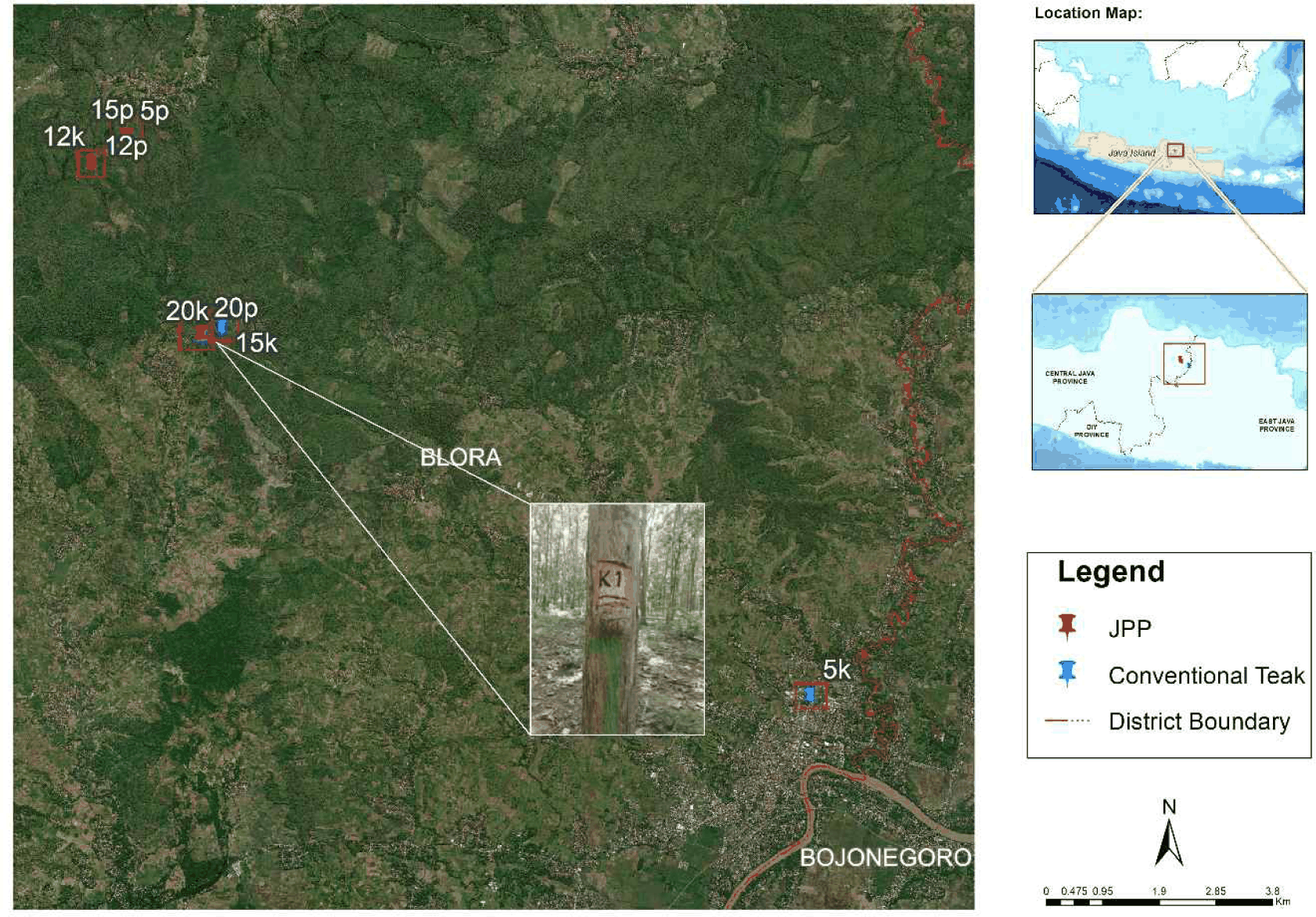
Wood samples were collected in February 2025 from clonal teak plantations belonging to the State Forest Company (Perum Perhutani) located in Blora Regency, Central Java Province, Indonesia. Geographically, the study site was situated between 111°23′58–111°39′44″ E and 06°57′00″–07°10′45″ S. The dominant soil type in the forest area was dark gray grumosol, associated with brownish-gray and yellowish-gray grumosols. The elevation ranged from 30 to 250 m above sea level, with climate types C and D according to the Schmidt and Ferguson classification. The mean annual temperature was 26°C, while the average annual rainfall was approximately 1,636 mm. Sampling points are showed in Fig. 1.
Wood samples were extracted at breast height (DBH) using a 16″ × 5.1 mm increment borer from teak stands representing 4 age classes, including 5, 12, 15, and 20 years. The study comprised 2 genetic materials, namely conventional teak derived from seed, and Perhutani’s superior teak (JPP), an improved clonal teak developed through breeding programs, characterized by larger diameters, longer clear bole height, and shorter rotation periods. The selected trees were healthy, exhibited straight stems, and represented 3 different diameter classes within each stand to ensure variability and representativeness of the samples. For each genetic material, 3 trees were selected per age class (5, 12, 15, and 20 years), resulting in a total of 24 trees (3 trees × 4 age classes × 2 genetic materials).
From each tree, 3 increment cores were extracted at DBH, yielding 72 wood core samples. Radial positions along each increment core were defined according to their relative distance from pith to bark. The pith segment corresponded to the innermost portion, the middle segment represented the intermediate zone, and the sapwood segment was distinguished based on its lighter color compared to the darker heartwood, as showed in Fig. 2(c). All procedures for core extraction, labeling, and sample storage to maintain quality and prevent damage are showed in Fig. 2. Information on sample conditions and distribution by genetic material and age class is presented in Table 1.
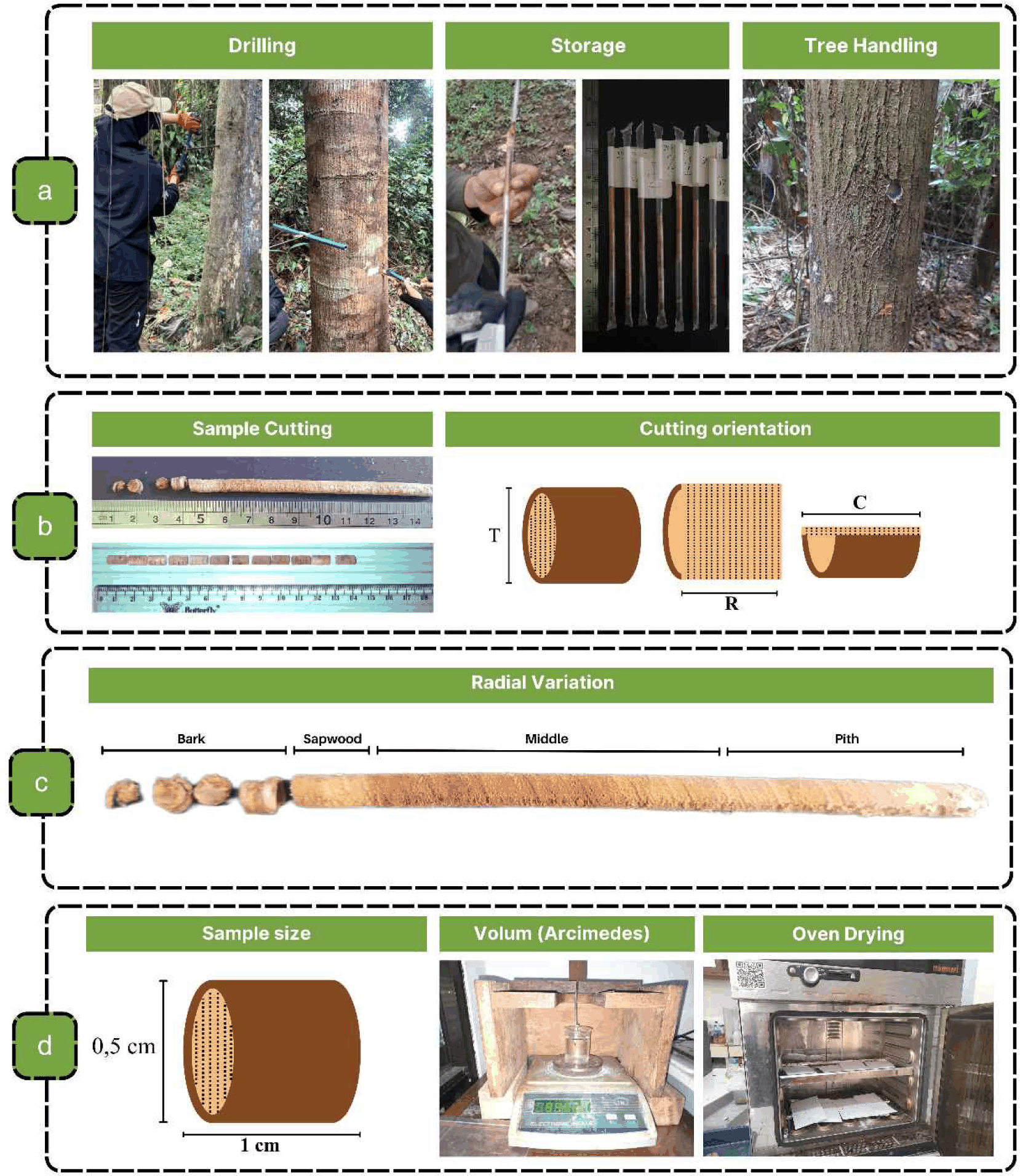
Macroscopic anatomical features were observed using an Olympus SZ61 stereo-microscope at 2.5 × magnification for each treatment combination (genetic material × age class). From each selected core, 1 wood segment (approximately 1 cm in length) was prepared for evaluation. Therefore, the total number of samples observed in the macroscopic analysis was 24. All observations were performed on heartwood under air-dried conditions to ensure consistency among samples. Each segment was examined on 3 anatomical planes, namely cross, radial, and tangential sections, and high-resolution images were captured using an Optilab camera. Sample preparation procedures before observation are showed in Fig. 2(b). Visual wood characteristics were evaluated according to the Indonesian National Standard (SNI 8491; BSN, 2018) and Wheeler et al. (1989). The results were presented in qualitative form.
Wood color measurements were performed using increment core samples, which were separated into 3 radial segments, namely near pith, middle, and sapwood. Each segment represented radial variation as well as differences in age and teak type. Before measurement, sample surfaces were prepared by sanding under air-dry conditions. Color measurements were conducted at 3 observation points for each radial segment, following standard practices in wood color analysis. In total, 72 radial segments were analyzed for color measurement in this study. The instrument used was an NF333 colorimeter (Nippon Denshoku, Tokyo, Japan). The CIELAB color system (L*, a*, b*) was applied to describe wood color parameters, where L* showed brightness (0 = black, 100 = white), a* represented the red (+)–green (–) axis, and b* represented the yellow (+)–blue (–) axis. Each point was measured 3 times to minimize local variation and to obtain more representative average values. The CIELAB parameters were obtained based on the procedures described in ASTM D2244 (ASTM, 2013).
The samples in this study were maintained under air-dried conditions and examined based on 3 variables, including JPP and conventional teak, stand age (5, 12, 15, and 20 years), and radial position (pith, middle, and sapwood). In total, 72 samples were analyzed for physical property measurements. Sample volume was determined using the water displacement method, Archimedes’ principle (Bruce et al., 2022; Hughes, 2005), as showed in Fig. 2(d). Measurements were carried out by weighing the samples under air-dried conditions, followed by weighing the container filled with water with and without the sample. The physical properties of wood were calculated based on 3 main parameters, namely moisture content (MC), green density (ρ), and basic density (BD). The calculation formulas for each parameter are presented in Equations (1) to (3) (ASTM, 2005).
Where: Wg = weight of sample in green condition (g); Wod = oven-dry weight of sample (g); V = volume of sample in green condition (cm3); ρwater = density of water at 4°C (1 g/cm3).
Statistical analyses were conducted using R version 4.3.2 with a 95% confidence level. A 2-way analysis of variance (ANOVA) was used to evaluate the effects of teak type, age, and radial position on physical characteristics. When significant differences were detected, pairwise comparisons were conducted using Tukey’s honest significant difference (HSD) test at α = 0.05.
3. RESULTS and DISCUSSION
The visual characteristics of JPP and conventional teak core samples were evaluated according to the Indonesian National Standard SNI 8491. The visual features observed in JPP in this study were consistent with those reported by Basri and Wahyudi (2013). As shown in Table 2, JPP samples across different age classes exhibited similar macroscopic traits from year to year, particularly in terms of color, grain pattern, texture, fiber orientation, and luster. A similar consistency was observed in conventional teak, which exhibited stable macroscopic traits across age classes, particularly in grain pattern, texture, fiber orientation, and luster. This comparison is presented in Table 3.
Data from BSN (2018).
Data from BSN (2018).
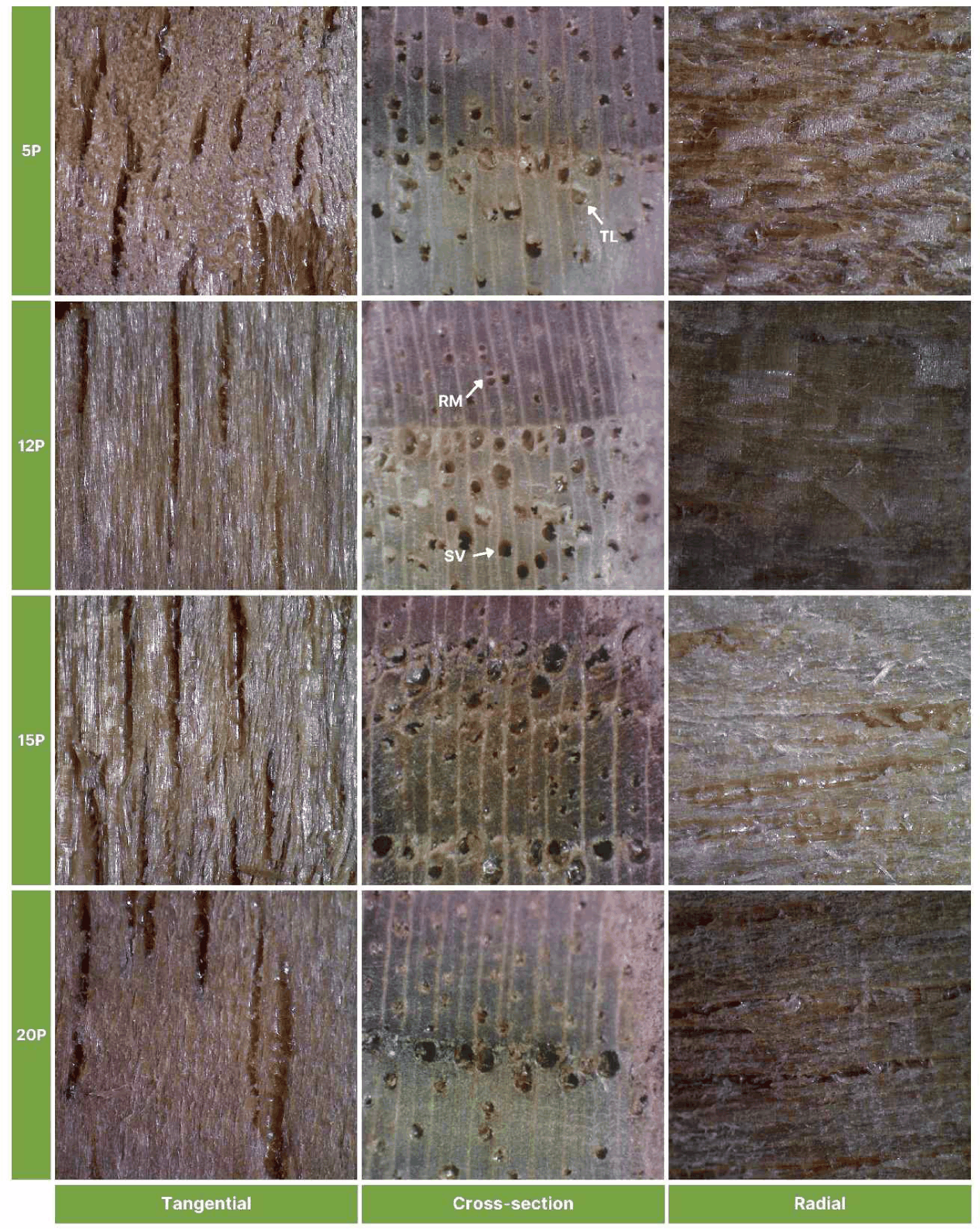
Macroscopic structures were observed following the guidelines of Wheeler et al. (1989) and presented as qualitative data. JPP, growth ring boundaries were generally visible but appeared less distinct compared to conventional teak (Wahyudi et al., 2014). Growth rings in teak were typically demarcated by larger earlywood vessels and marginal parenchyma bands (Rodríguez-Anda et al., 2018). JPP exhibited a ring-porous vessel distribution, suggesting that pores were arranged across the transverse section in concentric zones consisting of alternating large and small vessels. According to Basri and Wahyudi (2013), deposits in JPP were classified as whitish-yellow or yellow, and tyloses were less abundant compared to conventional teak. Similarly, studies on young teak have reported that early-age Tectona grandis wood showed a moderate distribution of vessels and fibers with relatively stable anatomical morphology (Chambi-Legoas and Carpio-Mendoza, 2025), which was commonly recognized as a typical anatomical characteristic of juvenile teak wood. The macroscopic structure of JPP is summarized in Table 4.
Macroscopic observations in this study showed that axial parenchyma arranged in continuous tangential bands was the most consistently observed feature across all populations (Table 3). Fig. 3 provides visual confirmation of these features, including the presence of ring-porous vessels and tyloses, which were distinguishable under macroscopic examination.
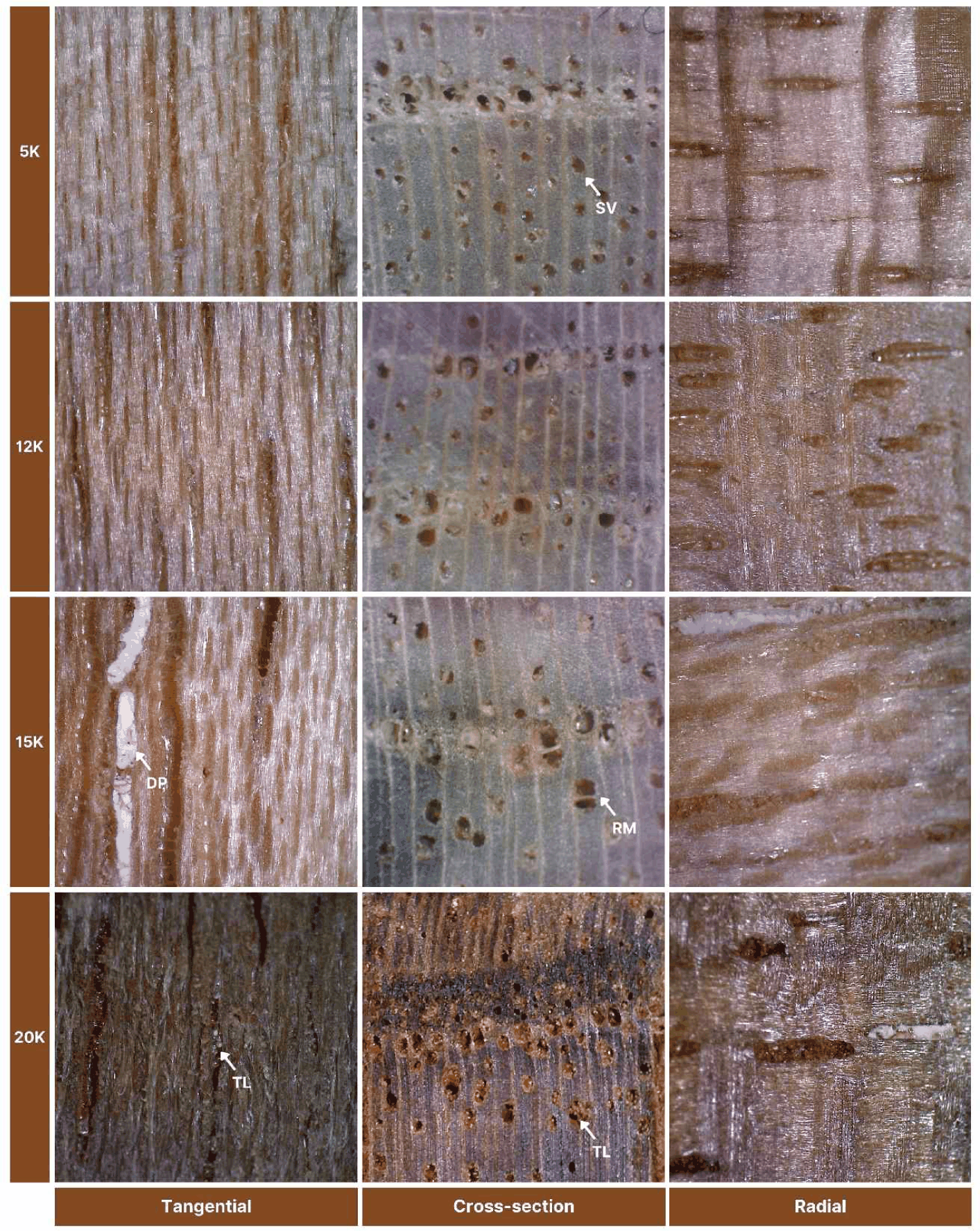
Macroscopic structural observations were conducted following the guidelines of SNI 8491-2018 and presented as qualitative data. In conventional teak, growth ring boundaries were clearly visible. Teak was characterized as semi-ring-porous to ring-porous, with solitary and grouped vessels and paratracheal axial parenchyma (Cardoso et al., 2015). Radial variation commonly showed increasing vessel diameter and fiber wall thickness with cambial age. Conventional teak exhibited a ring-porous vessel distribution, suggesting that pores were arranged across the transverse section in concentric zones consisting of alternating large and small vessels.
Referring to SNI 8491-2018, deposits in conventional teak were classified as white in color, and tyloses were also present within the vessels. This was consistent with the transverse observations, where white deposits were visible in the tangential section along with tyloses. The macroscopic structure of conventional teak is summarized in Table 5. Macroscopic observations showed that conventional teak shared similar features with JPP, but these traits were more distinctly visible. Fig. 4 confirms the macroscopic characteristics of conventional teak, particularly the distinct growth rings, tyloses, and visible white deposits.
This study evaluated the wood color characteristics of teak using the CIELAB system (L*, a*, b*) to compare JPP and conventional teak across age classes ranging from 5 to 20 years. Wood color was an important visual indicator strongly influenced by extractive content and chemical changes occurring during wood differentiation. In the CIELAB system, L* represents lightness (0 = black, 100 = white), a* showed the red–green axis (positive values toward red), and b* showed the yellow–blue axis (positive values toward yellow). The moderate L* values observed in this study showed a medium brightness level, while the positive a* and b* values confirmed the presence of reddish and yellowish tones. Therefore, the wood color of both JPP and conventional teak could be visually described as brown to yellowish-brown, with a tendency toward reddish-brown coloration toward the inner zones.
Measurements presented in Table 6 showed variations in L*, a*, and b* parameters across genetic material, age, and radial position. L* values ranged from 47.33 to 68.67, with a general trend in which sapwood tended to exhibit higher brightness, followed by the middle zone, while pith was the darkest. This pattern, showed in Fig. 5, was consistent with the results of Damayanti et al. (2020) in a 5-year-old JPP. The decrease in brightness was closely related to the accumulation of extractives and lignin in the heartwood, resulting in darker middle and pith regions (Lukmandaru, 2018; Silva et al., 2023). Several studies have also associated increased darkness with enhanced fungal resistance (Lukmandaru, 2018).
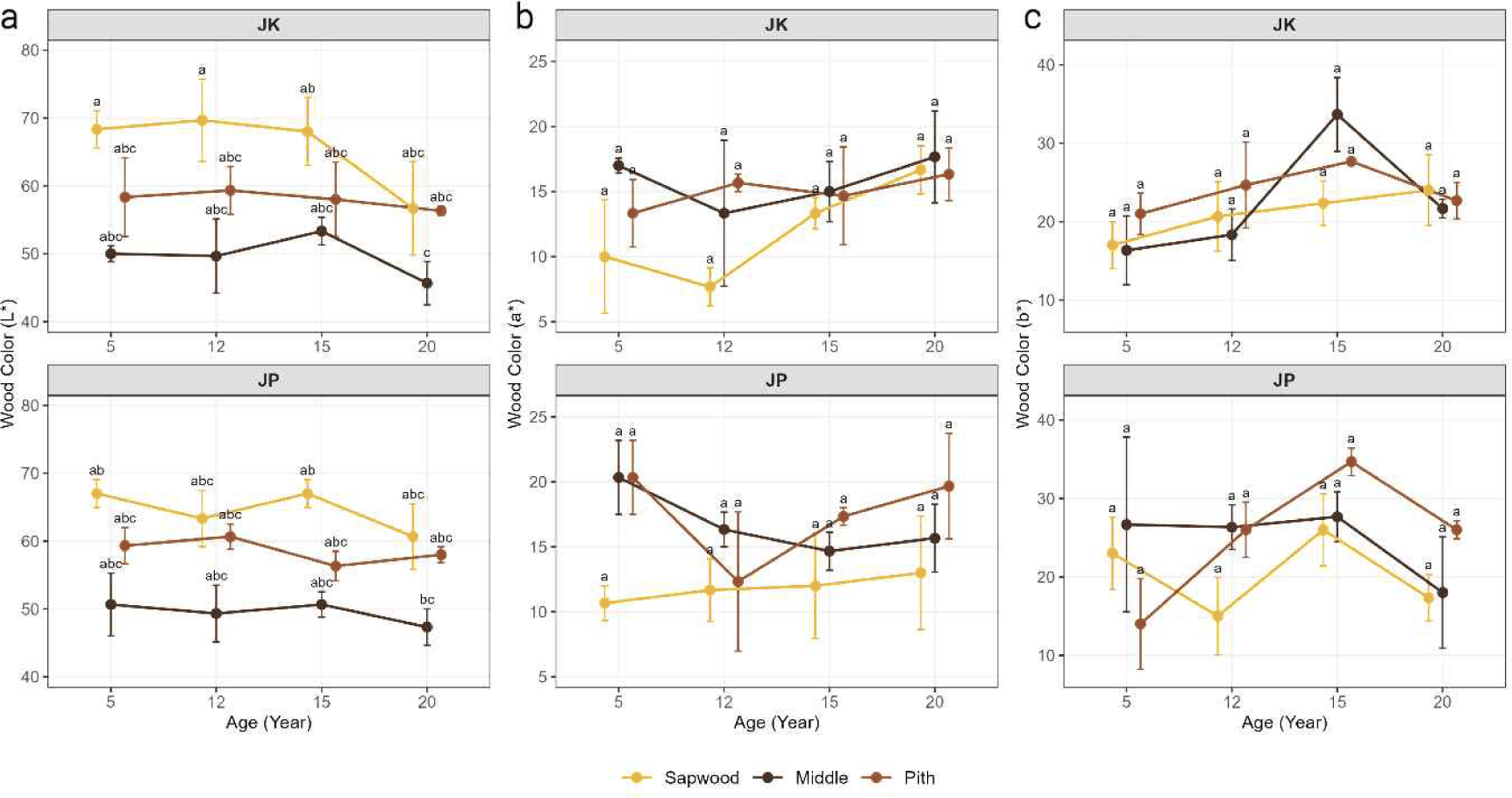
The a* parameter (red–green component) ranged from 7.67 to 20.33, a tendency to increase toward the pith, although variability was observed among age classes. Both middle and pith exhibited higher a* values compared to sapwood across nearly all age classes. This increase in redness was linked to the accumulation of secondary metabolites such as flavonoids, phenylpropanoids, and quinones, which were more abundant in heartwood and contribute to red pigmentation and natural durability (Niamké et al., 2011; Yang et al., 2020). Radial variation was also evident, with a* values increasing from bark toward pith (Campos et al., 2025). Tectoquinone, one of the major extractives, was a key contributor to the characteristic reddish hue of teak (Lukmandaru and Takahashi, 2009).
The b* parameter averaged around 22.92, with lower values observed in sapwood. This pattern was appeared to be more stable in conventional teak compared to JPP, which exhibited greater variation. The increase in b* values toward the middle and pith reflected radial differences in chromophore distribution, particularly phenolic compounds and pigments influencing yellow intensity (Campos et al., 2025; Qiu et al., 2019). Radial variation in flavonoid and quinone composition further explained these differences (Wei et al., 2022).
Comparisons between varieties showed that conventional teak generally had lower L* values (darker) than JPP, particularly in the middle zone, which was the most intensely colored. Both JPP and conventional teak exhibited decreasing brightness with increasing age. JPP showed slightly higher a* and b* values at ages above 15 years. However, these differences were not statistically significant (Table 7), showing that differences between varieties were not statistically significant for all color parameters. These results were consistent with Hidayati et al. (2022), who reported no significant differences in wood color between JPP and conventional teak.
Radial position showed a consistent significant effect, while age significantly influenced b* values. The clear separation among the 3 radial positions in L*, a*, and b* (Fig. 5) suggested that color variation is largely influenced by anatomical differences, extractive distribution, and chemical changes along the radial axis (Silva et al., 2021, 2023). In a recent study, Nugroho et al. (2024) reported lower L* values (33.20–47.66) in 20-year-old JPP, while this study found higher L* values, showing differences in sample conditions. Similar results were reported by Hidayati et al. (2015) in 11–12-year-old samples, with L* values comparable to those observed here.
Overall, the combined data from tables and figures showed that teak wood color between ages 5 and 20 years was primarily influenced by radial position and age, while genetic background effects are relatively minor. The decrease in brightness in inner zones, along with increased redness and yellowness in the middle and pith at older ages, showed the onset of heartwood color formation which may indicate early stages of heartwood color formation. This was consistent with the theory that teak color development was driven by the accumulation of aromatic extractives and phenolic oxidation processes.
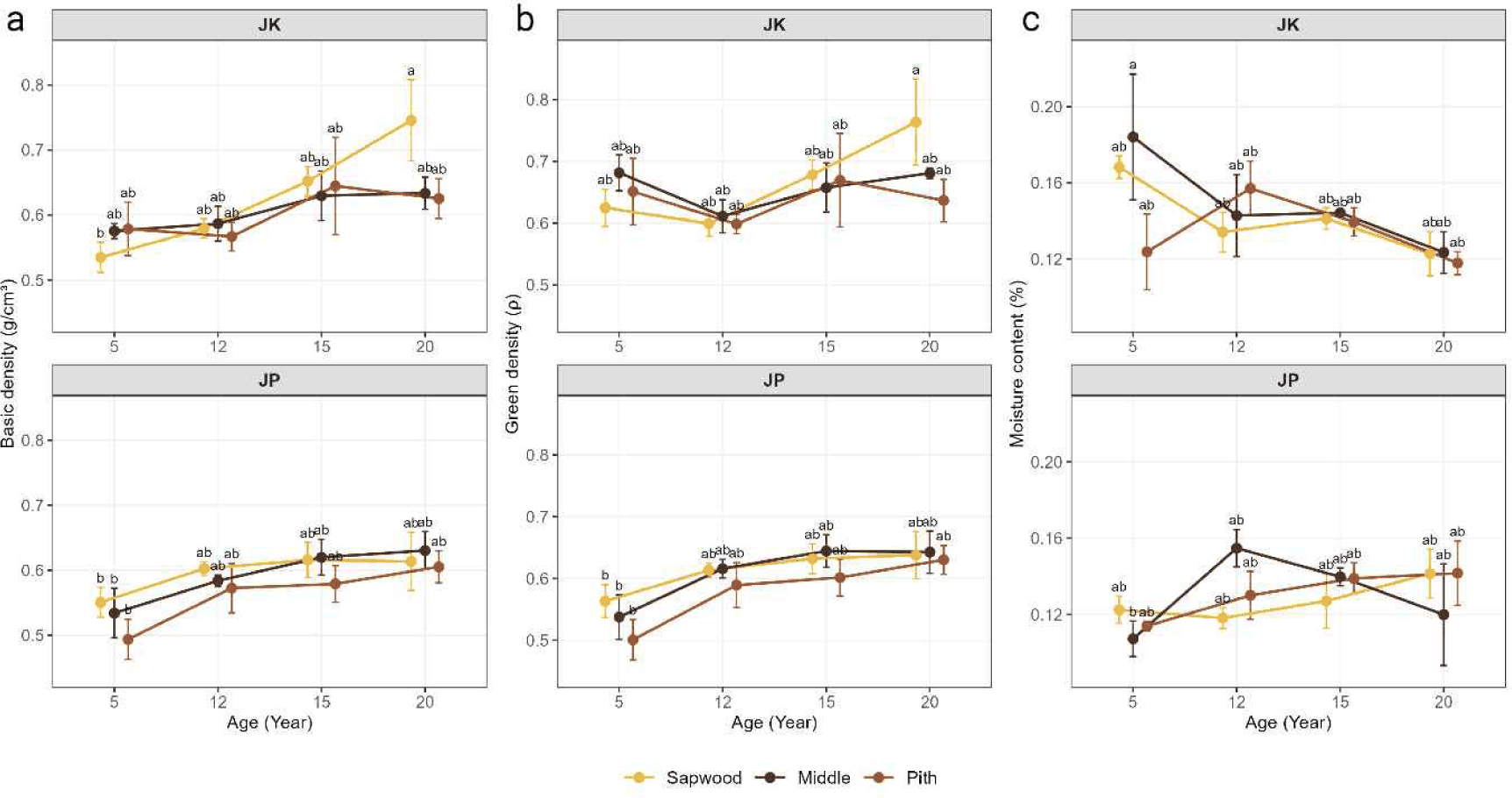
ANOVA presented in Table 8 showed that genetic material and age significantly affected basic density, moisture content, and wood density, while the effect of radial position was not significant. Table 9 showed that the basic density values between JPP and conventional teak were showed moderate differences. JPP exhibited a basic density of 0.49 at 5 years of age, increasing to 0.63 at 20 years, while conventional teak ranged from 0.53 at 5 years to 0.75 at 20 years. The line patterns in Fig. 6 also showed that both varieties followed nearly identical increasing trends across all age groups. Although genetic effects were statistically significant, the magnitude of differences remained relatively small.
The basic density of JPP at 5 years in this study was comparable to the range of 0.43 to 0.64 reported (Chambi-Legoas and Carpio-Mendoza, 2025; Solorzano et al., 2012; Wahyudi and Arifien, 2005) and higher than that of 8-year-old Muna teak (Savero et al., 2020). At 20 years, the basic density of JPP (0.61–0.63) was also higher than the average value of 0.52 reported by Nugroho et al. (2024) for JPP of the same age, and higher than the 0.49 to 0.55 range reported for 15-year-old teak Hidayati et al. (2022). These results showed that at equivalent ages, JPP begins to show wood quality approaching that of conventional teak, with only minor differences. With its superior diameter growth, JPP provides greater volume yield at younger ages.
Age variation showed a consistent pattern in which basic density and density increased with age. Data in Table 8 showed an increase in basic density from 0.49–0.53 in 5-year-old JPP to 0.61–0.63 at 20 years. A similar pattern was observed in conventional teak, from 0.53 to 0.58 at 5 years to 0.63–0.75 at 20 years. This increasing trend was also clearly evident in Fig. 6.
Moisture content exhibited a different pattern. Conventional teak showed a decrease in moisture content with age, while JPP maintained relatively stable values in the range of 11% to 15% across all ages. However, conventional teak moisture content ranged from 12% to 17% at younger ages, decreasing to 4%–6% at 12, 15, and 20 years. This pattern was clearly showed in Fig. 6, where conventional teak showed a declining trend, while JPP remained stable. The decrease in moisture content in conventional teak with increasing age was associated with heartwood formation, which contained higher levels of extractives and generally exhibited lower moisture content than sapwood (Glass and Zelinka, 2010; Jankowska et al., 2017). However, heartwood formation in JPP occurs more slowly, resulting in a higher proportion of sapwood and relatively stable moisture content. The moisture content values obtained in this study were lower than average values reported in other studies for both JPP and conventional teak (Darmawan et al., 2015; Nugroho et al., 2024). This difference was primarily attributed to differences in sampling location, which may have influenced moisture conditions and wood characteristics compared to the reference study. Moisture movement in solid wood was also affected by sample size and radial position within the log, as drying behavior was regulated by internal moisture gradients and anatomical structure (Kim et al., 2017, 2023). Therefore, variations in specimen dimension and sampling position contributed to the moisture content differences observed.
The combined results from tables and figures showed that the physical properties of teak between 5 and 20 years of age were influenced by age, with significant contributions from genetic factors, while genetic differences between JPP and conventional teak did not produce substantial changes in property patterns. The increasing density and basic density observed after 12 years, along with clearer separation among sapwood, middle, and heartwood, suggested that parts of the stem were beginning to enter the structural consolidation phase, although juvenile wood still dominated (Darmawan et al., 2015; Rahayu et al., 2014).
Analysis of physical properties also showed that conventional teak and JPP exhibited different but complementary growth characteristics. Conventional teak showed wider natural variation in basic density, density, and moisture content, reflecting genetic heterogeneity and growth conditions. However, JPP showed more stable and uniform increases in physical properties across ages and radial positions, consistent with the characteristics of genetically selected material. These differences did not show absolute superiority of one over the other but suggested that JPP had more stable and predictable potential as planting material capable of producing more predictable wood quality, making it a suitable alternative or complement to conventional teak. Both sources of planting material hold their respective importance, with JPP offering better quality consistency at younger ages, along with the advantage of higher volume yield.
This study showed that age had a stronger influence than genetic differences in determining the physical properties of teak between 5 and 20 years. Although JPP was characterized as a fast-growing clonal material, its macroscopic structure and overall physical property patterns were comparable to those of conventional teak across age classes and radial positions. These results suggested that accelerated growth in JPP did not fundamentally alter wood structural characteristics within the observed rotation period. The increase in specific gravity and green density after 12 years, along with clearer differentiation among pith, middle, and sapwood, showed progressive structural development of the stem. Similar age-related increases in wood density and improvement in quality parameters have been reported in teak plantations (Lukmandaru and Takahashi, 2009). These results implied that wood quality evaluation in JPP breeding programs must not rely solely on early growth performance but must include assessments at later developmental stages when density stabilization begins.
Although JPP exhibited relatively lower specific gravity at younger ages, the differences diminished with increasing age. Previous studies have showed that fast-growing teak clones could maintain acceptable wood quality when appropriate selection strategies were applied (de Souza et al., 2024). In addition to age effects, previous studies on clonal teak have shown that silvicultural practices such as thinning and pruning influenced moisture-related properties and shrinkage without substantially altering basic density, highlighting that wood quality development was shaped by both biological maturation and stand management (Seta et al., 2023). Therefore, future JPP breeding programs must adopt a balanced selection approach that integrated growth rate with periodic evaluation of wood physical properties. Such a strategy could support optimal rotation age determination, improve wood quality consistency, and enhance the long-term sustainability of JPP deployment.
4. CONCLUSIONS
In conclusion, wood anatomical observations show that conventional teak exhibits several macroscopic features more distinctly, such as growth ring boundaries, deposits, and a more decorative visual appearance accumulated during its longer period of growth. In contrast, JPP showed more uniform and homogeneous characteristics, consistent with the properties of genetically selected material. Wood color analysis shows that both varieties have relatively comparable color characteristics, with variation more strongly influenced by radial position and age rather than genetic differences. Based on the basic density values obtained from the physical property evaluation, both varieties are classified within strength class II–III (PKKI NI-5; BSN, 1991). Although conventional teak exhibits slightly higher basic density in some parameters, the physical performance of JPP increasingly approaches that of conventional teak with age.
The JPP breeding program has successfully produced fast-growing trees with competitive wood quality comparable to conventional teak at the same ages. Based on these results, future breeding strategies for JPP must integrate growth performance with systematic evaluation of basic density and other wood quality parameters at appropriate developmental stages. Due to the strong age-related influence observed, selection decisions must not rely solely on early diameter growth but also consider wood property stabilization after approximately 12 years. Such an approach can support balanced genetic improvement, optimize rotation age, and ensure the sustainable deployment of JPP for industrial plantation development.