1. INTRODUCTION
Drywood termites, particularly Cryptotermes cynocephalus, are major structural pests in Indonesia and other tropical regions and cause substantial economic losses amounting to billions of rupiah annually (Subekti and Fadhila, 2023). Comparable distribution patterns and structural concerns have been reported in East Asia (Kim et al., 2024). Their cryptic nesting behavior, ability to thrive on low-moisture substrates, and slow detection rates pose major challenges for early intervention (Meisyara et al., 2021). In many regions, wood protection relies heavily on synthetic preservatives such as creosote, pentachlorophenol (PCP), and copper-chromium-arsenate. These compounds are persistent and environmentally hazardous, and their use is increasingly restricted because of documented toxicological risks (Meisyara et al., 2021). PCP is regulated under the Stockholm Convention on Persistent Organic Pollutants because of its extreme environmental stability and bioaccumulation potential (Emenike et al., 2024). These concerns highlight the need to develop more biodegradable and safer termite-control methods.
The diverse biological activities of plant secondary metabolites and their generally favorable environmental profiles have drawn increasing attention to botanical termiticides. Previous research has shown that several phytochemicals exert antifeedant, toxic, and enzyme-inhibitory effects on insects (Isman, 2020; Regnault-Roger et al., 2012). Several plant-derived extracts have demonstrated activity against Cryptotermes species, indicating their potential for natural drywood termite control. Dioscorea bulbifera L. possesses pesticidal, antimicrobial, and insecticidal properties. These activities are associated with phytochemical groups such as flavonoids, alkaloids, and diterpenoids, including diosbulbins (Zalsabila et al., 2024). Although these compounds were not directly characterized or quantified in the present study, their presence in the genus supports the biological plausibility of insecticidal activity. In addition, D. bulbifera leaf extract has been reported to decrease feeding activity and increase mortality in C. cynocephalus (Oksari et al., 2025a, 2025b). Nevertheless, these studies did not establish a concentration-response relationship or standardized toxicity measurements. Despite the reported presence of bioactive phytochemicals in Dioscorea, quantitative LC benchmarking and polarity-based fraction comparisons are needed to clarify their experimentally observable relevance within the defined methodological limits.
To date, lethal concentration thresholds (LC10–LC90) for D. bulbifera leaf extract against drywood termites have not been reported, limiting quantitative assessment and cross-study comparison of its toxicological performance. In addition, the influence of solvent polarity on fraction-specific termiticidal activity has not been systematically evaluated, and comparative toxicity data across extract fractions remain unavailable. Although extract polarity is frequently discussed in relation to biological activity, an experimentally supported link between polarity and measured termiticidal efficacy in D. bulbifera has not yet been clarified. Scanning electron microscopy (SEM) has also been applied in termite studies to observe surface microstructural changes and feeding traces. However, SEM observations provide descriptive information on substrate morphology and do not directly demonstrate chemical interactions between plant extracts and cellulose. Consequently, an integrated approach that combines LC-based toxicity measurements, fraction comparisons, and surface microstructural observations remains underexplored. Taken together, these limitations constrain quantitative benchmarking, inter-fraction comparisons, and polarity-based interpretations of termiticidal performance.
Accordingly, this study aimed to determine the LC10–LC90 values of D. bulbifera leaf extract against C. cynocephalus, compare mortality patterns and feeding-related responses across concentration gradients and extract fractions, and describe the surface microstructural features of treated paper substrates using SEM. The findings provide quantitative and descriptive evidence addressing the identified gaps without extending the interpretation beyond the experimental scope. Collectively, these results provide a scientific basis for further evaluation of D. bulbifera as a potential botanical termiticidal resource.
2. MATERIALS and METHODS
Fresh leaves of Dioscorea bulbifera were randomly collected from the area surrounding the Bogor Botanical Gardens, BRIN (Bogor, West Java, Indonesia; 6.603095oS, 106.796183oE). Methanol, n-hexane, and ethyl acetate (technical grade) were used for extraction and fractionation. The bioassay used filter paper bait (4 × 4 cm), technical-grade Tween 80, acetone, and drywood termites (C. cynocephalus Light) obtained from the Bogor Central Laboratory for Standardization of Sustainable Forest Management Instruments (KLHK).
A total of 15 kg of fresh D. bulbifera leaves were cleaned, cut into small pieces, and air-dried before oven-drying at 60°C for 72 h. The dried material was ground and sieved through a 40-mesh screen to obtain a homogeneous powder. A total of 1.4 kg of powder was obtained and used for extraction (Oksari et al., 2021).
Water content was determined in accordance with the revised SNI 01-3182-1992 standard. D. bulbifera leaves were weighed to approximately 2 g (mo), placed in a Petri dish, and oven-dried at 103 ± 2°C for 5 h, as this temperature range ensures complete removal of free moisture while minimizing thermal degradation of plant matrices. After approximately 15 min in a desiccator, the sample was weighed to determine its final mass (mL). The percentage of water in each sample was calculated using the following formula:
where m0 = initial weight (g); m1 = weight after drying (g).
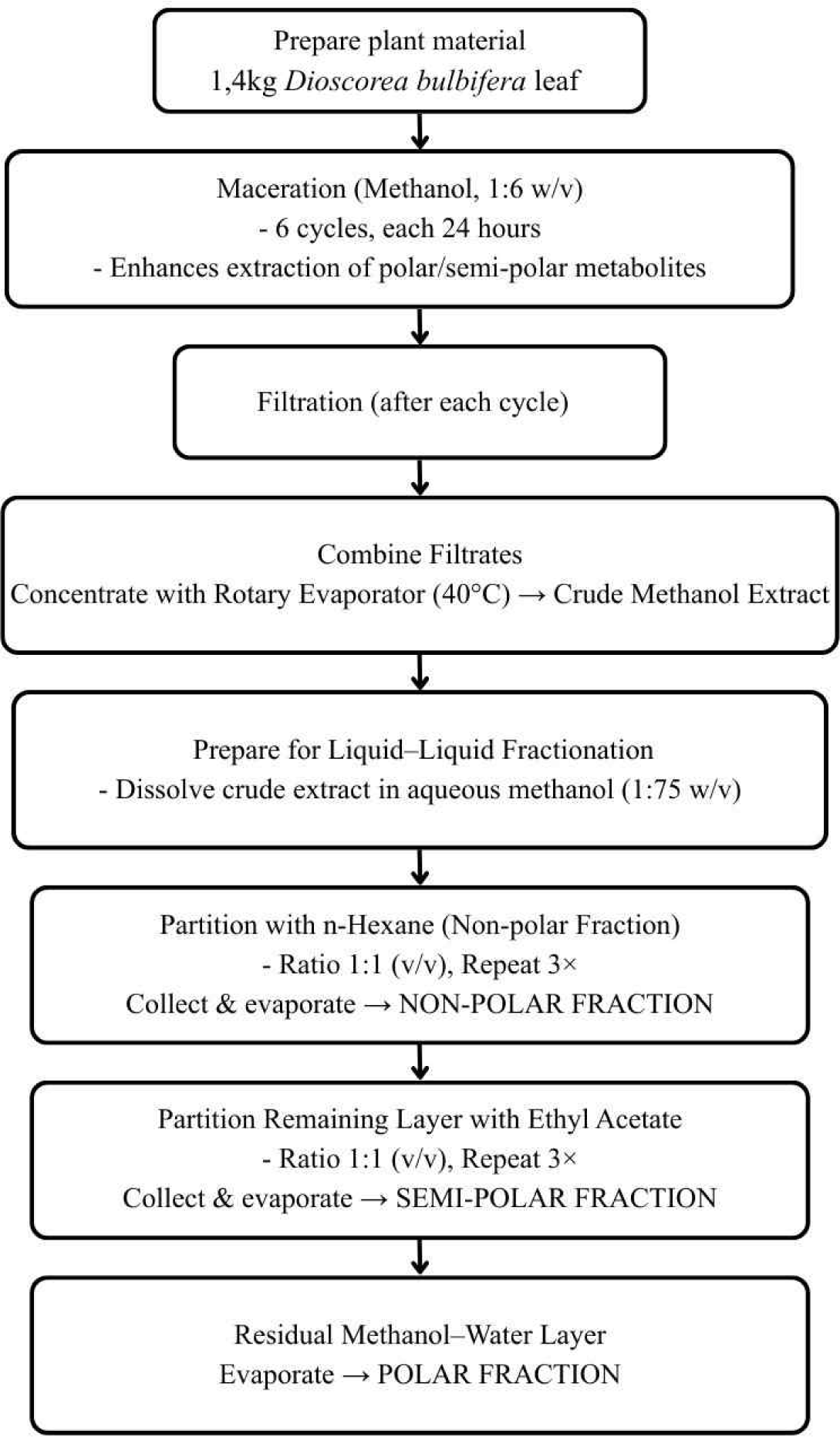
A total of 1.4 kg of D. bulbifera leaf simplicia was macerated with methanol at a solvent-to-material ratio of 1:6 (w/v). This ratio was selected because it provides optimal solvent penetration into the dried leaf matrix and has been widely reported to enhance the recovery of polar and semi-polar secondary metabolites in Dioscorea species. The maceration process was performed for six consecutive 24-h cycles, as preliminary laboratory extraction trials showed that metabolite yield increased substantially through the sixth cycle and then plateaued. This approach is consistent with previously published maceration protocols for Dioscorea spp. and other phenolic-rich medicinal plants. After each 24-h cycle, the mixture was filtered, and the combined filtrates were concentrated using a rotary evaporator at 40°C to obtain the crude methanol extract. The crude extract was then subjected to liquid-liquid fractionation using a separating funnel. Sequential partitioning was performed using non-polar (n-hexane), semi-polar (ethyl acetate), and polar (aqueous methanol, 4:1) solvents. This progressive separation process is illustrated in Fig. 1. For partitioning, the methanol extract was gradually dissolved in aqueous methanol at a ratio of 1:75 (w/v) to ensure complete dissolution. The solution was then partitioned three times with n-hexane (1:1, v/v) to obtain the non-polar fraction. The remaining methanol-water layer was subsequently partitioned three times with ethyl acetate (1:1, v/v) to produce the semi-polar fraction. Subsequently, all resulting fractions were evaporated at 40°C to eliminate residual solvent and were labeled as polar, semi-polar, and non-polar fractions (Oksari et al., 2025a).
The surface morphology of the filter-paper bait was examined using a JEOL JSM IT200 SEM. Before imaging, each sample was cut into small pieces (approximately 0.5 × 0.5 cm) and oven-dried at 40°C. The samples were mounted on aluminum stubs and coated with a thin layer of gold (approximately 10 nm) to enhance surface conductivity. Three independent replicates were prepared for each treatment group.
To ensure representative analysis, three randomly selected imaging areas were examined for each replicate. Observations were conducted under controlled laboratory conditions. SEM imaging was performed in secondary electron mode for surface morphology and backscattered electron mode for contrast based on elemental distribution. Magnifications ranging from 50 × to 500 × were used to document microstructural alterations and feeding traces.
Energy-dispersive X-ray (EDX) spectroscopy was performed at selected points within the imaged regions to determine elemental composition. SEM-EDX observations were used solely to describe surface characteristics and elemental distribution, without inferring chemical bonding or interactions between the extract components and cellulose or lignin (Nasser et al., 2024).
Testing was conducted using drywood termites, C. cynocephalus, from the Bogor Central Laboratory for the Standardization of Sustainable Forest Management Instruments of the Ministry of Environment and Forestry (KLHK). Twenty-five worker-caste termites were used in each replicate for all treatments. The selected termites were healthy, active, and approximately the same size (Zulkahfi et al., 2017).
Filter papers (4 cm × 4 cm) were prepared as the test media, with five replicates per treatment. The papers were soaked in each extract fraction at concentrations corresponding to LC10, LC30, LC50, LC70, and LC90 and then air-dried at room temperature (approximately 25°C) until no excess solution remained. The dried paper was placed in individual Petri dishes. A total of 25 worker termites (C. cynocephalus), which were active, healthy, and relatively uniform in size, were introduced into each Petri dish. All test samples were maintained under dark conditions for 30 days following a laboratory bioassay procedure adapted from previous studies (Azis et al., 2013; Badan Standardisasi Nasional, 2014; Oksari et al., 2025a; Zulkahfi et al., 2017) and modified from the general testing framework described by Badan Standardisasi Nasional (2014).
Three types of fractions (polar, semi-polar, and non-polar) were tested at five concentrations corresponding to their previously determined LC10, LC30, LC50, LC70, and LC90 values using a filter-paper contact bioassay. Wood substrates were not used in this experiment, and no retention measurements were conducted. To prepare the polar fraction stock solution, 5.06 g of the polar fraction was dissolved in a mixture of 7 mL of 0.5% Tween 80 and 18 mL of acetone and then diluted with distilled water to a final volume of 55 mL, yielding a concentration of 9.19%. Subsequent dilutions with distilled water produced concentrations of 4.69%, 3.20%, 2.25%, and 1.43%. The semi-polar fraction stock solution was prepared by dissolving 3.68 g of the fraction in 6 mL of 0.5% Tween 80 and 17 mL of acetone, then diluting the mixture to 50 mL with water to yield 7.35%, followed by further dilutions to 3.78%, 2.59%, 1.82%, and 1.17%. The non-polar fraction stock solution was prepared by dissolving 4.32 g of the fraction in 7 mL of 0.5% Tween 80 and 18 mL of acetone, then diluting the mixture to 55 mL with water to obtain 7.85%, followed by further dilutions to 4.21%, 2.96%, 2.13%, and 1.40%. The control treatment consisted of 8 mL of distilled water, 2 mL of 0.5% Tween 80, and 5 mL of acetone. Each treatment and control group had five replicates. For each replicate, 25 worker termites were placed in a Petri dish containing treated filter paper, and mortality was observed daily for 30 days. All observations in this assay were limited to mortality- and feeding-related effects on filter paper, without assessing extract retention or wood protection performance (Asmaliyah et al., 2010; Oksari et al., 2025a).
Previous studies have reported the activity of D. bulbifera leaf extract against drywood termites based on mortality- and feeding-related parameters, including substrate weight loss and relative damage indices (Oksari et al., 2023). In the present study, all evaluations were conducted using a filter-paper contact bioassay, and no measurements of extract retention or wood protection performance were performed. Therefore, all damage-related parameters refer exclusively to feeding effects on filter-paper substrates. The degree of damage reflects relative changes in substrate consumption. It is expressed as an index value derived from weight-loss measurements, which may exceed 100 depending on the comparative differences between treated and control substrates (Azis et al., 2013).
According to Azis et al. (2013), termite mortality was calculated as the percentage of dead termites relative to the original number introduced into each experimental unit. Mortality rates were recorded daily over the 30-day observation period.
Termites were considered dead when no movement was observed after gentle stimulation with a fine brush.
Information: TM = termite mortality (%); D = number of dead termites; F = number of termites before feeding.
Substrate weight loss was determined by measuring the reduction in filter paper weight after termite exposure. Filter papers were air-dried at room temperature (approximately 25°C) to a constant weight before weighing. Weight reduction was calculated using the following equation:
Information: WR = weight reduction (%); W1 = air-dry weight of filter paper before feeding (g); W2 = air-dry weight of filter paper after feeding (g).
The degree of damage was expressed as a relative damage index based on weight loss comparisons between treated and untreated filter-paper substrates, as described by Azis et al. (2013). This index provides a comparative measure of feeding-related damage under the applied treatment conditions and does not imply absolute material degradation or protective performance. The degree of damage was calculated as follows:
Information: Dd = degree of damage (%); RWa = weight loss of the preserved test sample (%); RBta = weight loss in control or unpreserved test samples (%).
All bioassays were conducted using a fixed number of 25 worker termites per replicate, as specified in the experimental design. Concentration levels for each extract fraction were selected based on their respective LC10–LC90 values. The concentration ranges differed among fractions. Comparisons among fractions were therefore interpreted in terms of relative biological responses at fraction-specific LC levels rather than direct comparisons at identical nominal concentrations; this limitation was considered in the analysis and interpretation of the results.
The experiment was conducted using a completely randomized factorial design. Analysis of variance (ANOVA) was used to assess termite mortality, material weight loss, and damage levels. All statistical analyses were conducted using STAR (Statistical Tools for Agricultural Research) software. The significance level for the F-test was set at 5% (α = 0.05). If significant differences were found, mean values were analyzed at the same significance threshold using the Duncan multiple range test (DMRT).
Using the method described by Azis et al. (2013), termite mortality was calculated by comparing the number of dead termites with the original total number introduced into each experimental unit. Mortality observations were conducted daily for 30 days. When control mortality ranged from 5% to 20%, the data were corrected using the Abbott formula to account for natural mortality (Abbott, 1925).
Substrate weight loss (%) was determined by comparing the air-dried weight of filter paper before and after termite exposure under laboratory conditions (approximately 25°C), as previously described. Weight measurements were used to quantify feeding-related substrate consumption.
The degree of damage was expressed as a relative damage index derived from weight loss comparisons between treated and untreated (control) filter-paper substrates, as described by Azis et al. (2013). This index reflects the relative intensity of feeding damage under the treatment conditions. It was calculated as the percentage difference in weight loss between treated and control samples. The damage index is a comparative measure and does not represent absolute material degradation or protective performance.
No retention measurements were performed in this investigation because wood substrates were not used. As a result, all statistical analyses and interpretations included only feeding-related metrics and mortality rates observed on filter-paper substrates.
3. RESULTS and DISCUSSION
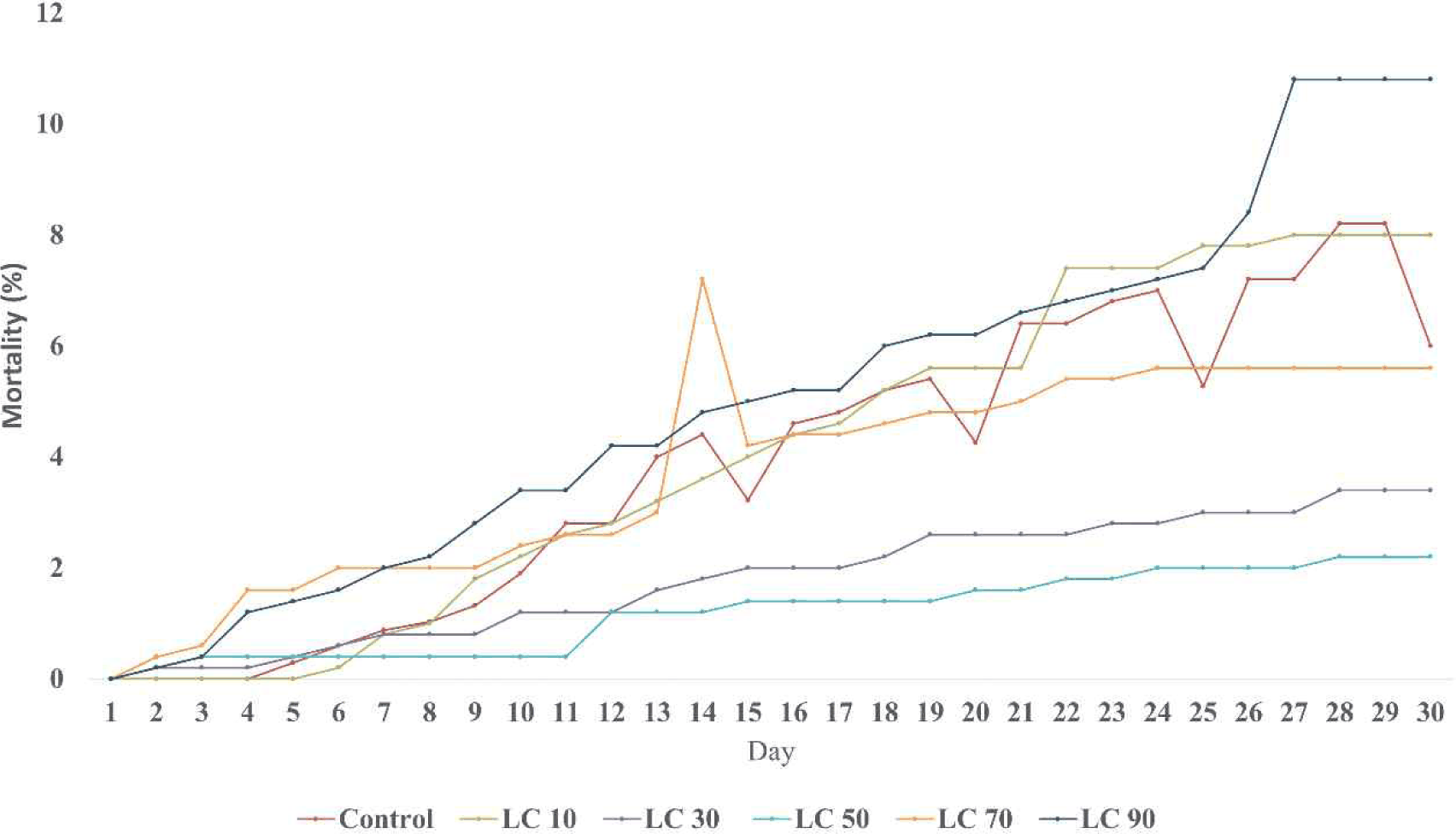
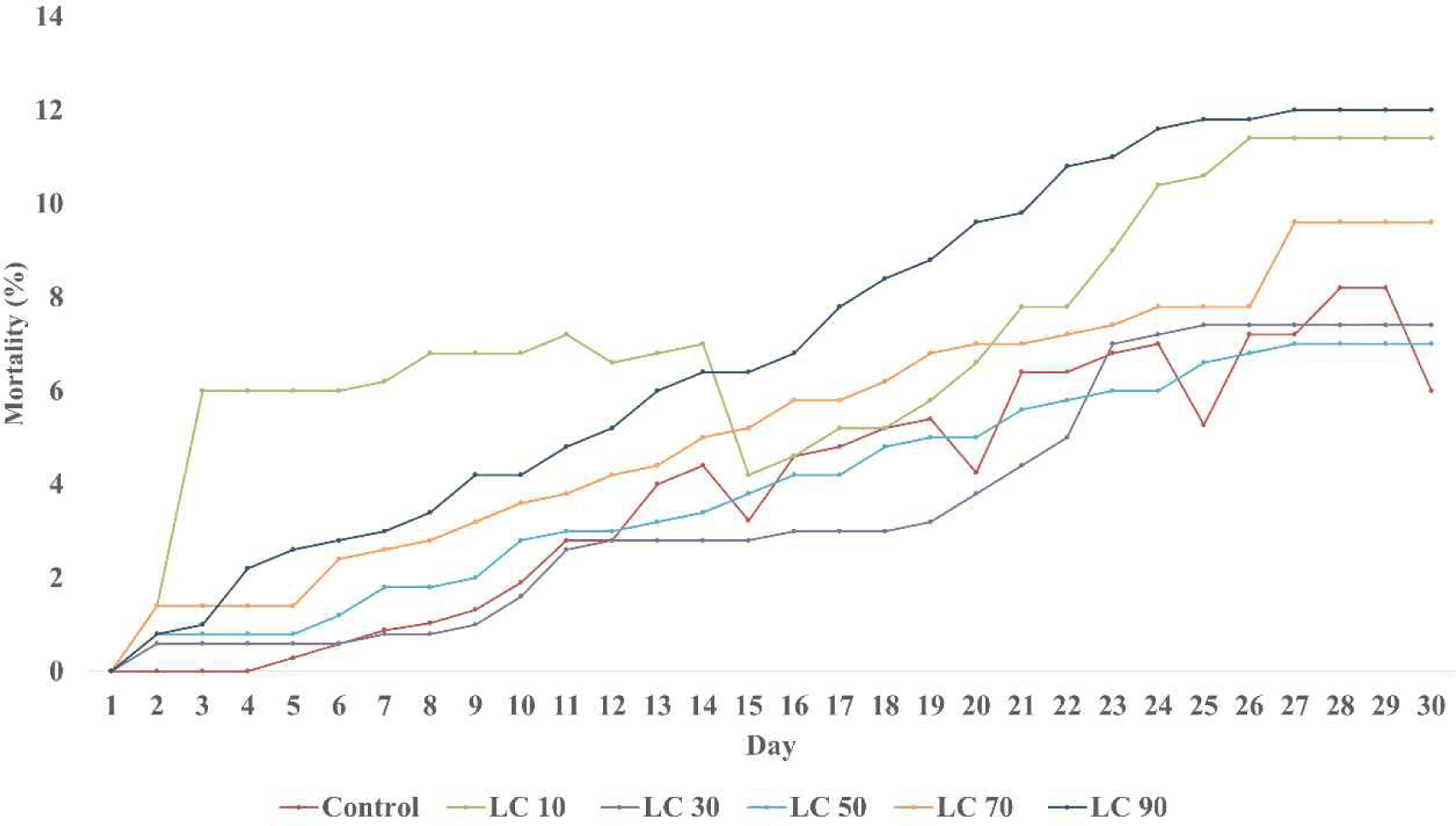
The concentrations shown in Figs. 2–4 correspond to experimentally determined LC response levels (LC10, LC30, LC70, and LC90), derived from probit analysis of preliminary toxicity assays. Accordingly, cross-fraction comparisons were based on biologically equivalent toxicity response levels rather than identical nominal concentrations, allowing relative fraction performance to be evaluated within a toxicologically comparable framework.
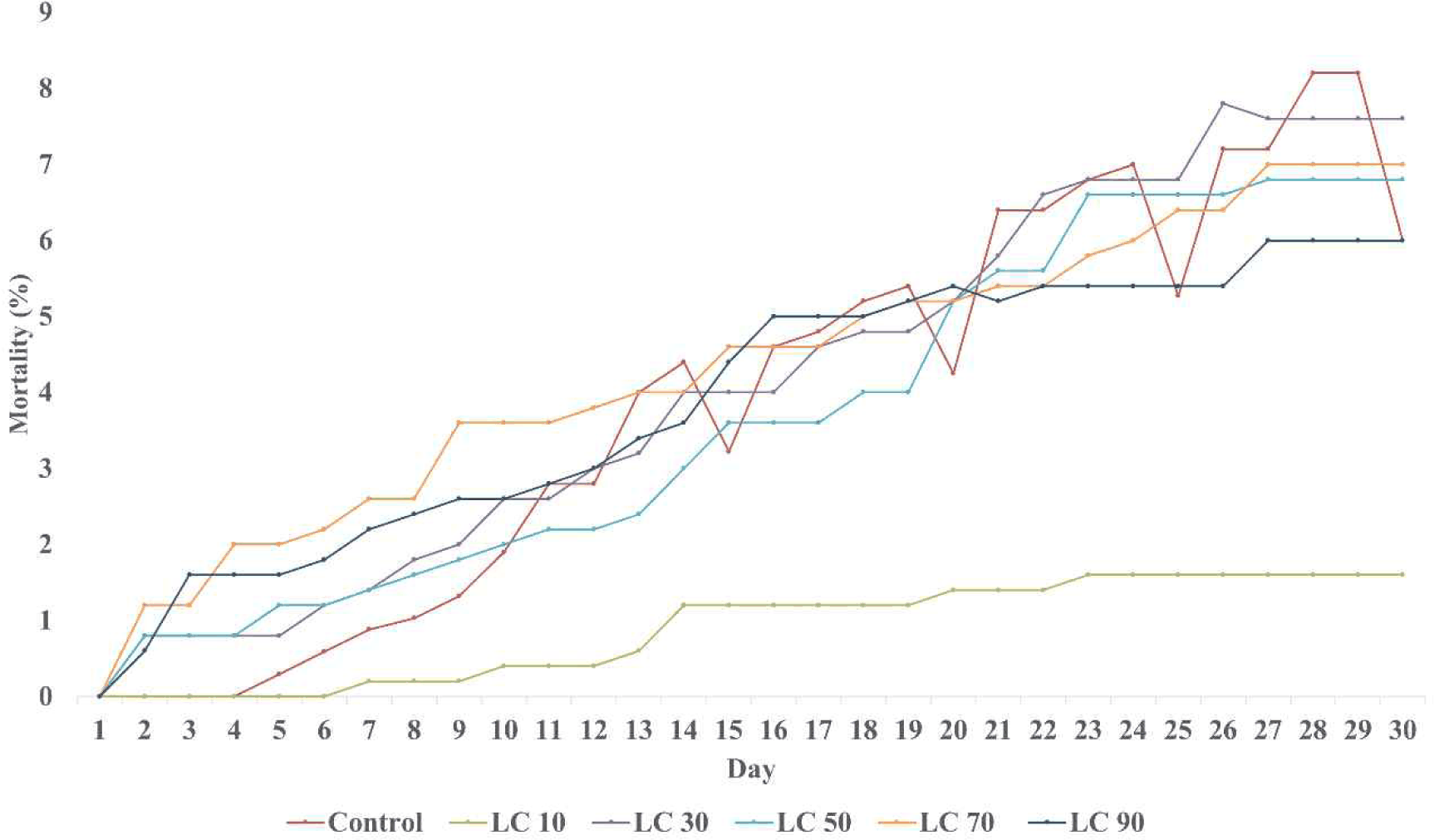
Over the 30-day observation period, Fig. 2 illustrates the mortality pattern of C. cynocephalus exposed to the non-polar fraction of D. bulbifera leaf extract. Mortality rates began to increase after day 5 but stabilized by day 30. LC30 had the highest final mortality rate (30.4%), with mortality ranging from 6.4% to 30.4%. The low and slowly increasing mortality rates at all concentrations indicated relatively low toxicity of the non-polar component across the studied range. This pattern suggests that the non-polar fraction had low toxicity that increased gradually. The low mortality rate of the non-polar fraction was consistent with previous studies, indicating that non-polar plant fractions may exhibit inconsistent or reduced anti-termite activity in laboratory settings (Patel and Narasimhacharya, 2024). Based on interpretations from earlier studies, this outcome may be associated with the physicochemical behavior of non-polar constituents, including reported interactions with lipid-rich insect cuticles and potentially limited dispersion in cellulose-based test media (Yoon and Tak, 2023). These explanations are speculative and are cited here to provide contextual interpretation rather than mechanistic evidence derived from the present study. In addition, because limited dispersion in cellulose-based substrates can reduce termite contact with active ingredients, the carrier medium may affect the effectiveness of non-polar ingredients in bioassays.
Mortality rates in the polar fraction (Fig. 3) ranged from 10.4% to 40.8%, with LC90 producing the highest mortality at 30 days. Beginning around day 10, mortality rates gradually increased, suggesting a delayed but significant toxic response under the experimental conditions. This temporal pattern represents the observed bioassay outcomes. Based on interpretations proposed in previous studies, delayed mortality responses to polar hydrophilic plant constituents have been hypothesized to be associated with prolonged exposure, including metabolic stress and physiological disruption (Isman, 2020; Pereira et al., 2024; Riddick, 2024). This suggested mechanism is presented here as a literature-based hypothesis rather than evidence derived from available data and was not directly examined in this study.
The highest mortality rates were observed in the semi-polar fraction (Fig. 4), peaking at LC90 and ranging from 28.0% to 48.0%. From day 10 to day 30, mortality rates increased steadily and followed a consistent trend across all replicates. According to earlier research, physicochemical characteristics, such as improved dispersion or stability in cellulose-based media, may increase the biological activity of plant-derived fractions with intermediate polarity (Cui et al., 2019; Isman, 2020; Kosini et al., 2021). However, these interpretations remain hypothetical in this study because diffusion behavior, stability, and physiological effects were not experimentally evaluated.
Based on relative effectiveness, the semi-polar fraction was more toxic than the polar fraction. Differences in mortality among fractions were consistent with the general polarity-dependent behavior reported for botanical extracts (Putri et al., 2025). Previous studies have associated the more persistent toxic effect of semi-polar fractions with improved stability and dispersion within cellulose-based media for plant-derived fractions of comparable polarity (Khademibami and Bobadilha, 2022; Messaoudi et al., 2020).
Across all fractions, the mortality curves showed a consistent time-dependent pattern characterized by (i) a low rate of daily mortality increase during days 1–5, (ii) a higher rate of increase between days 10 and 20, and (iii) a subsequent reduction in slope toward day 30. These time-dependent patterns are described here as observational temporal trends, identified through visual inspection of mortality curves and relative changes in daily mortality (Δ mortality/day), and are not intended to represent defined toxicological phases derived from the present dataset (Bakaruddin and Majid, 2019; Majeed et al., 2020).
Taken together, these observations are consistent with interpretations suggesting that fraction polarity may influence the persistence and accessibility of active constituents in the test environment under bioassay conditions. The semi-polar fraction showed the most pronounced mortality profile among all tested fractions.
SEM was performed on filter-paper baits treated with D. bulbifera extract fractions to complement the mortality and damage tests. Baits were selected based on the highest mortality rate observed for each solvent fraction (methanol, ethyl acetate, and n-hexane). SEM analysis focused on physical alterations in the cellulose fiber structure after termite feeding.
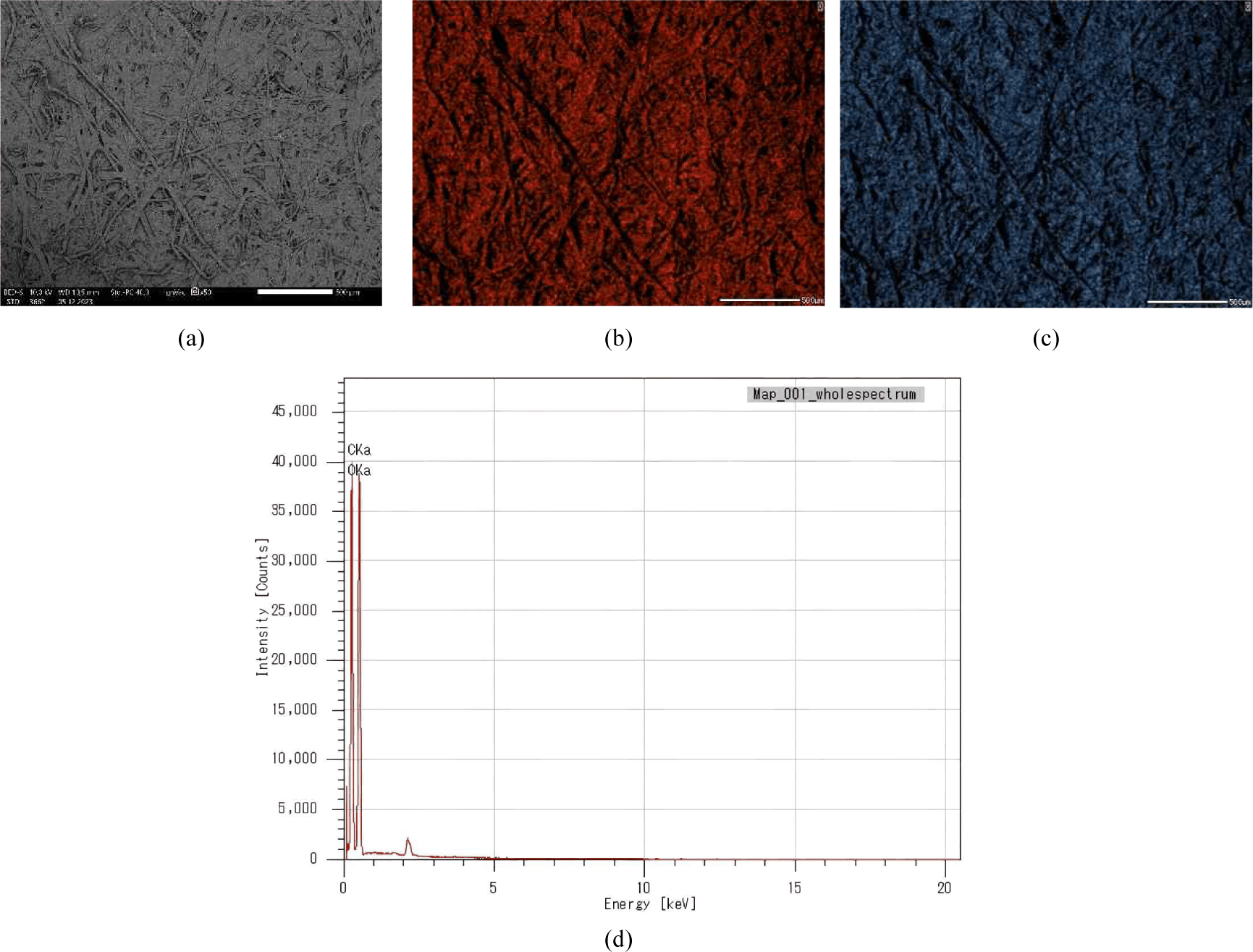
EDX analysis of control samples showed that carbon (C) and oxygen (O) were the main elements on the material surface, accounting for 44.53 ± 0.05 mass% C and 55.47 ± 0.11 mass% O, with no other significant inorganic elements detected (Table 1, Fig. 5). These values primarily reflect the organic nature of cellulose-based filter paper and the hydroxyl groups in cellulose (Heise et al., 2022). In the control treatment, termites exhibited low or negligible mortality and consistent feeding activity, indicating that the substrate itself did not cause toxic effects (Ali et al., 2019; Arora et al., 2022; Moreira et al., 2021; Salem et al., 2020).
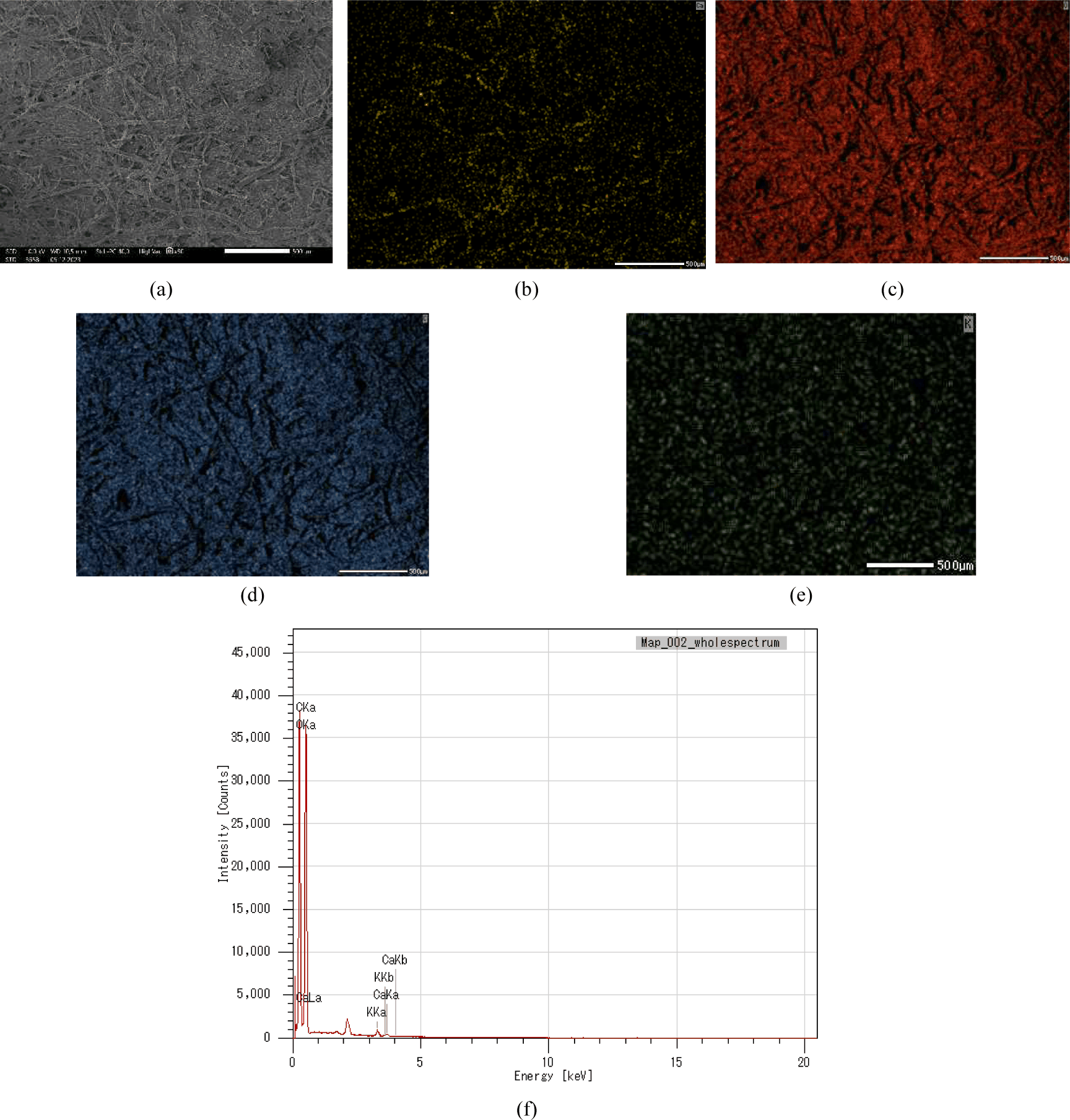
SEM-EDX analysis of the methanol (polar) fraction showed minor changes in the relative abundances of carbon and oxygen compared with the control, accompanied by the appearance of potassium and calcium on the substrate surface (Table 1, Fig. 6). The observed differences in elemental composition correlated with the higher termite mortality in this fraction (Table 2), which was second only to that of the ethyl acetate fraction. The solvent properties of the methanol fraction enabled the extraction of multiple polar compounds, including mineral-associated constituents, which may indirectly affect termite feeding behavior and survival (Chukwulobe and Echezona, 2025; Nasser et al., 2024). Compared with the control, SEM images revealed a more heterogeneous surface morphology, suggesting the deposition of organic constituents on the substrate surface.
LC10–LC90 values represent the actual extract concentrations used in the bioassay, as determined from probit analysis of preliminary toxicity tests. For the polar (methanol) fraction, LC10 = 1.43 mg/mL, LC30 = 2.25 mg/mL, LC50 = 3.20 mg/mL, LC70 = 4.69 mg/mL, and LC90 = 9.19 mg/mL. For the semi-polar (ethyl acetate) fraction, LC10 = 1.17 mg/mL, LC30 = 1.82 mg/mL, LC50 = 2.59 mg/mL, LC70 = 3.78 mg/mL, and LC90 = 7.35 mg/mL. For the non-polar (n-hexane) fraction, LC10 = 1.40 mg/mL, LC30 = 2.13 mg/mL, LC50 = 2.96 mg/mL, LC70 = 4.21 mg/mL, and LC90 = 7.85 mg/mL.
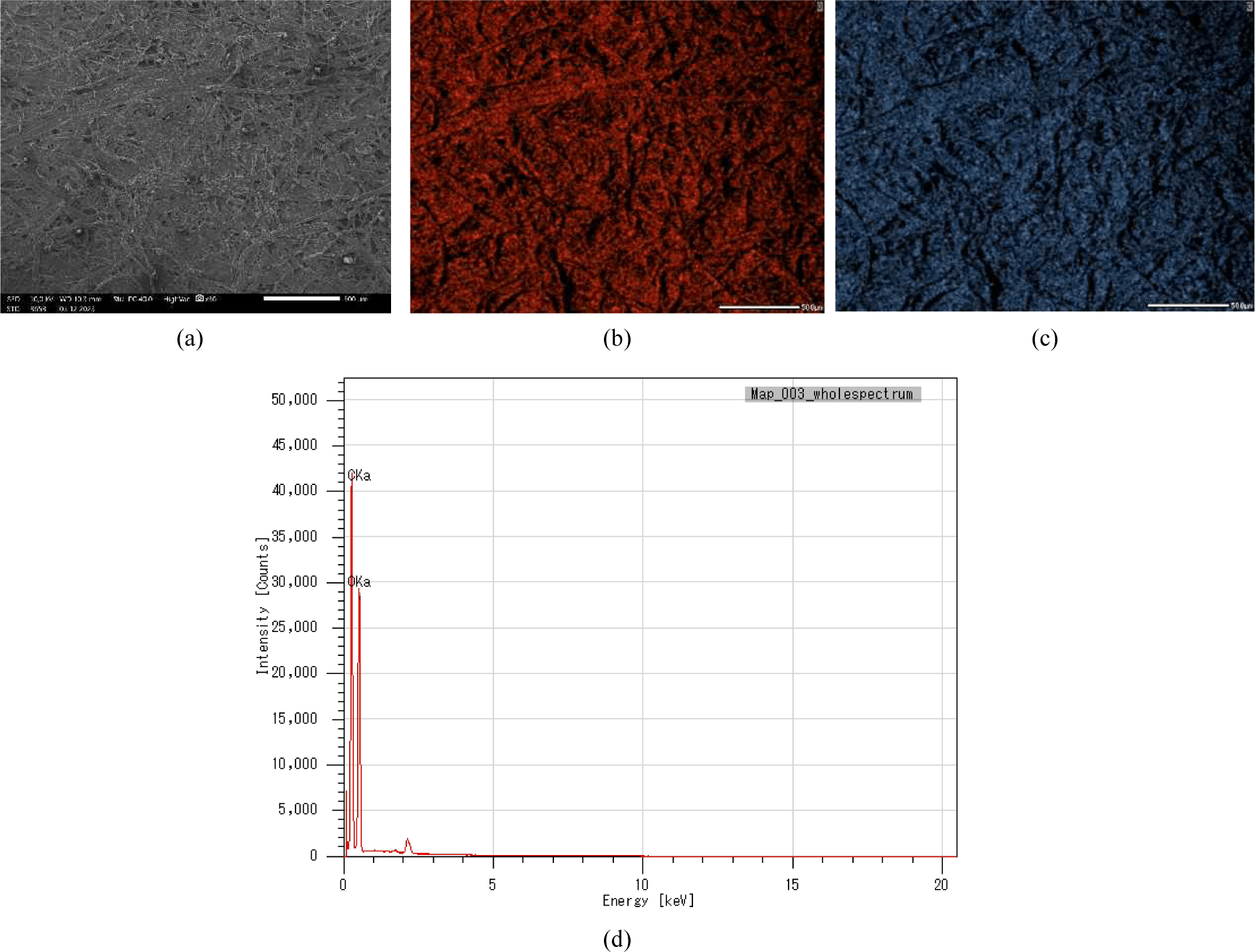
The ethyl acetate (semi-polar) fraction exhibited the highest termite mortality (Table 2) and corresponded to the most pronounced changes in SEM surface morphology, including rougher and more varied textures (Table 1, Fig. 7). EDX analysis indicated a higher proportion of carbon and oxygen in the bait than in the other fractions, reflecting increased deposition of organic material on the bait surface (Fernandes et al., 2024; Kumar et al., 2023). The effect of the semi-polar fraction on termite mortality is consistent with reports that plant extracts of intermediate polarity often exhibit consistent insecticidal activities (Guo et al., 2024; Isman, 2020; Regnault-Roger et al., 2012; Sowmya et al., 2025).
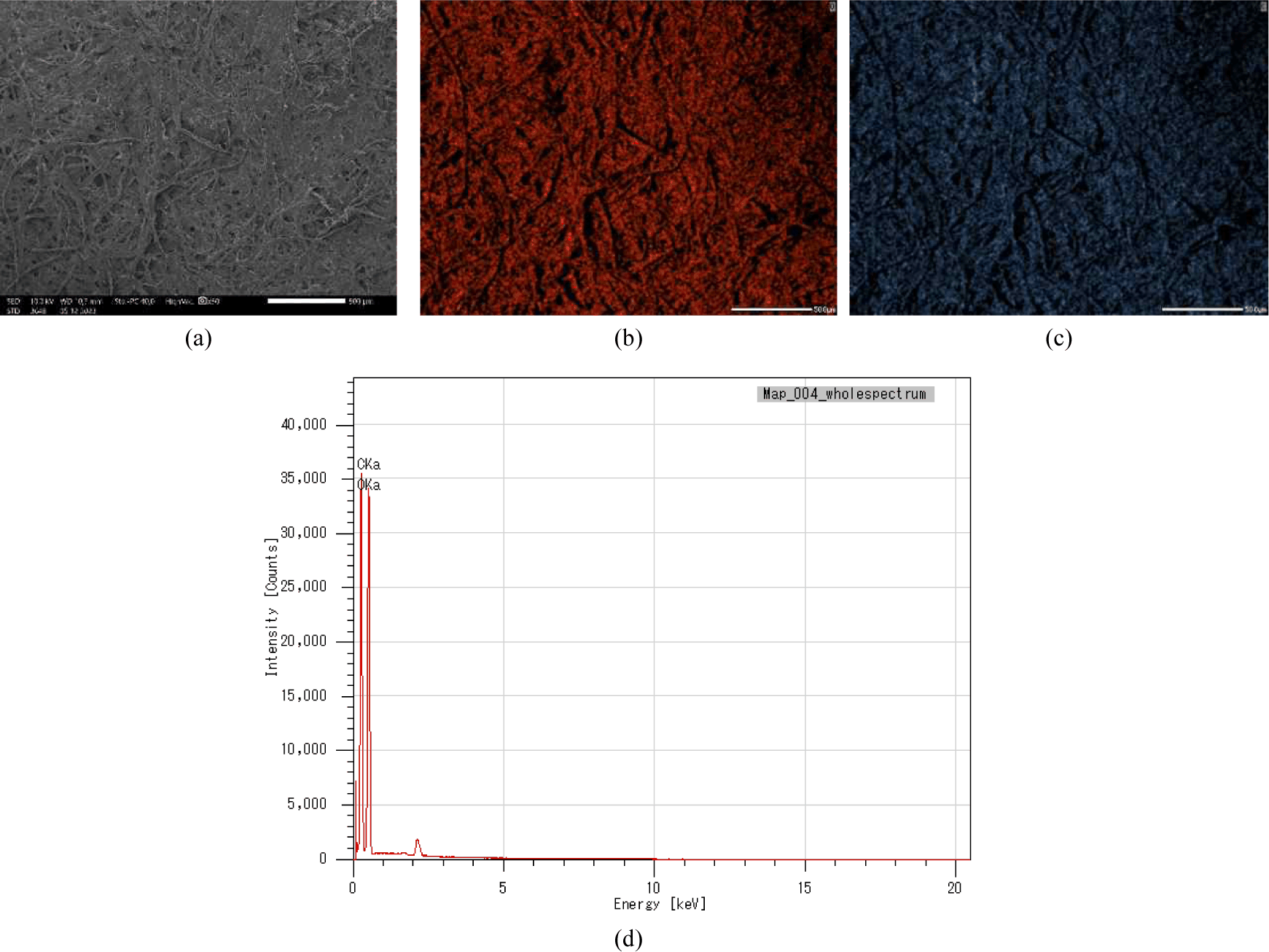
In contrast, the n-hexane (non-polar) fraction showed minimal changes in SEM morphology and elemental composition, with a predominance of carbon and lower oxygen content (Table 3, Fig. 8). The distribution of deposited material was uniform but less intense, corresponding to the lowest termite mortality among the tested fractions (Table 2). This observation is consistent with previous findings that non-polar plant extracts generally exhibit limited insecticidal effects on cellulose-based substrates (Abbaszadeh et al., 2014; Adfa et al., 2023; Maziya et al., 2025).
Degree of damage is expressed as an index derived from weight loss measurements and does not represent an absolute percentage.
Statistical analysis was performed using two-way ANOVA followed by the LSD test for solvent type and Tukey’s HSD test for concentration (α = 0.05).
LC10–LC90 values represent the actual extract concentrations used in the bioassay, as determined from probit analysis of preliminary toxicity tests. For the polar (methanol) fraction, LC10 = 1.43 mg/mL, LC30 = 2.25 mg/mL, LC50 = 3.20 mg/mL, LC70 = 4.69 mg/mL, and LC90 = 9.19 mg/mL. For the semi-polar (ethyl acetate) fraction, LC10 = 1.17 mg/mL, LC30 = 1.82 mg/mL, LC50 = 2.59 mg/mL, LC70 = 3.78 mg/mL, and LC90 = 7.35 mg/mL. For the non-polar (n-hexane) fraction, LC10 = 1.40 mg/mL, LC30 = 2.13 mg/mL, LC50 = 2.96 mg/mL, LC70 = 4.21 mg/mL, and LC90 = 7.85 mg/mL.
Overall, SEM-EDX analysis revealed that solvent type influenced the surface morphology and elemental composition of the cellulose-based test substrate, which served as a proxy for lignocellulosic materials exposed to D. bulbifera extract. Differences in termite mortality rates closely corresponded with these variations. Among the fractions tested under laboratory conditions, the semi-polar fraction showed the highest biological activity and warrants further investigation as a potential botanical insecticidal candidate. These results are consistent with those of previous studies demonstrating that semi-polar plant extracts often exhibit more reliable insecticidal activity than polar and non-polar fractions (Gitahi et al., 2021; Isman, 2020; Regnault-Roger et al., 2012; Upadhyay, 2022; Won et al., 2024).
ANOVA revealed that both extract type and concentration significantly affected termite mortality, test weight loss, and degree of damage (p < 0.05). The interaction between extract type and concentration was significant only for mortality and not for substrate weight loss or degree of damage (p > 0.05; Table 4). These results indicated that the efficacy of D. bulbifera extract against C. cynocephalus was markedly influenced by concentration. Termite mortality increased steadily with increasing extract concentration, showing a clear dose-response relationship. The variability in mortality across concentrations suggests that the potential toxicity of the extract is not strictly linear and reflects differences in compound activity across fractions.
| Factor | Parameter | ||
|---|---|---|---|
| Mortality | Weight loss test | Degree of damage | |
| Extract | * | * | * |
| Concentration | * | * | * |
| Extract: Concentration | * | ns | ns |
No significant interaction was observed for substrate weight loss or damage severity, indicating that the independent main effects of extract type and concentration primarily determined these outcomes. Although filter paper was used as a standardized cellulose-based substrate, the measured damage was interpreted as an indicator of the potential protective effects of the extract on lignocellulosic materials. This suggests that, although the extract effectively reduced final substrate weight loss and suppressed feeding activity, its mode of action in these respects was largely additive.
In contrast, mortality was more sensitive to concentration-specific toxicity, highlighting the importance of dose for achieving lethal effects. Some fractions may contain compounds that are more potent at lower doses, whereas others may exert lethal effects only at higher concentrations. This pattern aligns with observations in other complex phytochemical mixtures, which often display dose-specific activity (Nkogo et al., 2022; Wangrawa et al., 2022). To better understand the dose-response relationship, estimating LCs from LC10 to LC90 is recommended.
Both substrate weight loss and damage severity decreased significantly as extract concentration increased, independent of fraction type. This indicates a dose-dependent feeding inhibition mechanism, likely mediated by saponins, tannins, or flavonoids, which affect substrate palatability and digestibility (Iovinella et al., 2023). Increasing extract concentration directly reduced substrate consumption, thereby decreasing structural damage regardless of fraction identity.
Several phytochemical classes of D. bulbifera have been hypothesized to contribute to termite mortality. Diterpenoids and alkaloids may cause neurotoxicity by inhibiting acetylcholinesterase activity or disrupting nerve transmission (Benelli and Maggi, 2022). Conversely, antifeedant activity and digestive inhibition are likely associated with saponins and tannins (Yu et al., 2022). Disruption of termite gut symbionts, which are essential for cellulose digestion, is another possible mechanism. Studies have suggested that alterations in gut microbial communities caused by secondary metabolites can impair digestion and increase mortality (Zhang et al., 2023). These mechanisms remain to be confirmed through histopathological analyses, enzyme activity assays (AChE, CarE, and GST), and gut microbiome studies in future research.
D. bulbifera extract demonstrated dual activity as a feeding deterrent and toxicant, suggesting its potential as a plant-based insecticide. Mortality was strongly influenced by extract concentration, whereas substrate protection and antifeedant effects followed a dose-dependent but consistent pattern across fractions. These findings support further studies on phytochemical characterization, mechanism-of-action verification, and field testing to enable environmentally friendly long-term termite control.
ANOVA revealed that both extract type and concentration significantly affected termite mortality (F = 2.54; p = 0.0182). The highest mortality in each fraction was observed at the following LCs: the non-polar fraction showed 30.4% mortality (LC30 2.13%), the polar fraction showed 43.2% mortality (LC90 9.19%), and the semi-polar fraction showed 48.0% mortality (LC90 7.35%; Table 2).
The significant interaction between extract type and concentration indicated that the toxic potential of each fraction changed with dose. Some fractions may contain compounds that are effective at low concentrations, whereas others may exert lethal effects only at high concentrations. This pattern aligns with observations in other complex phytochemical mixtures that exhibit dose-specific activity (Wangrawa et al., 2022).
Several phytochemical classes in D. bulbifera have been hypothesized to contribute to termite mortality. Diterpenoids and alkaloids may cause neurotoxicity by affecting nerve transmission, whereas saponins and tannins may exhibit antifeedant activity and digestive inhibition (Arinana et al., 2025; Benelli and Maggi, 2022; Yu et al., 2022). Disruption of termite gut symbionts, which are essential for cellulose digestion, is another potential mechanism. These mechanisms remain unclear and require verification in future studies using histopathological analyses, enzyme activity assays, and gut microbiome assessment.
D. bulbifera extract demonstrated dual activity as a toxicant and feeding deterrent. The semi-polar fraction, with the highest mortality of 48.0% (LC90 7.35%), warrants further investigation as a botanical insecticide. These results support the need for further studies on phytochemical characterization, verification of mechanisms of action, and field trials to develop environmentally friendly termite management strategies (Suprianto et al., 2023).
According to the ANOVA presented in Table 3, D. bulbifera leaf extract had a significant effect on both test weight loss and degree of substrate damage caused by C. cynocephalus (p < 0.05). Extract type significantly influenced both parameters, with the control treatment showing the highest weight loss (18.57 ± 6.39) and degree of damage (100.00 ± 34.40). Among the tested fractions, the semi-polar extract resulted in the lowest weight loss (1.35 ± 2.76) and degree of damage (7.28 ± 14.87), which differed significantly from those of the polar and non-polar fractions. A clear dose-response relationship was observed, with higher extract concentrations resulting in reduced consumption and less structural damage.
The semi-polar fraction consistently reduced substrate damage more effectively than the polar and non-polar fractions. This superior effectiveness may be associated with specific active compounds present in the semi-polar fraction, which could contribute to termite deterrence and protection of lignocellulosic materials. However, the specific phytochemical composition and mechanistic pathways, such as enzyme inhibition or gut microbiome disruption, were not directly assessed in this study and remain hypotheses for future investigation (Arinana et al., 2024; Isman, 2017; War et al., 2018; Zalsabila et al., 2024).
Substrate weight loss and damage were significantly affected by the type and concentration of the extract. Increasing the concentration of the semi-polar extract produced the greatest reduction in substrate damage and weight loss, suggesting a dose-dependent protective effect. The polar and non-polar extracts also reduced substrate damage compared with the control, but their effectiveness was lower than that of the semi-polar fraction. These findings are consistent with those of other studies showing that plant extracts can significantly decrease termite consumption of lignocellulosic substrates and reduce structural damage (Farial et al., 2025; Kadir and Hassan, 2020; Levchenko et al., 2021; Rudiyansyah et al., 2025).
Overall, these results indicate that the semi-polar leaf extract of D. bulbifera is a promising candidate for use as a botanical biocontrol agent against drywood termites. Its application can effectively reduce damage to cellulose-based substrates, suggesting potential applicability for wood protection and providing an environmentally friendly alternative to synthetic pesticides, which often negatively affect ecosystems (Guenaou et al., 2021; Isman, 2020; Lengai et al., 2020).
4. CONCLUSIONS
The drywood termite C. cynocephalus was inhibited by D. bulbifera leaf extract under laboratory conditions. The semi-polar ethyl acetate fraction produced the highest mortality and the lowest mass loss among the filter-paper bait fractions, indicating better activity than the non-polar and polar fractions. SEM-EDX analysis further supported these findings by showing clear alterations in the surface morphology of the treated bait material. These results indicate that different plant fractions exhibit distinct biological activities in laboratory settings, even without the identification of specific bioactive compounds. In addition, the use of plant-based fractions supports a broader shift away from synthetic termiticides and offers an eco-friendly approach for future termite control strategies.