1. INTRODUCTION
Korean red pine has been used extensively in various sectors, including architecture, civil engineering, furniture, packaging, and pulp production (Han et al., 2019a; Kim et al., 2020; Lee et al., 2022; Park et al., 2024; Shin et al., 2025). Specifically, large-cross-section timber is critical for the preservation and restoration of wooden cultural heritage sites, such as royal palaces and temples, where it is used in columns and beams (Jiang et al., 2023; Lee, 2020; Park et al., 2020; Srisuchart et al., 2023). Air drying is a simple, common, and financially nonintensive method for reducing the moisture content (MC) of large timber (Erber et al., 2017; Lee et al., 2024; Routa et al., 2015). However, it is influenced by multiple factors, including the initial MC, environmental conditions, wood species, and drying strategy, often resulting in prolonged drying times and potential defects that degrade wood quality (Kim et al., 2023). Therefore, the effective management of key parameters during the drying process is essential for timber to reach the target MC while maintaining structural integrity and performance.
Despite its cost-effectiveness, the air drying of large-cross-section timber presents significant challenges, primarily owing to the difficulty in achieving precise MC control (Ogueke et al., 2015). Uncontrolled, slow air drying often leads to steep moisture gradients, resulting in various drying defects such as deep surface checking and warping, which severely impact product quality and manufacturing costs (Thybring and Fredriksson, 2021). Furthermore, the final MC of timber in air-drying systems can vary significantly depending on seasonal and climatic conditions, rendering the planning of industrial drying schedules highly complex (Han et al., 2019b). Therefore, developing cost-effective and practical surface pre-treatment strategies is essential to mitigate these defects and enhance the predictability and quality of air-dried large timber, ultimately improving its long-term durability (Sehlstedt-Persson and Wamming, 2010).
Environmental factors, including temperature, relative humidity (RH), and air circulation, play a significant role in air drying (Ugwu et al., 2021). Higher temperatures increase the moisture-holding capacity of air, and a strong airflow enhances surface moisture removal. However, excessively fast evaporation can rapidly dry the wood surface, leading to drying stress and defects such as surface and internal checking (Avramidis et al., 2023; Batjargal et al., 2023; Bond and Espinoza, 2016).
These findings emphasize that meticulous control during the drying process is vital for improving final timber quality. Physical pre-treatments, such as high-temperature steaming or kerfing before drying, can relieve internal growth stress and alter moisture flow paths, thereby preventing internal checking and enhancing dimensional stability.
The initial MC significantly affects both drying time and final MC (Möttönen, 2006). Consequently, real-time monitoring of the wood MC and environmental conditions is necessary during drying (Elustondo et al., 2023; Lazarescu et al., 2010; Schmidt and Riggio, 2019). Studies by Kang et al. (2011, 2016) indicated that monitoring the strain distribution during the initial drying stage helps to mitigate the potential for defect occurrence. The interaction between wood and moisture is central to wood processing and utilization (Thybring and Fredriksson, 2021), because moisture directly influences the physical and mechanical properties, durability, and dimensional stability of wood. Specifically, the anisotropy of shrinkage and uneven moisture gradient that develops during drying are the main sources of drying stress, which causes warping and cracking (Dietsch et al., 2015; Fu et al., 2015, 2023; Zinad and Csilla, 2024).
Considering this problem, the present study aims to develop a drying control technique for the efficient drying of large-cross-section timber without defects, including surface checking and blue staining, and to identify the factors influencing the drying rate and defect initiation. The findings from the study are expected to contribute to the optimization of the drying process, prediction of drying time, and enhancement of the final product quality.
2. MATERIALS and METHODS
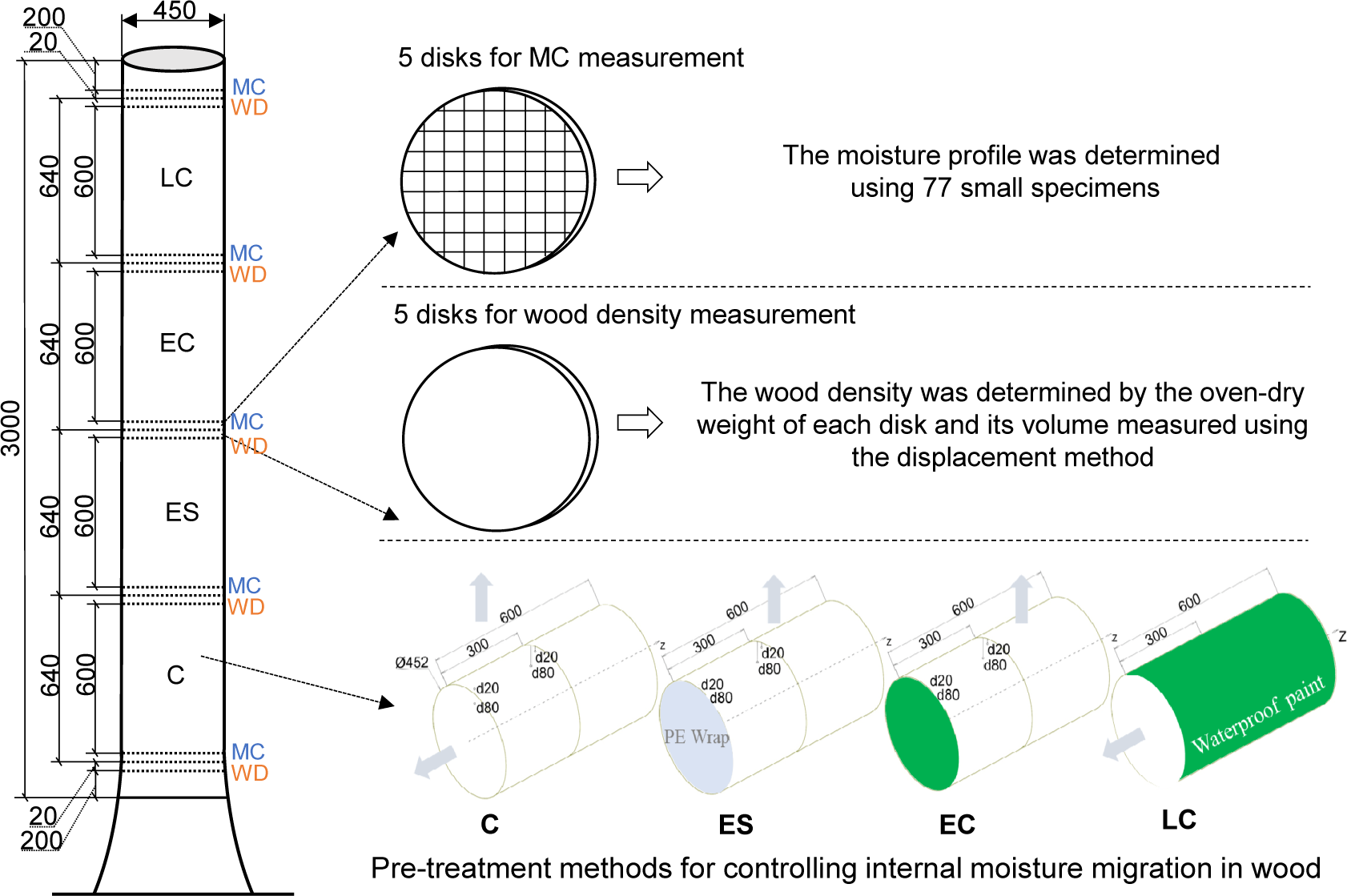
Debarked red pine (Pinus densiflora) round timber with a diameter of 450 mm and total length of 3,000 mm was used for this investigation. Four round timber specimens, each 600 mm long, were obtained from the primary processed round timber (Fig. 1). For material characterization, 20 mm-thick disk-shaped samples were collected from each end of the specimens to determine the initial MC and basic wood density (WD). Disks for MC were further subdivided into 77 smaller pieces to conduct an in-depth analysis of the initial MC distribution across the locations. Before sectioning the logs, the average basic WD was determined to be 0.42 g/cm3, and the average initial MC was 93%.
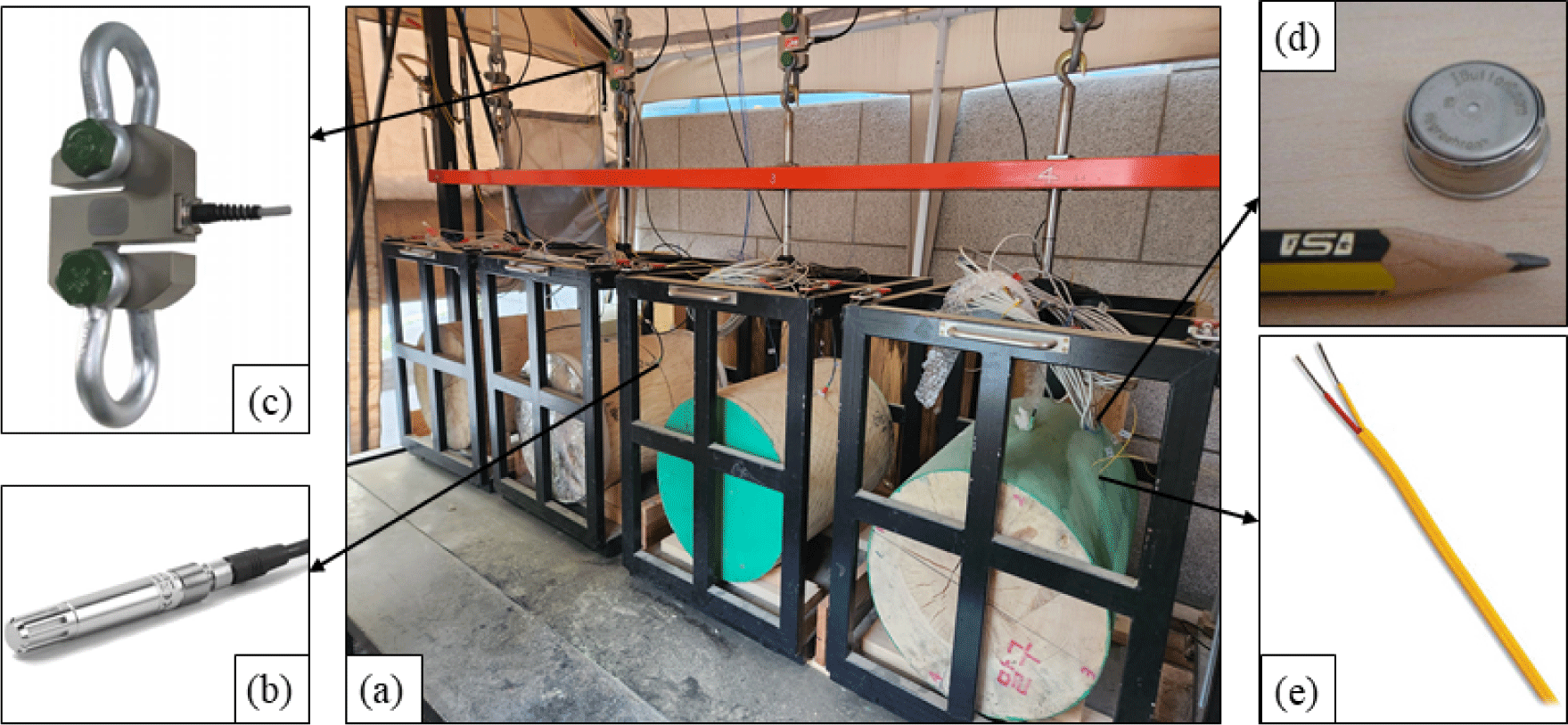
The drying experiment was conducted in an air-drying yard. The specimens were housed in a simple tent structure to prevent rain ingress [Fig. 2(a)]; however, the sides remained open to allow for natural airflow and ventilation, typical of outdoor air-drying conditions. The target final MC was set at 24%, a threshold based on the requirements of the 2024 National Heritage Repair Standard Specification that large-cross-section timber used for cultural heritage restoration must have an MC of 24% or less (National Heritage Administration, 2024). This standard is crucial because maintaining timber below 25% MC helps prevent or minimize discoloration, decay, and mold, thereby reducing the risk of long-term deterioration. This target level is consistent with the established standards for timber dimensions and aligns with the MC goal in large-cross-section timber drying research (Batjargal et al., 2025; Han et al., 2019a).
We compared four drying conditions, an untreated control (C) and the following three surface pre-treatment applications designed to mitigate surface checking (Fig. 1): end sealing (ES) using polyethylene sheets on the cross-sectional ends, end coating (EC), and lateral coating (LC) using a waterproof urethane paint (New Watertan, Samhwa Paints Industrial. Co, Seoul, Korea). The duration of air-drying for all the specimens was approximately 515 days (from January 2024 to June 2025).
Real-time monitoring was performed to track changes in the MC and environmental parameters during drying.
A tension load cell [TLC-1t, Bongshin, Osan, Korea; Fig. 2(c)] was used to measure the weight of the specimens at 6 h intervals [Fig. 2(a)]. A CR1000X data logger was used to record external environmental factors (ambient temperature, RH, and wind speed) and internal wood temperature at 30 s intervals [Fig. 2(e)]. Additionally, temperature and RH at various internal wood locations were recorded every hour using DS1923 Hygrochron iButton sensors (temperature range: –20 to +85°C, accuracy ±0.5°C; RH range: 0% to 100%). These measurements enabled real-time monitoring of the localized MC during the drying process [Fig. 2(d)].
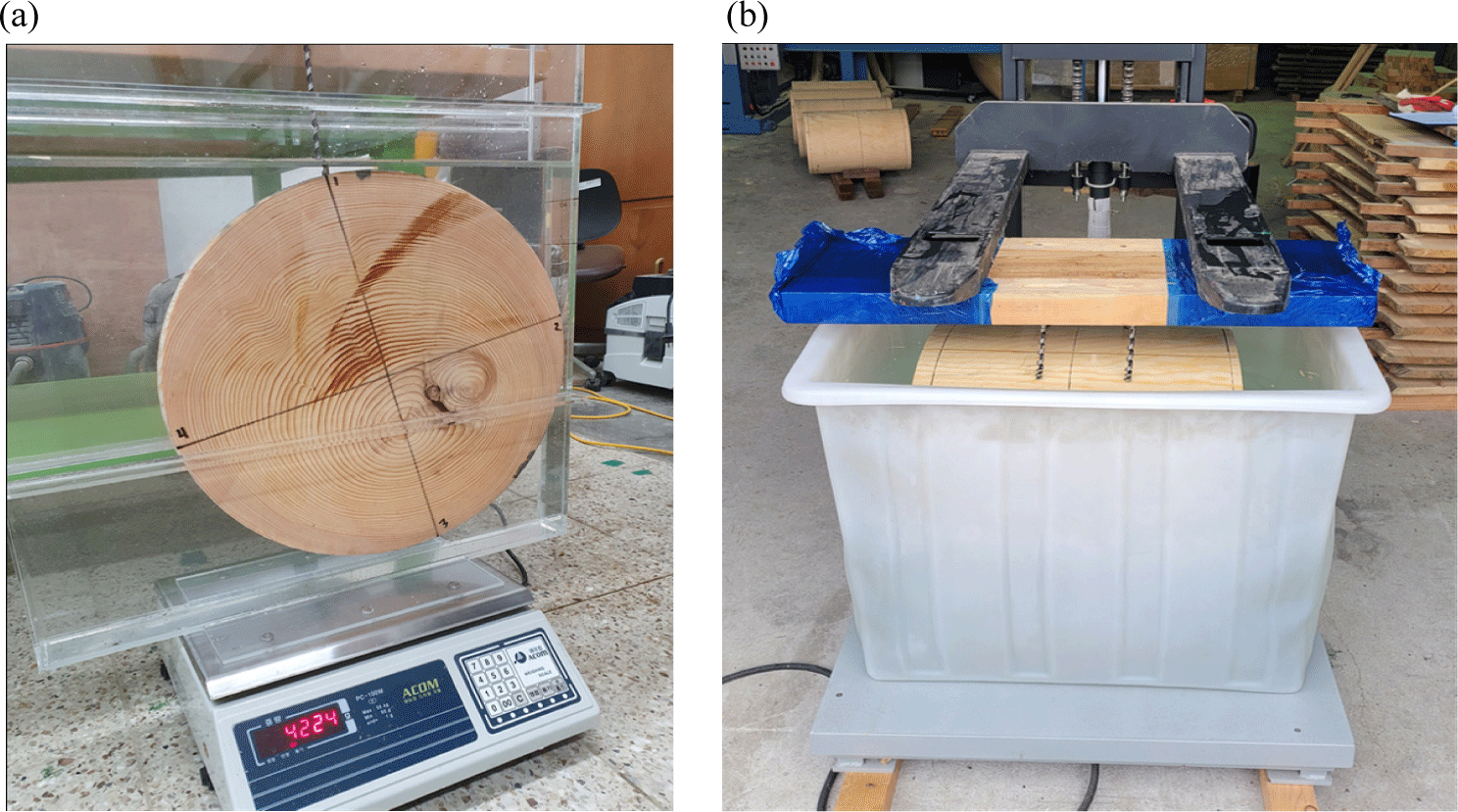
The volume [V(disk)] of the 20 mm-thick disk specimens was measured using the water displacement method [Fig. 3(a)], and the oven-dry weight (Wod(disk)) was determined by the oven-dry method. The basic WD [ρ(disk)] was then calculated using Equation (1):
Where ρ(disk) is the basic WD of the disk specimen (kg/m3), Wod(disk) is the oven-dry weight of the disk specimen (kg), and V(disk) is the volume of the disk specimen (m3).
The volume [V(timber)] of the 600 mm-long test timber specimen was measured using the water displacement method [Fig. 3(b)]. The estimated oven-dry weight of the timber specimen [Wod(timber)] was calculated using the specimen volume [V(timber)] and average basic WD [ρ(disk)] of the disk samples, as shown in Equation (2):
The MC of the specimen [MC(timber)] over time was evaluated using the weight of the moist specimen [Wg(timber)] measured by the load cell and the estimated oven-dry weight [Wod(timber)], according to Equation (3):
Where MC(timber) is the MC of the 600 mm specimen, Wod(timber) is the estimated oven-dry weight of the specimen (kg), and Wg(timber) is the green moist weight of the specimen (kg).
Sensors were installed in both the shell and core layers to monitor the internal temperature and humidity changes. Four K-type thermocouples were inserted at depths of 20 mm and 80 mm from the lateral surface to record the internal wood temperature at 30 s intervals [Fig. 2(e)]. A compact humidity sensor iButton (Hygrochron DS1923, Maxim Integrated, San Jose, CA, USA) was inserted at a depth of 80 mm to monitor the temperature and humidity changes at 1 h intervals [Fig. 2(d)].
The recorded temperature and humidity data were used to estimate the equilibrium moisture content (EMC) at different locations within the specimen by applying the Hailwood–Horrobin equation, and the trend of localized changes in EMC during drying was analyzed.
The Hailwood–Horrobin EMC equation is represented in Equation (4):
Where EMC is the equilibrium moisture content (%); RH is the internal relative humidity (%); and W, K1, and K2 are the coefficients of the sorption model developed by Hailwood–Horrobin (Ra, 2014; Simpson, 1973).
3. RESULTS and DISCUSSION
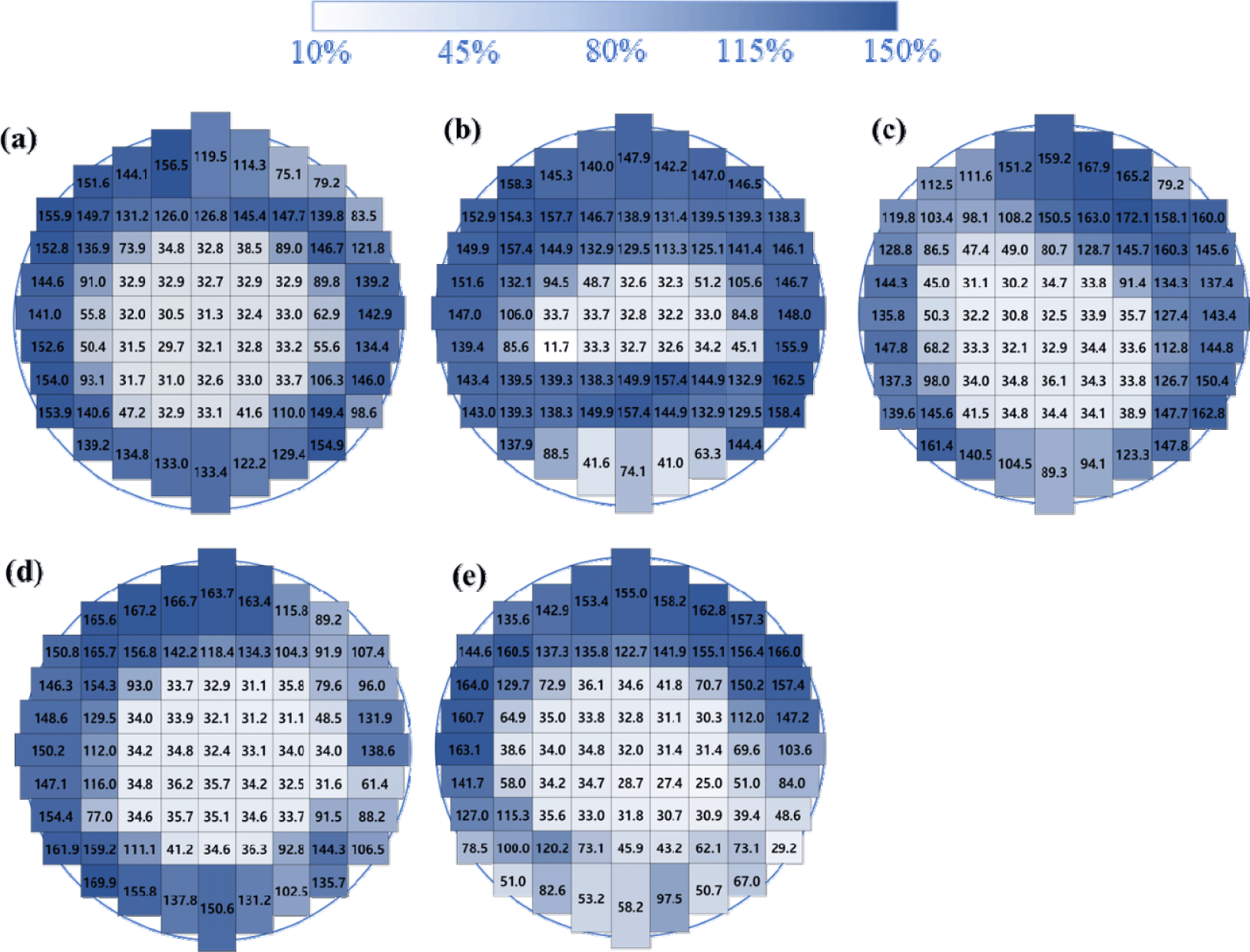
MC and basic density of specimens taken from various longitudinal positions [at 0.22 m (one side edge), 0.86 m, 1.50 m, 2.14 m, and 2.78 m (the other side edge) from the butt end] of the round timber were measured. The initial MC of the disks cut from both sides of the wood was low, whereas that in the central part was high. In contrast, the basic WD was uniform along its length (Fig. 4).
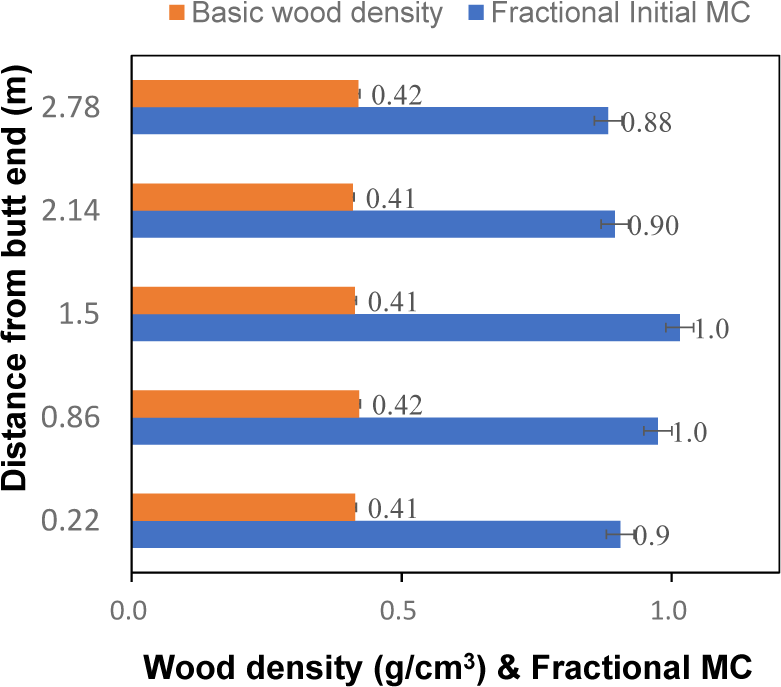
This pattern differs somewhat from previous studies that measured moisture distribution within freshly felled logs (Kollmann and Côté, 1968; Simpson, 1991). In these studies, MC initially increased gradually toward the top of the log, while basic density showed the opposite trend owing to differences in wood formation along the tree length. A higher initial MC in the log-top was associated with a greater proportion of juvenile wood, which has larger cell lumens and thinner cell walls. Conversely, the butt end showed a higher density, characterized by a higher proportion of mature wood with thicker cell walls and higher lignin content.
However, the raw timber prepared in this study was stored with the ends exposed after logging, resulting in both ends drying. The results of this study showed that the variation in longitudinal WD was smaller than that in the MC.
The error between the initial MC calculated on the basis of the basic WD [Equation (1)] and the initial MC calculated using the oven-drying method was within 1.7%, demonstrating the high validity of the MC determination method based on the basic WD.
The MC of sapwood exceeded 100%, whereas that of heartwood was approximately 30%. This significant difference indicates that the shell layer generally contains substantially more moisture than the core layer (Fig. 5), which is consistent with previous observations (Batjargal et al., 2023, 2025).
Distinct differences in drying rates were observed among the specimens (Fig. 6). Although the sample size was limited to one specimen per treatment owing to the large cross section, the observed deviation in drying kinetics and defect occurrence were analyzed to ensure the reliability of the comparative results.
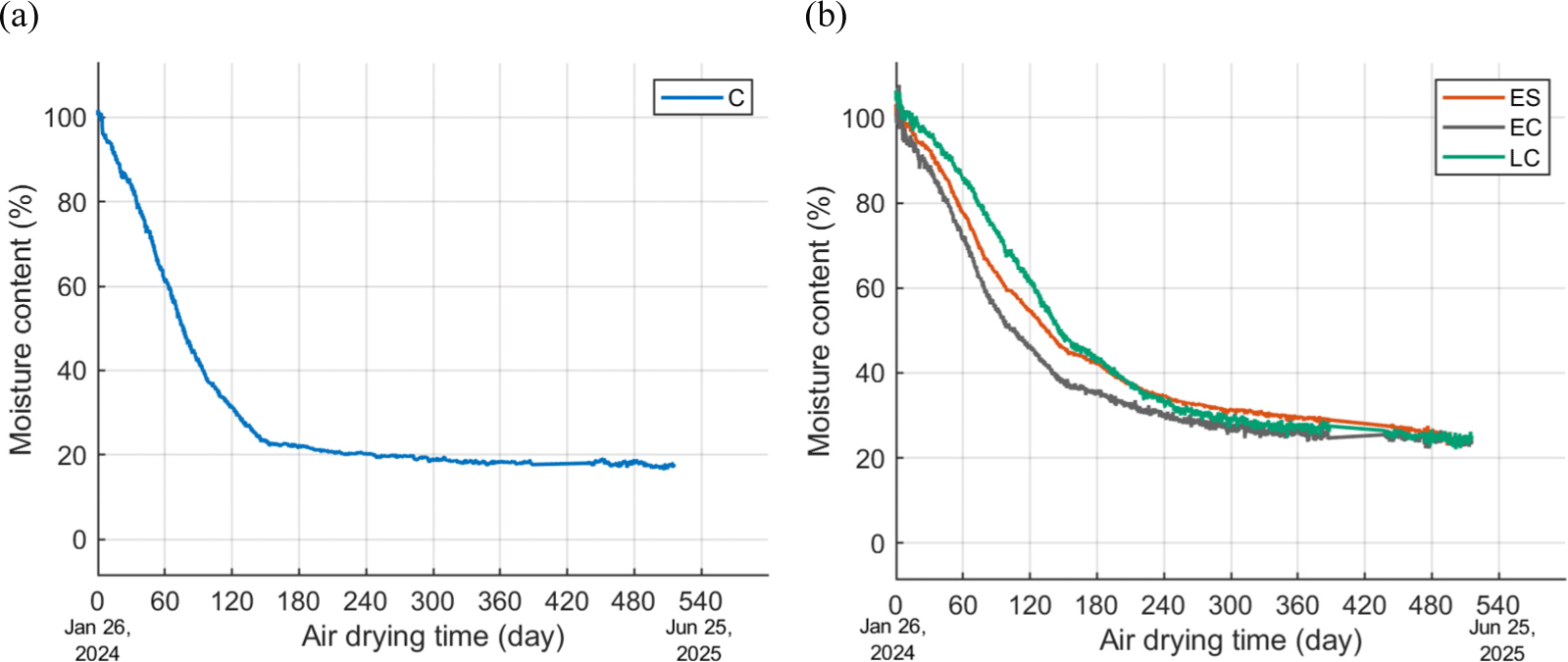
The average MC of all specimens dropped sharply to below 50% during the initial 180 days. C exhibited the fastest drying rate, suggesting a close relationship between the drying rate and the occurrence of drying defects [Fig. 6(a)]. The control specimen exhibited the largest temporal variation in the onset of surface checking compared with the treated groups.
Despite the use of urethane waterproof paint, the EC treatment failed to completely restrict moisture loss from the cross-sections. Discoloration and mold growth were observed in the cross-sections of the ES specimens. This undesirable outcome is likely attributable to the continuation of wet condition in cross-section areas during the prolonged air-drying period, which fosters an environment conducive to fungal development.
For the LC specimens, the surface application inhibited moisture evaporation from the high-MC surface layer, thereby reducing the initial drying rate. This drying delay effectively delayed and suppressed checking by inhibiting the rapid surface shrinkage caused by quick drying. Notably, the LC specimen showed the least variation in defect formation, highlighting the uniform effectiveness of this treatment for surface control.
However, visual monitoring revealed that the splits continued to form after approximately 180 days. While the LC treatment significantly slowed the drying process during the initial stage, the average MC of the LC specimens gradually converged with that of the other groups after approximately 300 days. At the conclusion of the study after 515 days, the final MC values were recorded as follows: C: 17.5%, ES: 24.7%, EC: 23.5%, and LC: 25.2%. The experiment was terminated at 515 days to compare the long-term performance of the treatments over a fixed duration.
Despite the superior defect mitigation achieved by the LC treatment, the application of such treatments to full-sized timber (longer than 60 cm) may present practical challenges for industrial application, and the resulting drying characteristics could vary depending on the scale and method of application.
The drying rates of the four treated specimens, including C, were compared by dividing the total drying period into five intervals (Table 1).
| Day | C (%) | ES (%) | EC (%) | LC (%) |
|---|---|---|---|---|
| 0–100 | 63.3 | 43.6 | 49.7 | 37.6 |
| 100–200 | 16.5 | 20.9 | 18.7 | 29.5 |
| 200–300 | 1.9 | 7.5 | 6.4 | 10.3 |
| 300–400 | 1.2 | 2.3 | 1.8 | 1.5 |
| 400–500 | 0.2 | 4.5 | 1.1 | 2.6 |
During the initial drying period, specifically from 0 to 200 days, a clear difference in the drying rates was observed among the treated specimens. The specimens dried in the following order of decreasing speed: C > EC > ES > LC. This trend is consistent with the general principle that specimens with larger exposed surface areas that are in contact with ambient air dry more rapidly. This result was confirmed by the LC specimens, which exhibited the most effective barrier against moisture loss from the main lateral surface and showed the lowest initial drying rate.
Furthermore, the results suggest that the moisture barrier effects of the ES and LC are greater than those of the EC. The EC-treated specimens generally exhibited a faster drying rate than the ES and LC specimens, indicating that the full coverage provided by the LC treatment was the most effective method for restricting initial moisture loss.
As the drying period was extended, the drying rate decreased sharply. From 300 to 500 days, all four treated specimens showed similar and very low drying rates.
This decrease indicated that the MC of the specimens approached the EMC determined by the surrounding atmospheric conditions. This final stage is characterized by a stable and slow moisture loss as the wood gradually equilibrates with the ambient air, regardless of the initial surface treatment method.
Climatic conditions, including seasonal temperature and RH changes, were recorded (Fig. 7). During the air-drying period, the maximum temperature was 38.0°C, the minimum was –13.1°C, and the average was 12.9°C. Air humidity exhibited the largest diurnal variation, ranging from 19% to 99% with an average of 64.4% [Fig. 7(b)]. The substantial diurnal and seasonal fluctuations in temperature and RH contributed to the high variability observed in the overall drying kinetics, with the untreated (C) specimen being most susceptible to these climatic extremes.
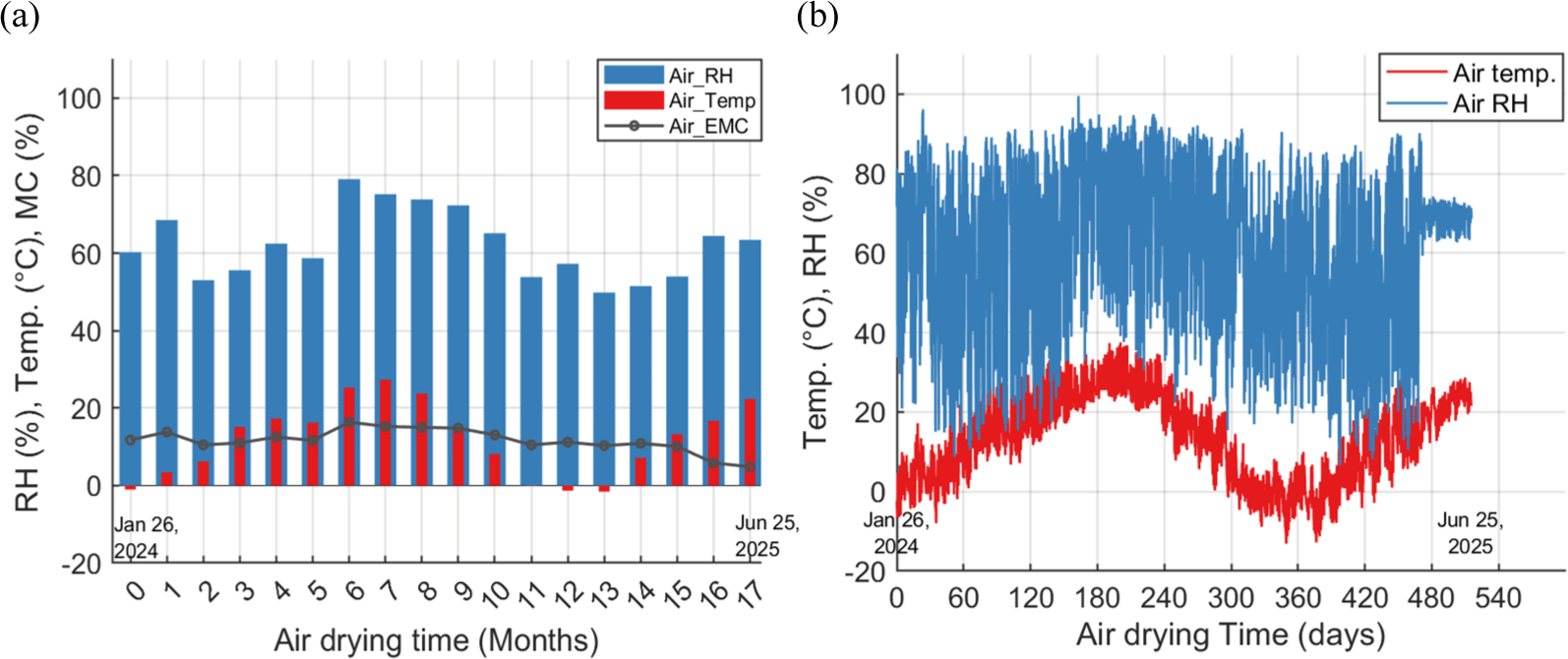
A tendency for the MC to decrease was noted during winter and early spring (February to May) when the EMC was lower, corresponding to a low RH [Fig. 7(a)]. This trend was reflected in the application of the Hailwood–Horrobin equation, where a lower RH resulted in a lower calculated EMC. The drying rate decreased during the winter months despite the decrease in RH, which was likely due to low temperatures.
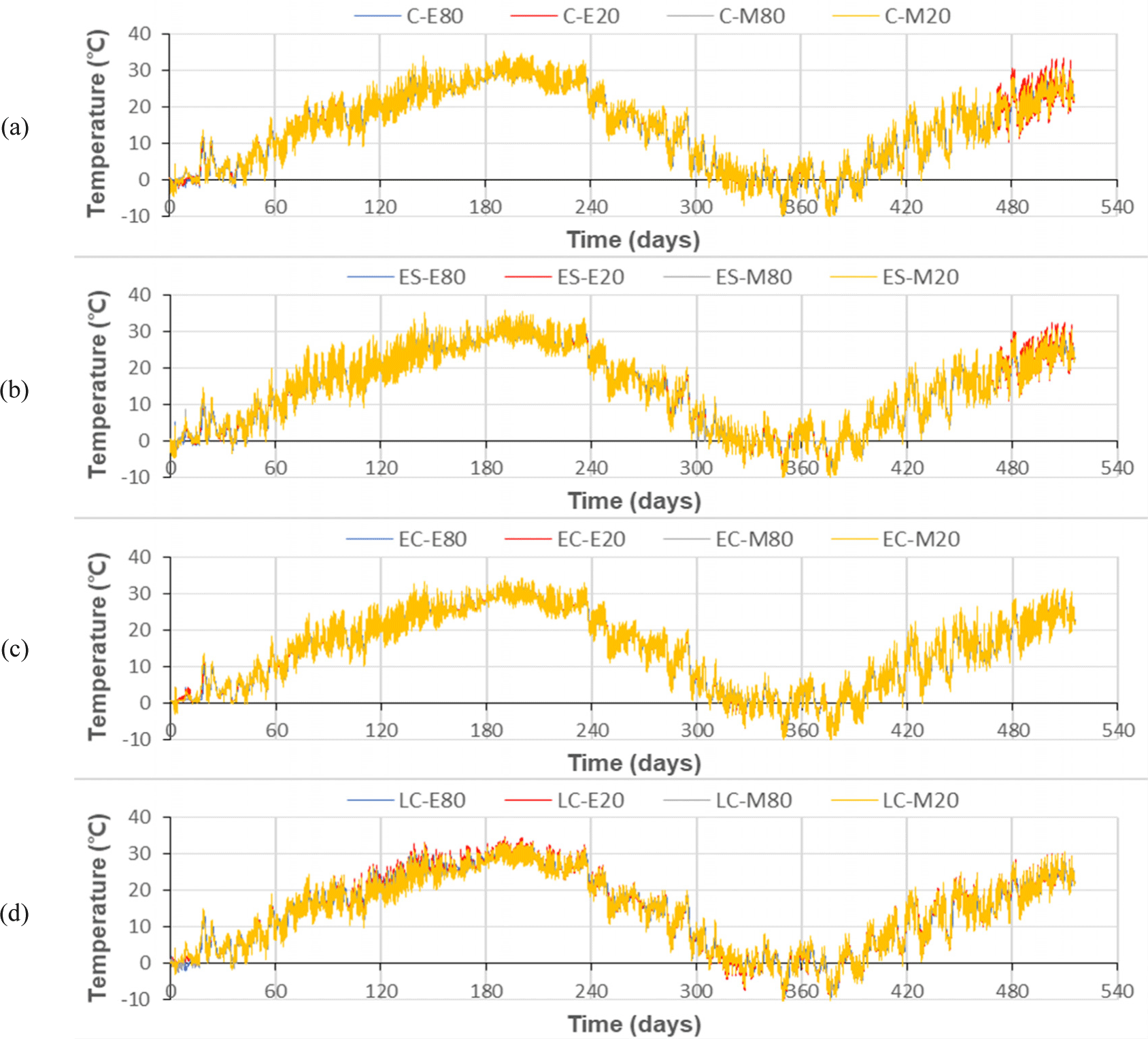
Fig. 8 presents the internal temperature of the wood. These data illustrate the internal temperature dynamics during drying, measured by sensors embedded at strategic locations: depths of 20 mm and 80 mm from the surface and 50 mm and 300 mm from the end face of the timber. A subtle temperature difference was observed, depending on the specific longitudinal position and depth within the wood (Fig. 8).
Internal temperature and humidity were measured using compact humidity sensors (iButton sensor; DS1923 Hygrochron) installed at a depth of 80 mm in the middle section of the specimens. The recorded data were used to estimate the localized MC (Fig. 9). A significant challenge arose during the initial drying phase (the first 210 days) because of frequent sensor malfunction attributed to the extremely high initial MC of wood. To ensure the reliability of the localized internal data, the sensors were reinstalled after the initial 210-day period. This reinstallation was strategically performed at a point where the internal RH dropped below 90%, indicating that the MC was sufficiently reduced to allow the sensors to operate normally, excluding the electrical interference caused by liquid moisture (free water). Consequently, the sensor data for the first 210 days were considered unreliable and unavailable. To compensate for this data gap, an estimated trend line for internal temperature, humidity, and MC was established by extrapolating the initial MC and using empirical data collected from the air-drying yard.
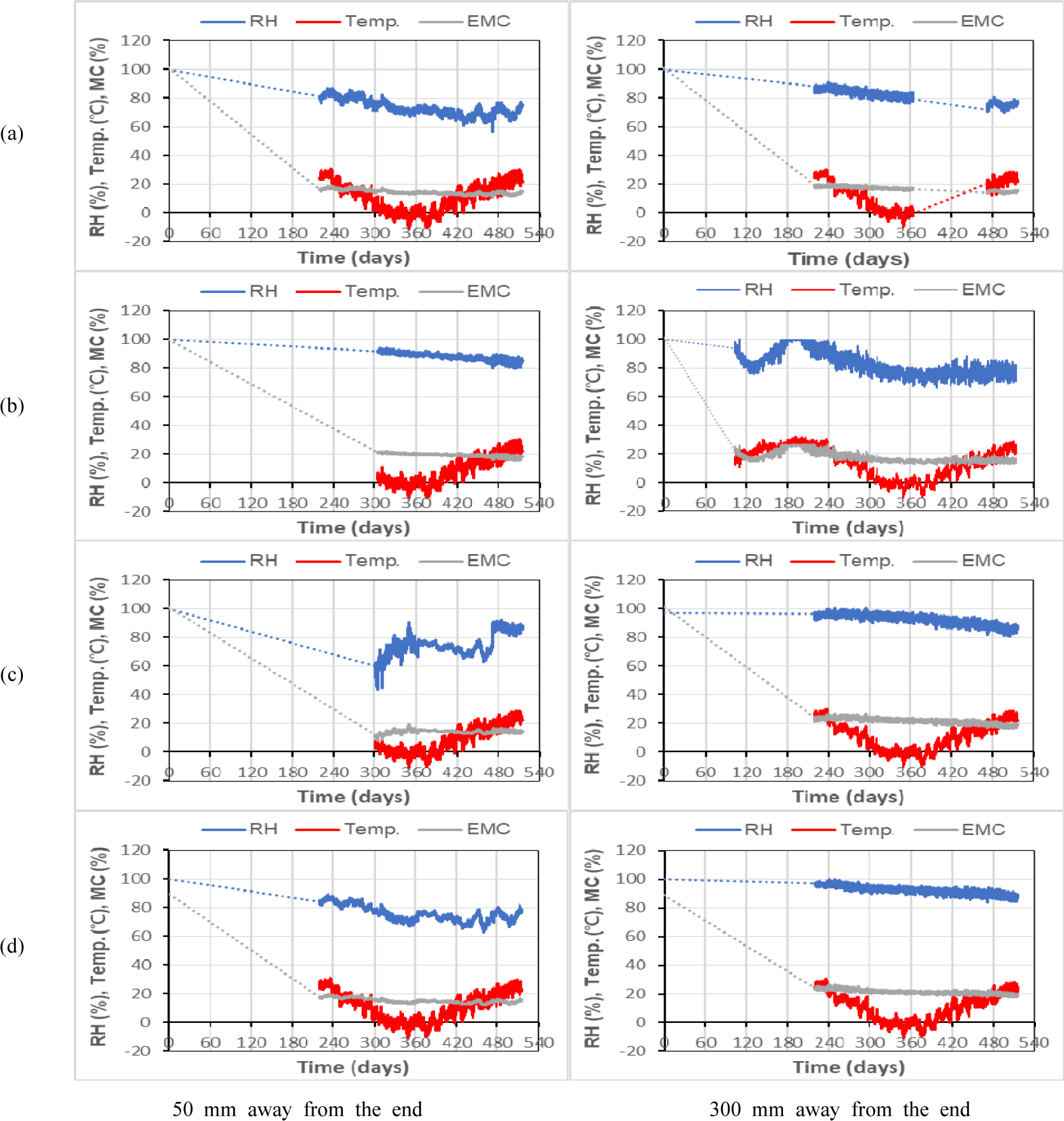
The RH and EMC relationship can be utilized to adjust wood drying schedules, with the dry-bulb temperature and RH of the ambient air being critical factors in determining the EMC conditions. In a given environment, the MC of wood is driven by the RH and converges toward the EMC value over time (Mori et al., 2025).
To enhance the interpretability of these experimental results, the integration of numerical modeling is suggested, which would lead to more compelling conclusions.
Drying defects in timber are primarily attributed to drying stress. When the influence of inherent growth stress is excluded, the stress arises mainly from shrinkage anisotropy and a steep MC gradient. These two factors are the primary causes of wood deformation and cracking (Fu et al., 2023).
To provide a quantitative assessment of the drying defects, surface checks were performed and recorded after the 515-day drying period. The severity of the checks was quantified by measuring the maximum crack width and the total cumulative crack area on the cylindrical surface of each large-cross-section specimen. For this assessment, only surface checks with widths exceeding 1 mm were considered, as smaller checks are typically removed during post-drying processes. All specimens were analyzed using digital Vernier calipers (Multicomp PRO MP012475, Mitutoyo, Kawasaki, Japan). The results (Fig. 10; Table 2) confirm the visible differences in the defect severity among the treatments.
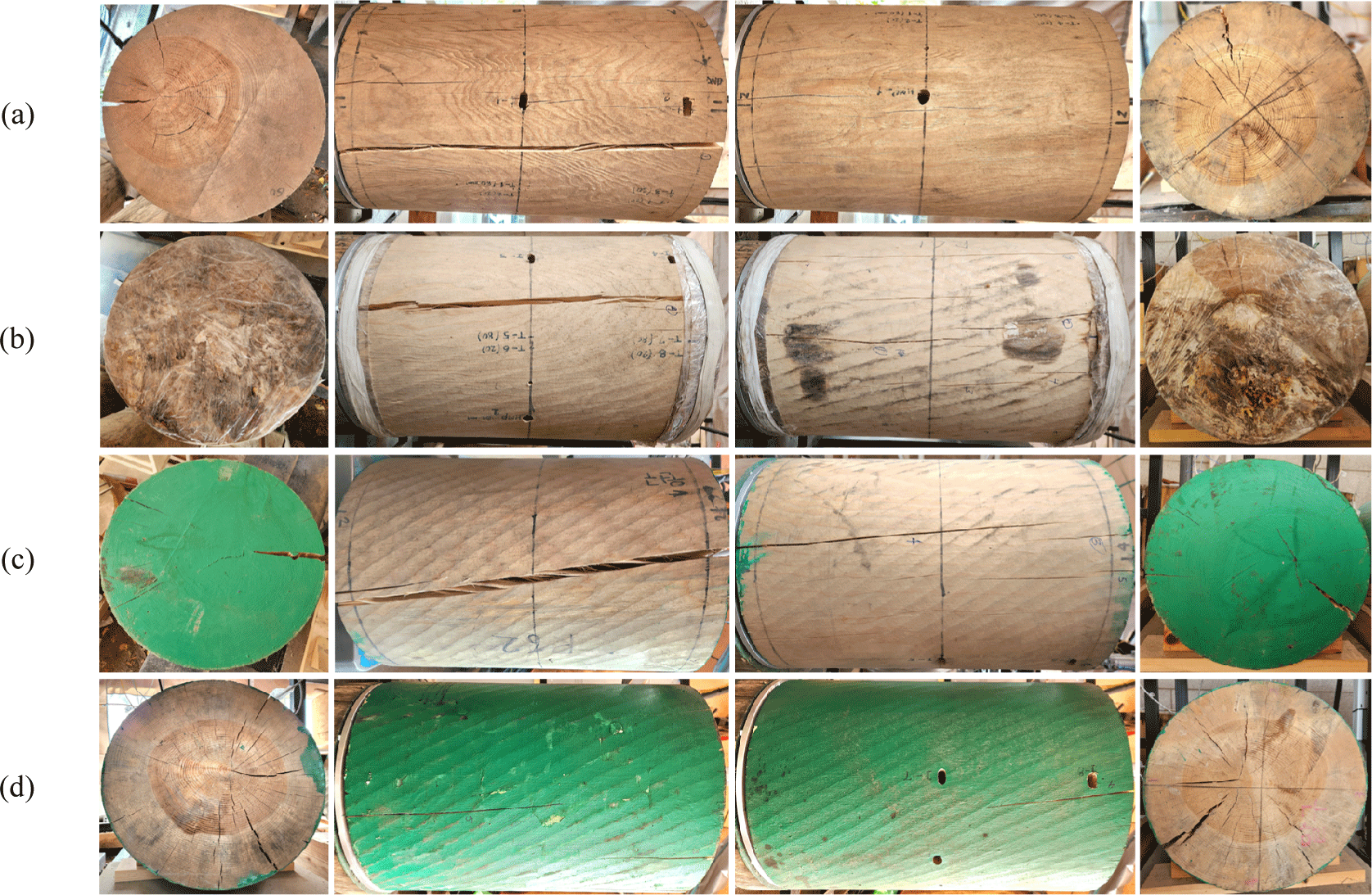
Specimen C exhibited the most severe defects, with a average crack width of 5.29 mm and a total crack area of 66.99 cm2. These defects were characterized by deep, extensive radial checks across the surface, confirming the high susceptibility of large-diameter timber to rapid, uncontrolled drying. The rapid and early surface moisture loss in Group C led to severe case hardening, resulting in significant internal stress that quickly exceeded the tensile strength of the timber.
The ES and EC treatments showed moderate improvement compared with the control, indicating that end-grain moisture loss control alone was insufficient to prevent significant surface defects in large timber. The ES specimen had a average crack width of 2.25 mm and a total crack area of 72.49 cm2, whereas the EC specimen showed a average width of 3.75 mm and an area of 50.26 cm2. Notably, the ES and EC groups experienced the large overall total crack areas, suggesting that restricting only the end-grain diffusion forces moisture loss through the lateral surface, possibly exacerbating the surface stress and defects in the cylinder face compared with that in the uncontrolled C specimen.
The LC treatment proved to be the most effective method for defect mitigation. The LC specimen had a average crack width of only 1.98 mm and a total crack area of 31.32 cm2. The observed defects were primarily minor, isolated hairline checks that formed late in the drying process (after approximately 180 days) when the internal moisture gradient became pronounced. This result quantitatively supports the visual observation (Fig. 10) that surface modification significantly suppresses the rapid surface checking caused by the differential shrinkage between the surface and core layers, thereby improving the overall quality of the dried timber. The success of the LC is directly attributable to its ability to slow the initial drying rate of the shell, effectively mitigating the formation of a severe MC gradient and delaying the onset of critical drying stresses.
While the current study successfully quantified the final defects through visual observation and measurement, continuous research focusing on the measurement or estimation of internal drying stress within timber is essential to fundamentally understand the mechanisms of defect formation and to further enhance defect suppression strategies.
We only considered surface checks larger than 1 mm in the digital Vernier caliper (Multicomp PRO MP012475; Table 2). Surface checks wider than 1 mm were measured because, during the post-drying process, smaller checks (less than 1 mm) are typically eliminated through processes such as planing.
4. CONCLUSIONS
In this study, various surface pre-treatments were applied to large-cross-section red pine round timber to control the direction of moisture movement during drying. The drying speed was evaluated through real-time monitoring and factors affecting the occurrence of drying defects were examined.
The initial drying phase was characterized by a rapid decrease in the shell MC, generating significant drying stress owing to the steep MC gradient. Surface treatment was found to be a key factor influencing both the drying rate and onset of surface checking.
Specifically, the LC treatment effectively alleviated the occurrence of drying checks but resulted in a slower overall drying rate, and it has certain limitations for industrial applications. Conversely, the ES treatment was associated with surface mold growth, suggesting that sealing may have restricted air circulation.
These findings suggest that for large-diameter coniferous species, such as red pine, LC is the optimal strategy for mitigating surface check occurrence. However, considering the practical challenges of industrial applications, future research should focus on optimizing the scale and methods for LC applications. A prudent selection of surface treatment is essential for optimal moisture management and quality enhancement during the air drying of large timber.