

1. INTRODUCTION
Previous studies and surveys of historical collections indicate that decorative techniques integrating tortoiseshell (daemo) and mother-of-pearl (najeon) appear in specific boxes and chests spanning from the Goryeo Dynasty through the late Joseon Dynasty. However, there remain exceedingly rare few examples of wooden furniture featuring a consistent and integrated decorative system using both materials (National Research Institute of Cultural Heritage, 2009). Nevertheless, major domestic and international museums currently hold furniture pieces adorned with phoenix and dragon motifs executed in this combined medium, which are generally categorized as belonging to the late Joseon Dynasty or the Japanese colonial period (National Museum of Korea, 2015; National Research Institute of Cultural Heritage, 2009). Conversely, anecdotal accounts suggest that this type of furniture continued to be produced for export as late as the 1950s; however, there is a lack of clear scientific evidence or archival records to verify such claims. Consequently, there is a clear dearth of in-depth research establishing the criteria necessary to determine the precise production periods of furniture combining mother-of-pearl and tortoiseshell.
The National Museum of Korea’s (2015) material investigations, surveys of Korean lacquerware in major US museums (O’Shea et al., 2023), and research on artifacts in Japan’s Goryeo Museum (Lee and Okada, 2016) are examples of representative literature on this hybrid craft. These studies offer crucial foundational data by identifying the characteristics of decorative materials such as mother-of-pearl, tortoiseshell, and metal wires and analyzing the lacquer layers of modern furniture while also offering stylistic comparisons and material classifications. However, due to limited scope in investigations and less involvement in comprehensive scientific analyses such as internal structural examinations, ground layer stratigraphy, or radiocarbon dating there remain gaps in systematic explanation of the production techniques and material management of modern mother-of-pearl furniture.
Whether a piece was manufactured during the late Joseon Dynasty, the Japanese colonial period, or the post-1950s era, the material selection and fabrication technologies should reflect the specific sociohistorical context of its production. Transitioning to the modern era, in particular, traditional woodworking techniques persisted alongside the adoption of imported timber and industrial materials, leading to discernible changes in material application and assembly methods. Therefore, because external stylistic analysis alone is insufficient to establish these periods, a comprehensive review of internal structures and material stratigraphy is indispensable.
Accordingly, this study investigates a privately owned “Phoenix-pattern cabinet with Combined Tortoiseshell and Mother-of-Pearl,” an artifact found in numerous museums but difficult to date accurately. Similar in form and technique to the Mother-of-Pearl Lacquer Table Cabinet with Dragon and Phoenix Motifs (Jeung 9298) and the Two-Tier Mother-of-Pearl Lacquer Cabinet with Dragon Motifs (Jeung 9299) in the National Museum of Korea (2015), this item serves as a significant research subject that can be analyzed as an independent unit, rather than as pairs like those institutional artifacts. To thoroughly characterize its production techniques and material characteristics, a morphological observation, structural analysis, wood species identification, lacquer layer analysis, and radiocarbon dating have been conducted. Through these multifaceted analyses, this study aims to clarify the complex material management and production techniques of these artifacts and provide objective data to resolve their previously ambiguous chronology.
2. MATERIALS and METHODS
The study focuses on a contemporary mother-of-pearl lacquered cabinet featuring a phoenix motif. This rectangular, box-style storage piece is characterized by double front doors and inward-curving “tong-gup” (integrated pedestal) legs at the base (73.8 × 35.8 × 59 cm). The interior comprises parallel-aligned drawers, while the center of the exterior is adorned with a butterfly-shaped “ap-batang” (metal backing plate) and a taegeuk-patterned lock. The surface decoration features two phoenixes facing each other on the doors, rendered in high-density mother-of-pearl extending across the entire background. This is further maintained by peony vine patterns on the drawers, bead patterns on the “pung-hyeol” (decorative cutouts), and floral motifs on the lower supports. Although the primary decorative materials are mother-of-pearl, metal wires, and metal fittings, all elements that appear to be tortoiseshell were artificial substitutes.
Regarding form, structure, and material usage, this cabinet closely aligns with the Mother-of-Pearl Lacquer Table Cabinet with Dragon and Phoenix Motifs and the Two-Tier Mother-of-Pearl Lacquer Cabinet with Dragon Motifs at the National Museum of Korea. Unlike these museum artifacts, preserved as a set, this cabinet exists as a single piece in a private collection, providing an opportunity to analyze the structural and material evolution of modern dragon-and-phoenix-patterned furniture through comparison with related artifacts of different provenances.
To investigate internal architecture, assembly techniques, and metal component distribution, nondestructive X-ray radiography was conducted, using a Listem Rex 525R (LISTEM, Seoul, Korea) set at 40 kVp, 320 mAs, and 0.025 s. Radiographic imaging systematically covered key structural sections: the top, side, and front door panels, as well as the lower leg supports. These radiographs were used to analyze wood-joining methods, reinforcement application, the precise placement of nails and metal fittings, and the overall internal structural configuration.
To identify the timber species used for the “baek-gol” (wooden framework), microsamples were extracted from key components: the legs, interior door surfaces, side panels, and drawer interiors. Specimens were hand-sectioned with a razor blade into thin sections along three anatomical planes—cross, tangential, and radial—and stained with a 1% Safranin aqueous solution to enhance visibility. The prepared slides, mounted in a 50% glycerin solution, were examined using a Nikon ECLIPSE 80i (Nikon, Tokyo, Japan) optical microscope for microscopic observation and photomicrography.
Species were identified by analyzing diagnostic anatomical features, such as vessel arrangement, ray structure, perforation plate types, and the presence of vertical intercellular canals. The final classification was validated by comparing the observed characteristics with established literature (Jeong and Park, 2008; Lee, 1997; Park et al., 1999) and reference wood specimens at the Tree Ring Research Center.
Fourier transform infrared (FT-IR) spectroscopy was used to analyze the organic constituents of the lacquer film. To ensure data integrity, the analysis targeted surfaces free of mother-of-pearl inlays with minimal surface contamination. A handheld FT-IR spectrometer (4300 Handheld FT-IR, Agilent, Santa Clara, CA, USA) was used, with a spectral resolution of 8 cm–1 and 32 accumulated scans. Results were compared with the characteristic absorption peaks of urushiol-based lacquer. Additionally, portable X-ray fluorescence (P-XRF) analysis identified the inorganic components of the ground lacquer layers and metal elements, including ground layers, metal fittings, locks, and fixing nails. A Niton™ XL5 Plus (Thermo Fisher Scientific, Waltham, MA, USA) operated in “Mining Mode” for 60 seconds using an 8-mm aperture. The elemental data identified filler compositions in the ground layers (e.g., Ca, Fe, and Si), determined metal alloy components (e.g., Cu, Zn, Fe, Pb, and Sn), and detected heterogeneous materials. Experimental parameters and spectral interpretations relied on established spectroscopic distinctions between urushiol-based and cashew-based lacquers, based on previous wood engineering studies (Choi and Kim, 2018). Furthermore, late Joseon Dynasty lacquerware studies (Park et al., 2023) provided a critical comparative framework for identifying the structural and material characteristics of this modern-era object. Methodologically, research on Gyeongsan’s Imdang sites (Lee et al., 2018) guided the integration of wood anatomical analysis with accelerator mass spectrometry (AMS) radiocarbon dating results.
AMS radiocarbon dating was performed to estimate the formation period of the artifact’s organic components. Samples were extracted from the paper and fiber layers beneath the surface decorations or within the internal strata. To remove exogenous contaminants, samples underwent standard acid–alkali–acid (AAA) pretreatment. The results were measured in percent modern carbon (pMC) values to assess if the organic components match modern-era carbon signatures.
Visual inspection and digital optical microscopy were conducted to determine the artifact’s morphology, decorative composition, and material distribution. Materials analyzed included mother-of-pearl, tortoiseshell (and its substitutes), ox horn, fish skin (both raw and detached), metal wires, and fitting fragments, documented at magnifications of 50 × and 200 × using a high-resolution digital microscope (AM7915, Dino-Lite, Taipei, Taiwan). This microscopic examination enabled detailed observation of mother-of-pearl cutting and application techniques, metal wire insertion, the surface textures of tortoiseshell substitutes, fish skin microstructure, and bonding relationships between various decorative media.
3. RESULTS and DISCUSSION
The analyzed specimen is a wooden cabinet featuring a rectangular box-type carcass and a double-door front (Fig. 1). Although its external proportions retain traditional meorit-jang (bedside cabinets) and single-tier chests, its internal structure exhibits modern manufacturing traits, such as standardized timber planks and mass-produced industrial nails.
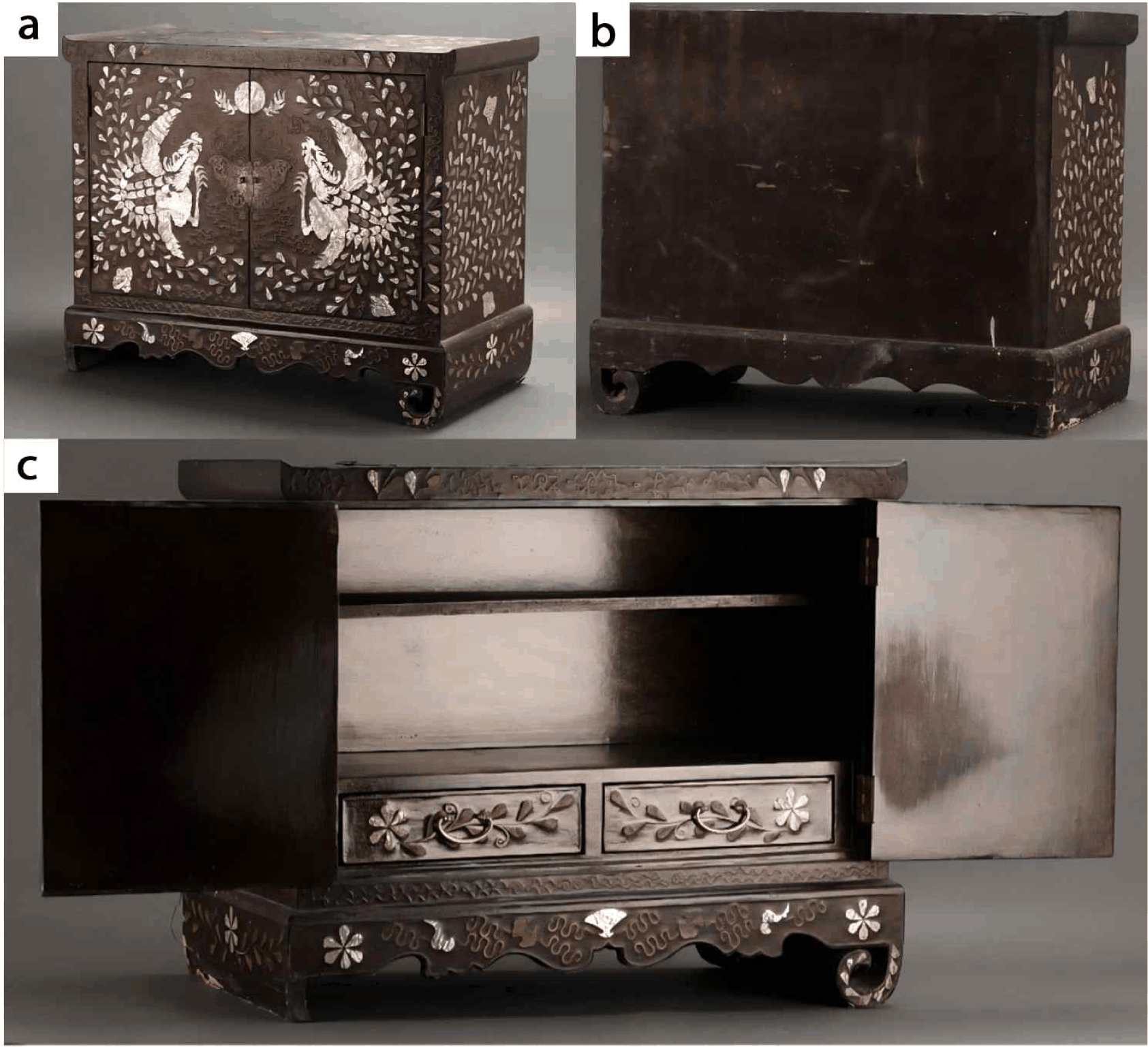
Mechanically sawn planks with a uniform thickness of 5 pun (approx. 15 mm) form the primary baek-gol framework. This plank structure was strategically engineered to balance material efficiency with visual substance. While the door panels encompass a single 15-mm plank to ensure lightweight operation, the top and side panels utilize a composite structure. Additional members were attached exclusively to the front-facing sections to simulate greater thicknesses of 1 chi 3 pun (approx. 40 mm) and 1 chi 1 pun (approx. 33 mm), respectively [Fig. 2(b)]. X-ray imaging confirmed this dual-layer construction and its specific nail patterns. This approach represents a modern processing strategy designed to replicate the robust volume of traditional furniture while minimizing wood consumption.
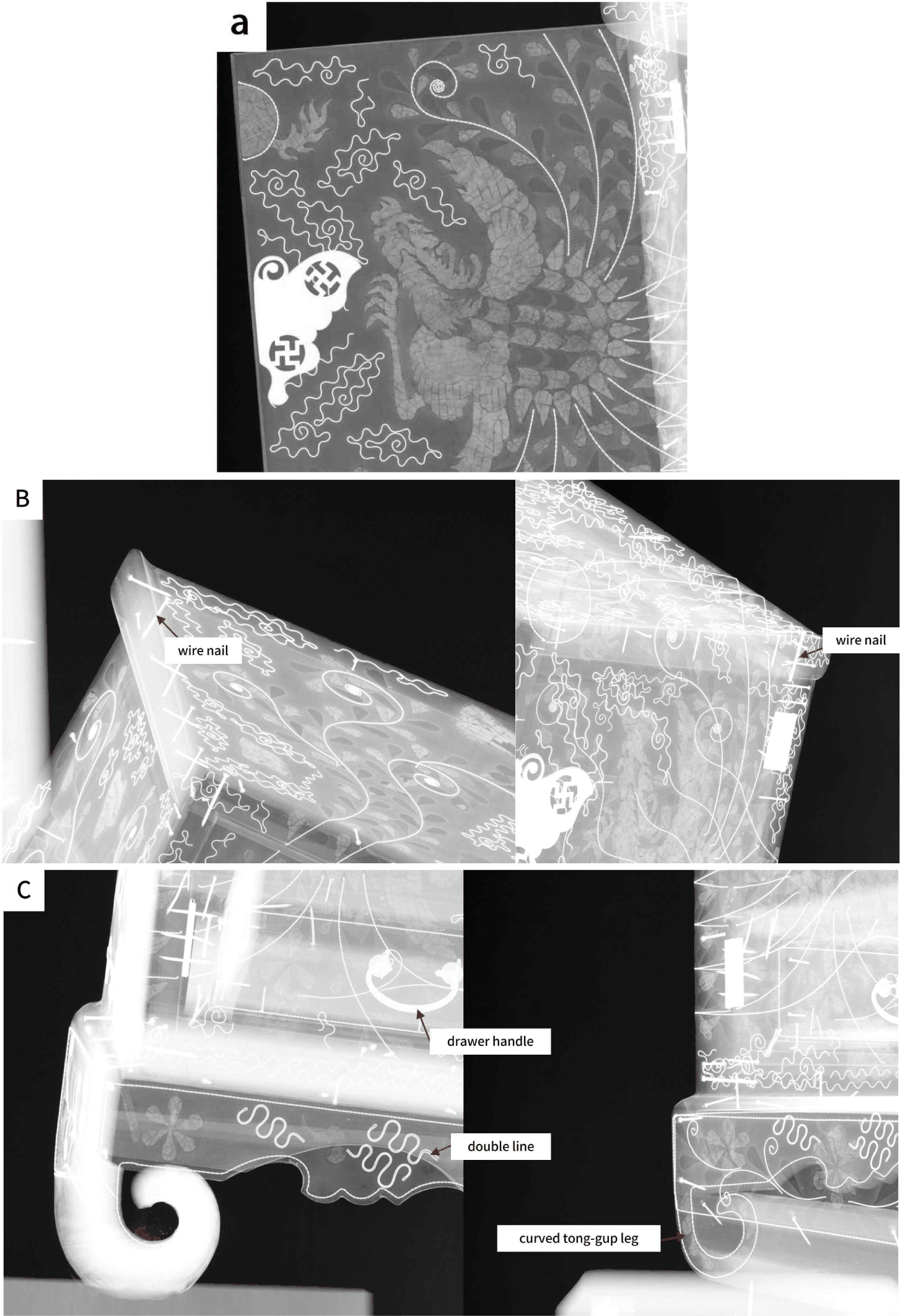
At the junctions of the top, side, and bottom panels, the planks were butt-jointed and nailed, bypassing traditional joinery techniques. X-ray analysis revealed that industrial nails, approximately 50 mm (2 inches) long, were driven at regular intervals to secure the additional members to the main framework [Fig. 2(b)]. To ensure a flawless lacquer finish, the nail heads were countersunk below the wood surface, reflecting a modern assembly and pretreatment methodology optimized for structural stability and high-quality surface.
The cabinet base features tong-gup legs with inward-curving ends, representing a stylistic modification of traditional forms. X-ray imaging clearly outlines the joinery lines between the carcass and legs, internal drawer structure, and pung-hyeol [decorative cutouts; Fig. 2(c)]. The consistent use of industrial nails throughout these sections underscores the transition toward modern materials and techniques in the evolution of furniture forms.
The material properties of the baek-gol wood were evaluated through optical microscopic analysis of samples taken from the legs, door interiors, side panels, and drawers. Results are summarized in Table 1 and Fig. 3. The analysis identified the baek-gol wood as part of the lauan/meranti group (Parashorea, Pentacme, and Shorea spp.). Discovering lauan provides a critical chronological marker, as this species is intrinsically linked to the distribution of imported timber during the modern era.
| Category | Sample ID | Sampling location | Wood species |
|---|---|---|---|
| W 01 | 4.2 | Leg (right rear) | Lauan · meranti |
| W 02 | 1.3 | Door (interior) | |
| W 03 | 7.9 | Left side panel (interior) | |
| W 04 | 3.8 | Drawer (interior) |
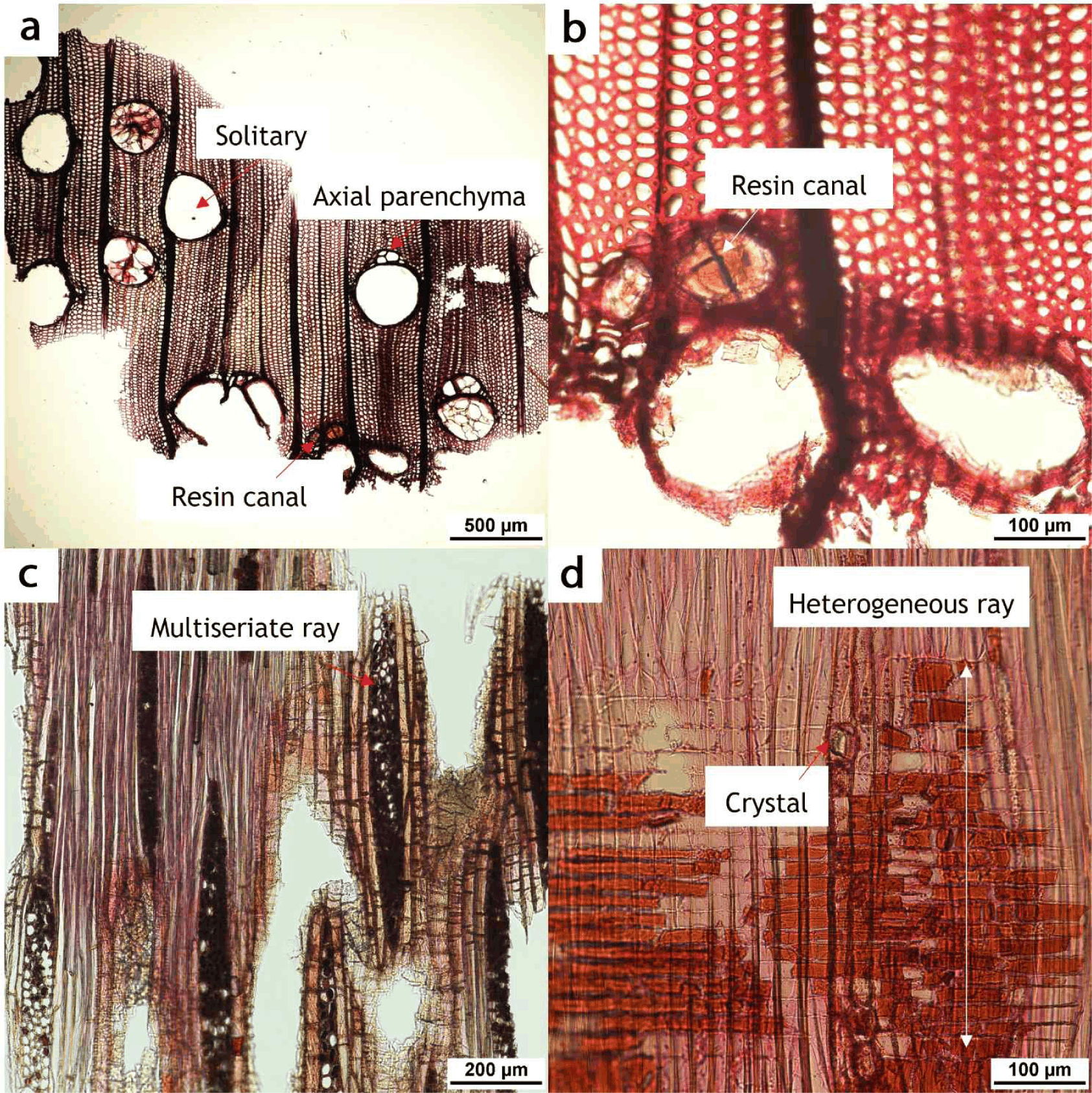
These hardwoods belong to the family Dipterocarpaceae, displaying a diffuse-porous structure in cross-section, with vessels arranged in row-like distributions throughout the growth rings. The vessels are circular to oval, predominantly solitary, and occasionally occluded by tyloses [Fig. 3(a)]. Axial parenchyma exhibits a paratracheal-banded pattern, accompanied by normal intercellular canals [Fig. 3(b)]. Tangential sections reveal multiseriate rays 3–5 cell wide [Fig. 3(c)], whereas radial sections show heterocellular and irregular multiseriate rays [classified under the Kribs system; Fig. 3(d)]. Furthermore, the wood features simple vessel perforations and crystals within the ray parenchyma cells.
Normal vertical intercellular canals are a rare diagnostic feature in most hardwoods, serving as a primary indicator of the family Dipterocarpaceae. For genera such as Parashorea, Pentacme, and Shorea, these canals are arranged in concentric circles and commercially traded as “lauan” or “meranti.” Specifically, “lauan” typically denotes Philippine timber, whereas “meranti” signifies timber from Malaysia, Indonesia, and Sarawak; the term “seraya” is also utilized across Java. Rather than a single species, lauan/meranti is a collective trade term for low- to medium-density woods from these three genera, valued for their moderate durability (Park et al., 1999). Commercially, they are categorized by color (red, white, and yellow), with yellow and white varieties extensively applied in light construction, interior materials, furniture, flooring, and veneer production (Walker, 2006).
Visual and X-ray examinations verified that the baek-gol was constructed by assembling standardized planks into a box-type structure, in contrast with traditional cabinet-making techniques, which rely on the complex joining of thick, solid wood members. Combined with the species analysis, this structural evidence indicates that the object was manufactured within a modern commercial manufacturing system using imported timber and planks. Consequently, while the baek-gol maintains traditional furniture forms, its material selection and structural management reflect a transition to industrialized materials—creating a hybrid character where traditional decorative techniques coexist with modern industrial engineering.
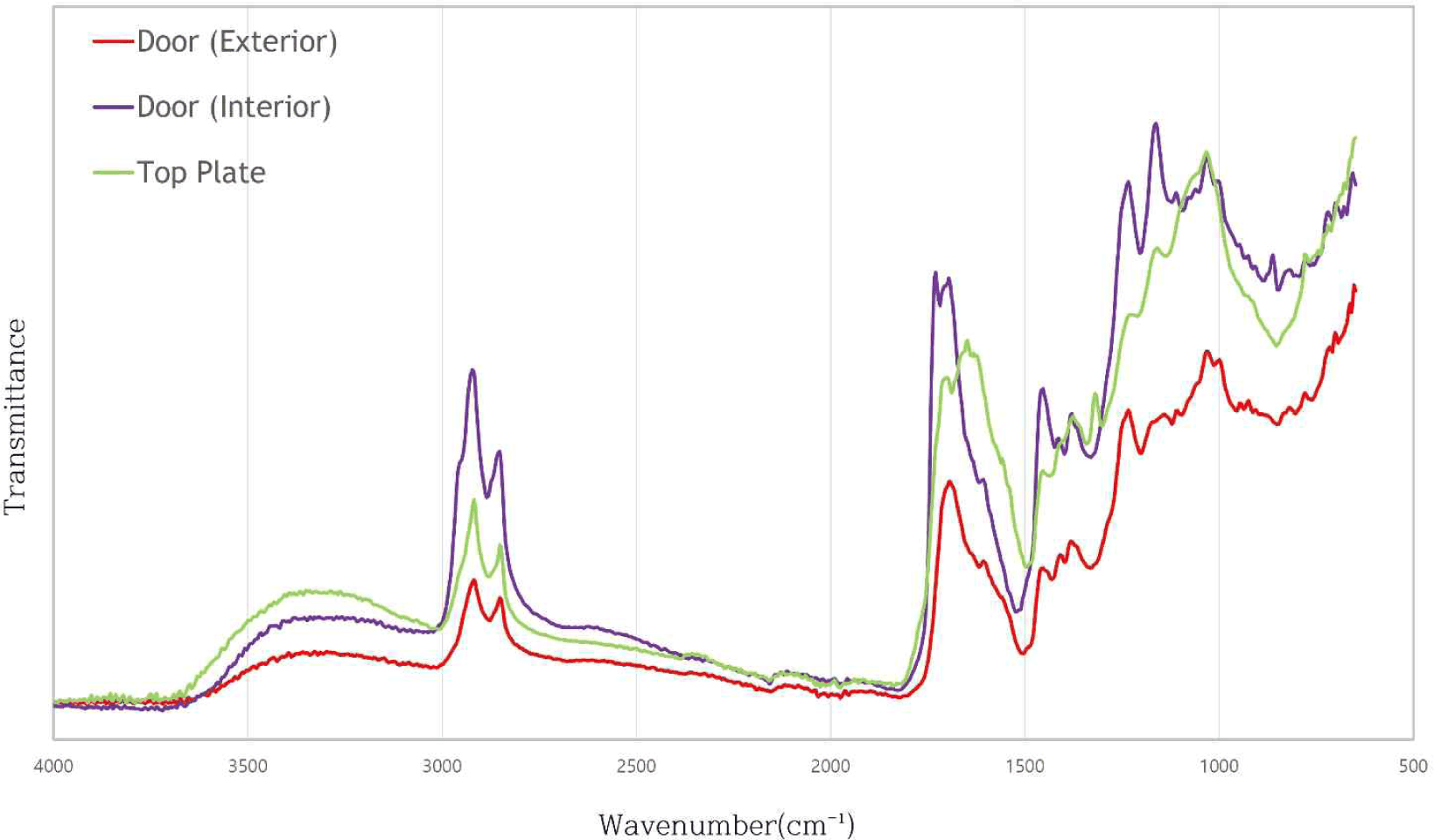
FT-IR analysis was conducted on three distinct areas—door exterior, door interior, and top panel—to characterize the organic matrix of the lacquer film on the phoenix-patterned cabinet. Results produced absorption spectra characteristic of urushiol-based organic films (Fig. 4). Key diagnostic peaks identified across all samples include 2,920 cm–1 and 2,850 cm–1 (aliphatic C–H stretching), 1,720–1,700 cm–1 (C = O stretching), and 1,620–1,590 cm–1 (C = C stretching). Notably, a distinct peak near 1,030 cm–1 corresponds to the C–O stretching of plant gums (polysaccharides), serving as essential constituents of natural lacquer (Kim et al., 2026). These spectral profiles align with established benchmarks for traditional urushiol lacquer (Choi et al., 2011; Lee and Han, 2017; Lee et al., 2025), confirming the surface finish being a traditional natural coating rather than a modern synthetic resin.
P-XRF analysis of the ground lacquer layers (undercoats) revealed high calcium (Ca) concentrations across all tested areas (back side, inside left door, and drawer bottom), ranging from 10.40 to 15.32 wt% (Table 2). Calcium constituted 91.82% of the total metallic elements, indicating a dense calcium carbonate filler. The presence of trace amounts of phosphorus (P), sulfur (S), and strontium (Sr), alongside the absence of magnesium (Mg), identifies the filler material as hobun (oyster shell powder; Lee et al., 2024).
Additionally, average concentrations of iron (Fe) and silicon (Si; at 0.15 and 0.18 wt%, respectively) indicate that a small amount of tobun (fine clay/soil powder) was mixed into the primary hobun matrix. This composite hobun-tobun ground layer provided a smooth, dense substrate necessary to securely support high-density decorative elements such as mother-of-pearl, tortoiseshell, and metal wires.
Radiocarbon dating was performed to establish the chronological framework for the artifact’s internal organic layers, sampling the Hanji (paper layer) and cotton fibers (fiber layer) embedded within the lacquer layers. Following AAA pretreatment, AMS radiocarbon dating was conducted (Table 3).
Results produced pMC values of 145.55 ± 0.47 for the paper layer (Sample 1) and 147.85 ± 0.45 for the fiber layer (Sample 2). Because both values significantly exceed 100%, they represent “modern carbon” formed after AD 1950 during the “bomb peak” period. This confirms that the organic components absorb the elevated atmospheric radiocarbon concentrations caused by nuclear testing since the 1950s.
The sampled paper and fiber layers were extracted from the internal strata directly above the wooden substrate. These specific areas showed no structural evidence of subsequent repairs or extraneous intervention, confirming that these media serve as original laminating materials from the initial manufacturing process rather than modern restoration phase materials [Figs. 5(a) and 6(a)].
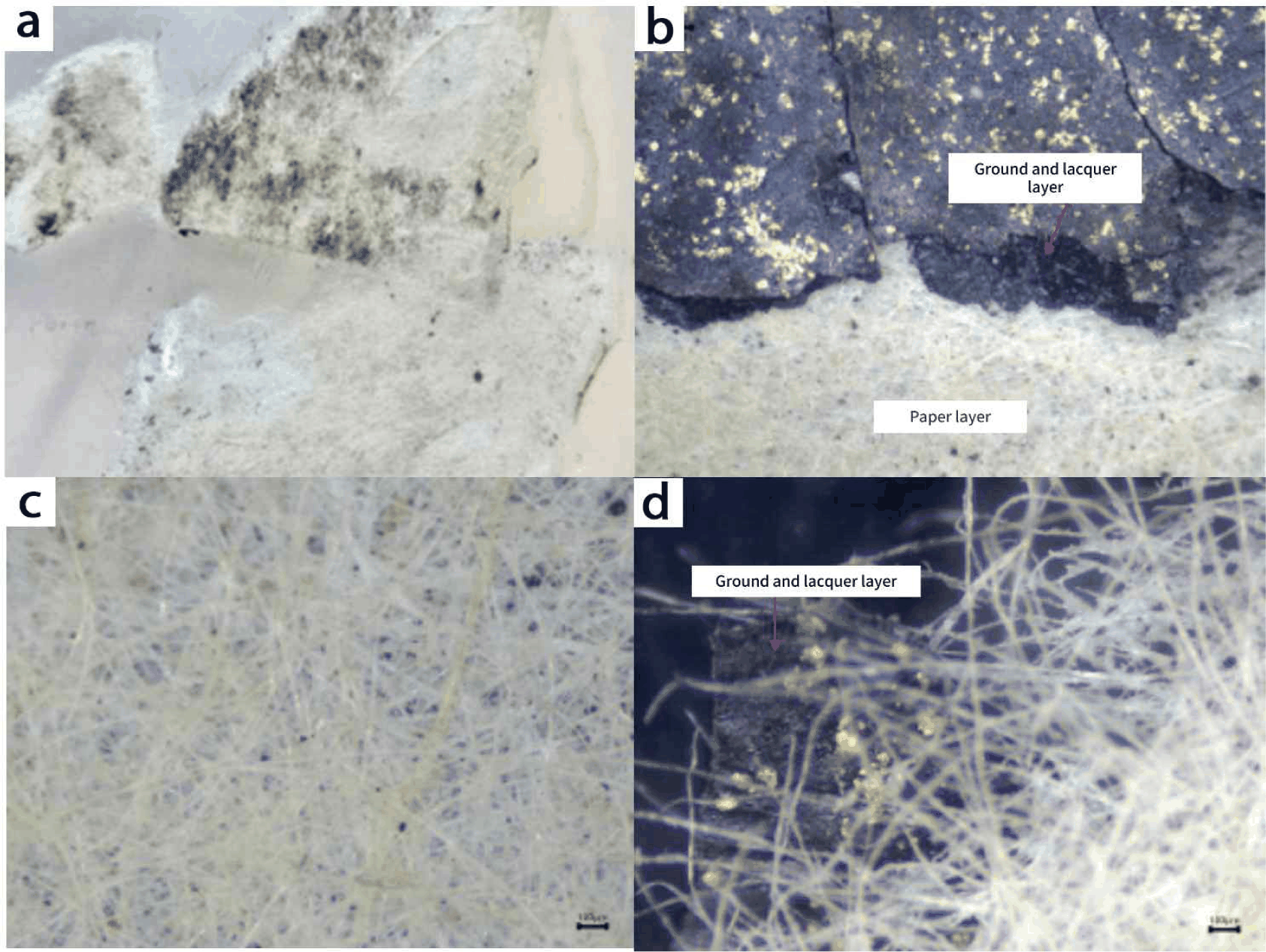
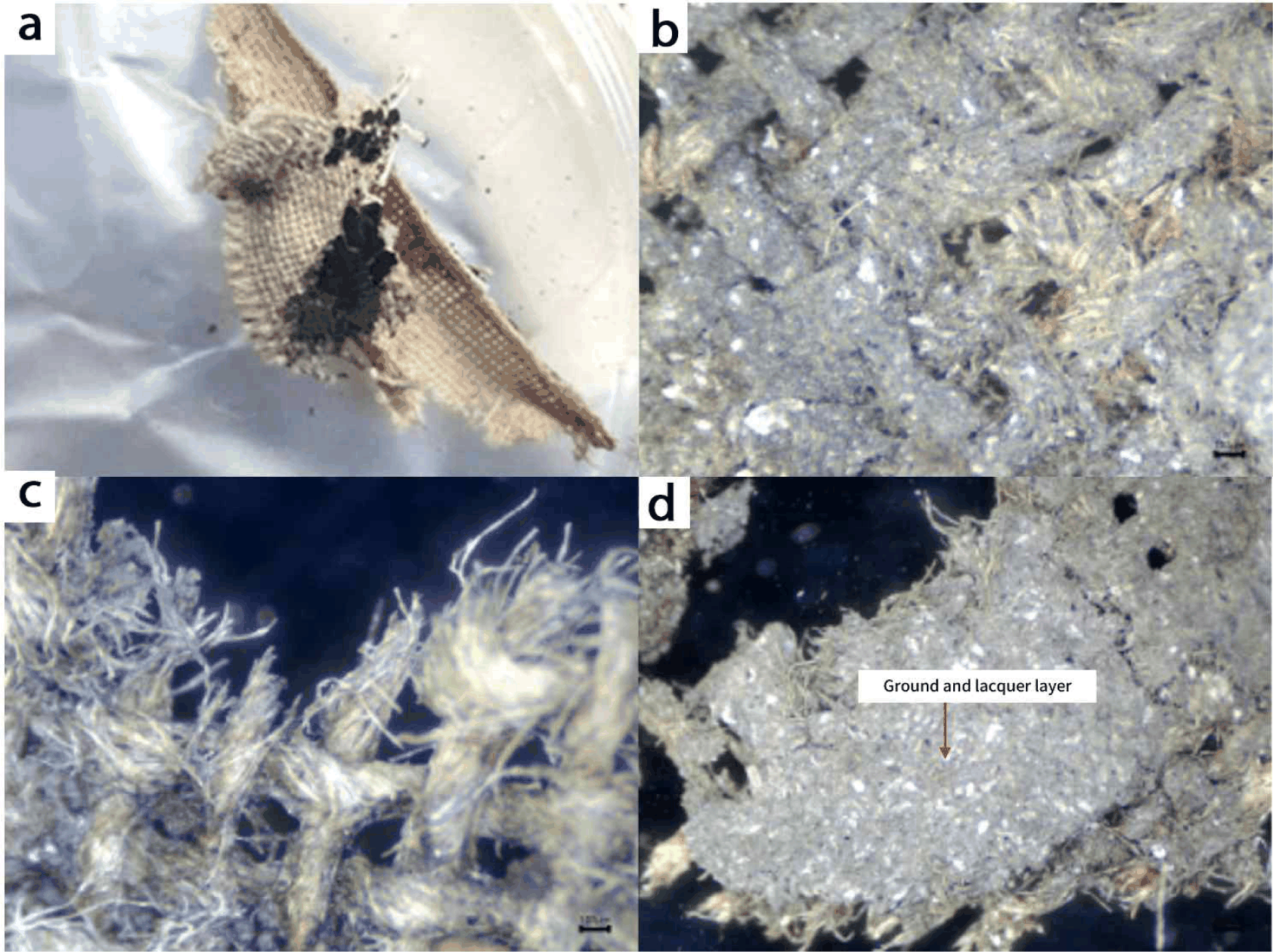
Although urushiol sap coatings are organic and theoretically viable for AMS dating, the incorporation of tobun (clay powder) and carbonates within the lacquer mixture often compromises dating accuracy. Therefore, the paper and fiber layers were selected as the most reliable representative samples. Because these two strata form part of the original structure in direct contact with the tortoiseshell (or substitute) decoration, their 14C dates provide definitive indicators of the cabinet’s production period [Figs. 5(b), (d), and 6(d)].
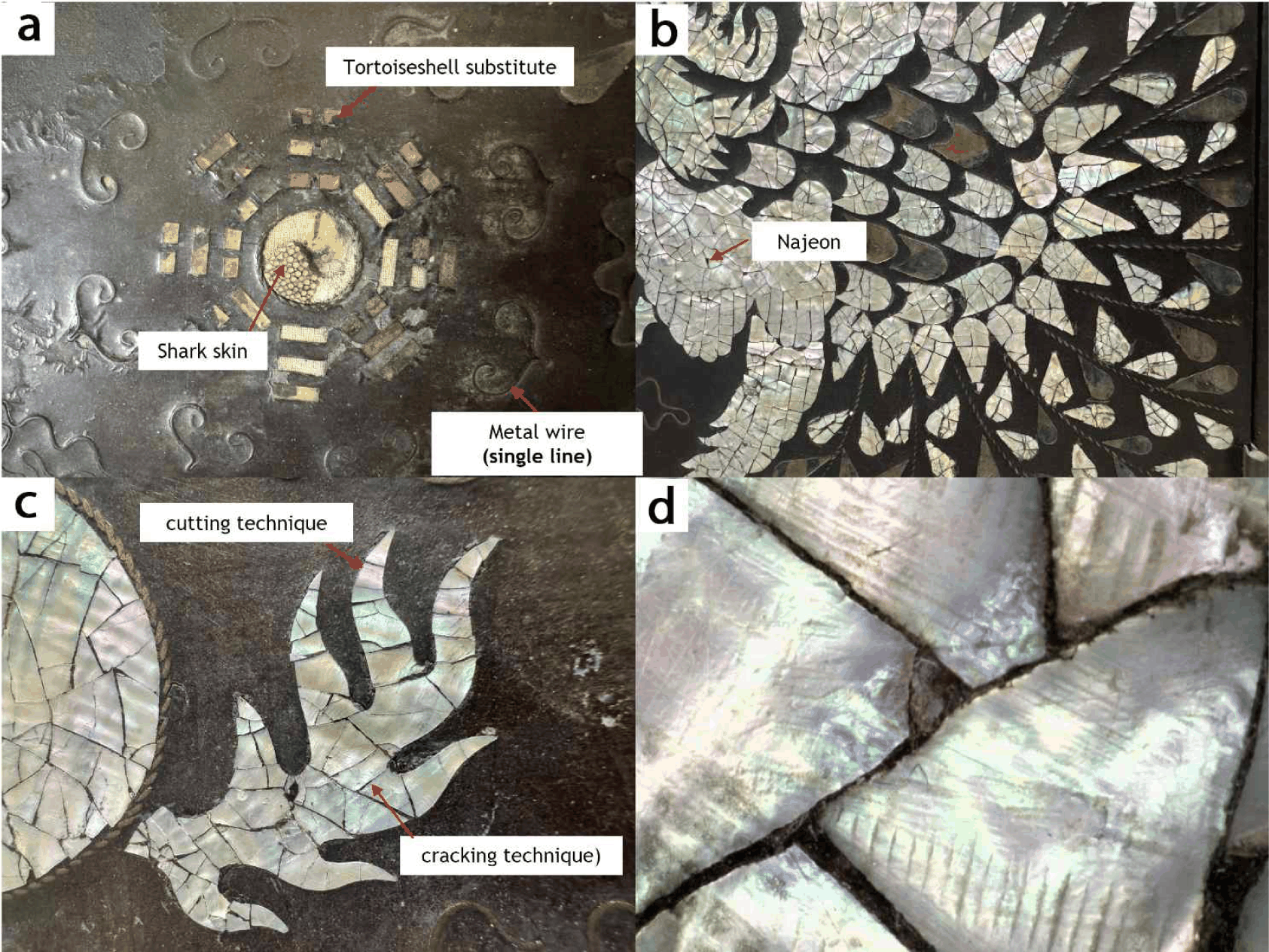
Visual and digital microscopic observations demonstrate that while the object’s decoration derives from traditional najeon (mother-of-pearl) methods, it employs a complex, high-density mixed decorative system incorporating multiple heterogeneous materials (Fig. 7). Mother-of-pearl and hwagak (ox horn) techniques exhibit a structural affinity; both assemble visual compositions by applying distinctively textured media onto a wooden substrate. Since the patterning method form the production core, these decorative motifs offer critical visual data documenting the esthetic values and socio-symbolic systems of the era (National Research Institute of Cultural Heritage, 2009).
Trends in mother-of-pearl craft from the late Joseon Dynasty to the modern era—specifically within the Seon-jeon (Art Exhibition) craft division—comprise four styles: traditional inheritance, exotic eclectic, revivalist, and Japanese (Kang, 2019). The traditional inheritance style faithfully adheres to late Joseon forms, patterns, and proportions, implementing only minor adjustments to shape or arrangement. This category maintains continuity with traditional combinations of mother-of-pearl, tortoiseshell, and metal wires. Conversely, the exotic, revivalist, and Japanese styles selectively embed foreign or historical elements (Chinese, Western, Goguryeo, or Japanese) to develop novel iconography. While the studied phoenix-patterned cabinet maintains the basic form and central motifs of late Joseon mother-of-pearl lacquerware, its high decorative density, use of synthetic substitutes, and specific stylistic rendering of the phoenix align it directly with the traditional inheritance style of the modern industrial exhibition period.
The twin phoenixes on the front door panel, the artifact’s central motif, were executed using the jureum-jil technique. Notably, varied mother-of-pearl elements composed the wings and tails to enhance the organic flow and three-dimensional depth of the plumage [Fig. 7(b)].
A key traditional feature of this artifacts is the application of tachal-beop (cracking technique), where relatively large pieces of mother-of-pearl are pressed onto the surface and intentionally fractured to ensure adhesion to curved planes. In this instance, the technique transcends beyond functional utility; the irregular crack lines and segmented patterns serve as deliberate visual devices to impart a lifelike texture to the plumage and scales [Fig. 7(b) and (c)]. Furthermore, the background is densely filled with small, scattered mother-of-pearl fragments—a modern decorative trend that integrates the background with the primary motif while maximizing the overall visual density and opulence.
Digital stereo-microscopic observation (50 ×, 200 ×) resolved the irregular crack lines characteristic of tachal-beop, whereas the cut edges exhibited the distinct hallmarks of jureum-jil [Fig. 7(d)]. The mother-of-pearl features an average thickness of 0.05 mm, with traces of adhesive verified along the interface of the attachment layer.
Single, double, and twisted metal wires were used for outlines and detailed divisions, providing a sharper visual tension than mother-of-pearl alone (Fig. 8). P-XRF analysis targeted the top single line, front twisted wire, and leg double line to characterize their material properties.
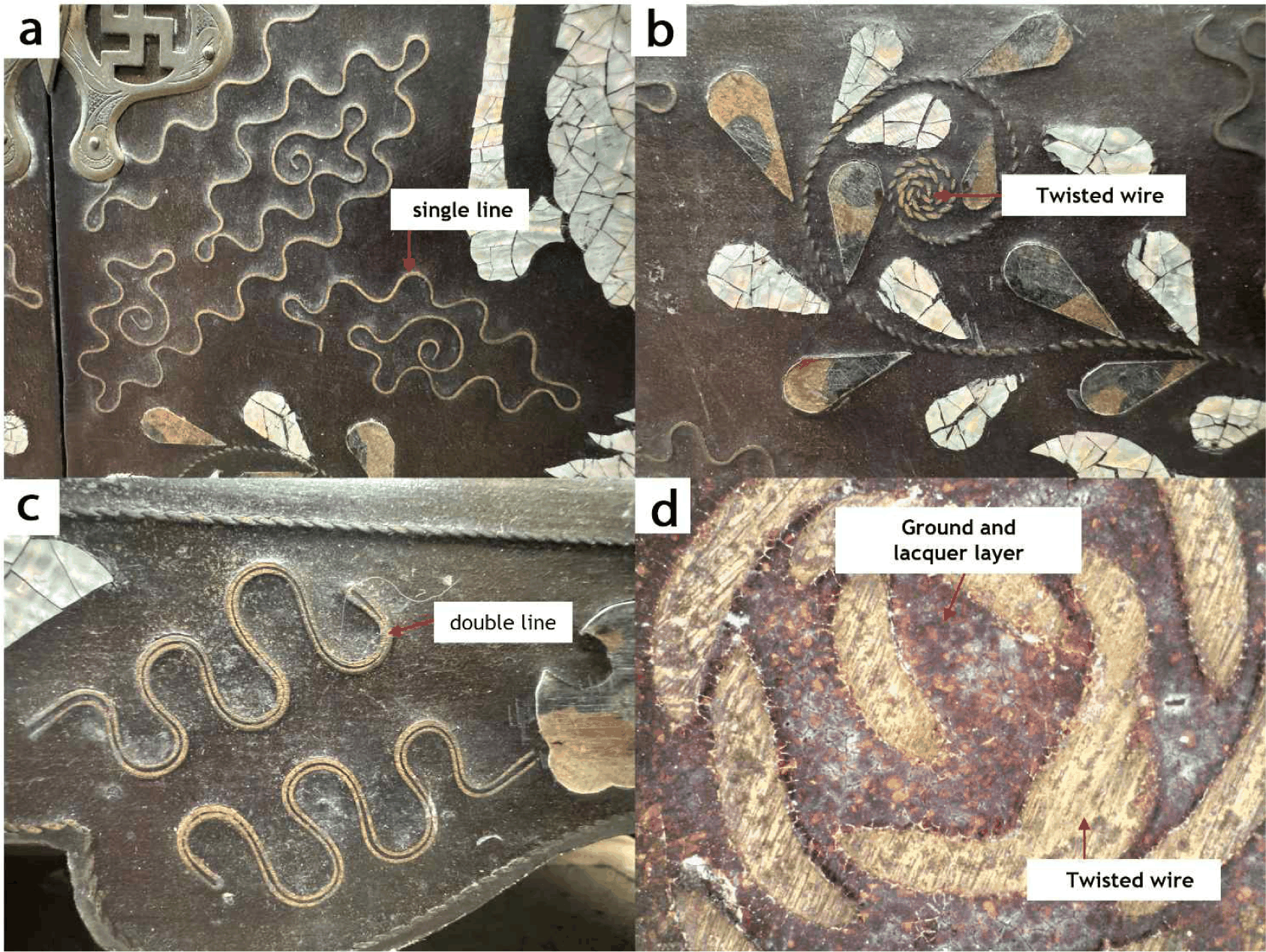
The analysis detected Cu at 50.08–55.90 wt% and Zn at 28.08–32.37 wt%. The cumulative Cu and Zn content across all three samples totaled only 78.16–88.22 wt%, indicating a significant concentration of trace elements and impurities (Table 4). Compared to standard 7/3 brass (approx. 70 wt% Cu and 30 wt% Zn), this composition features lower copper and relatively higher zinc. Sulfur (S) contents spanned at 1.57–9.50 wt%; the notably high concentration in the top single line points to significant sulfide corrosion (black rust). Silicon (Si) and aluminum (Al) are attributed to environmental dust and soil particles, whereas all remaining elements (Fe, Cr, Pb, Sn, and Ni) fell below 1 wt%.
Excluding impurities, the wire is classified as a Cu–Zn brass alloy with a Zn/ (Cu + Zn) ratio of 0.35–0.37, indicating approximately 35 wt% zinc. This high zinc concentration and consistency across samples suggest modern alloying technologies utilizing pure zinc metal. Microscopic analysis revealed an oxide layer and fine corrosion pitting, whereas the cross-section displayed a circular hwan-seon (round wire) profile [Fig. 8(d)]. While brass and tin wires were employed in Goryeo Dynasty mother-of-pearl lacquerware, using brass round wire became predominant from the Joseon Dynasty onward (National Museum of Korea, 2015). The morphological characteristics and corrosion patterns of the metal wire in this object consistently align with these traditional brass round wire features.
The phoenix bodies and the top panel Palkwae (Eight Trigrams) used a translucent, lustrous material. While visually similar to traditional daemo (tortoiseshell) inlay, the substance exhibited varying tones and stratigraphic structures across different sections [Figs. 7 and 9(a)].
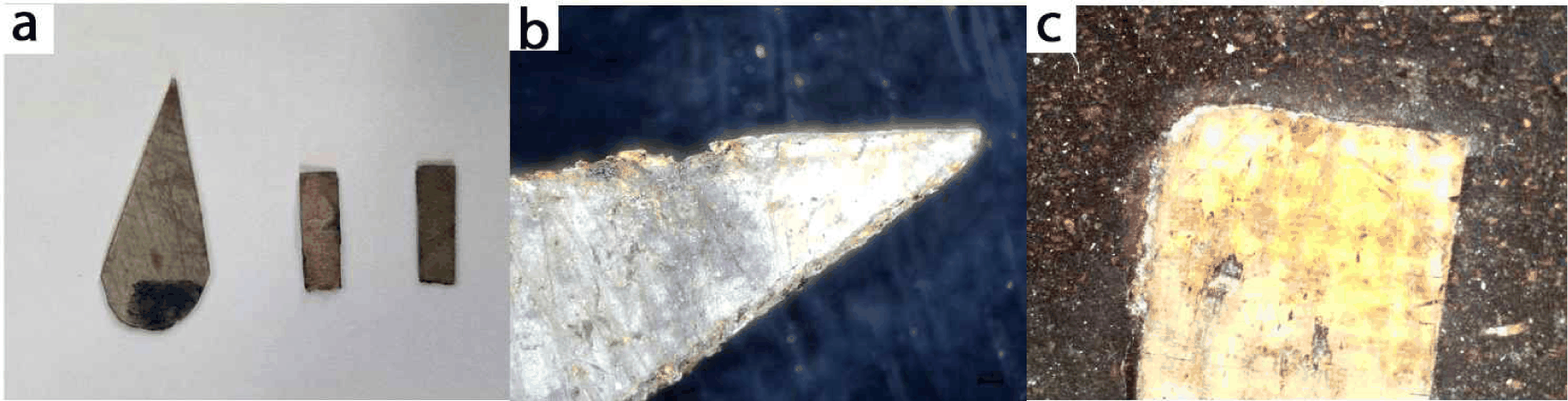
Digital microscopy showed histological features completely distinct from natural tortoiseshell or ox horn. Natural tortoiseshell typically displays irregular color pigmentation and organic texturing [Fig. 10(a)], whereas ox horn (gak-ji) exhibits a characteristically fibrous, layered keratin material [Fig. 10(b); O’Connor et al., 2015].
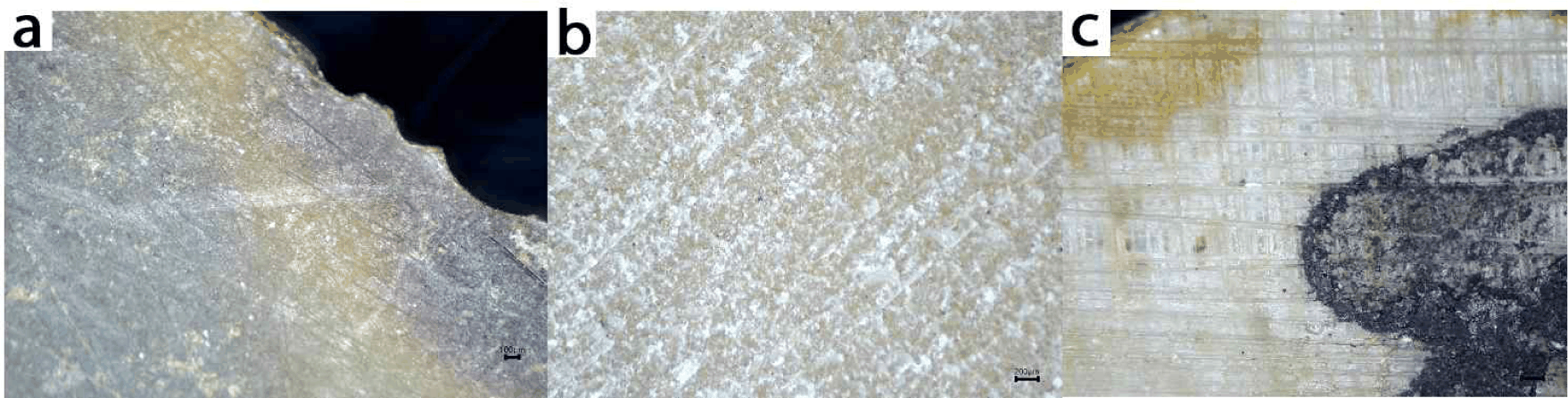
Imaging of the phoenix tail and Palkwae samples at 200 × magnification showed complete absence of such fibrous structure. Instead, microscopic pores characteristic of synthetic polymers and an artificial bokchae (back-painting) layer were verified [Fig. 10(c)]. This indicates that the material is a synthetic resin-based substitute engineered to mimic the visual effect of natural materials—a modern adaptation where color pigments are applied to the reverse of plastic plates to replicate the appearance of tortoiseshells.
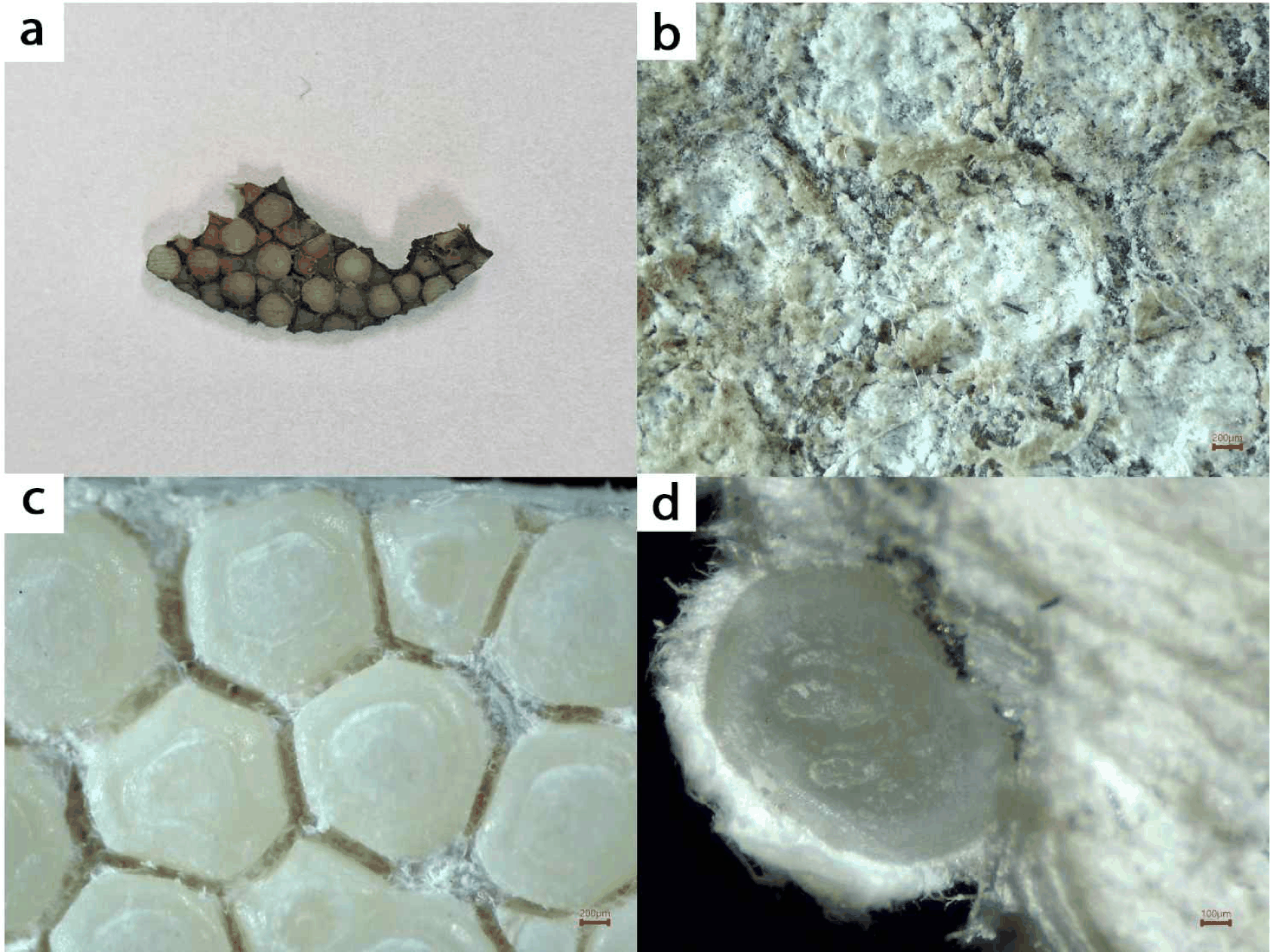
Fish skin (eopi) occurred in portions of the Palkwae decoration. Microscopic observation of detached fragments confirmed a regular arrangement of placoid scales, identifying the material as a shark skin [Fig. 11(a) and (b)]. Comparison with reference materials verified the use of shark leather [Fig. 11(c) and (d)], which appears to have been polished during the manufacturing process [Fig. 11(a)].
P-XRF analysis of the hardware and locks confirmed that the majority of exposed fittings—including the butterfly ornaments [Fig. 12(a)], internal hinges, and drawer handles—consisted of traditional brass alloys (55.05–66.71 wt% Cu, 20.61–34.30 wt% Zn; Table 5). The average cumulative Cu + Zn content was 92.61 wt%. Interestingly, even the structural nails were made of brass, likely for visual cohesion and corrosion resistance.
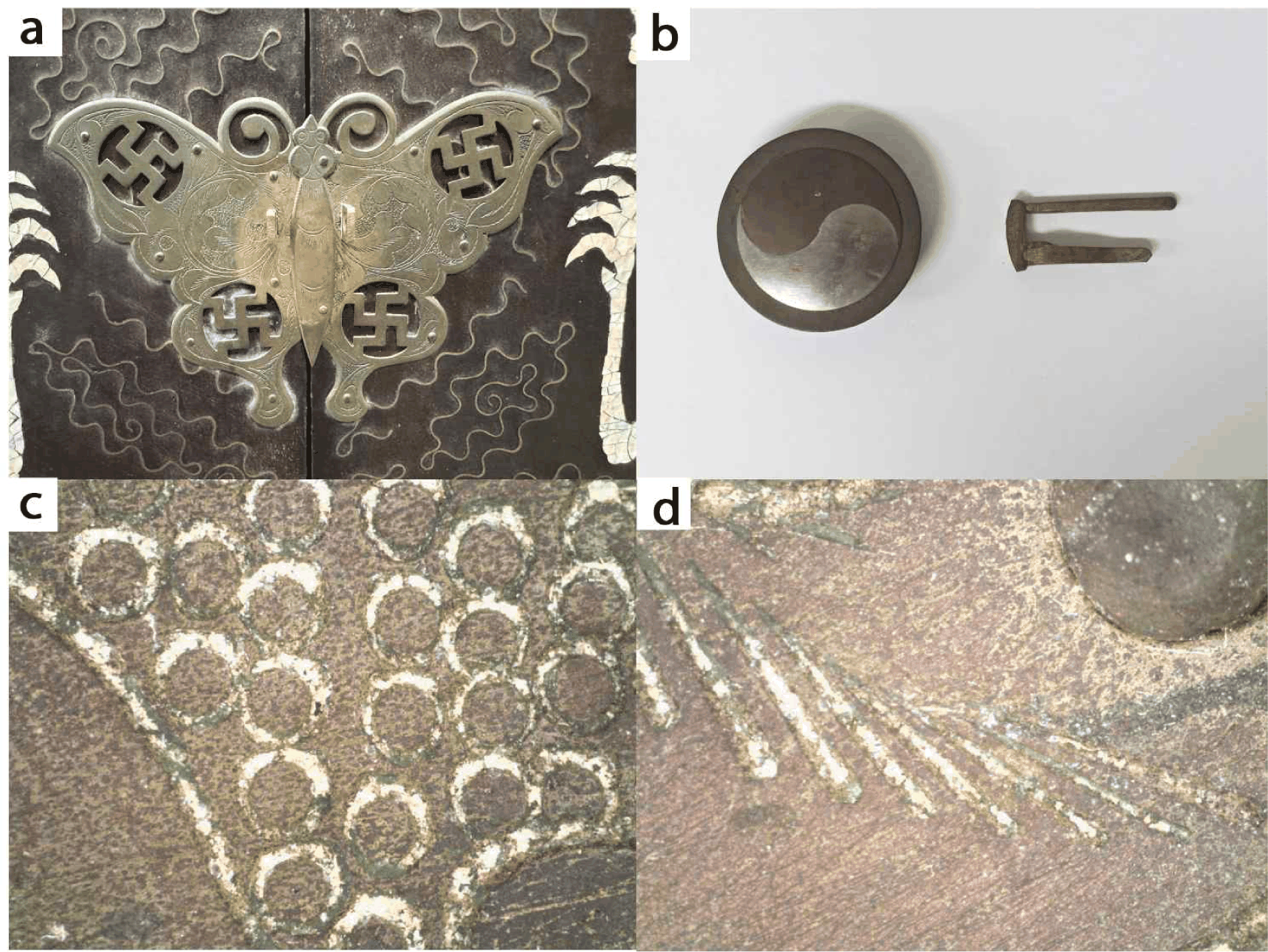
In contrast, the lock used heterogeneous metals tailored to specific functional and aesthetic roles [Fig. 12(b)]. While the lock body and key consisted of standard brass (approx. 62 wt% Cu and 33 wt% Zn), the white taegeuk motif on the lock consisted of 80.51 wt% iron (Fe) and 16.55 wt% chromium (Cr), diagnostic of stainless steel (Lim et al., 2021). Conversely, the red taegeuk section was made of high-purity copper alloy (89.77 wt% Cu), matching closely with jeok-dong (red copper) than the main body. This indicates an intentional material strategy designed to maximize the color contrast of the taegeuk symbol.
Microscopic analysis of fitting fragments revealed tool marks from striking, cutting, and shaping operations [Fig. 12(c) and (d)]. This integration of traditional brass/copper with modern industrial materials like stainless steel provides clear evidence of a transitional manufacturing phase of the materials.
4. CONCLUSIONS
This study provided a multifaceted analysis of a modern mother-of-pearl lacquered cabinet featuring a phoenix pattern (730 mm × 355 mm × 590 mm). By synthesizing structural, dendrological, stratigraphic, radiocarbon, and material analyses, this research establishes a scientific methodology for dating modern mother-of-pearl furniture—which is often difficult to classify by style alone. Results highlight the intersection of tradition and modernity in material and structure.
First, the baek-gol was constructed from standardized 15-mm lauan (Shorea spp.) planks. While the door panels used single 15-mm planks to minimized weights for ease of use, the top and side panels featured reinforced sections reaching thicknesses of 40 and 33 mm, respectively, to replicate the visual weight of traditional cabinetry. Regarding joinery, there were modern assembly methods identified: steel wire nails (approx. 50 mm long) that replaced traditional joinery. Nail heads were deeply embedded to streamline the process while achieving the smooth surface for the modified curved tong-gup legs.
Second, lacquer layer analysis identified a ground layer primarily composed of hobun (calcium carbonate) with trace inclusions of tobun (clay minerals), finished with a traditional urushiol-based lacquer film applied in multiple overlapping layers. Notably, the lamination of paper and fiber over imported, large-vessel hardwoods (like lauan) and subsequent pore filling demonstrate a transitional technique adapting traditional ground-coating methods to modern imported timber.
Third, AMS radiocarbon dating of the internal paper and cotton fiber layers produced pMC values of 145.55%–147.85%, corresponding to the “bomb carbon” levels after 1950, with such values aligning with the late 1950s to 1960s on the Northern Hemisphere 14C bomb curve. The lack of evidence for subsequent repairs confirms that these materials were highly likely manufactured between the late 1950s and the 1960s.
Fourth, the decorative materials reflected a complex hybrid of traditional and modern industrial elements. Traditional materials, including mother-of-pearl (applied via jureum-jil and tachal-beop), round brass wires, and fish skin, were used alongside modern substitutes, such as plastic artificial tortoiseshells, Fe–Cr-based stainless steel locks, and standardized brass/copper fittings. Specifically, comparative optical analysis of natural tortoiseshell, ox horn, and plastic verified that the translucent substance in the phoenix tails and Palkwae designs was a synthetic resin. It lacked keratinous fibrous structures, featuring instead microscopic pores and back-painting (bokchae) layers characteristic of plastic. This transition highlights a modern strategy to maintain the esthetic of rare tortoiseshells while overcoming supply limitations.
Fifth, metal fitting analysis showed that the majority of decorative elements including butterfly-patterned plates, internal hinges, and handles—and structural nails were made of Cu–Zn-based brass alloys to ensure visual cohesion and corrosion resistance. Simultaneously, the identification of Fe–Cr-based metal and pure copper (jeok-dong) within the lock’s Taegeuk motif demonstrates a transitional system. Here, modern industrial metals like stainless steel were used alongside traditional alloys.
In summary, the modern mother-of-pearl lacquered phoenix-patterned cabinet analyzed in this study represents a preservation of late Joseon esthetic traditions and coating techniques. However, it also serves as a cross-section of a transitional craft period, actively incorporating industrial materials and processes, such as standardized lauan planks, wire nails, plastic substitutes, and chrome-plated components. By integrating complex structural and material data, this study provides a scientific methodology for chronological classification of modern lacquerware and establishes foundational data for the study of modern wood-and-lacquer craft evolution.

