
Journal of the Korean Wood Science and Technology
The Korean Society of Wood Science & Technology
Original Article

Influence of Toasting Levels on the Chemical Components of Eucalyptus camaldulensis Dehnh. Wood

Kim Wilmer Madrid BALAGOT1,https://orcid.org/0009-0008-3572-147X, Princess Tina HIMALAY1, Cherrie Mae Jacobe MARTINEZ1, Kimberly Mabango DELICA-BALAGOT1, Rebecca Bato LAPUZ1
1Chemistry and Biotechnology Section–Material Science Division (CBS-MSD), Department of Science and Technology - Forest Products Research and Development Institute (DOST-FPRDI), UPCFNR Campus, UPLB, College 4031, Philippines
Corresponding author: Kim Wilmer Madrid BALAGOT (e-mail: kimwilmer.balagot@fprdi.dost.gov.ph)

Copyright 2026 The Korean Society of Wood Science & Technology. This is an Open-Access article distributed under the terms of the Creative Commons Attribution Non-Commercial License (http://creativecommons.org/licenses/by-nc/4.0/) which permits unrestricted non-commercial use, distribution, and reproduction in any medium, provided the original work is properly cited.

Received: Jun 18, 2025; Revised: Aug 26, 2025; Accepted: Sep 24, 2025

Published Online: Jan 25, 2026

ABSTRACT

Barrel-making commonly involves wood toasting processes that improve the sensory profile of alcoholic beverages. This study aimed to determine the effect of toasting levels on the wood chemical components of Eucalyptus camaldulensis Dehnh., known as river red gum (RRG) using TAPPI and ASTM methods. Total phenolic and sugar contents and volatile components of this wood aged in a model spirit solution were measured using UV-Vis spectrophotometry and gas chromatography-mass spectrometry (GC-MS), respectively. Results showed that heavy toasting significantly reduced the lignin content of RRG wood from 31.91% to 28.40%. The GC-MS analysis showed that the thermal degradation of lignin formed new volatile compounds such as 3,5-dimethoxy-4-hydroxycinnamaldehyde, coniferyl aldehyde, syringaldehyde, syringylacetone and vanillin in the heavily toasted and charred RRG wood extracts. Furthermore, charring of RRG wood led to a decrease in total phenolic content from 398.49 mg GAE/L to 374.26 mg GAE/L. Hemicellulose was significantly decreased from 48.24% to 44.94% (heavy toasted) and 34.15% (charred), which was further confirmed with the increase in total sugar content of RRG wood extract from 186.29 mg Glu/L to 230.44 mg Glu/L (heavy toasted) and 342.87 mg Glu/L (charred). Additionally, results in Fourier transform infrared spectroscopy confirmed the thermal degradation of hemicellulose and lignin. Overall, the toasting treatment had a significant effect on the RRG wood chemical components, particularly on lignin and hemicellulose, leading to the formation of new sensory compounds that could add complexity and a unique sensory profile to alcoholic beverages likes distilled spirits.

Keywords: toasting levels; Eucalyptus camaldulensis; wood chips; alcoholic beverages; model spirit solution

1. INTRODUCTION

The use of wood barrels and wood chips plays an integral part in the quality and sensory profile of alcoholic beverages. Traditionally, the wood species considered best for making barrels is oak (Quercus genus). However, as a result of the huge demand for oak barrels, some countries have explored alternative wood materials, such as false acacia, cherry, European and American ash, and mulberry, for use in the aging and maturation of alcoholic beverages (Jordão and Cosme, 2022).

In the Philippines, winemakers, distillers, and brewmasters commonly use plastic, glass and stainless containers due to the unavailability and high costs of importing oak barrels.

The World Health Organization reported that spirits account for the majority of alcoholic beverage consumption in the Philippines (72%), followed by beer (27.3%) and wine (0.4%). With the increasing demand for these alcoholic beverages in the Philippines, the Department of Science and Technology – Forest Products Research and Development Institute (DOST-FPRDI) explored, studied, and developed non-oak wooden barrels made from locally available wood species such as Sandoricum koetjape (Burm. f.) Merr., Swietenia macrophylla King, Acacia mangium Willd., and Eucalyptus camaldulensis Dehnh. for wine aging purposes.

Among these, E. camaldulensis Dehnh. or river red gum (RRG) wood was studied further for its potential as alternative to oak for distilled spirit aging. This tree is native to Australia and widely introduced to the Philippines to serve as a plantation or reforestation species because of its invasive and highly adaptive characteristics that could withstand extreme environmental conditions such as drought and high soil salinity (Rojas-Sandoval and Acevedo-Rodríguez, 2019). Its appropriateness for spirit maturation is further supported by its successful use by several Australian distilling companies. For instance, Woodwater Distillery Pty Ltd’s RRG-matured whisky received a bronze medal at the 2023 World Whisky Awards.

To determine the suitability of this local wood as an alternative to oak for maturing spirits, the effect of toasting levels on the macromolecule’s components (cellulose, hemicellulose, lignin) and extractives of the RRG wood was initially investigated using ground wood samples and model spirit solution through various chemical methods and instrumental analysis. These chemical components are known to degrade as the temperature rises (Kim et al., 2018; Park et al., 2020) and hydrolyze at higher toasting temperature (> 200°C) to form into new aromatic and sensory compounds that could significantly improve the quality, complexity, and sensory profile of alcoholic beverages upon aging (Carpena et al., 2020).

This study will serve as a baseline knowledge for the suitability of different toasting level in E. camaldulensis for the wood industry, specifically for use as wooden barrels and wood chips for the aging of alcoholic beverages.

2. MATERIALS and METHODS

2.1. Sample preparation

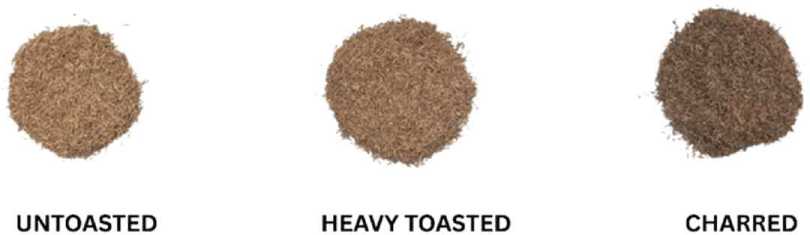
Kiln dried RRG wood samples were prepared following the TAPPI T 257 method. Samples were cut to matchstick size, air-dried, and then ground using a Wiley mill (Wiley Mill Model N02, Arthur Thomas, Chadds Ford, PA, USA). The ground samples were then sieved in a mesh wire passing 40 mesh and retained at 60 mesh. The samples retained on the 60-mesh screen were used to determine chemical properties. Ground samples were then toasted in a convection oven at varying temperatures and durations (Fig. 1; Table 1).
wood-54-1-1-g1
Fig. 1. Ground river red gum wood samples with different toasting levels.
Download Original Figure
Table 1. Thermal treatment conditions of RRG wood for different toasting levels
Toasting level Temperature and duration
Untoasted No heat treatment
Heavy toasting 200°C, 25 min
Charred 250°C, 15 min

RRG: river red gum.

Download Excel Table

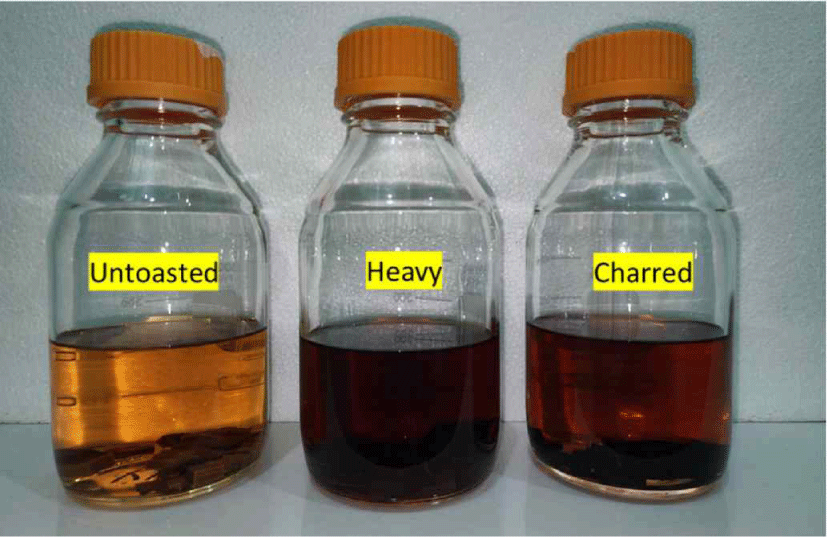
Then, the samples were subjected to proximate chemical analysis. For other chemical analyses such as total phenolic content (TPC), antioxidant, total sugar analysis and gas chromatography-mass spectrometry (GC-MS) analysis, 20 g/L RRG wood chips (untoasted, heavy, charred) were soaked in 40% ethanol for 1 month (Fig. 2) as an experimental spirit solution.
wood-54-1-1-g2
Fig. 2. Maceration of river red gum wood chips (20 g/L) in 40% ethanol for chemical analysis.
Download Original Figure
2.2. Proximate chemical analysis

Standard methods (with some modifications) were used for chemical analysis of wood components. All analyses were done in triplicate (Table 2).

Table 2. Summary of analytical methods for determination of proximate chemical properties of RRG wood
Proximate chemical analysis Test methods/Reference
Moisture content TAPPI T 264 cm-07 (TAPPI, 2007)
Ash content TAPPI T 211 om-12 (TAPPI, 2012)
Ethanol (40%) extractive content Modified TAPPI T204 cm-07 (TAPPI, 2007; Balagot et al., 2024)
Hot water solubility T 207 cm-08 (TAPPI, 2008)
1% Sodium hydroxide (NaOH) solubility TAPPI T 212 om-12 (TAPPI, 2012)
Lignin content Modified TAPPI T 222 om-15 (TAPPI, 2011; Balagot et al., 2024)
Holocellulose content Erickson, modified TAPPI procedure (Erickson, 1962; Balagot et al., 2024)
Alpha-cellulose content ASTM-D1103-60 (ASTM, 1968)
Hemicellulose content Difference between holocellulose and alpha-cellulose content

RRG: river red gum.

Download Excel Table
2.3. Total phenolic content

TPC was determined with the Folin-Ciocalteu reagent according to a procedure described by Singleton and Rossi (1965). Sample (0.5 mL) was added with 0.2 mol/L Folin-Ciocalteu reagent (2.5 mL) followed by 75 g/L sodium carbonate solution (2 mL). The absorbance readings were taken at 765 nm after incubation at 45°C for 15 minutes using UV Vis spectrophotometer (UV-1700, Shimadzu, Kyoto, Japan). Gallic acid was used as a reference standard, and the results were expressed as milligram gallic acid equivalent (mg GAE/g) dried extract. The calibration curve ranged from 0.0–1,000 ug/mL. The data were presented as mean values ± SD (n = 3).

2.4. 2,2-Diphenyl-1-picrylhydrazyl radical scavenging assay

This test using 2,2-diphenyl-1-picrylhydrazyl (DPPH) was carried out following the method described by Sharma et al. (2018) with some modifications. The working solution was prepared using a methanolic solution (98 mg/L). A portion (950 μL) of the working solution was added to the concentrated extracts and standard solutions. The sample was incubated for 30 minutes and absorbance was read at 515 nm using UV Vis spectrophotometer (UV-1700, Shimadzu). Trolox solutions were used for calibration, and antioxidant activity was expressed in mmol TE/g dried extract. The calibration curve ranged from 0.050–0.500 mM.

2.5. Cupric-reducing antioxidant capacity assay

The method used was from Apak et al. (2008) with some modifications. The analysis, three solutions were mixed in a test tube. Solution A was prepared by dissolving copper (II) chloride in distilled water to produce a solution containing 0.010 M Cu(II). Solution B contained ammonium acetate buffer pH 7.0, which was prepared by dissolving ammonium acetate in distilled water. Solution C contained 0.0075 M neocuproine (2,9-dimethyl-1,10-phenanthroline) in ethanol.

The reaction mixture was left for 30 minutes in the dark and then the absorption was measured at 450 nm using a UV Vis spectrophotometer (UV-1700, Shimadzu). Trolox was used as a reference standard. The results were expressed as Trolox equivalent antioxidant capacity (TEAC) or in mmol TEAC/g dried extract. The calibration curve ranged from 0.0–0.500 mmol/L.

2.6. Total sugar analysis

Total sugar content was quantified using the procedure published by DuBois et al. (1956). A 0.5-mL of extracts was put into a test tube and added with an equal amount of 5% phenol. The working solution was vortexed to ensure a complete reaction. Then, 2.5 mL of concentrated sulfuric acid was added and thoroughly vortexed. The solution was allowed to stand for 10 min before cooling in a water bath (25°C–30°C) for 20 min. The absorbance of the sample or standard was measured at 490 nm using a UV Vis spectrophotometer (UV-1700, Shimadzu). A calibration curve with a coefficient determination of 0.9974 was prepared using glucose solutions (0–0.10 mg/mL).

2.7. Fourier transform infrared analysis

The infrared spectra of untoasted, heavy and charred RRG wood samples were obtained using Fourier transform infrared (FTIR) spectrophotometer equipped with Single Reflection Diamond Attenuated Total Reflectance (ATR; IR Prestige 21, Shimadzu, Japan) in the range of 400–4,000 cm–1 and a resolution of 4 cm–1 with a total of 40 scans per sample (n = 5). The average spectra of each RRG wood sample were plotted using the Origin Pro 2025.

2.8. Gas chromatography-mass spectrometry analysis of extracts
2.8.1. Blank preparation

One mL of methanol was transferred into a 2 mL microcentrifuge. This was dried using a centrifugal vacuum concentrator along with the sample. After drying, the blank was reconstituted with 100 μL methanol, then dried with anhydrous sodium sulfate. This was then injected into the GC-MS for analysis.

2.8.2. Sample preparation

1 mL of the sample was transferred into a 2 mL microcentrifuge. This was dried using a centrifugal vacuum concentrator along with the blank. After drying, the sample was reconstituted with 100 μL methanol, then dried with anhydrous sodium sulfate. This was then injected into the GC-MS (8890 GC system; 5977B Mass Selective Detector, Agilent, Santa Clara, CA, USA) for analysis (Table 3).

Table 3. GC-MS parameters
Oven temperature program: Rate (°C/min) Temp (°C) Hold time (min)
50 0
15 120 0
10 300 15

Injection volume: 1.0 μL; Injection mode: Splitless; Carrier gas flow rate: 1 mL/min.

MS parameters: MS ionization mode: Electron ionization (70 eV); Acquisition mode: Scan; Mass range: 50 to 550 amu.

GC-MS: gas chromatography-mass spectrometry.

Download Excel Table
2.9. Statistical analysis

One-way analysis of variation (ANOVA) was done to determine significant differences in the group means. Treatments were evaluated using Tukey test. Statistical significance was set at p < 0.05.

3. RESULTS and DISCUSSION

3.1. Moisture and ash content

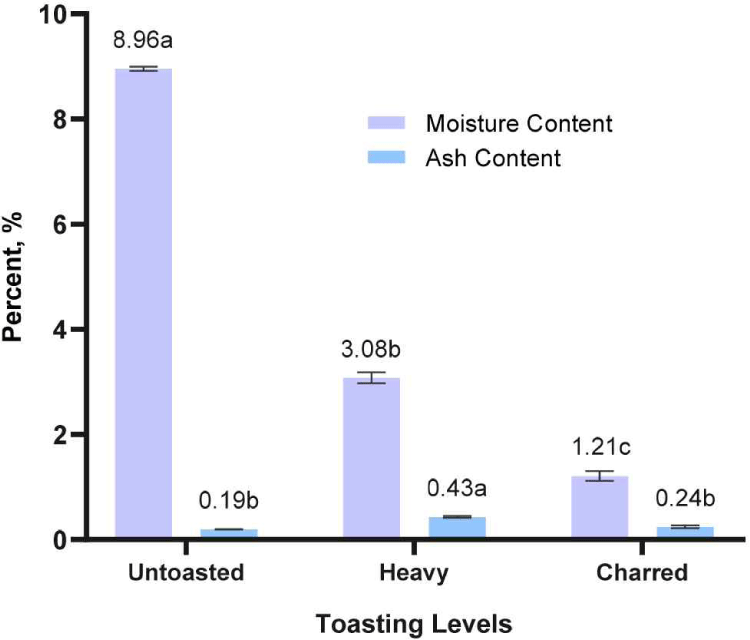
In this study, the effects of toasting on the chemical composition of RRG wood were determined. As presented in Fig. 3, heavy toasted and charred RRG wood exhibit moisture contents of 3.08% and 1.21%, respectively, in contrast to the 8.96% moisture level seen in untoasted RRG wood. This result showed an inverse relationship between the moisture content of RRG wood samples and the application of heat, indicating that moisture content diminishes as temperature rises. The weight loss during the toasting process is expected due to the evaporation of both free and bound water from the wood components (Chatonnet and Escobessa, 2007). Aside from water, other volatile components evaporate from wood when the toasting temperature rises, explaining the weight loss from heavy and charred RRG wood (Kainuma et al., 2024).
wood-54-1-1-g3
Fig. 3. Moisture and ash content of different toasting levels of ground samples of river red gum. a–c Means with the same letter are not significantly different.
Download Original Figure

Moisture content of wood has a fundamental role in the oxygen diffusion coefficient of a barrel, which plays an oenological impact on the alcohol being aged (del Alamo-Sanza and Nevares, 2014; Junqua et al., 2021; Sorz and Hietz, 2006; Vivas et al., 2003). However, in this study, wood chips were toasted and not the barrel itself. Future studies will be done on the effect of wood barrel moisture content on the model wine and spirit solution.

The ash contents of the heavily toasted RRG wood sample exhibited the highest value among the varying toasting of wood samples. The closeness of ash content values (0.19%–0.43%) among the untoasted, heavy toasted, and charred RRG wood revealed that toasting treatment cannot degrade the inorganic components of the wood, which include minerals and heavy metals. These components are generally found in trees, having been absorbed from the soil via the roots and then distributed throughout different portions of the plant (Smailagić et al., 2021).

Given that wooden barrels and wood chips are in contact with the alcoholic beverages, the migration of these inorganic materials during maturity will be expected. These minerals and heavy metals are known to influence the maturation of spirits. It could play a crucial catalytic role in oxidation reactions involving phenolic compounds and other substrates in wine spirits. However, its presence on alcoholic beverages raises toxicological or physiological concerns (Sofia et al., 2022). Future studies will determine the composition and contents of the RRG wood ash to make sure that spirit aged with RRG wood are safe for human health.

3.2. Extractives

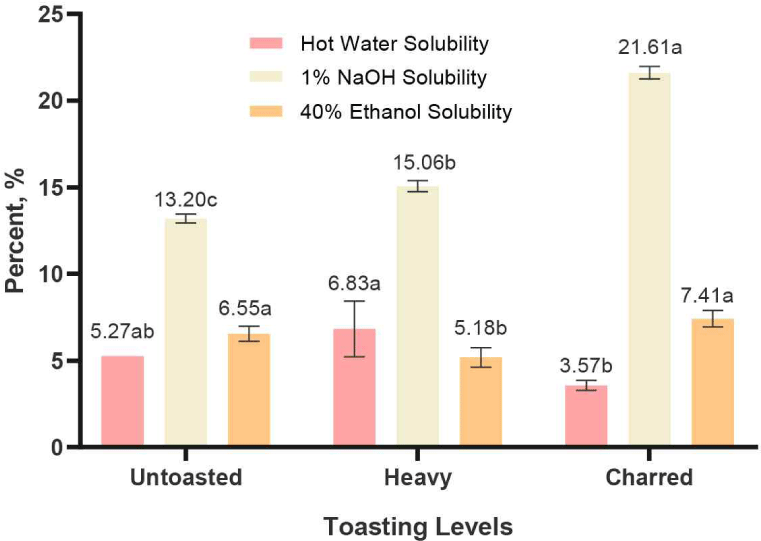
As presented in Fig. 4, 1% NaOH solution extracted the highest amount of compounds, ranging from 13.20 ± 0.26% to 21.61 ± 0.35%, compared to the other two solvents: hot water (3.57 ± 0.29%–6.83 ± 1.61%) and 40% ethanol solution (5.18 ± 0.57%–7.41 ± 0.48%). This is due to the alkali hydrolyses of ester bond between polysaccharides and lignin which enhances the solubility and release of polysaccharides (Nor Nadiha and Jamilah, 2020). Furthermore, the toasting of RRG wood have a significant effect on the quantity of extracted compounds due to the degradation of these polysaccharides, particularly hemicellulose, that are readily extractable to alkali solution compared to hot water and organic solvents. These wood polysaccharides begin to degrade through heat treatment at around 180°C, with significant changes occurring around 250°C (del Álamo et al., 2008; Esteves and Pereira, 2009) making it more soluble and extracted as new compounds (Kainuma et al., 2024) which explains the significant increase of extracted compounds in charred RRG using 1% NaOH solution.
wood-54-1-1-g4
Fig. 4. Extractives content of different toasting levels of ground samples of river red gum. a–c Means with the same letter are not significantly different.
Download Original Figure

Hot water extracted tannins, sugars, dyes, and starches from the wood. The partial hydrolysis of hemicellulose occurs during the hot water extraction process, which results in the solubility of starch in hot water, and contributes to the hot water solubility content (Iswanto et al., 2021). However, as presented in Fig. 4, heavy toasting of RRG wood resulted in the increase of the extracted hot water-soluble compounds (6.83 ± 1.61%), which can be due to the partial breakdown of some hemicellulose and lignin components into new, smaller and more soluble compounds (Gašparovič et al., 2010; Petrozziello et al., 2020). The charred RRG had the lower extractable compounds in hot water solution which can be due to the thermal denaturation of these soluble sugars and transformed into volatile compounds (Le Floch et al., 2015) which possibly volatilized during the high toasting and high temperature extraction process.

A 40% ethanol solution was also used in the study as a model for a spirit beverage, as it can extract compounds similar to those found in alcoholic spirits during aging. As presented in Fig. 4, there was a significant difference between heavy toasted (5.18 ± 0.57%) and charred (7.41 ± 0.48%) RRG wood. This could be due to the extraction of water-soluble hemicellulose and lignin derivative compounds from the high toasting process. Future studies will measure these non-volatile compounds using high performance liquid chromatography (HPLC) to further determine the effect of toasting on individual polyphenols and other non-volatile compounds.

3.3. Celluloses and lignin

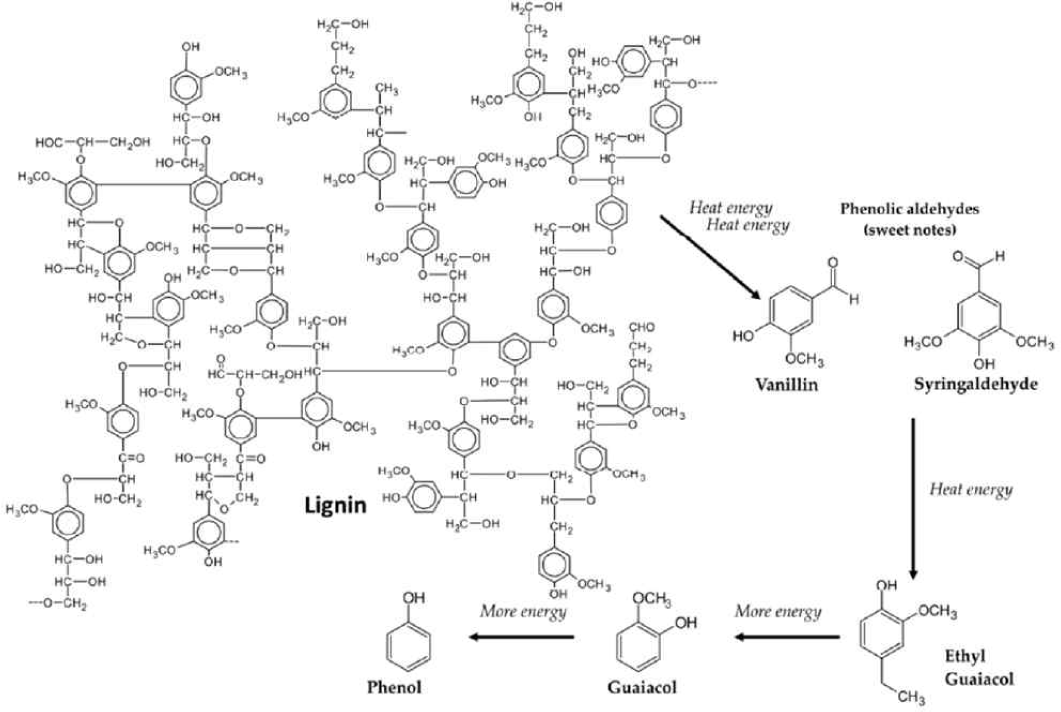
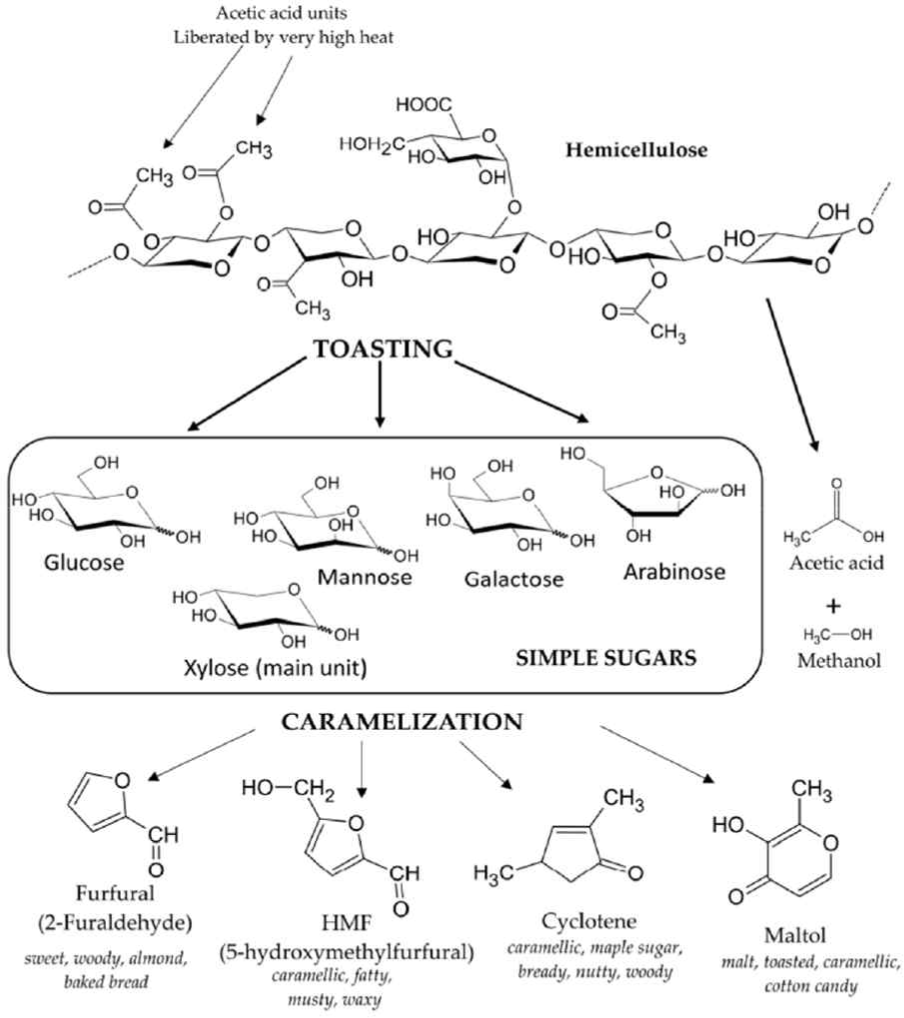
It is known that major wood components such as lignin and cellulose do not directly affect the sensorial characteristics of the aged alcoholic beverages. However, pyrolysis or toasting of these wood components (Figs. 5 and 6) during wooden barrel and wood chips production, may lead to the formation of volatile phenols, phenolic aldehydes, ketones, and acids, which upon further dehydration, are converted to lactones (Tarko et al., 2023).
wood-54-1-1-g5
Fig. 5. Thermal degradation of lignin. Adapted from Spedding (2018) with permission of author.
Download Original Figure
wood-54-1-1-g6
Fig. 6. Products formation during toasting and caramelization of hemicellulose. Adapted from Spedding (2018) with permission of author.
Download Original Figure

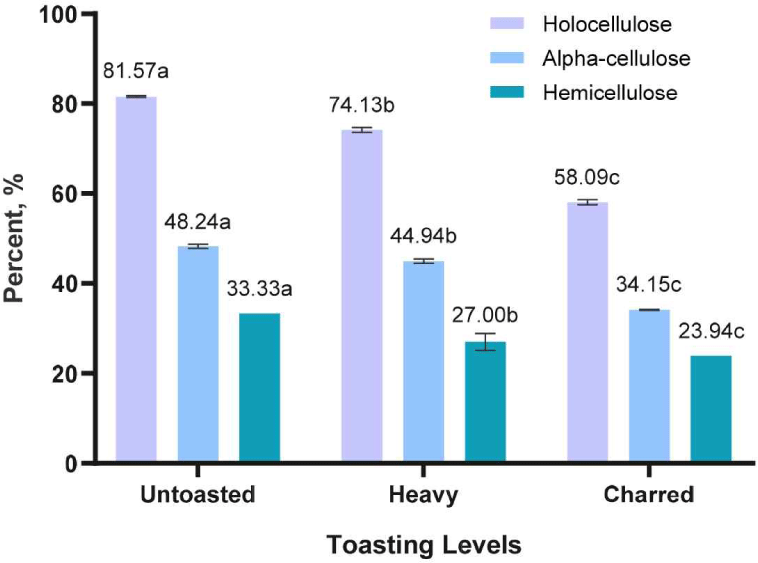
Toasting likewise causes the release of hemicellulose (simple sugars) leading to caramelization which gives the fruity, toasty, caramelized, and sweet aroma and flavors due to furfural, maltol, cyclotene and other sugar condensation products (Čabalová et al., 2018; González-Centeno et al., 2016; Nishimura, 1983; Prida and Chatonnet, 2010; Tarko et al., 2023). As presented in Fig. 7, results showed that the cellulose content decreases as the temperature increases due to thermal degradation of cellulose at higher temperatures.
wood-54-1-1-g7
Fig. 7. Celluloses content of different toasting level of ground samples of river red gum. a–c Means with the same letter are not significantly different.
Download Original Figure

Cellulose binds the wood together. However, during barrel aging, it does not directly affect the maturation of alcoholic beverages, but serves as a transporter of extractives from wood to the alcoholic beverages (Aylott, 2003; Spedding, 2018). The toasting treatment could affect the physico-mechanical attributes of wood or the wooden barrels. Further studies must be made for verification.

The hemicellulose content of different toasted RRG wood was also determined. This hemicellulose is mainly consists of pentoses (xylose and arabinose), hexoses (mannose, glucose, and galactose), and uronic acids (d-Glucuronic acid and d-Galacturonic acid).

As presented in Fig. 7, hemicellulose content significantly decreases as the temperature increases. It is known that amorphous cellulose is less thermally stable than crystalline cellulose which are susceptible to toasting (Mburu et al., 2008; Özgenç et al., 2017). It was also observed by Sikora et al. (2018) that mannose, galactose and arabinose decrease upon increasing the treatment temperature.

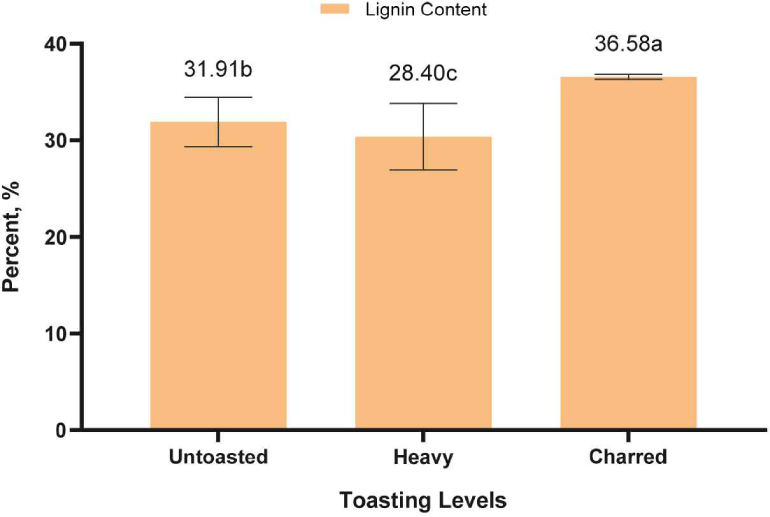
As presented in Fig. 8, the lignin content significantly reduced in heavy toasted RRG samples due to thermal degradation. However, the charred RRG exhibited a greater lignin concentration than anticipated. This is possibly due to the reaction between lignin and products of polysaccharide degradation during the extraction process forming an insoluble fraction (Borrega et al., 2011; Overend and Chornet, 1987).
wood-54-1-1-g8
Fig. 8. Lignin content of different toasting level of ground samples of river red gum. a–c Means with the same letter are not significantly different.
Download Original Figure

Future studies will conduct acid soluble lignin determination to verify the hypothesis that at higher temperatures, lignin polymer are degrades to form new compounds. Overall, toasting treatments could significantly degrade the macromolecular components of RRG wood as well as minor components such as extractives.

3.4. Total phenolic content and total sugars of river red gum wood extracts

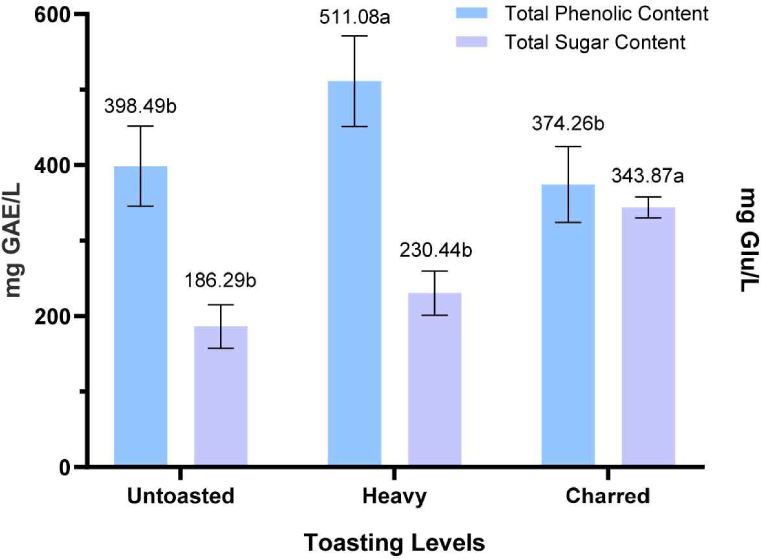
As mentioned, temperature increase breaks down lignin into new phenolic compounds (Hale et al., 1999; Tarko et al., 2023). Studies showed that ellagitannin, which is abundant in wood, is degraded and converted into ellagic acid during toasting (Cadahía et al., 2001; Jordão et al., 2012; Tarko et al., 2023). This is the main reason for the observed increase in TPC after heavy toasting, as shown in Fig. 9. Subsequently, the decline in TPC in charred RRG wood is due to the intense toasting temperature that resulted in the degradation of these phenolic compounds.
wood-54-1-1-g9
Fig. 9. Total phenolic content (mg GAE/L) and total sugars (mg Glu/L) of different toasting levels of RRG wood samples (20 g/L) macerated in ethanol solution (40%) for 1 month. a,b Means with the same letter are not significantly different. RRG: river red gum.
Download Original Figure

Additionally, the interaction of the extracted phenolic compounds in the solution may result in polymerization, leading to the formation of new compounds that could ultimately reduce the phenolic content of the extracts (Ivanova et al., 2012).

The direct relation of total sugar increase and temperature rise is due to the breakdown of hemicellulose into simpler sugars (Fig. 6). This is correlated with the decrease of hemicellulose content in the heavily toasted and charred RRG wood samples as previously presented (Fig. 7).

The increase in extracted sugars, primarily attributed to the breakdown of hemicelluloses through heat, was also observed in the research conducted by Kainuma et al. (2024) with the effect of toasting temperature on French oak wood chips in extracted sugars. At higher temperatures (> 250°C), sugars are transformed into several aromatic compounds, such as furfural and 5-methyl furfural, resulting in reduced extracted sugars (Le Floch et al., 2015). Kainuma et al. (2024) found that these results indicate two possible scenarios on the effect of heat treatment on hemicellulose: it becomes more soluble when depolymerized by heat, and is transformed into new aromatic compounds. Therefore, toasting temperature considerably influences the quantity, content, and composition of extracted sugars (Kainuma et al., 2024). Further studies will measure these simple sugars by HPLC analysis.

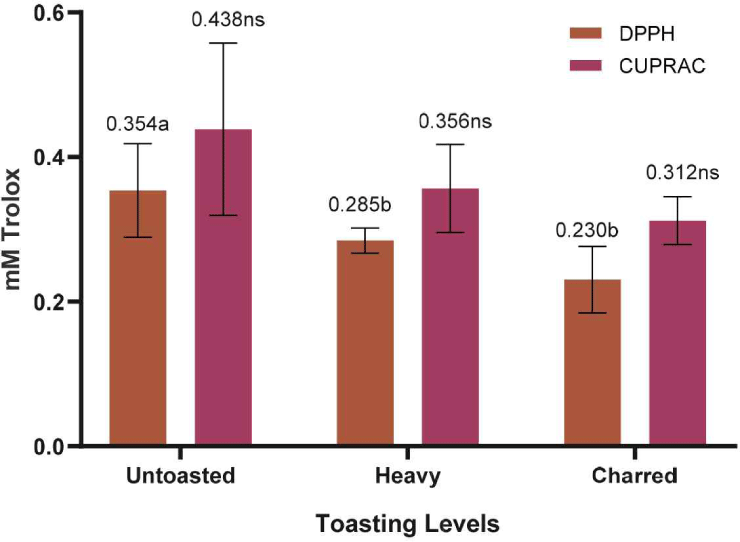
Furthermore, as shown in Fig. 10, the toasting of the RRG wood samples led to a decrease in antioxidant activity. However, a significant difference in antioxidant activity was observed only in the DPPH assays of the RRG wood samples. This decrease was due to the degradation of some phenolic and bioactive compounds which are known to contribute to the antioxidant activity.
wood-54-1-1-g10
Fig. 10. Antioxidant activities of RRG wood samples (20 g/L) macerated in ethanol solution (40%) for 1 month. a,b Means with the same letter are not significantly different. ns not significant. DPPH: 2,2-diphenyl-1-picrylhydrazyl, CUPRAC: cupric-reducing antioxidant capacity, RRG: river red gum.
Download Original Figure
3.5. Fourier transform infrared analysis

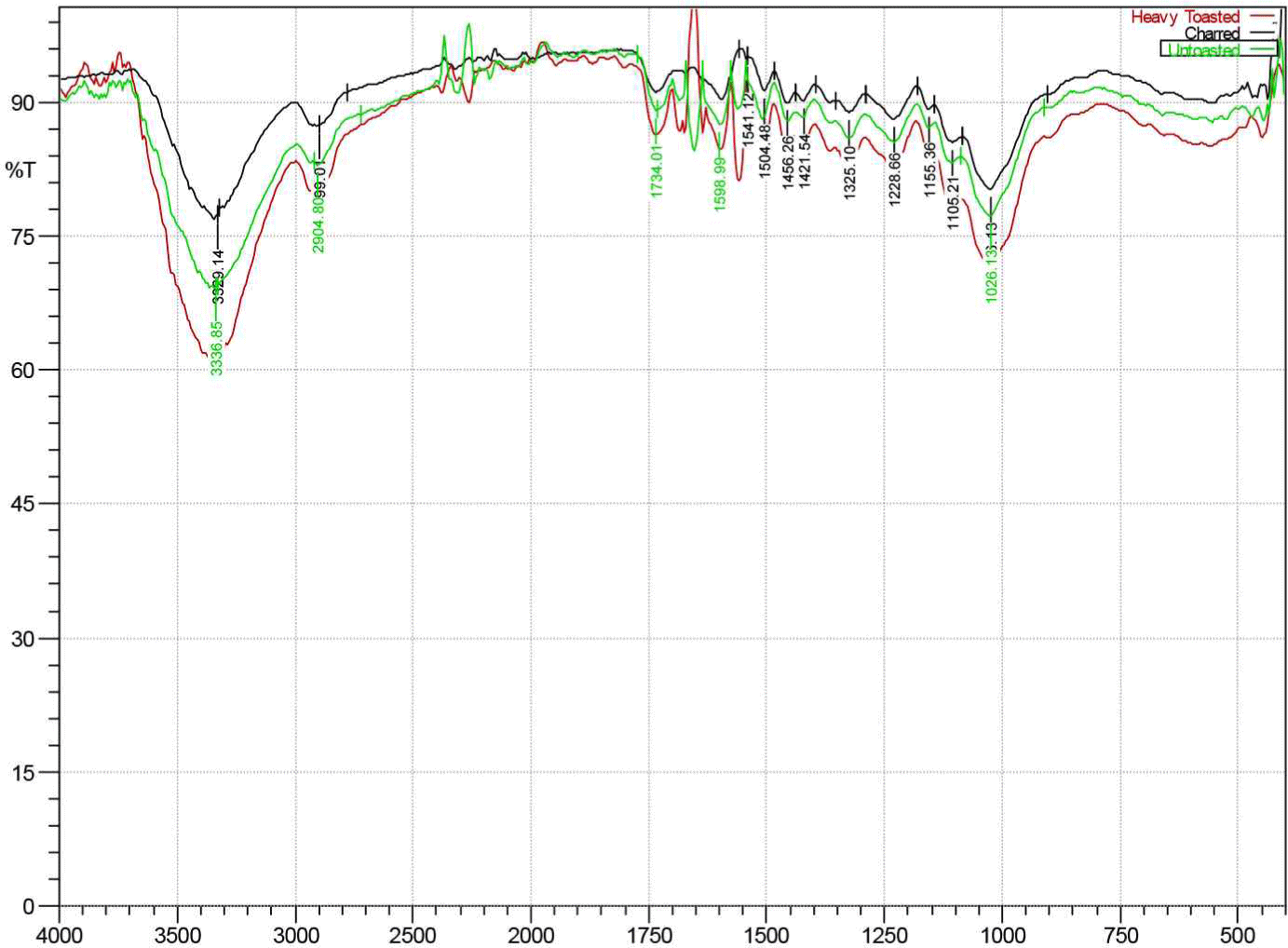
As presented in Fig. 11, the toasting of RRG wood samples led to changes in the intensity of the bands in FTIR spectra. The band at 1,730–1,732 cm1 increased after heavy toasting of RRG wood sample and decreased upon charring treatment. It has been reported that this band corresponds to C = O stretching vibrations of the acetyl groups of galactoglucomannan, carboxyl- and aldehydes, and aromatic/conjugated aldehydes and esters (Gérardin et al., 2007; Tjeerdsma and Militz, 2005).
wood-54-1-1-g11
Fig. 11. FTIR analysis of RRG wood samples (untoasted, heavy and charred). FTIR: Fourier transform infrared, RRG: river red gum.
Download Original Figure

Thus, the heavy toasting treatment made the hemicellulose component of RRG wood partly soluble in hot water while charring treatment made it degraded, confirming previous results (Fig. 7). Furthermore, the degradation of hemicelluloses leads to the decrease of numerous free hydroxyl groups in hemicelluloses which correlates to the decrease of the band intensity at 1,650–1,652 cm–1 (Akgül et al., 2007; Gérardin et al., 2007).

As also observed in Fig. 11, the bands’ intensities at 1,504–1,508 cm–1, 1,452–1,459 cm–1, and 1,421–1,422 cm–1 increase upon toasting the RRG wood samples heavily compared to untoasted RRG wood samples. This could be due to condensation of lignin and splitting of aliphatic side chains in lignin during heating (Akgül et al., 2007; Kotilainen et al., 2000; Schulz et al., 2021). These changes in lignin during heat treatment were also reported in Eucalyptus grandis and Pinus elliottii wood (Gallio et al., 2019; Schulz et al., 2021). These bands also represent the C = C stretching of the aromatic skeletal vibrations which also represent the lignin content changes in heat-treated samples (Özgenç et al., 2017).

Overall, the FTIR results confirm the degradation of lignin and hemicellulose of RRG wood samples during heat treatment.

3.6. Gas chromatography-mass spectrometry analysis of river red gum wood ethanolic extracts

Ethanolic extracts from untoasted, heavily toasted and charred RRG wood were further subjected to GC-MS analysis to determine the volatile compositions which could give aroma to alcoholic beverages. As observed in Table 4, the main components of untoasted RRG wood ethanolic extract were furfural and eugenol with 39.18% and 26.22%, respectively. On the other hand, the main composition of ethanolic extract from heavy toasted RRG wood were 3,5-dimethoxy-4-hydroxycinnamaldehyde (28.76%), coniferyl aldehyde (28.10%), syringaldehyde (14.25%) and vanillin (8.16%). Lastly, the main components of ethanolic extract from charred RRG wood were 3,5-Dimethoxy-4-hydroxycinnamaldehyde (28.58%), syringaldehyde (21.50%), coniferyl aldehyde (11.43%), vanillin (5.99%) and syringylacetone (5.90%).

Table 4. GC-MS analysis of untoasted RRG wood ethanolic extract
Peak No. Retention time (min) Area Compound name Composition (%)
1 3.14 1682528.1 Furfural 39.18
2 4.399 242208 2-Furancarboxaldehyde, 5-methyl- 5.64
3 6.608 58118.16 Terpinen-4-ol 1.35
4 6.751 191790.36 α-Terpineol 4.47
5 8.622 111124.16 Syringol 2.59
6 8.696 1126221.2 Eugenol 26.22
7 9.297 161653.03 Benzaldehyde, 3-hydroxy-4-methoxy- 3.76
8 10.871 76488.8 2(4H)-Benzofuranone, 5,6,7,7a-tetrahydro-4,4,7a-trimethyl-, (R)- 1.78
9 12.267 139991.54 Syringylaldehyde 3.26
10 17.108 138164.61 Linoleic acid ethyl ester 3.22
11 17.148 366325.91 Ethyl oleate 8.53
Total 100

GC-MS: gas chromatography-mass spectrometry, RRG: river red gum.

Download Excel Table

The results also showed that the toasting process and the increase in thermal temperature produce a greater number of volatile components from wood. Specifically, the heavily toasted RRG and charred RRG samples yielded 34 and 48 volatile components respectively, as shown in Tables 5 and 6, in contrast to the 11 volatile components seen in the untoasted RRG wood sample (Table 4). Furthermore, the main volatile components (coniferyl alcohol, syringaldehyde and vanillin compounds) of heavy and charred RRG wood extracts came from the degradation of lignin due to thermal treatment. They are known for their aromatic and sweet notes. Additionally, the dehydration of hemicellulose during aging leads to the formation of new compounds such as furfural and 5-hydroxymethylfurfural, which could provide roasted, fudge, and caramel profiles (Kelly et al., 2023). These compounds are commonly found in alcoholic beverages aged in oak barrels and wood chips.

Table 5. GC-MS analysis of heavy toasted RRG wood ethanolic extract
Peak No. Retention time (min) Area Compound name Composition (%)
1 2.808 486602.34 3-Penten-2-one, 4-methyl- 0.53
2 3.089 658750.98 Furfural 0.72
3 3.152 3321868 2-Pentanone, 4-hydroxy-4-methyl- 3.64
4 4.296 69485.55 2-Furancarboxaldehyde, 5-methyl- 0.08
5 4.634 400088.51 N-Butyl-tert-butylamine 0.44
6 5.303 401940.78 γ-Ethoxybutyrolactone 0.44
7 7.1 2559903.4 5-Hydroxymethylfurfural 2.80
8 8.599 660670.06 Phenol, 2,6-dimethoxy- 0.72
9 8.691 178448.26 Eugenol 0.20
10 8.805 1198697.7 1,6-Anhydro-β-d-talopyranose 1.31
11 9.211 7456081.5 Vanillin 8.16
12 9.726 344842.37 3,5-Dimethoxy-4-hydroxytoluene 0.38
13 9.921 235762.37 p-Propylguaiacol 0.26
14 10.127 434348.79 D-Allose 0.48
15 10.253 364646.14 Apocynin 0.40
16 10.756 485829.63 Guaiacylacetone 0.53
17 10.865 140981.32 2(4H)-Benzofuranone, 5,6,7,7a-tetrahydro-4,4,7a-trimethyl-, (R)- 0.15
18 11.111 559878.6 4-Vinylsyringol/Canolol 0.61
19 11.277 264651.9 1’-Hydroxyeugenol 0.29
20 11.397 1086402.3 Butyrovanillone 1.19
21 11.534 304538.19 trans-4-Propenylsyringol 0.33
22 12.101 1211325.9 2,6-Dimethoxyhydroquinone 1.33
23 12.204 13019283 Syringylaldehyde 14.25
24 12.684 454016.49 Homosyringaldehyde 0.50
25 12.85 130736.45 4-Hydroxy-2-methoxycinnamaldehyde 0.14
26 12.953 522827.2 2-Propanone, 1-hydroxy-3-(4- hydroxy-3-methoxyphenyl)- 0.57
27 13.039 25665539 Coniferyl aldehyde 28.10
28 13.394 659220.88 Syringylacetone 0.72
29 13.892 319059.18 Benzeneacetic acid, 4-hydroxy-3,5-dimethoxy-, methyl ester 0.35
30 13.966 487076.72 Butylsyringone 0.53
31 14.979 102317.86 Danielone 0.11
32 15.397 880089.96 Acethydrazide, 2-(2-benzothiazolylthio)-N2-(3- fluorobenzylideno)- 0.96
33 15.546 26272994 3,5-Dimethoxy-4-hydroxycinnamaldehyde 28.76
Total 100

GC-MS: gas chromatography-mass spectrometry, RRG: river red gum.

Download Excel Table
Table 6. GC-MS analysis of charred RRG wood ethanolic extract
Peak No. Retention time (min) Area Compound name Composition (%)
1 3.037 258454.07 2-Pentanone, 4-hydroxy-4-methyl- 0.04
2 3.112 3816222.5 3(2H)-Furanone, 4-hydroxy-5- methyl- 0.60
3 4.622 1456244.9 N,N-Diamylmethylamine Phenol, 2-methoxy- 0.23
4 5.595 3684685.2 4-methoxyphenol 0.58
5 6.344 950389.73 Ethyl hydrogen succinate 0.15
6 6.51 212193.65 Monomethyl succinate, trimethylsilyl ester 0.03
7 6.774 3257223 Catechol 0.51
8 7.106 3516502.7 5-Hydroxymethylfurfural 0.55
9 7.317 188452.92 Succinic acid, monoethyl ester- (TMS) 0.03
10 8.055 658246.84 5-Acetoxymethyl-2-furaldehyde 0.10
11 8.176 1119874.1 2-Methoxy-4-vinylphenol 0.18
12 8.593 15517461 Phenol, 2,6-dimethoxy- 2.45
13 8.685 1096644.1 Eugenol 0.17
14 9.217 37957129 Vanillin 5.99
15 9.72 3944197.6 3,5-Dimethoxy-4-hydroxytoluene 0.62
16 9.783 3959583.2 trans-Isoeugenol 0.62
17 9.909 4293831.9 p-Propylguaiacol 0.68
18 10.241 4332582.5 Apocynin 0.68
19 10.384 10217722 β-D-Glucopyranose, 1,6-anhydro- 1.61
20 10.75 10594432 Guaiacylacetone 1.67
21 11.111 3518189 4-Vinylsyringol/Canolol 0.55
22 11.157 3468744.6 3-Hydroxy-4-methoxybenzoic acid 0.55
23 11.26 2695339 1’-Hydroxyeugenol 0.43
24 11.529 6465428.1 Methoxyeugenol 1.02
25 11.609 514435.76 Homosyringaldehyde 0.08
26 12.095 4697168 Benzenepropanol, 4-hydroxy-3- methoxy- 0.74
27 12.273 136328394 Syringylaldehyde 21.50
28 12.633 7908232.3 trans-4-Propenylsyringol 1.25
29 12.696 6503110.4 Escaline 1.03
30 13.085 72441823 Coniferyl aldehyde 11.43
31 13.428 37399478 Syringylacetone 5.90
32 13.972 8037456.5 1-Propanone, 1-(4-hydroxy-3,5- dimethoxyphenyl)- 1.27
33 14.647 5493518.9 Dihydrosyringenin 0.87
34 14.99 3247631.8 Danielone 0.51
35 15.637 181195778 3,5-Dimethoxy-4- hydroxycinnamaldehyde 28.58
36 19.105 8571323.4 6-Methoxyeugenyl isobutyrate 1.35
37 20.152 3753396.5 Phenol, 2,4-bis(1-methyl-1- phenylethyl)- 0.59
38 20.73 1923643.2 α-Amino-3’-hydroxy-4’- methoxyacetophenone 0.30
39 21.147 2754808.5 Phenol, 4-ethenyl-2,6-dimethoxy- 0.43
40 21.233 7249867.6 (E)-3,3’-Dimethoxy-4,4’- dihydroxystilbene 1.14
41 23.081 7645750.8 4-(4-Hydroxy-3-methoxystyryl)-2,6- dimethoxyphenol 1.21
42 24.306 1265466.7 Gomisin L1 0.20
43 25.262 3445410.4 4,4’-Stilbenediol, 3,3’,5,5’- tetramethoxy 0.54
44 27.104 576657.39 γ-Sitosterol 0.09
45 29.072 560956.48 Phenol, 2,6-dimethoxy-4-[tetrahydro-4-(4-hydroxy-3-methoxyphenyl)- 1H,3H-furo[3,4-c]furan-1-yl]- 0.09
46 29.765 2786328.9 Yangambin 0.44
47 32.157 264929.23 Syringaresinol 0.40
48 33.581 2297525.4
Total 100

GC-MS: gas chromatography-mass spectrometry, RRG: river red gum.

Download Excel Table

Overall, E. camaldulensis wood and toasting treatment could also significantly improve the sensory profile of alcoholic beverages. Moreover, the locally available and fast-growing wood species will serve a sustainable alternative in the Philippine alcoholic beverage industry.

4. CONCLUSIONS

The toasting treatment had a significant effect on the macromolecules and extractives of RRG wood. Furthermore, GC-MS results showed that the degradation of these macromolecules leads to the formation of new compounds which could improve the sensory profile of alcoholic beverages. Future studies will focus on the quantitative determination of individual lignin-derived and hydrolyzed hemicellulose compounds through HPLC and GC analysis.

CONFLICT of INTEREST

No potential conflict of interest relevant to this article was reported.

ACKNOWLEDGMENT

This research was supported and funded by the Department of Science and Technology (DOST) - Forest Products Research and Development Institute (FPRDI). The authors would also like to acknowledge Engr. Jovito Elec and his team for the collection and sawmilling of wood logs, Engr. Caezar A. Cuaresma for the kiln drying of lumber, Mr. Audel V. Mosteiro and Mr. Rommar F. Guia for the assistance in the implementation of the study, Dr. Karen Laserna and De La Salle University – Laguna Campus for the GC-MS analysis of the RRG wood extracts.

REFERENCES

1.

Akgül, M., Gümüşkaya, E., Korkut, S. 2007. Crystalline structure of heat-treated Scots pine [Pinus sylvestris L.] and Uludağ fir [Abies nordmanniana (Stev.) subsp. bornmuelleriana (Mattf.)] wood. Wood Science and Technology 41(3): 281-289.

2.

Apak, R., Güçlü, K., Özyürek, M., Çelik, S.E. 2008. Mechanism of antioxidant capacity assays and the CUPRAC (cupric ion reducing antioxidant capacity) assay. Microchimica Acta 160(4): 413-419.

3.

American Society for Testing and Materials [ASTM]. 1968. Method of Test for Alpha-Cellulose in Wood. ASTM D1103-60. ASTM International, West Conshohocken, PA, USA.

4.

Aylott, R. 2003. Whisky Analysis. In: Whisky: Technology, Production and Marketing, Ed. by Russell, I., Bamforth, C.W., and Stewart, G.G. Academic Press, London, UK. pp. 277-304.

5.

Balagot, K.W.M., Emprese, M.C., Delica-Balagot, K.M., Cuaresma, C.A., Mari, E.L. 2024. Preliminary study on the chemical properties of non-oak wood species: Suitability for wooden barrel production. Philippine Journal of Science 153(3): 1227-1236.

6.

Borrega, M., Nieminen, K., Sixta, H. 2011. Degradation kinetics of the main carbohydrates in birch wood during hot water extraction in a batch reactor at elevated temperatures. Bioresource Technology 102(22): 10724-10732.

7.

Čabalová, I., Kačík, F., Lagaňa, R., Výbohová, E., Bubeníková, T., Čaňová, I., Ďurkovič, J. 2018. Effect of thermal treatment on the chemical, physical, and mechanical properties of pedunculate oak (Quercus robur L.) wood. BioResources 13(1): 157-170.

8.

Cadahía, E., Varea, S., Muñoz, L., Fernández de Simón, B., García-Vallejo, M.C. 2001. Evolution of ellagitannins in Spanish, French, and American Oak woods during natural seasoning and toasting. Journal of Agricultural and Food Chemistry 49(8): 3677-3684.

9.

Carpena, M., Pereira, A.G., Prieto, M.A., Simal-Gandara, J. 2020. Wine aging technology: Fundamental role of wood barrels. Foods 9(9): 1160.

10.

Chatonnet, P., Escobessa, J. 2007. Impact of toasting oak barrels on the presence of polycyclic aromatic hydrocarbons in wine. Journal of Agricultural and Food Chemistry 55(25): 10351-10358.

11.

del Álamo, M., Nevares, I., Gallego, L., Martin, C., Merino, S. 2008. Aging markers from bottled red wine aged with chips, staves and barrels. Analytica Chimica Acta 621(1): 86-99.

12.

del Alamo-Sanza, M., Nevares, I. 2014. Recent advances in the evaluation of the oxygen transfer rate in oak barrels. Journal of Agricultural and Food Chemistry 62(35): 8892-8899.

13.

DuBois, M., Gilles, K.A., Hamilton, J.K., Rebers, P.A., Smith, F. 1956. Colorimetric method for determination of sugars and related substances. Analytical Chemistry 28(3): 350-356.

14.

Erickson, H.D. 1962. Some aspects of method of determining cellulose in wood. TAPPI 45(9): 710-719.

15.

Esteves, B.M., Pereira, H.M. 2009. Wood modification by heat treatment: A review. BioResources 4(1): 370-404.

16.

Gallio, E., Zanatta, P., Cruz, N.D., Zanol, G.S., Schulz, H.R., Gatto, D.A. 2019. Influência dos tratamentos de termorretificação e furfurilação em propriedades tecnológicas de uma conífera. Revista Matéria 24(3): e-12424.

17.

Gašparovič, L., Koreňová, Z., Jelemenský, L’. 2010. Kinetic study of wood chips decomposition by TGA. Chemical Papers 64: 174-181.

18.

Gérardin, P., Petrič, M., Petrissans, M., Lambert, J., Ehrhrardt, J.J. 2007. Evolution of wood surface free energy after heat treatment. Polymer Degradation and Stability 92(4): 653-657.

19.

González-Centeno, M.R., Chira, K., Teissedre, P.L. 2016. Ellagitannin content, volatile composition and sensory profile of wines from different countries matured in oak barrels subjected to different toasting methods. Food Chemistry 210: 500-511.

20.

Hale, M.D., McCafferty, K., Larmie, E., Newton, J., Swan, J.S. 1999. The influence of oak seasoning and toasting parameters on the composition and quality of wine. American Journal of Enology and Viticulture 50: 495-502.

21.

Iswanto, A.H., Tarigan, F.O., Susilowati, A., Darwis, A., Fatriasari, W. 2021. Wood chemical compositions of Raru species originating from Central Tapanuli, North Sumatra, Indonesia: Effect of differences in wood species and log positions. Journal of the Korean Wood Science and Technology 49(5): 416-429.

22.

Ivanova, V., Vojnoski, B., Stefova, M. 2012. Effect of winemaking treatment and wine aging on phenolic content in Vranec wines. Journal of Food Science and Technology 49(2): 161-172.

23.

Jordão, A.M., Correia, A.C., DelCampo, R., González SanJosé, M.L. 2012. Antioxidant capacity, scavenger activity, and ellagitannins content from commercial oak pieces used in winemaking. European Food Research and Technology 235: 817-825.

24.

Jordão, A.M., Cosme, F. 2022. The application of wood species in enology: Chemical wood composition and effect on wine quality. Applied Sciences 12(6): 3179.

25.

Junqua, R., Zeng, L., Pons, A. 2021. Oxygen gas transfer through oak barrels: A macroscopic approach. OENO One 55(3): 53-65.

26.

Kainuma, G., Mochizuki, A., Watanabe-Saito, F., Hisamoto, M., Kusumoto, N., de Revel, G., Okuda, T. 2024. Understanding wood polysaccharide depolymerization and denaturation under different toasting conditions through analysis of sugars extracted from French oak chips. Beverages 10(4): 118.

27.

Kelly, T.J., O’Connor, C., Kilcawley, K.N. 2023. Sources of volatile aromatic congeners in whiskey. Beverages 9(3): 64.

28.

Kim, Y.K., Kwon, G.J., Kim, A.R., Lee, H.S., Purusatama, B., Lee, S.H., Kang, C.W., Kim, N.H. 2018. Effects of heat treatment on the characteristics of Royal Paulownia (Paulownia tomentosa (Thunb.) Steud.) wood grown in Korea. Journal of the Korean Wood Science and Technology 46(5): 511-526.

29.

Kotilainen, R.A., Toivanen, T.J., Alén, R.J. 2000. FTIR monitoring of chemical changes in softwood during heating. Journal of Wood Chemistry and Technology 20(3): 307-320.

30.

Le Floch, A., Jourdes, M., Teissedre, P.L. 2015. Polysaccharides and lignin from oak wood used in cooperage: Composition, interest, assays: A review. Carbohydrate Research 417: 94-102.

31.

Mburu, F., Dumarçay, S., Bocquet, J.F., Petrissans, M., Gérardin, P. 2008. Effect of chemical modifications caused by heat treatment on mechanical properties of Grevillea robusta wood. Polymer Degradation and Stability 93(2): 401-405.

32.

Nishimura, K. 1983. Reactions of Wood Components during Maturation. In: Flavour of Distilled Beverages: Origin and Development, Ed. by Piggott, J.R. Ellis Horwood, Chichester, UK.

33.

Nor Nadiha, M.Z., Jamilah, B. 2020. Hemicellulose extraction and characterization of rice straw and Leucaena leucocephala. KnE Social Sciences 4(9): 46-54.

34.

Overend, R.P., Chornet, E. 1987. Fractionation of lignocellulosics by steam-aqueous pretreatments. Philosophical Transactions of the Royal Society A: Mathematical, Physical, and Engineering Sciences 321(1561): 523-536.

35.

Özgenç, Ö., Durmaz, S., Boyaci, I.H., Eksi-Kocak, H. 2017. Determination of chemical changes in heat-treated wood using ATR-FTIR and FT Raman spectrometry. Spectrochimica Acta Part A: Molecular and Biomolecular Spectroscopy 171: 395-400.

36.

Park, Y., Jeon, W.S., Yoon, S.M., Lee, H.M., Hwang, W.J. 2020. Evaluation of cell-wall microstructure and anti-swelling effectiveness of heat-treated larch wood. Journal of the Korean Wood Science and Technology 48(6): 780-790.

37.

Petrozziello, M., Nardi, T., Asproudi, A., Cravero, M.C., Bonello, F. 2020. Chemistry and Technology of Wine Aging with Oak Chips. In: Chemistry and Biochemistry of Winemaking, Wine Stabilization and Aging, Ed. by Cosme, F., Nunes, F.M., and Filipe-Ribeiro, L. IntechOpen, London, UK.

38.

Prida, A., Chatonnet, P. 2010. Impact of oak-derived compounds on the olfactory perception of barrel-aged wines. American Journal of Enology and Viticulture 61(3): 408-413.

39.

Rojas-Sandoval, J., Acevedo-Rodríguez, P. 2022. Eucalyptus camaldulensis (Red Gum). CABI International, Wallingford, UK.

40.

Schulz, H.R., Acosta, A.P., Barbosa, K.T., Junior, M.A.P.S., Gallio, E., Delucis, R.Á., Gatto, D.A. 2021. Chemical, mechanical, thermal, and colorimetric features of the thermally treated Eucalyptus grandis wood planted in Brazil. Journal of the Korean Wood Science and Technology 49(3): 226-233.

41.

Sharma, K., Mahato, N., Lee, Y.R. 2018. Systematic study on active compounds as antibacterial and antibiofilm agent in aging onions. Journal of Food and Drug Analysis 26(2): 518-528.

42.

Sikora, A., Kačík, F., Gaff, M., Vondrová, V., Bubeníková, T., Kubovský, I. 2018. Impact of thermal modification on color and chemical changes of spruce and oak wood. Journal of Wood Science 64(4): 406-416.

43.

Singleton, V.L., Rossi, J.A. 1965. Colorimetry of total phenolics with phosphomolybdic-phosphotungstic acid reagents. American Journal of Enology and Viticulture 16(3): 144-158.

44.

Smailagić, A., Zagorac, D.D., Veljović, S., Sredojević, M., Relić, D., Akšić, M.F., Roglić, G., Natić, M. 2021. Release of wood extractable elements in experimental spirit model: Health risk assessment of the wood species generated in Balkan cooperage. Food Chemistry 338: 127804.

45.

Sofia, C., Thanasi, V., Anjos, O., Fernandes, T.A., Caldeira, I., Fargeton, L., Boissier, B., Canas, S. 2022. Assessment of Mineral Elements in Wine Spirits Aged with Chestnut Wood. IVES, Villenave d’Ornon, France.

46.

Sorz, J., Hietz, P. 2006. Gas diffusion through wood: Implications for oxygen supply. Trees 20(1): 34-41.

47.

Spedding, G. 2018. Eighty Years of Rapid Maturation Studies. American Distilling Institute, Hayward, CA, USA. p. 16.

48.

Tarko, T., Krankowski, F., Duda-Chodak, A. 2023. The impact of compounds extracted from wood on the quality of alcoholic beverages. Molecules 28(2): 620.

49.

Technical Association of the Pulp and Paper Industry [TAPPI]. 2007. Preparation of wood for chemical analysis. TAPPI T 264 cm-07. TAPPI, Peachtree Corners, GA, USA.

50.

Technical Association of the Pulp and Paper Industry [TAPPI]. 2007. Solvent Extractives of Wood and Pulp. TAPPI T 204 cm-07. TAPPI, Peachtree Corners, GA, USA.

51.

Technical Association of the Pulp and Paper Industry [TAPPI]. 2008. Water Solubility of Wood and Pulp. TAPPI T 207 cm-08. TAPPI, Peachtree Corners, GA, USA.

52.

Technical Association of the Pulp and Paper Industry [TAPPI]. 2011. Acid-insoluble Lignin in Wood and Pulp. TAPPI T 222 om-15. TAPPI, Peachtree Corners, GA, USA.

53.

Technical Association of the Pulp and Paper Industry [TAPPI]. 2012. Ash in Wood, Pulp, Paper, and Paperboard: Combustion at 525°C. TAPPI T 211 om-12. TAPPI, Peachtree Corners, GA, USA.

54.

Technical Association of the Pulp and Paper Industry [TAPPI]. 2025. One Percent Sodium Hydroxide Solubility of Wood and Pulp. TAPPI T 212 om-12. TAPPI, Peachtree Corners, GA, USA.

55.

Tjeerdsma, B.F., Militz, H. 2005. Chemical changes in hydrothermal treated wood: FTIR analysis of combined hydrothermal and dry heat-treated wood. Holz als Rohund Werkstoff 63(2): 102-111.

56.

Vivas, N., Debèda, H., Menil, F., Vivas de Gaulejac, N., Nonier, M.F. 2003. Mise en évidence du passage de l’oxygène au travers des douelles constituant les barriques par l’utilisation d’un dispositif original de mesure de la porosité du bois. Premiers résultats. Sciences des Aliments 23(5-6): 655-678.