1. INTRODUCTION
The development of polymer-based composites has progressed rapidly in recent years, particularly those utilising recyclable thermoplastics such as polyethylene (PE), polypropylene (PP), and polyvinyl chloride (PVC). This growth is driven by their chemical resistance, ease of processing, and environmental sustainability (Chauhan et al., 2022; Kökkılıç et al., 2022). Among these materials, natural fibre-reinforced thermoplastics—commonly referred to as wood-plastic composites (WPCs)—have attracted increasing attention due to their low cost, low maintenance requirements, aesthetic appeal, enhanced mechanical properties, and reduced environmental impact (Khamtree et al., 2023; Widiastuti et al., 2025). WPCs are typically manufactured by combining wood fillers (e.g., wood flour, chips, or fibres) with a thermoplastic matrix through melt-compounding techniques, often incorporating coupling agents to improve interfacial bonding (Waluyo et al., 2021). The resulting composites are then shaped using processes such as injection moulding, extrusion, compression moulding, or calendaring, enabling applications in construction materials as well as in the electronics, automotive, and transportation sectors (Guo et al., 2021; Hutyrová et al., 2016; Srivabut et al., 2024).
Although extrusion is commonly employed to form WPC products, it is often not economically feasible for low-volume production due to the high cost associated with manufacturing custom dies (Hutyrová et al., 2016; Srivabut et al., 2024). Consequently, machining processes such as milling, drilling, grinding, and turning are widely applied as secondary operations in WPC manufacturing, particularly when high precision in size, shape, and surface finish is required (Guo et al., 2021). For applications demanding tight tolerances and good aesthetic quality, machining plays a critical role in achieving dimensional accuracy and acceptable surface characteristics (Homkhiew et al., 2025). As a result, increasing research attention has been directed towards optimising machining processes for WPC materials.
Evaluating machining parameters for WPC materials is essential, as these materials respond differently to machining compared with conventional metal-based materials. Owing to their relatively soft structure, WPCs are prone to issues such as excessive heat generation and rapid tool wear under high cutting-speed conditions (Qi et al., 2023; Zhu et al., 2022b). Furthermore, the heterogeneous and anisotropic nature of WPCs contributes to increased vibration, noise, and chip dust during high-speed milling, complicating the control of machining precision, surface quality, and workplace cleanliness (Wei et al., 2021). Understanding the influence of machining parameters on WPC behaviour is therefore crucial for producing high-quality components through more efficient manufacturing processes, including extended tool life, reduced cutting forces, and lower production costs.
Several studies have investigated milling, one of the important machining processes for shaping WPC products. Key parameters—namely spindle speed, feed rate, and depth of cut—have been identified as significant factors affecting surface roughness and overall machinability. Previous research indicates that higher spindle speeds generally lead to improved surface finish (Wahyudi, 2020). Wei et al. (2021) reported that feed rate and axial depth of cut significantly influence surface roughness and chip morphology during WPC milling, with surface roughness increasing as these parameters increase, while higher spindle speed produces smoother surfaces. Another study demonstrated that increasing milling depth improves power efficiency, although excessive depths can negatively affect machining stability (Zhu et al., 2022a). In contrast, Guo et al. (2021) observed that shallow cuts produce stable and continuous chips, whereas deeper cuts result in fragmented chips, increased force fluctuations, and a marked deterioration in surface roughness. Additionally, the material composition of WPCs plays a critical role in machinability. Under optimal cutting conditions—characterised by high rake angles and cutting speeds combined with low feed per tooth and cutting depth—WPCs with PP matrices exhibited higher cutting forces, temperatures, and tool wear compared with those based on PVC and PE (Zhu et al., 2022b). Consequently, extensive research has focused on optimising cutting parameters to enhance WPC machining performance and ensure efficient, high-quality production.
Despite the growing body of research on WPC machining, limited studies have examined the influence of different polymer matrices—particularly recycled versus virgin polymers—on milling performance. This gap must be addressed to support the development of more sustainable and precise manufacturing strategies. To optimise machining performance, statistical techniques such as response surface methodology (RSM) have been widely employed. RSM enables the modelling and analysis of multiple process variables and their interactions, facilitating efficient optimisation of machining parameters (Montgomery, 2017). Accordingly, the present study applies RSM to optimise milling parameters for injection-moulded WPCs based on virgin and recycled PP, with the objective of minimising surface roughness. The findings are expected to assist manufacturers in effectively machining WPCs into a wide range of products while improving surface quality and process efficiency.
2. MATERIALS and METHODS
In this study, the virgin thermoplastic matrix used was PP pellets under the trade name Trilene HI10HO, with a melt flow index of 10 g/10 min at 230℃. The recycled thermoplastic matrix consisted of recycled polypropylene (r-PP), sourced from household plastic waste collected at a recycling centre in Sukoharjo, Central Java, Indonesia. Prior to composite manufacturing and fabrication, the r-PP was thoroughly washed and then subsequently dried under direct sunlight and ambient outdoor conditions for approximately 12 h to reduce surface moisture. The dried r-PP was then shredded into 5-mesh particles.
Teak sawdust used as reinforcement in the WPC was obtained as industrial scrap from a furniture manufacturer in Jepara, Central Java, Indonesia. Alkali treatment, the wood powder was sieved to a particle size of 80–100 mesh (Syarief et al., 2022). Alkali treatment was performed using a 2% NaOH solution for 24 h to remove surface impurities and extractives, followed by thorough washing with distilled water and oven drying at 110℃ (Srivabut et al., 2024). A compatibiliser, maleic anhydride-grafted polypropylene (MAPP), was incorporated to enhance interfacial bonding between the wood fibres and the polymer matrix. The treated wood powder was stored in sealed containers prior to compounding.
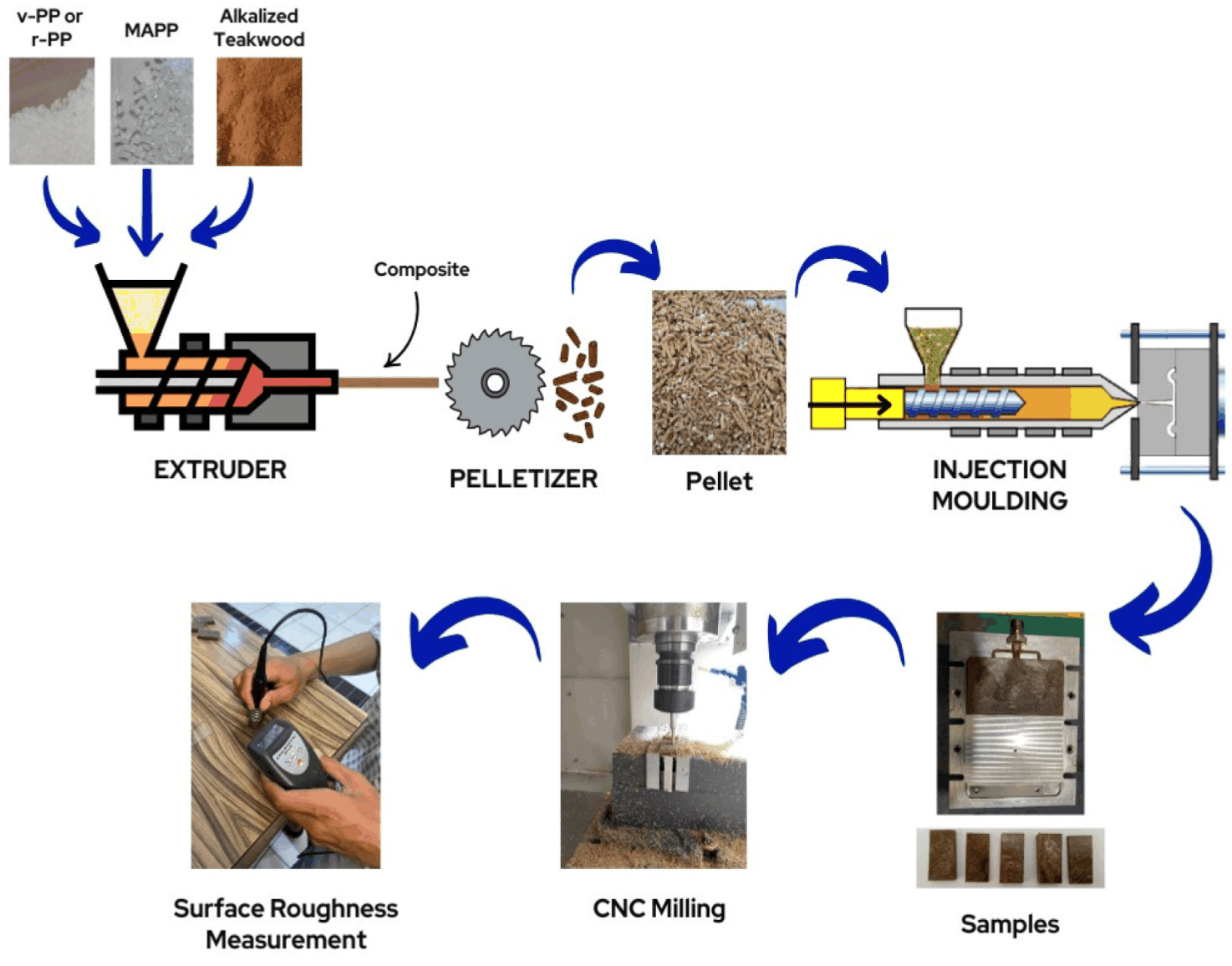
WPCs were fabricated using single-screw extrusion compounding, followed by injection moulding. Prior to extrusion, teak wood powder, PP (virgin or recycled), and MAPP were dry-blended according to a 30:67:3 wt% formulation. The materials were mechanically mixed until a visually homogeneous blend was achieved and then fed into the extruder hopper for melt compounding.
The compounding process was carried out using a conventional single-screw extruder with a screw diameter of 26 mm and a total screw length of 600 mm. The extruder was operated at a screw speed of 25 rpm, with the extrusion process conducted at barrel temperatures maintained within the range of 175℃ to 190℃ during extrusion, with a screw speed of 8 mm/s, following the procedure reported by Kelleci et al. (2022). The extruded composite strands were pelletised and subsequently moulded into rectangular specimens with dimensions of 40 × 20 × 10 mm using a manually powered injection moulding machine. The injection system had a capacity of 210 cc, with an injection diameter of 27.5 mm and an injection length of 30 cm. The injection moulding process was carried out with the barrel temperature from hopper to nozzle maintained at 170℃ to 190℃, with a holding time of 25 minutes. Due to the manual nature of the injection system, parameters such as injection pressure, mould temperature, cooling time, and cycle time were not precisely controlled. However, consistent operating conditions were maintained across all specimens to ensure comparability of results.
The overall fabrication process and surface roughness measurement procedure are illustrated in Fig. 1.
The surface morphology and fibre distribution within the WPC specimens were examined using a Zeiss Evo 10 Scanning Electron Microscope (SEM). SEM analysis provides detailed insight into the composite microstructure, which is essential for understanding mechanical behaviour and overall performance. This technique enables evaluation of fibre-matrix interactions, surface features, and potential microstructural defects.
Because WPC specimens are non-conductive, a coating process was performed prior to SEM observation. The samples were coated with a thin layer of gold–palladium (Au–Pd) to facilitate electron conduction and prevent charging during imaging. The coated specimens were placed in the SEM chamber and subjected to vacuum conditions for approximately 3 min to remove residual air and contaminants. This step reduced electron-beam scattering and improved image clarity and contrast. Observations were conducted at 100 × magnification to assess the overall distribution and homogeneity of wood particles within the polymer matrix, and at 500× magnification to examine particle agglomeration and interfacial characteristics.
The surface roughness testing was conducted in accordance with ASTM D7127, using the SRT-6223 digital Surface Profile Gauge, a handheld gauge with internally defined measurement settings. This instruments operates based on an inductance-type measurement principle and is designed to measure the peak-to-valley height of surface profiles. The surface quality was characterised using the roughness parameter Rz, defined in this study as the mean peak-to-valley height, which refer to the greatest height of the surface profile (Mitaľová et al., 2022). Rz represents the average difference between the five highest peaks and the five deepest valleys within the evaluation length (Murugesan et al., 2026). The instrument has a measurement range of 0–800 mm, with a resolution up to 0.1 mm and an accuracy of ± 5% or ± 5 mm (whichever is greater). Measurements were performed using a tungsten carbide probe, and the device provides average readings from multiple sampling points.
Rz values were obtained directly from the digital measuring device. Rectangular specimens with dimensions of 40 × 20 × 10 mm were measured longitudinally, parallel to the milling direction. A total of 15 machining conditions were tested, with five specimens per condition. Surface roughness was recorded at three different points along each specimen, and the mean Rz value was used for subsequent statistical analysis and optimisation.
Milling experiments were performed using a SuperMill CNC MK 2.0 Pro machine equipped with a 5 mm diameter HRC65 carbide end mill. Each experimental run was applied to five specimens, and surface roughness measurements were taken at three longitudinal positions on each specimen to account for directional effects induced by the milling process.
The milling parameters were optimised using RSM based on a Box-Behnken design (BBD), which is widely recognised for efficiently modelling quadratic responses without requiring corner-point experiments (Montgomery, 2017). The aim was to minimise surface roughness (Rz) of WPCs manufactured from virgin polypropylene (v-PP) and r-PP reinforced with teak wood fibres. All experiments were conducted on composites containing 30% wood content, with either v-PP or r-PP as the polymer matrix.
Three machining parameters were selected as independent variables, each evaluated at three levels: spindle speed (A) at 3,000, 4,000, and 5,000 rpm; feed rate (B) at 800, 1,200, and 1,600 mm/min (Alkhafaji et al., 2020); and depth of cut (C) at 1.0, 1.5, and 2.0 mm (Ragunath et al., 2023). Surface roughness (Rz) was selected as the response variable. The levels of milling parameters used in the experimental design are presented in Table 1. A total of 15 experimental runs were generated using Minitab® software based on the BBD approach.
The effect of milling parameters was statistically analysed using analysis of variance (ANOVA) at a 5% significance level (a = 0.05). In addition, a second-order polynomial regression model was developed to describe the relationship between surface roughness (Rz) and the independent variables: spindle speed (x1), feed rate (x2), and depth of cut (x3). The general quadratic regression model is expressed as a combination of linear and quadratic terms, as shown in Equation (1) (Cardoso et al., 2021).
where Rz is the predicted surface roughness; x1, x2, x3 are the input variables; x12, x22, x32 are the square effects, x1x2, x1x3 and x2x3 are the interaction effects; β0 is the intercept term; βi (i = 1, 2, 3) is the linear effect; βii (i = 1, 2, 3) is the squared/quadratic coefficient; βij (i = 1, 2, 3; j = 1, 2, 3) is the interaction effect; and ϵ is the random error.
3. RESULTS and DISCUSSION
SEM was employed to examine the interfacial bonding and morphological characteristics between the wood fibres and the polymer matrix in the WPC specimens. This analysis provides insights into fibre distribution within the polymer matrix, mixture homogeneity, and the presence of voids or air pockets, all of which can significantly influence the mechanical performance of the composites. The SEM observations illustrate the dispersion behaviour of wood fibres within the polymer matrix, as shown in Figs. 2 and 3.
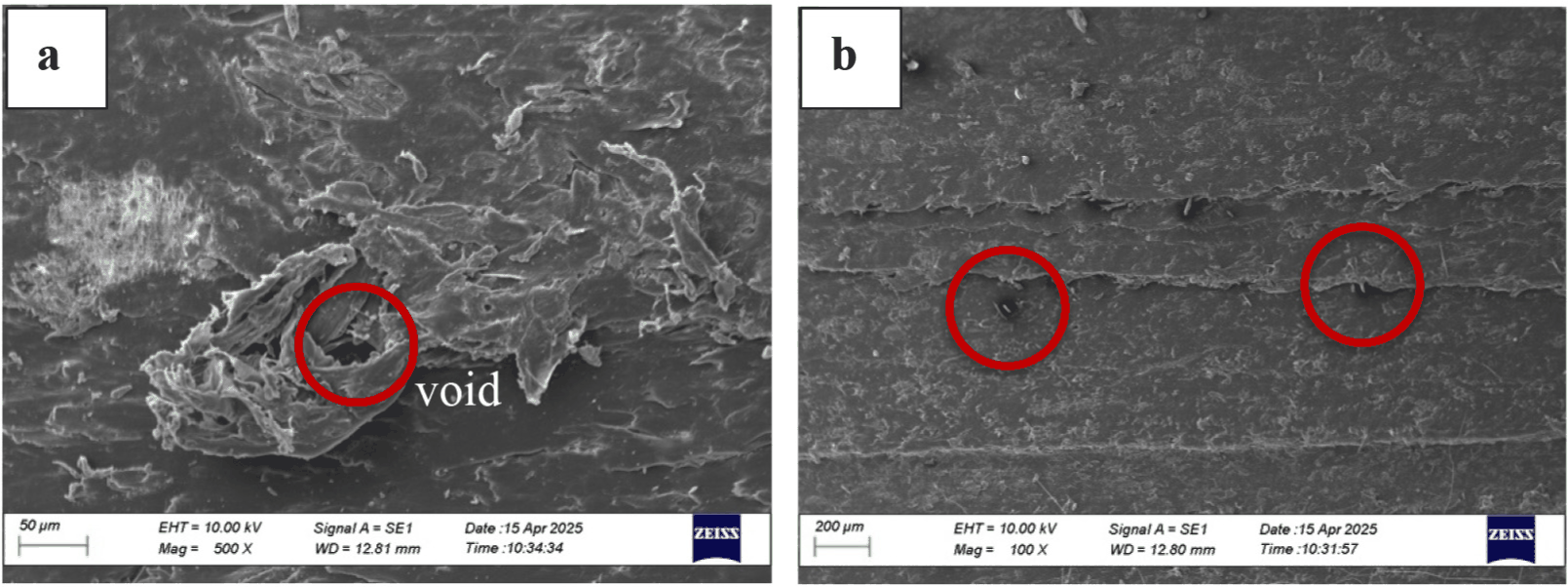
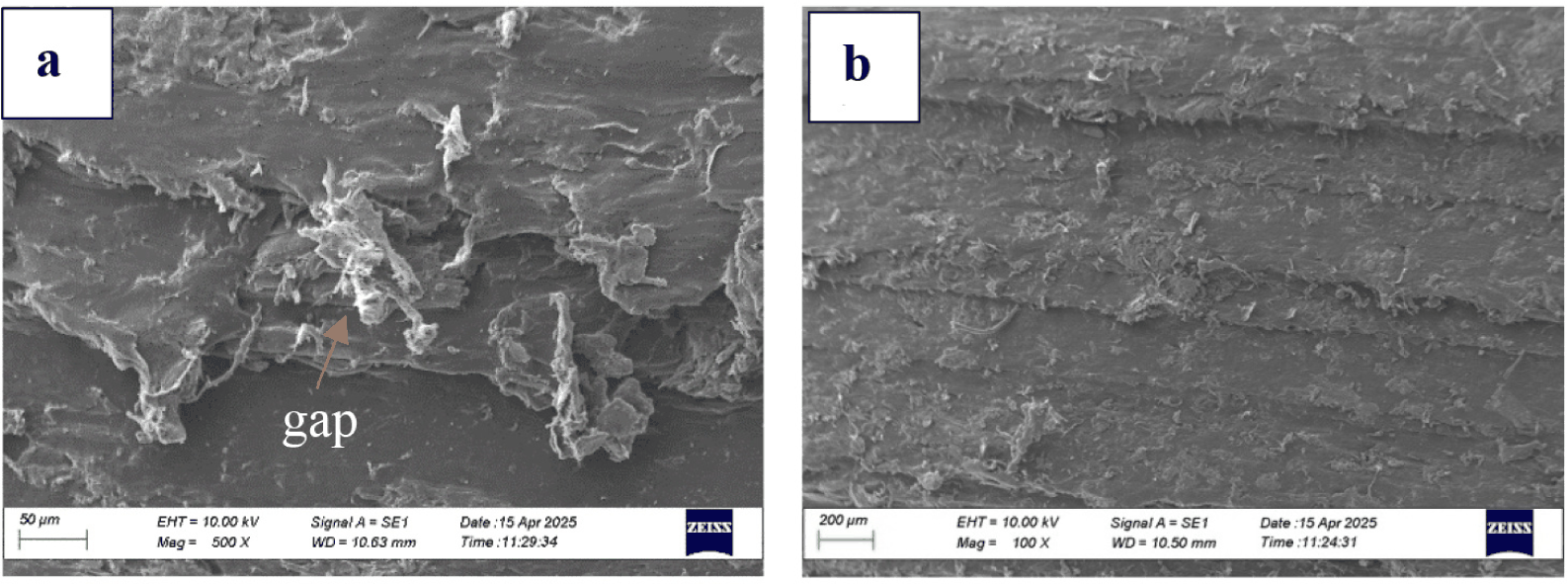
The SEM images presented in Figs. 2 and 3 indicated differences in fibre distribution and interfacial characteristics between the composites produces with v-PP and r-PP matrices. The r-PP composites exhibited less uniform fibre distribution, with visible agglomeration and the presence of voids at the fibre-matrix interface. In contrast, the v-PP composites show fewer voids and a more homogenous dispersion of wood particles within the matrix. These morphological differences may be associated with variations in machining response. As shown in Fig. 4, the v-PP composites generally exhibited lower surface roughness compared to r-PP composites. This observation is consistent with a previous study suggesting that a more homogeneous microstructure and improved interfacial bonding are often linked to smoother machined surfaces (Huang et al., 2021).
The uniform distribution of wood fibres within the polymer matrix is a critical factor in enhancing the mechanical performance of wood–plastic composites. Improved fibre-matrix compatibility facilitates more effective load transfer, leading to superior mechanical properties (Basalp et al., 2020). Conversely, fibre agglomeration and interfacial cavities can act as stress concentrators, thereby reducing the strength and overall performance of the composite material.
The surface roughness responses obtained from the Box-Behnken experimental design, incorporating three milling parameters for each PP matrix type, are summarised in Fig. 4. Fig. 4 presents the Rz values for teak wood-reinforced WPCs manufactured with v-PP and r-PP matrices across different experimental runs.
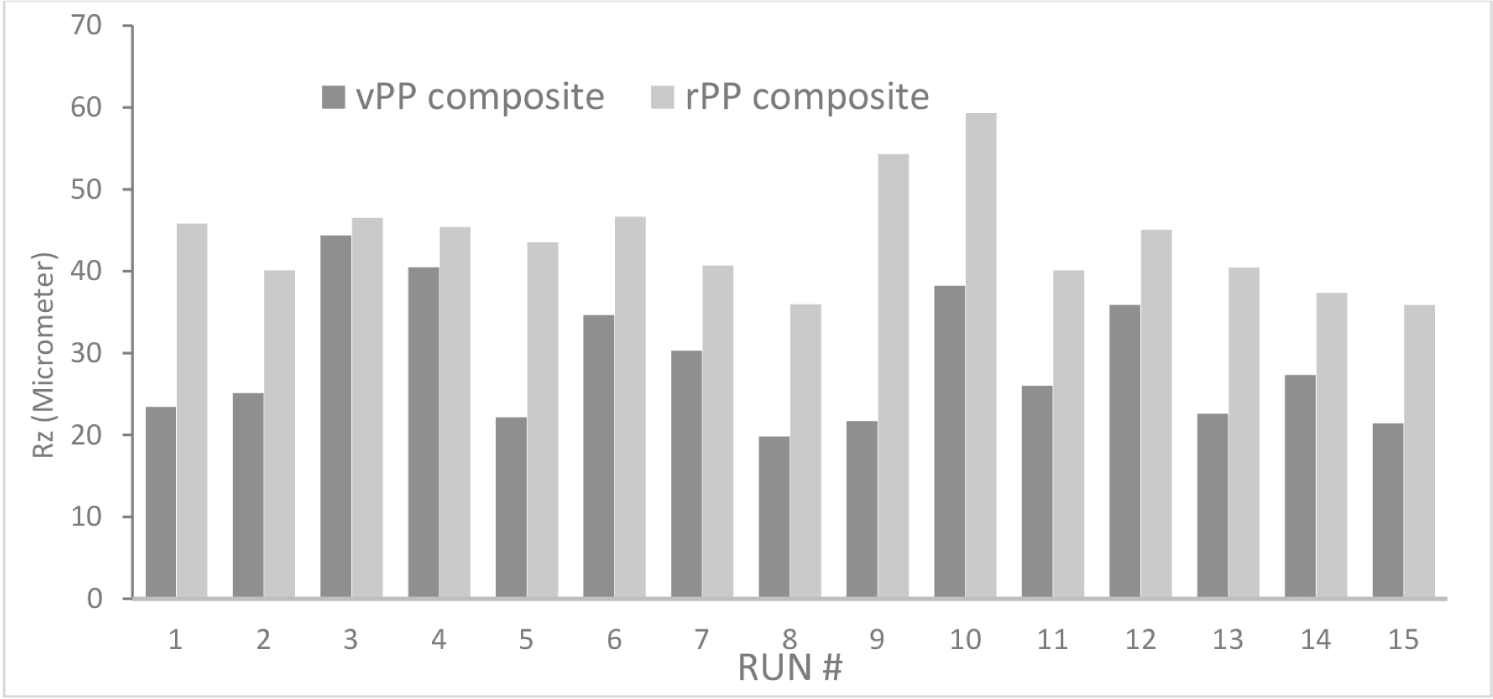
The results indicate that WPCs based on v-PP consistently exhibited lower surface roughness than those produced with r-PP. This trend is consistent with previous studies by Ayrilmis et al. (2012) and Gurau and Ayrilmis (2019), which reported that composites with more homogeneous microstructures and uniform fibre distributions tend to exhibit smoother machined surfaces. In contrast, WPCs containing recycled polymer matrices produced rougher surfaces, likely due to the presence of pores and weaker interfacial bonding between particles, resulting in less compact structures (Tabarsa et al., 2011). As observed in Figs. 2 and 3, voids and interfacial gaps in the r-PP composites disrupt surface uniformity during milling, thereby contributing to higher Rz values compared with v-PP-based WPCs.
The Rz values obtained for v-PP-based composites ranged from 19.84 to 44.35 μm, with a mean value of 28.91 μm and a standard deviation of 7.90 μm. Preliminary statistical analysis indicated that the data were approximately normally distributed and contained no significant outliers, confirming the consistency and reliability of the surface roughness measurements (Table 2).
The effects of milling parameters—spindle speed, feed rate, and depth of cut—on surface roughness (Rz) were evaluated using ANOVA. A second-order polynomial regression model was developed to describe the relationship between the input variables and Rz. The ANOVA results (Table 2) indicate that the developed model is statistically significant (Kandananond, 2010), with an F-value of 10.71 and a corresponding p-value of 0.009. Among the main effects, depth of cut (C) exerted the most significant influence on Rz (p = 0.002, F = 57.04). In addition, the quadratic effect of depth of cut (C2) and the interaction between spindle speed and feed rate (AB) were statistically significant model terms. In contrast, spindle speed (A) and feed rate (B) did not exhibit significant individual effects on Rz.
As shown in Table 3, the model achieved a high coefficient of determination, with an R² value of 95.07%, indicating strong agreement between the predicted and experimental results (Czyrski and Jarzebski, 2020). The adjusted R2 value of 86.19% further confirms the adequacy of the model, as the difference between R2 and adjusted R2 remained below 0.2, thereby validating the suitability of the experimental design (Table 3).
| S | R-sq | R-sq (adj) | R-sq (pred) |
|---|---|---|---|
| 2.93511 | 95.07% | 86.19% | 51.69% |
A trial elimination of statistically insignificant variables, as suggested by Petdee et al. (2023), was performed to improve the fitted regression model. Although the reduced model exhibited a slightly higher F-value (10.85) and predicted R2 value (55.29%), it was less effective in describing the overall variability of the data. This reduction in model performance is evidenced by decreases in both R2 (74.74%) and adjusted R2 (67.85%) following the removal of the non-significant terms. By contrast, retaining spindle speed, feed rate, and their interaction substantially improved the model fit, as reflected by the higher adjusted R2 value (Veza et al., 2023). Furthermore, the full regression model exhibited a non-significant lack-of-fit (p > 0.05), confirming its adequacy for describing the experimental data (Mourabet et al., 2017). Accordingly, the fitted regression equation describing Rz for v-PP-based composites is given in Equation (2):
The effects of spindle speed, feed rate, depth of cut, and their interactions on surface roughness are illustrated in the contour and three-dimensional surface plots shown in Fig. 5. Within the contour regions, surface roughness ranged from approximately 20 to 45 μm and exhibited a clear increasing trend with increasing depth of cut. This trend has been widely reported in milling studies, where larger depths of cut lead to poorer surface finish due to increased cutting forces and enhanced thermal effects (Mohd Nor et al., 2019). Similarly, Wei et al. (2021) reported that increasing axial depth of cut during WPC milling results in higher surface roughness, as the enlarged cutting engagement area increases deformation resistance and milling forces, leading to more severe chip-tool extrusion and accelerated rake-face wear. In contrast, lower depths of cut reduce chip accumulation and promote smoother surface finishes (Langat et al., 2021). A comparable influence of depth of cut has also been observed in the machining of fibre-reinforced polymer composites, where surface deterioration was attributed to the presence of impurities and hard inclusions within the surface layer of the work material (Karim et al., 2025).
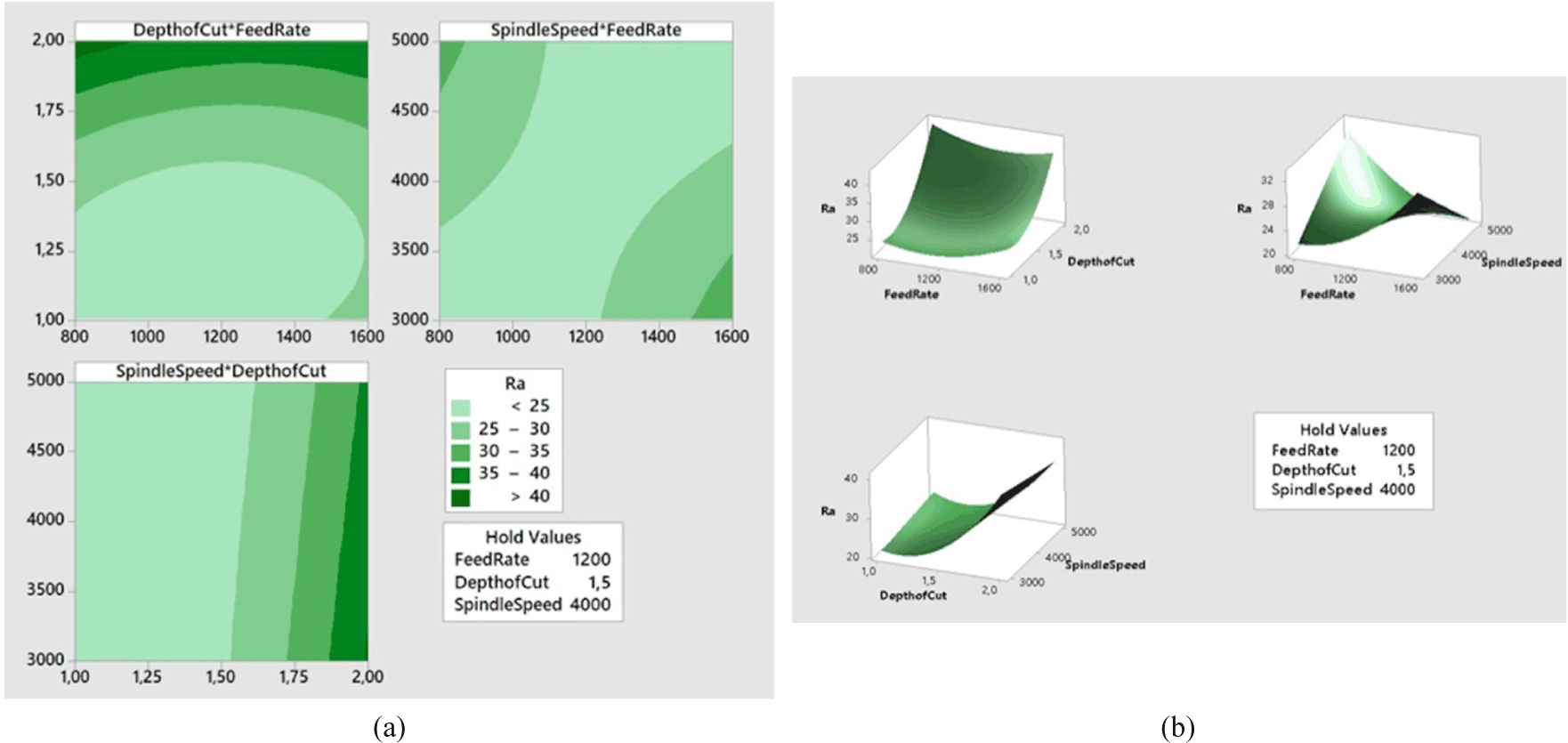
The interaction plots reveal a notable two-factor interaction between spindle speed and feed rate, indicating a trade-off in surface finish. The contour plots show that surface roughness remains relatively low when both spindle speed and feed rate are low. However, as the feed rate increases at low spindle speed, surface roughness increases markedly, exceeding 40 μm when spindle speed is approximately 3,000 rpm and feed rate exceeds 1,500 mm/min. Conversely, at higher spindle speeds, surface roughness decreases and stabilises within the range of 20–25 μm, particularly when spindle speed lies between 4,500 and 5,000 rpm and feed rate ranges from 1,400 to 1,600 mm/min. These findings are consistent with the ANOVA results, which indicate that while spindle speed and feed rate are not individually significant, their interaction has a statistically significant effect on Rz. Variations in surface roughness arising from the interaction of machining parameters may be attributed to the anisotropic and heterogeneous nature of natural fibre-reinforced polymer composites (Arslane et al., 2025). No strong interactions were observed between the depth of cut and the other machining parameters.
The optimal milling parameters for minimising surface roughness were identified as a spindle speed of 5,000 rpm, feed rate of 1,543.43 mm/min, and depth of cut of 1 mm. Under these conditions, the predicted Rz was 13.03 μm, with a desirability value of 1.00.
The Rz values obtained for r-PP-based WPCs ranged from 35.91 to 59.33 μm, with a mean value of 43.83 μm and a standard deviation of 6.48 μm. When compared with values reported for conventional polymeric composites in the literature (Adamčík et al., 2025; Mitalova et al., 2018), the surface roughness measured in this study remains within the acceptable quality range typically associated with the machining of polymeric-based composites. Variations relative to other studies on WPC machining are expected (Homkhiew et al., 2025; Srivabut et al., 2024; Tasdemir et al., 2020), as surface finish is strongly influenced by compositional factors, particularly wood content and wood species (Gurau and Ayrilmis, 2019; Tabarsa et al., 2011).
The experimental Rz responses for r-PP-based WPCs, as presented in Fig. 4, indicate that milling parameters influence surface roughness to varying extents. To quantify these effects, the experimental data were fitted to a quadratic polynomial regression model aimed at predicting optimal machining conditions for minimising surface roughness. The ANOVA results presented in Tables 4 and 5 confirm the statistical significance of the model, with an F-value of 6.86 and a p-value < 0.05, demonstrating that the model provides a reliable basis for predicting the surface roughness in r-PP-based composites. Although the coefficient of determination was lower than that obtained for v-PP-based composites, the model still exhibited a high R2 value of 92.51% and the difference between R2 and adjusted R2 remained below 0.2, indicating acceptable model adequacy (Kumar et al., 2023). Moreover, the lack-of-fit p-value of 0.345 was not statistically significant, further confirming the suitability of the proposed model for surface roughness prediction.
| Model | S | R-sq | R-sq (adj) | R-sq (pred) |
|---|---|---|---|---|
| Initial | 2.96966 | 92.51% | 79.02% | 55.43% |
| Reduced | 2.74763 | 87.17% | 82.04% | 70.57% |
In terms of linear effects, spindle speed (A) was the only parameter that significantly influenced the Rz, whereas interactions between the machining parameters were not statistically significant. However, the quadratic terms of spindle speed (A2) and depth of cut (C2) were identified as significant contributors to the model, indicating nonlinear relationships between these parameters and surface roughness.
In the subsequent stage of analysis, statistically non-significant terms were removed from the initial regression model. As shown in Tables 4 and 5, all remaining terms in the reduced polynomial models were statistically significant (p < 0.05), and the lack-of-fit remained non-significant, indicating good agreement between predicted and experimental results. Although the reduced model resulted in a lower R2 value compared with the full model, approximately 12.83% of the total variation in surface roughness remained unexplained, reflecting the impact of eliminating certain variables (Ahmad et al., 2020). Nevertheless, the reduced quadratic regression model yielded higher adjusted R2 values, indicating improved predictive performance. The final regression equation describing surface roughness for r-PP-based composites is presented in Equation (3).
The contour and three-dimensional surface plots shown in Fig. 6 indicate no significant interaction effects between the machining parameters. However, the 3D surface plot reveals pronounced curvature along the depth-of-cut axis, corresponding to the significant quadratic effect of depth of cut (p < 0.05) identified in the ANOVA results. Although the linear effect of depth of cut was only marginally significant (p = 0.067), its squared term contributed substantially to the model, indicating a nonlinear relationship whereby increasing depth of cut results in progressively higher Rz values. This behaviour is consistent with the trends observed for v-PP-based WPCs. Moreover, spindle speed exhibited a beneficial effect on the machining performance of r-PP-based composites, with higher spindle speeds consistently producing smoother surfaces. This finding aligns with the results reported in the previous study on wood-based and composite material machining (Yang et al., 2023).
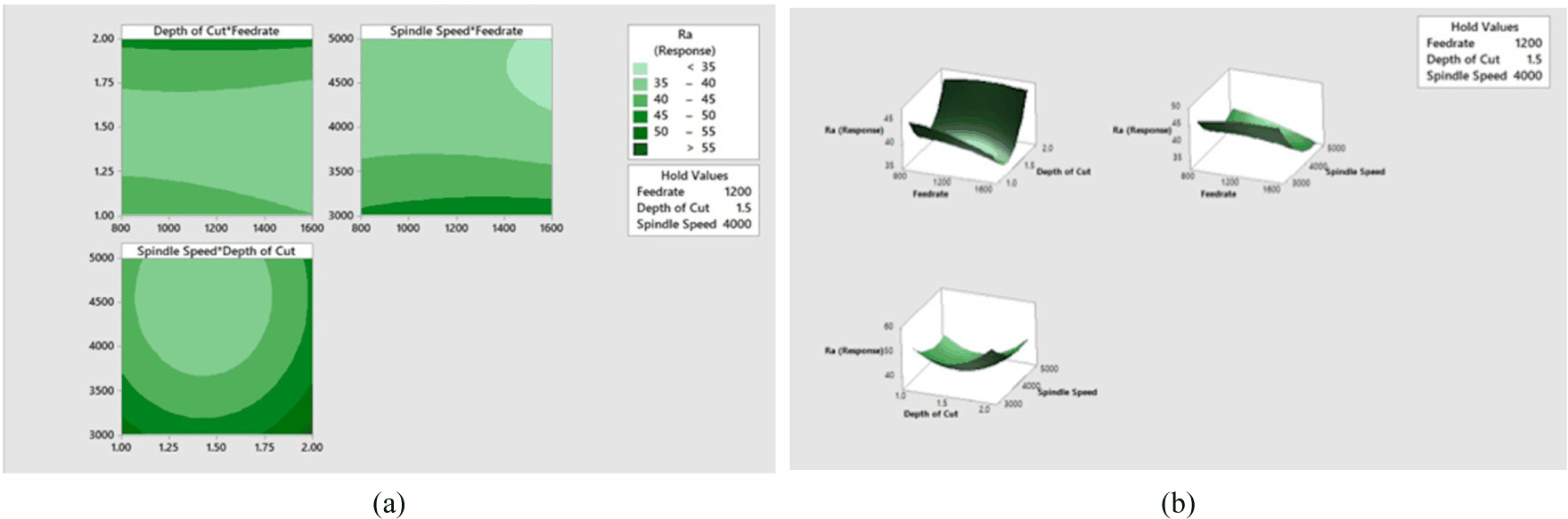
Based on the optimisation results, the minimum surface roughness (Rz = 32.94 mm) for r-PP-based composites was achieved at a feed rate of 1,600 mm/min, depth of cut of 1.39 mm, and a spindle speed of 4,798 rpm. These conditions indicate that the optimal feed rate occurred at the highest level tested, the depth of cut was near the mid-range of the experimental values, and the spindle speed approached the maximum level investigated in this study.
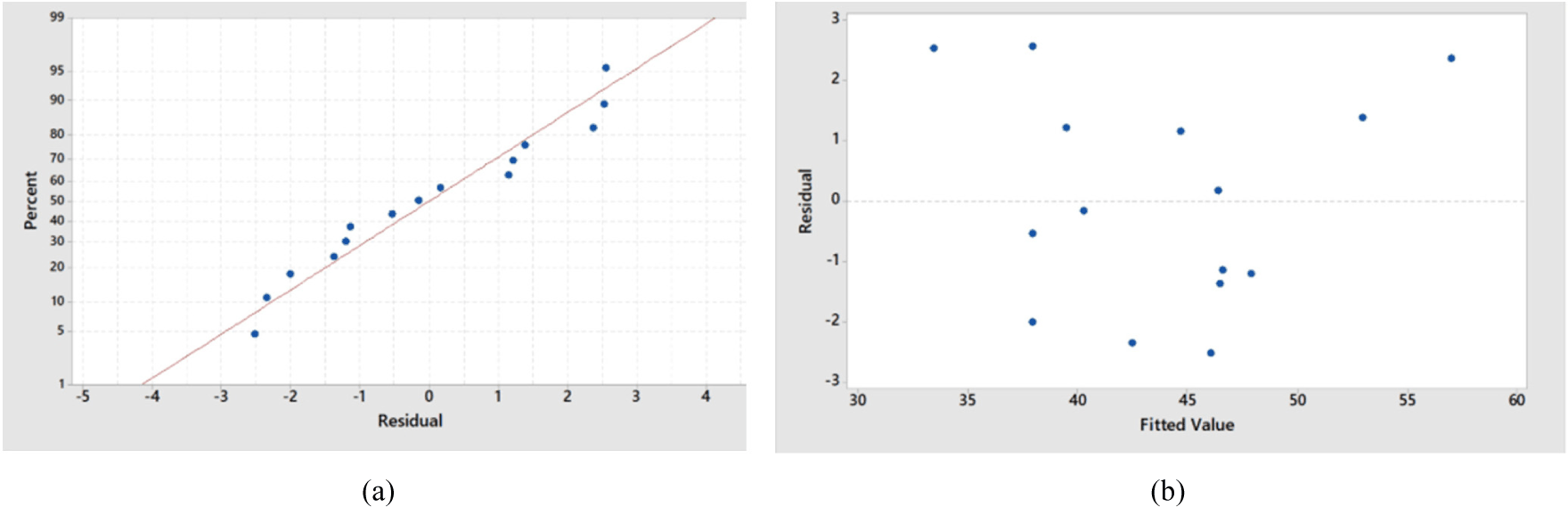
To assess the adequacy of the developed model, residual analysis was performed by comparing the experimentally measured Rz values with model predictions. The normal probability plot of residuals and the plot of residuals versus predicted responses, shown in Fig. 7, indicate that the residuals are approximately normally distributed and exhibit no systematic patterns or unusual structures. These results confirm that the assumptions of regression analysis were satisfied, demonstrating that the model provides a reliable representation of the relationship between machining parameters and surface roughness in r-PP-based WPCs.
This study has several limitations. Confirmation experiments at the predicted optimum conditions were not performed due to the inability to reproduce identical material batches and processing conditions. Some injection moulding parameters were not instrumented because of the manual system used. In addition, r-PP was dried under ambient conditions, which may introduce variability. Therefore, the findings should be interpreted within the scope of the materials and conditions investigated.
4. CONCLUSIONS
This study employed RSM based on a BBD to optimise milling parameters for minimising surface roughness (Rz) in WPCs manufactured from v-PP and r-PP reinforced with teak wood. SEM analysis indicated differences in fibre distribution and interfacial characteristics between v-PP and r-PP composites. Composites based on r-PP exhibited uneven fibre distribution, particle agglomeration, and the presence of interfacial voids, whereas v-PP composites appear to exhibit fewer interfacial voids and more homogeneous fibre dispersion. These morphological features are consistent with the lower surface roughness observed in v-PP composites, confirming that improved fibre distribution and interfacial bonding may contribute to smoother machined surfaces.
Statistical analysis of the RSM models demonstrated good agreement between experimental and predicted results, with adjusted R2 values of 86.19% for v-PP composites and 82.04% for r-PP composites. For v-PP-based composites, depth of cut was identified as the most influential parameter, accounting for 56.26% of the variability in surface roughness. In c variabilityontrast, for r-PP composites, spindle speed and the quadratic effect of depth of cut were the key contributors, explaining 37.41% and 33.91% of the variability, respectively.
A comparative analysis further showed that v-PP composites consistently produced smoother surfaces (lower Rz), particularly at lower depths of cut, although surface roughness was strongly influenced by the combined effects of spindle speed and feed rate. Conversely, r-PP composites generally exhibited higher surface roughness, which increased progressively with depth of cut, while higher spindle speeds consistently improved surface finish.
The optimal milling parameters for minimising surface roughness were determined to be a spindle speed of 5,000 rpm, feed rate of 1,543.43 mm/min, and depth of cut of 1 mm for v-PP composites. For r-PP composites, the optimal conditions were a spindle speed of 4,798 rpm, feed rate of 1,600 mm/min, and depth of cut of 1.39 mm. These findings provide practical guidance for selecting machining parameters that enhance the surface quality of WPCs produced from both virgin and recycled PP matrices, supporting more efficient and sustainable manufacturing practices.