1. INTRODUCTION
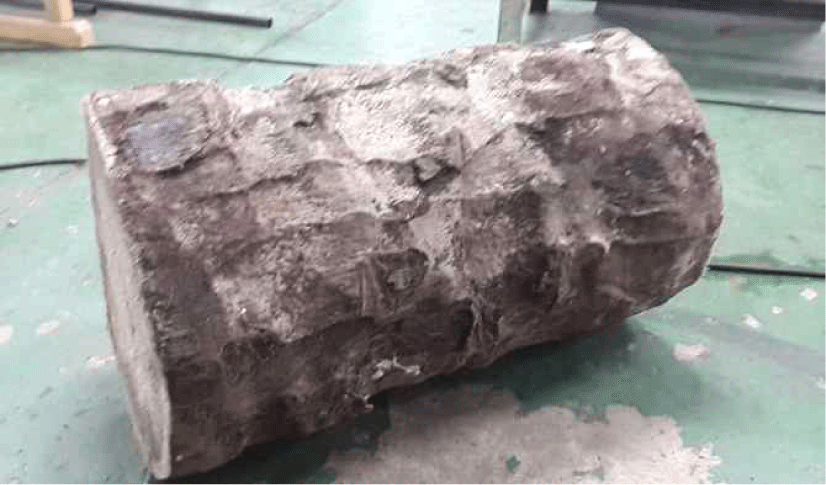
In Thailand, large-scale replanting of oil palm plantations has generated an increasing volume of senescent oil palm trunks (OPT), typically removed at 25–30 years of age (Fig. 1). Among smallholders, open burning remains the most common disposal method because of its low cost and simplicity, but this practice produces substantial greenhouse gas (GHG) emissions, particularly CO2 and CH4, while contributing to local haze and short-lived climate forcers (Dhandapani and Evers, 2020). Although Thailand’s plantations are not typically established on peatland, the cumulative effect of OPT burning represents a serious environmental burden. Developing alternative management strategies for OPT waste is therefore both an environmental and economic priority.
Recent research has explored converting OPT into engineered wood products such as particleboard, laminated veneer lumber, and plywood, offering a more sustainable pathway consistent with circular bioeconomy goals (Nuryawan et al., 2022). Notable advances include PF-treated veneers yielding marine-grade plywood with strong bonding and biological resistance (Che Ismail et al., 2022), hybrid layering with tropical hardwood veneers to enhance strength (Diza Lestari et al., 2015; Ghani et al., 2022; Sulastiningsih et al., 2025), and sandwich panels with OPT cores and OSB or plywood faces that meet thermal insulation standards (Jantawee et al., 2023). Other residues have also been valorized: leaves for particleboard and insulation (Nuryawan and Risnasari, 2020), ash nanoparticles blended into PF adhesives (Nuryawan et al., 2020), and lignin from palm kernel shells as a partial PF substitute (Boonsombuti et al., 2023). Collectively, these studies demonstrate the potential of oil palm biomass as a renewable raw material for diverse applications.
Plywood quality, however, depends heavily on veneer preparation, adhesive formulation, and processing. Studies emphasize that veneer density and glue spread rate strongly affect bonding, with excessive adhesive causing thick glue lines and reduced penetration (Samih et al., 2025). Modifications to urea-formaldehyde (UF) and melamine–urea–formaldehyde (MUF) resin chemistry also influence strength, durability, and formaldehyde emissions (Lubis and Park, 2020; Lubis et al., 2019a, 2019b). Hybrid adhesives with blocked pMDI improve water resistance (Lubis et al., 2019b), while API-based systems incorporating phosphorus–nitrogen or LDH flame retardants show promise for safer, eco-friendly formulations (Liu et al., 2021; Wen et al., 2020). Beyond adhesives, structural innovations such as Ply-lam cross-laminated timber (CLT) demonstrate improved shear and bending compared to conventional CLT (Choi et al., 2020; Fujimoto et al., 2021). At the same time, untreated panels often fail to meet moisture regulation standards, though punching treatments can enhance absorption–desorption performance (Park and Jo, 2020).
The objective of this research is to develop a method for converting senescent OPT into plywood products by focusing on veneer preparation through optimized hybrid drying. The study evaluates mechanical properties—including tensile strength, modulus of rupture (MOR), modulus of elasticity (MOE), and bondline shear strength—while monitoring energy consumption during production. To complement this, a carbon emission inventory was conducted and compared with traditional OPT management scenarios of natural decomposition and open burning. By integrating mechanical and environmental perspectives, the study provides a foundation for evaluating OPT plywood feasibility and contributes to guidelines for sustainable biomass utilization. Ultimately, this approach supports Thailand’s transition toward a bioeconomy by promoting value-added waste management at both community and industrial levels.
2. MATERIALS and METHODS
Tenera OPT, approximately 35 years old (cultivated in a plantation in Chumphon Province, Thailand), were harvested and rotary-peeled into veneers with a thickness of 1.5–2 millimeters. The veneers were dried using two methods: hot air at 90°C, and hot air at 90°C combined with a 2,000-watt microwave. After drying, the veneers were subjected to mechanical testing to compare the effectiveness of the drying methods.
The selected veneers were assembled into plywood using a hydraulic hot press with UF adhesive. The adhesive, with a solids content of approximately 55%–60%, was applied using a spray gun at a maximum pressure of 8 bar. The application rate was 150–180 g/m2 (solids basis) per glue line, consistent with industrial practice for plywood manufacturing (Bekhta et al., 2019; Cai et al., 2021). Following adhesive application, veneers were laid up within an open assembly time of 5–7 minutes to prevent premature curing and ensure uniform bond formation.
Hot pressing was performed at 120°C for 5 minutes under a pressure of 1.0–1.2 MPa, values chosen to reflect realistic conditions for plywood pressing (Ahmad et al., 2014; European Committee for Standardization [CEN], 2012). The pressing operation, conducted at Phangnga Plywood (Phuket, Thailand), compressed the initial lay-up thickness of ~15 mm down to a final thickness of 10 mm. Finished panels were 700 × 700 × 10 mm and were subsequently evaluated for mechanical and physical properties in accordance with relevant ASTM standards.
Based on the experimental application of oil palm veneers (OPV) with a thickness of 1 ± 0.5 mm and dimensions of 80 × 150 mm subjected to drying using both hot air and microwave techniques, it was found that veneers dried at 90°C using hot air alone or in combination with microwave treatment at 2,000 watts exhibited mechanical properties suitable for plywood manufacturing. This finding is consistent with the study (Lekachaiworakul et al., 2017), which reported that such drying methods positively influence the drying kinetics and mechanical performance of OPV (Fig. 2).
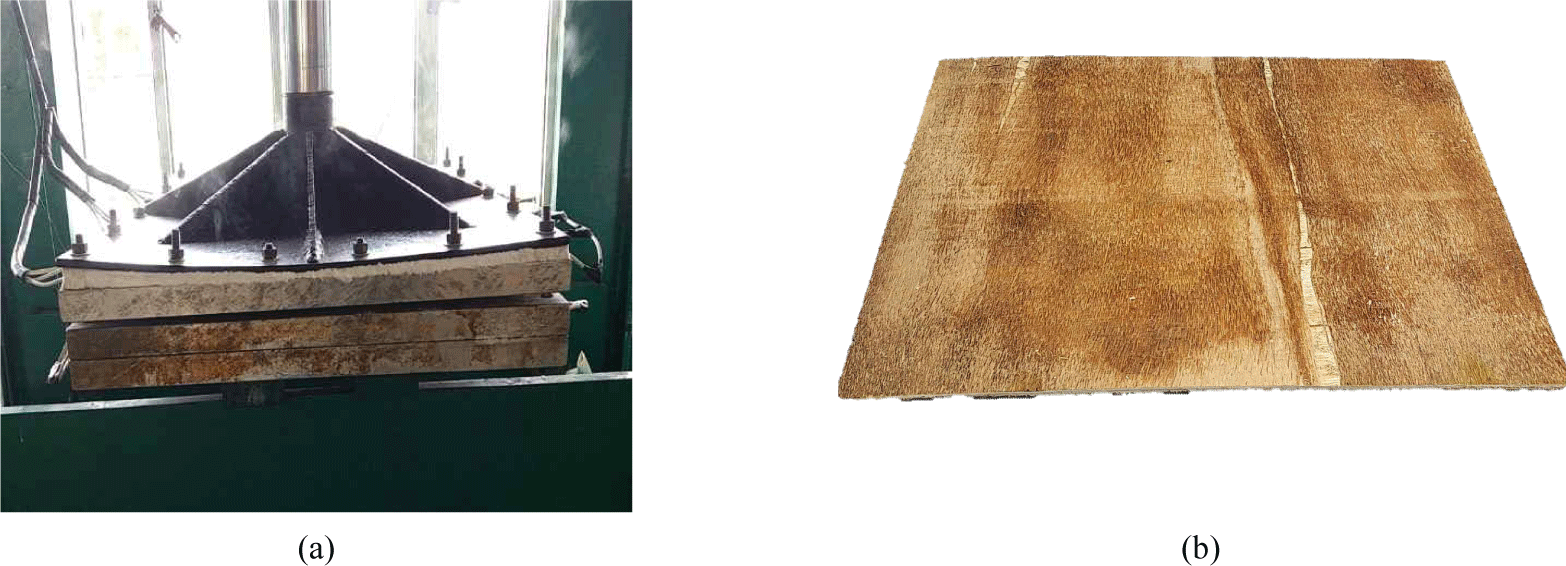
The fabricated plywood samples were subjected to mechanical and physical property testing in accordance with relevant ASTM standards, including ASTM D3043 (panel bending, Method A) and ASTM D1037 [water absorption (WA) and thickness swelling (TS)]. The evaluated parameters included post-press moisture content, TS, WA, MOR, and tensile strength. All mechanical tests were conducted using a HOUNSFIELD universal testing machine (Model H50KS) equipped with a 10-kN load cell.
Plywood panels were manufactured from OPT with a nominal thickness of 10 mm, selected because it represents a common dimension for furniture and other non-structural panel applications, thereby enabling meaningful comparison with commercial plywood products.
Prior to testing, all specimens were conditioned at 20 ± 2°C and 65 ± 5% relative humidity for at least 48 h to ensure equilibrium moisture content. The actual moisture content was measured and reported in the results section. Such conditioning minimizes variability from environmental factors and ensures reproducible data.
Specimens were oriented so that the longitudinal axis (length) was aligned parallel to the face grain of the plywood. This orientation reflects the principal load-bearing direction in practical applications and is critical for obtaining representative bending and tensile values.
Mechanical tests were performed on specimens cut from 10-mm-thick panels. Tensile coupons measured 25 × 120 × 10 mm (b × L × d; A = 250 mm2). Bending specimens measured 50 × 170 × 10 mm (A = 500 mm2) with a support span of L = 120 mm (L/d = 12), tested in three-point bending according to ASTM D3043 (Method A). WA/TS specimens measured 50 × 50 × 10 mm and were tested according to ASTM D1037. All tests used n = 3 per condition. Although three replicates were sufficient for reporting mean and standard deviation values, future work will increase the number of replicates (n ≥ 5) to improve statistical robustness.
Tensile strength was calculated using the maximum tensile load and the cross-sectional area of the specimen.
Where: σt = tensile strength (MPa); Pmax= maximum tensile load (N); A = cross-sectional area (mm2), calculated as width × thickness.
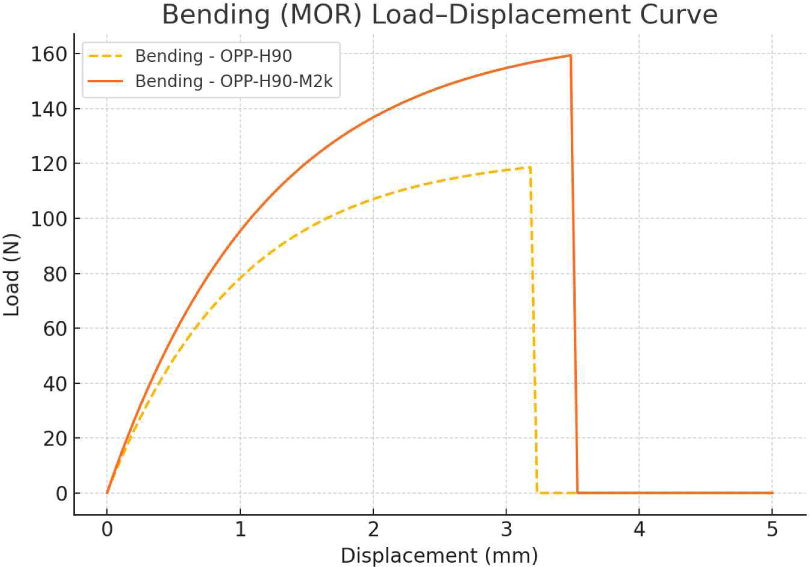
MOR was calculated from the maximum bending load obtained during the three-point bending test (Fig. 3).
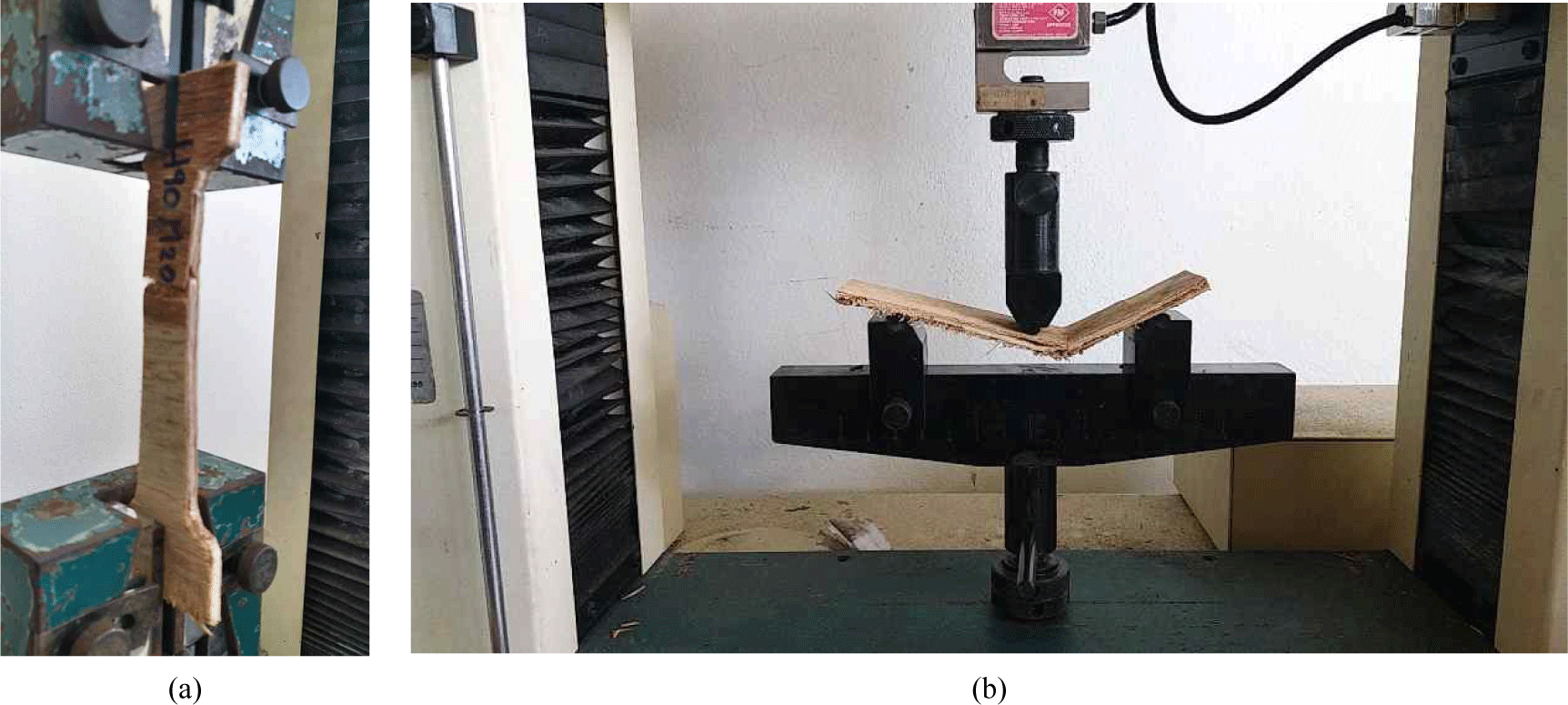
Where: MOR = modulus of rupture (MPa); P = maximum load before failure (N); L = span length between supports (mm); b = width of the specimen (mm); d = thickness of the specimen (mm).
MOE was determined from the slope of the linear portion of the load–deflection curve during bending.
Where: MOE = modulus of elasticity (MPa); L = span length between supports (mm); m = slope of the linear portion of the load–deflection curve (N/mm); b = width of the specimen (mm); d = thickness of the specimen (mm).
The load and deflection data were continuously recorded and used for calculating the modulus values.
WA and TS were calculated after 24-hour immersion of the plywood specimens in water. WA was determined based on the change in weight before and after soaking, while TS was based on the change in thickness. The following formulas were used
Where: W1 = initial weight of the specimen before water immersion (g); W2 = final weight of the specimen after 24-hour water immersion (g); WA (%) = WA, expressed as the percentage increase in weight due to moisture uptake.
This value indicates the amount of water absorbed by the specimen over a 24-hour period and reflects its moisture resistance.
Where: T1 = initial thickness of the specimen before water immersion (mm); T2 = final thickness of the specimen after 24-hour water immersion (mm); TS (%) = TS, expressed as the percentage increase in thickness due to WA.
This value measures the dimensional stability of the plywood and is a key indicator of its performance in humid or wet environments.
To quantify the environmental benefits of converting senescent OPT into plywood rather than disposing of them via open burning, this study estimated the amount of avoided carbon dioxide (CO2) emissions. The calculation method is based on the carbon content of dry biomass and the emission factor (EF) for complete combustion, as outlined by the Intergovernmental Panel on Climate Change (IPCC, 2006) and supported by biomass studies (Sumathi et al., 2008).
The carbon content of oven-dried OPT biomass was assumed to be 50% of its mass, consistent with the IPCC (2006, Vol. 4, AFOLU) guideline that approximates the carbon fraction of oven-dry lignocellulosic biomass at ~0.5. Accordingly, the theoretical CO2 emission from complete combustion was calculated using Equation (6):
Where: 0.5 represents the carbon fraction in dry biomass; 44/12 is the molecular weight ratio of CO2 to carbon.
This equation estimates the theoretical maximum CO2 release under the assumption of complete oxidation.
The burning scenario is modeled under a cradle-to-gate boundary limited to the combustion phase only. Upstream processes such as plantation, harvesting, or transport of OPT to combustion sites are excluded, assuming that OPT is treated as a waste by-product. The system boundary therefore captures only the direct emissions from the oxidation of the carbon fraction.
The carbon content fraction (0.5) may vary depending on biomass type, age, and measurement method. Reported values range between 45%–55% (IPCC, 2006).
Complete combustion is rarely achieved in practice; actual emissions may be lower due to partial oxidation, leaving residual biochar or ash.
To address these uncertainties, sensitivity analysis was conducted by varying the carbon fraction within ± 10% and considering incomplete combustion (oxidation efficiency between 90%–100%). Results are expressed as ranges rather than single-point values, providing a more realistic assessment of potential CO2 emissions.
In contrast, emissions from plywood production were compiled using life cycle inventory (LCI) data, covering the following processes:
-
- Drying (hot air and microwave systems).
-
- Adhesive preparation and use (urea formaldehyde or melamine urea formaldehyde).
-
- Hot pressing and surface finishing.
-
- Transportation (if applicable).
EFs were derived from published tropical plywood system studies (Ahmad et al., 2014) and the Ecoinvent Association (2020).
The plywood production scenario adopts a cradle-to-gate boundary, including raw material preparation, energy consumption during processing, and transport to factory gate. End-of-life stages (recycling, incineration, or landfill of plywood) are excluded from this scope.
-
- LCI datasets vary by geographic region, production scale, and energy mix. Reported emissions range between 300–600 kg CO2-eq per m3 of tropical plywood, depending on adhesive type and drying method.
-
- Adhesive production contributes significantly to uncertainty due to variability in formaldehyde content and curing efficiency.
-
- Transport emissions are scenario-specific and may vary with distance, fuel type, and logistics.
-
- To account for variability, a range of reported values was used, and emission results are expressed with confidence intervals.
The substitution benefit of plywood production over burning was estimated as:
All results are normalized per 1 m3 of finished plywood, ensuring comparability with existing life cycle assessment (LCA) studies. By explicitly defining system boundaries and incorporating uncertainty ranges, this approach enhances the robustness of the comparative analysis.
All emissions in this study were normalized to 1 m3 of finished plywood, allowing for meaningful comparison with existing LCA studies conducted in tropical regions and supporting benchmarking efforts for low-carbon material development.
The EF for electricity consumption was assumed to be 0.5 kg CO2-eq/kWh, in accordance with the average national grid mix of Thailand. This value aligns with regional estimates reported by the Thailand Greenhouse Gas Management Organization (TGO, 2021) and the International Energy Agency (IEA, 2022).
The EF for UF resin was set at 3.1 kg CO2-eq/kg, based on values obtained from Ecoinvent and GaBi databases (Vujanovic et al., 2022), and other recognized LCI databases commonly used in LCA of building materials (Sutter et al., 2019; Thinkstep, 2018).
Material and energy consumption data were based on small-scale plywood production conditions, typical of artisanal or semi-industrial operations. For each square meter of finished plywood, approximately 6 kg of oven-dried veneer and 0.3 kg of UF resin were required.
3. RESULTS and DISCUSSION
The results in Table 1 indicate that the tensile and shear strength values of the microwave-only treatment (OPV M2k) are actually lower than those obtained from hot-air drying at 50°C (OPV H50). This suggests that microwave treatment by itself is insufficient to enhance the mechanical performance of OPV, likely due to uneven heating and localized thermal degradation in the absence of pre-drying stabilization. However, when microwave treatment is combined with hot-air drying, particularly at the higher temperature condition (OPV H90-M2k), the mechanical properties improve substantially, with shear strength values exceeding 19 MPa. This demonstrates that the benefits arise not from microwave drying alone, but from its synergistic effect with hot-air pre-drying. The combined approach likely benefits from initial moisture reduction and thermal conditioning by hot-air, followed by the generation of internal vapor pressure under microwave exposure, which facilitates adhesive penetration and veneer consolidation. Among all conditions, OPV H90 and OPP-H90-M2k exhibited the most favorable balance of mechanical and physical properties, and these veneers were subsequently selected for plywood manufacturing trials. Therefore, the study emphasizes that microwave-assisted drying should be understood as a complementary treatment rather than a stand-alone alternative, highlighting the potential of hybrid drying strategies to deliver both improved mechanical performance and greater process efficiency.
Upon fabrication, the oil palm plywood (OPP) samples were subjected to mechanical testing under the following conditioning categories: plywood produced from veneers dried using hot air at 90°C (OPP-H90), and plywood produced from veneers dried using hot air at 90°C combined with microwave treatment at 2,000 watts (OPP-H90-M2k).
Table 2 presents the results. These improvements suggest that microwave-assisted drying enhances the internal structure of the veneers, resulting in better adhesive penetration and stronger interfacial bonding. Consequently, the plywood is able to withstand greater external forces before failure. Moreover, the OPP-H90-M2k panels exhibited approximately 30% lower TS and 20% lower WA compared to the hot-air-only group. This improvement correlates with the higher density of the material, which contributes to enhanced dimensional stability and greater resistance to moisture-related degradation.
However, it is noteworthy that the production cost of OPP-H90-M2k plywood was approximately 58% higher than that of the OPP-H90 group, primarily due to the increased energy consumption during drying. This raises the need to assess the economic feasibility when scaling up the process for industrial application.
The WA and TS values obtained for OPT-based plywood (WA 49.7%–63.4%; TS 25.2%–38.4%) are substantially higher than those reported for commercial plywood products. For example, commercial softwood and hardwood plywood typically exhibit TS values below 10%–12% and WA values below 20%–25% after 24 h water immersion, in compliance with EN 636 exterior-grade classifications and ASTM D1037 benchmarks (Bekhta et al., 2019; Cai et al., 2021). The markedly elevated WA/TS in the present study indicates poor dimensional stability and low water resistance, reflecting both the hydrophilic nature of OPT fibers and the limitations of UF adhesive under wet conditions.
From an application standpoint, these results restrict OPT-based plywood to interior and non-structural uses, such as furniture, paneling, or partitioning, where exposure to high humidity or liquid water is minimal. To extend its utility to structural or exterior-grade applications, several mitigation strategies are necessary. These include adhesive upgrades [e.g., MUF or phenol–resorcinol–formaldehyde (PRF)], which offer superior water resistance; surface sealing or overlaying, which can reduce direct water uptake; and post-curing or resin modification treatments, which may enhance cross-linking and reduce moisture sensitivity. Such improvements are well-documented in studies on tropical plywood systems and represent a viable pathway to elevate OPT plywood from an interior-grade to a semi-exterior or exterior-grade material.
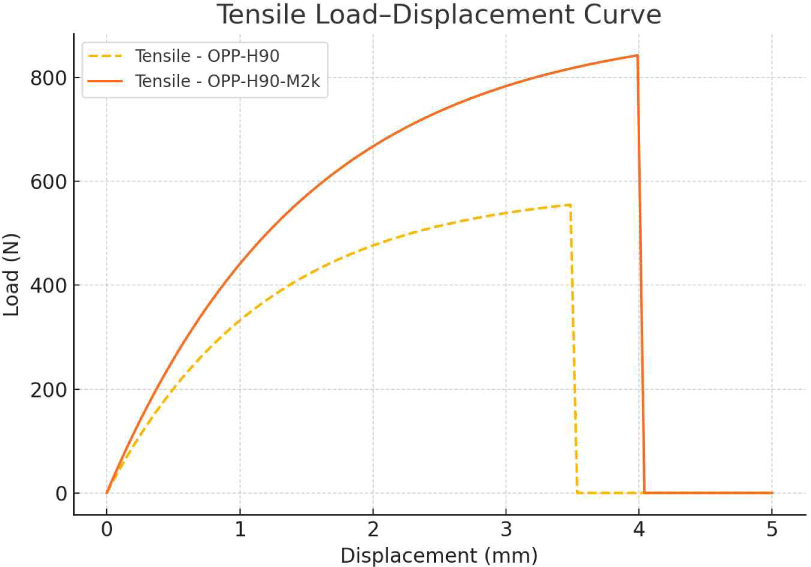
The tensile test results revealed that plywood fabricated from microwave-assisted hot air-dried veneers (OPP-H90-M2k) achieved a maximum tensile load of 906.3 ± 40.8 N (n = 3), compared to 587.4 ± 25.6 N (n = 3) for hot air-dried veneers (OPP-H90). Statistical analysis using one-way ANOVA confirmed that the difference was significant (p < 0.05), suggesting that the application of microwave energy contributed to a denser and more cohesive veneer structure, thereby enhancing adhesive bonding and load transfer capability (Fig. 4).
In terms of bending performance, the OPP-H90-M2k group also outperformed the control group, exhibiting a MOR of 17.83 ± 0.88 N/mm2, more than double the 8.00 ± 0.45 N/mm2 recorded for OPP-H90 (n = 3). This difference was likewise significant according to ANOVA (p < 0.05), indicating greater resistance to bending failure (Fig. 5).
Overall, the use of hybrid hot air–microwave drying enhanced mechanical properties across all measured parameters. While the achieved MOR and MOE values remain lower than those of commercial structural-grade plywood, the consistently high bondline shear strength (7.10 ± 0.32 MPa) highlights the technical feasibility of producing OPT plywood for non-structural applications such as furniture, paneling, or interior partition systems. With further optimization through resin modification, densification, or fiber orientation control, performance improvements toward higher-grade applications may be achievable.
In conclusion, the use of hot air combined with microwave drying significantly enhanced the mechanical properties of the plywood across all measured dimensions, particularly in tensile and bending strength. These properties are critical for structural and load-bearing applications, underscoring the potential of microwave-assisted drying as a value-added processing technique for oil palm.
The results indicate that plywood fabricated from OPV dried using a combination of hot air at 90°C and microwave treatment at 2,000 watts (OPP-H90-M2k) demonstrated superior mechanical properties compared to those dried using hot air alone (OPP-H90). Specifically, the OPP-H90-M2k samples exhibited a higher maximum tensile load (906.25 N), MOR (17.83 N/mm2), and MOE (697.74 N/mm2), as summarized in Table 3.
The mechanical property results clearly demonstrated that the plywood samples fabricated from veneers dried using a combination of hot air and microwave at 2,000 watts (OPP-H90-M2k) exhibited significantly superior performance compared to those dried with hot air alone (OPP-H90). The maximum tensile load of the OPP-H90-M2k group reached 906.25 N representing a 54.3% increase over the 587.38 N of the control group highlighting improved internal density and bonding strength.
Similarly, the maximum bending load and MOR of the microwave-assisted samples showed more than a twofold increase, from 7.9977 to 17.8257 N/mm2, indicating a notable improvement in fracture resistance under flexural stress.
Bondline shear strength also improved markedly, increasing from 4.86 to 7.10 MPa, reflecting enhanced adhesive penetration and stronger interlayer cohesion at the glue lines.
Lastly, the MOE reached 697.741 N/mm2 in the OPP-H90-M2k group, compared to 571.054 N/mm2 in the hot-air-only group. This suggests greater material stiffness, better elastic recovery, and improved dimensional stability. These enhancements collectively support the suitability of microwave-assisted drying for producing high-performance plywood products intended for structural applications.
When benchmarked against commercial plywood products, the results indicate that although the experimental OPT-based panels demonstrate outstanding internal bond strength, they fall significantly short in stiffness and flexural strength compared to standard softwood and hardwood plywood. For instance, commercial softwood plywood typically exhibits MOR values ranging from 30 to 35 MPa and MOE values of 8.5–10.0 GPa (de la Cruz-Carrera et al., 2024; Koynov et al., 2024; Yang et al., 2024). By contrast, structural-grade hardwood plywood can reach MOR values exceeding 45 MPa and MOE values up to 12 GPa (Adhikari et al., 2024; Bekhta et al., 2019; Cai et al., 2021; Plywood Inspection, n.d.; Yanti et al., 2019). In comparison, the OPT-based plywood (OPP-H90-M2k) only achieved an MOR of 17.83 MPa and MOE of 0.698 GPa, highlighting a substantial performance gap. These findings highlight both the limitations and opportunities of OPT plywood: stiffness and bending strength remain below commercial standards, but the consistently high bondline shear strength provides a sound basis for further process optimization (Table 4).
| Property | OPP-H90-M2k | Commercial softwood plywood | Commercial hardwood plywood |
|---|---|---|---|
| MOR (MPa) | 17.83 | 30.0–35.0 | 45.0–57.0 |
| MOE (GPa) | 0.698 | 8.5 | 10.8–12.0 |
This improvement is attributed to the hybrid H90-M2k drying process, where hot-air pre-drying and subsequent microwave exposure promoted internal vapor pressure, enhanced glue migration, and facilitated veneer consolidation. These findings confirm the technical feasibility of producing functional plywood from OPT for non-structural applications, such as furniture, paneling, or partition systems, where high flexural strength is less critical. Further optimization—including densification, resin system modification (e.g., MUF or PRF), or improved fiber orientation—could improve performance metrics and bring OPT plywood closer to structural-grade standards.
In addressing the increasing demand for sustainable solutions in the wood-based panel industry, this study evaluates the potential of utilizing senescent OPT as raw materials for plywood production. Typically, aged oil palm trees beyond their economic fruit-bearing age are disposed of through open burning, a practice that releases large amounts of carbon dioxide and other harmful pollutants into the atmosphere. To provide a meaningful alternative, veneers dried under favorable conditions (particularly OPP-H90-M2k) were further processed into plywood for performance evaluation and environmental assessment.
A preliminary comparative assessment of carbon emissions between plywood production from OPT and the conventional practice of open burning was therefore conducted as a reasoned approximation. The intention was not to provide a full LCA, but rather to infer potential net carbon benefits and trade-offs in a simplified manner, thereby raising awareness of the advantages of converting senescent OPT into value-added materials.
Table 5 presents the carbon emissions inventory for producing one square meter of plywood derived from OPT. The analysis covers three main manufacturing stages: veneer drying, adhesive application, and hot pressing. Drying was identified as the most carbon-intensive step, contributing 6.9 kg CO2-eq (~82% of the total emissions), primarily due to electricity consumption (13.8 kWh) under a grid EF of 0.5 kg CO2-eq/kWh. Adhesive application added 0.93 kg CO2-eq, reflecting the fossil-based origin of urea–formaldehyde resin. Hot pressing, in contrast, contributed only 0.6 kg CO2-eq from an electricity input of 1.2 kWh. Together, these stages resulted in a total emission of 8.43 kg CO2-eq/m2 of finished plywood.
Veneer drying was performed using hot-air at 50°C or 90°C, microwave (2.45 GHz, 2 kW, pulsed 30 s on/30 s off, maximum surface temperature ≤ 105°C), or hybrid combinations (H50-M2k, H90-M2k), with all treatments aiming for a final moisture content of 6%–8% (oven-dry basis). For the representative case of OPP-H90-M2k, veneer sheets with dimensions of 700 × 700 × 1 mm were dried for 14 minutes, reaching a final moisture content of 8%–10% (OD basis). This hybrid route consisted of Stage 1: hot-air pre-drying at 90°C to reduce veneer moisture to ~12%–15%, followed by Stage 2: microwave finishing using the pulsed regime until the target MC was achieved. Energy consumption was logged separately for each stage and reported both as per-stage (kWh) and total drying energy, normalized to oven-dry mass (kWh/kg) and panel area at thickness (kWh/m2 ,10 mm), allowing conversion to kWh/m3. The H90-M2k treatment was identified as the most effective regime, and its normalized drying energy values are summarized, demonstrating that the applied two-stage process was sufficient to reach the desired moisture range without overheating or case-hardening.
The adhesive stage was modeled using UF resin at an application rate of 0.3 kg per panel, with an EF of 3.1 kg CO2-eq/kg resin based on LCI data (Ahmad et al., 2014; Ecoinvent Centre, 2020). This contributed approximately 0.93 kg CO2-eq per functional unit. Hot pressing was conducted under electrically heated conditions, requiring an average of 1.2 kWh per cycle. Using the same grid EF applied to veneer drying (0.5 kg CO2-eq/kWh), the hot-pressing stage accounted for an additional 0.6 kg CO2-eq. These values, together with the drying energy, were integrated into the carbon emission inventory to provide a comprehensive estimate of the plywood manufacturing footprint.
By comparison, open burning of OPT remains a widespread yet highly unsustainable disposal method. Published EFs (Dhandapani et al., 2020; Moberg et al., 2022) suggest that burning 1 m2 equivalent of OPT releases approximately 9.9 kg CO2-eq, predominantly in the form of CO2, CH4, and particulate matter. This practice offers no carbon retention and results in the immediate release of GHGs. Another low-intervention scenario, natural decomposition, gradually releases 60%–80% of the original carbon stock as CO2 and CH4 over a decade, equating to 8.0–12.0 kg CO2-eq/m2 (IPCC, 2006; Manning et al., 2019).
These comparisons highlight that plywood production from OPT provides a moderate yet tangible carbon benefit relative to open burning or uncontrolled decomposition. While current emissions stem largely from electricity use in drying and fossil-based adhesives, the plywood pathway retains part of the carbon in durable products and thereby functions as a form of long-term carbon storage. Future adoption of renewable energy sources and bio-based adhesives could further reduce the footprint, reinforcing OPT plywood as a viable strategy for low-carbon, circular biomass utilization in tropical agriculture.
Table 6 compares CO2-equivalent emissions from plywood production pathways, normalized to cubic meters (m3) of 10 mm-thick panels. In this study, open burning of senescent OPT emitted about 990 kg CO2-eq/m3, while converting OPT into plywood reduced the footprint to 843 kg CO2-eq/m3, with the added benefit of long-term carbon storage. For context, Müller et al. (2023) reported plywood from reforestation in Indonesia at 21 kg CO2-eq/m3, and a low-carbon scenario using renewables and lignin-based adhesives achieved −363 kg CO2-eq/m3, reflecting net carbon removal. By contrast, Prakash et al. (2025) found conventional Indian plywood production to emit 100–200 kg CO2-eq/m3, largely due to fossil energy use and low efficiency.
These results suggest that OPT plywood represents a moderate-emission, climate-conscious option: not carbon-negative like advanced low-carbon systems, but clearly more sustainable than open burning or conventional manufacturing. Valorizing agricultural residues such as OPT into engineered wood products can therefore contribute to carbon mitigation, particularly if paired with renewable energy and bio-based adhesives.
Sustainability implications: Among the three scenarios evaluated, plywood production provides the most sustainable pathway, reducing net emissions while creating economic value and enabling carbon sequestration. Open burning produces the highest and most immediate emissions, while natural decomposition is less harmful but offers no valorization benefits. Promoting OPT utilization in plywood manufacturing thus supports low-carbon development and sustainable land-use management in tropical regions.
4. CONCLUSIONS
This study evaluated the use of senescent OPT for plywood production, highlighting hybrid hot-air–microwave drying (H90-M2k) as the most effective treatment. Plywood produced under this regime showed improved tensile strength, MOR, and MOE compared to hot-air drying alone, while bondline shear strength remained consistently strong. However, MOR and MOE values are still below those of commercial plywood, limiting current applications to non-structural products such as furniture, partitions, and paneling. Further process and material optimization is needed for structural-grade performance.
From an environmental perspective, a simplified emissions inventory indicated that OPT plywood production generated about 843 kg CO2-eq/m3, lower than open burning (990 kg CO2-eq/m3) and within the range of natural decomposition (800–1,200 kg CO2-eq/m3). While its carbon footprint is higher than advanced low-carbon plywood systems, it remains more sustainable than conventional fossil-intensive plywood production. These findings suggest that OPT plywood provides a practical improvement over current disposal practices and represents a step toward more sustainable biomass utilization in tropical agriculture.