1. INTRODUCTION
The transition toward sustainable agriculture has emerged as one of the most pressing challenges in the agricultural sector. The excessive use of chemical fertilizers and synthetic agro-inputs has contributed to a range of environmental issues, including soil degradation, water pollution, and biodiversity loss. Consequently, there is a growing interest in eco-friendly agricultural technologies that utilize natural materials. A case in point, the conversion of forest by-products, such as wood biomass, into agricultural resources has recently garnered increasing attention, not only to promote resource circularity, but to enhance farming-system sustainability as well (Chojnacka et al., 2020; FAO, 2017; Moragues-Saitua et al., 2023).
Wood is a typical lignocellulosic biomass composed of cellulose, hemicellulose, and lignin that can be thermochemically converted into a variety of low-molecular-weight bioactive compounds at high temperature and pressure. During thermochemical treatments, such as pyrolysis or steam explosion, the lignocellulosic matrix breaks down into organic acids, phenolic compounds, and low-molecular-weight carbohydrates that are recognized as natural agents capable of promoting plant growth and antioxidant activity (Cotana et al., 2015; Jung et al., 2021, 2022; Mohan et al., 2006).
Recent studies suggest that thermochemically-modified wood biomass can yield plant compounds with beneficial effects on plant physiology. In particular, wood-derived extracts are rich in naturally occurring bioactive secondary metabolites, including: Phenolic acids, flavonoids, and tannins, all of which greatly influence plant metabolism. Furthermore, when combined with essential micronutrients, these extracts may show synergistic effects that improve plant growth and quality (Bulgari et al., 2015; Calvo et al., 2014).
Among such bioactive compounds, polyphenols play a crucial role because of their potent antioxidant activity. Strategies for enhancing polyphenol biosynthesis have become increasingly important in agricultural biotechnology to improve the functional quality of crops. A case in point, oaks (Quercus spp.) are particularly rich in a wide array of phenolic compounds, including gallic acid, flavonoids, ellagitannins, and hydroxycinnamic acids (Şöhretoğlu and Renda, 2020). These compounds are well known in the food industry for their contribution to flavor development during oak barrel aging, for example, and are highly valued for their biological activity and potential for agricultural application (Zhang et al., 2015).
Traditionally, oak species, including acorns, have been used in a wide range of applications, including food, beverages, fuel, and medicine. Acorns are characterized by a high starch and low fat content, and in some regions, they have been used as coffee substitutes or blended with flour as a food ingredient (Baytop, 1999; Pieroni, 2000; Vinha et al., 2016). The biological effects of these materials are largely attributed to polyphenols, which have been shown to stabilize pigments and strengthen antioxidant defense mechanisms within plant tissues, ultimately supporting favorable physiological responses (Kazmi et al., 2018; Lorenz et al., 2016; Sari et al., 2019). According to Jung et al. (2017b), steam-exploded and hot-water-extracted compounds from Quercus mongolica exhibit no cytotoxicity in human cells and significantly enhance antioxidant enzyme activities, particularly peroxidase activity. These findings suggest that wood-derived extracts possess both biochemical safety and functional potential, thereby supporting their application as agricultural bioresources (Huh et al., 2022).
In this study, a natural bioactive plant nutrient derived from steam-exploded Q. mongolica wood was applied to a range of crops, including fruits, vegetables, fruit trees, and cereals, to evaluate its multifaceted effects on growth, quality, functional components, and microstructure. Physiological responses such as increased fruit-sugar content, enhanced grain weight in rice, increased total polyphenol levels, and improved starch structure were comprehensively assessed. The potential of this formulation to simultaneously enhance crop quality and yield was also examined. Furthermore, by demonstrating the value-added utilization of wood by- products, this study offers a practical strategy for the development of sustainable agricultural inputs, suggesting that oak-derived bioactive compounds may serve as an effective alternative to conventional fertilizers for the production of high-quality crops.
2. MATERIALS and METHODS
In this study, domestically sourced Q. mongolica (Mongolian oak) wood-chips including the bark were pre-treated by soaking in water at a volume ratio of 1:20 (solid:liquid) for 10–48 h, followed by dehydration to adjust their moisture content. Subsequently, the pre- treated chips were sequentially subjected to steam explosion and hot-water extraction to prepare a bioactive extract. Steam explosion was selected to enhance extraction efficiency of phenolic compounds and low-molecular-weight carbohydrates by disrupting the lignocellulosic matrix (Cotana et al., 2015; Jung et al., 2017a), such as to specifically promote the release of bioactive substances that show marked effects on plant physiology, such as phenolics, organic acids, and sugars. This process enables internal cell-wall rupture via high-pressure steam and rapid decompression, thereby facilitating the solubilization of structurally embedded active compounds in the subsequent hot-water extraction steps (Mohan et al., 2006).
Pretreated chips were placed in a sealed reactor with steam under saturated conditions and subjected to a softening treatment at 210°C and 25 kgf/cm2 for 5 min. During this process, structural expansion of the woody tissue is induced from within, and a sudden pressure release upon exposure to ambient conditions triggers an instantaneous mechanical explosion.
This treatment facilitates the release of bioactive compounds, including phenolics, organic acids, and low-molecular-weight carbohydrates, all of which have marked effects on plant physiology. The resulting material was filtered, purified, and concentrated under reduced pressure to yield a high-concentration bioactive extract.
This manufacturing process, which is based on a patented technique registered in Korea (Kwon et al., 2010), enables the stable extraction of physiologically active components and has been evaluated for its practical applicability. In this study, the resulting extract served as the primary active ingredient in the formulation of a bio-based plant-nutrient solution.
The liquid extract obtained from the steam-exploded wood was processed through filtration and concentration for use as the active ingredient in the formulation of an experimental plant-nutrient solution. The crude extract was first filtered to remove wood particles and insoluble solids, followed by vacuum concentration to achieve the desired solute concentration.
To enhance the nutritional profile of the experimental nutrient solution, a complex blend containing essential macro and micro nutrients including, nitrogen (N), phosphorus (P), potassium (K), magnesium (Mg), iron (Fe), and boron (B), was added to the concentrated extract, resulting in the final nutrient solution.
This formulation process is based on a patented technology registered in Korea (Lee, 2023) that enables the production of a high-functionality plant nutrient solution by combining the extraction and enrichment of natural bioactive compounds with the stable integration of essential plant nutrients. This method was designed to generate a tree by-product-based bioactive nutrient formulation that enhances crop quality and yield.
The obtained nutrient solution was subsequently applied to various crop species to evaluate their effects on plant growth, productivity, and antioxidant activity under field conditions, and to assess their practical efficacy. It should be noted that no separate treatment group receiving the oak extract alone was included in this study; thus, the observed effects reflect only the influence the experimental extract supplemented with essential plant nutrients.
Seven crop species representative of fruit vegetables, fruit trees, and cereals were included in the study: watermelons, tomatoes, strawberries, Campbell Early grapes, apples, Shine Muscat grapes, and rice. These crops were selected based on their practical and economic value, particularly as high-value species in which quality and functionality improvements are directly linked to marketability.
All the experiments reported herein were conducted under standardized cultivation conditions appropriate for each crop. The experimental plots were divided into treatment and control groups under the same environmental conditions based on the growth characteristics of each crop. The treatment group received the oak-derived bioactive nutrient solution at a defined concentration and application interval; in turn, the control group followed conventional farming practices without any additional nutrient input.
The crops were cultivated in test plots across five farms in Gyeongsangbuk-do, South Korea. The soil type was classified as sandy loam, with a mean organic-matter content of approximately 2.3% and a pH of 6.5. The cultivation period spanned from April to October 2023 and was adjusted according to the growth cycle of each crop. Irrigation and fertilization were conducted based on official crop-specific agricultural guidelines and were applied identically to both experimental and control groups to ensure that any observed differences were attributed solely to the bioactive nutrient solution treatment.
The plant nutrient solution was applied either by foliar spraying or soil drenching, depending on the growth stage of each crop. Thus, for watermelons, nine foliar applications were made after transplanting. Tomato and strawberry plants received four applications per month from flowering to harvest. For fruit trees, Campbell Early grapes were treated seven times after fruit set, while apple trees and the Shine Muscat grape variety underwent 12 foliar applications from flowering to harvest. Finally, rice received three applications of the nutrient solution via drone during tillering, heading, and ripening.
The dilution ratio of the nutrient solution was adjusted according to the recommended concentration for each crop, typically approximately 1:1,000. The timing of application during the day was carefully managed considering environmental factors such as rainfall, solar radiation, and temperature to ensure that all treatments were applied under comparable conditions. This allowed for a reliable evaluation of the effectiveness of the experimental nutrient solution.
The effects of the experimental plant nutrient solution were evaluated based on key growth and quality parameters. Growth indicators included total yield and soluble solid content, with an emphasis on the proportion of high-sugar fruits in fruit vegetables and tree-fruit crops. Quality assessment focused on antioxidant-related metrics, particularly total polyphenol content, across the tested crop types. The timing of the measurements was aligned with the harvest stage of each crop to ensure consistency in the comparative analysis.
Assessments were conducted at the end of the growth stage for each crop to quantitatively analyze the effects of nutrient treatments on crop quality. The proportion of fruits with high sugar content was used as a primary indicator for quality comparison in fruit crops, whereas changes in rice yield and quality were evaluated based on grain weight.
Soluble sugar content (°Brix) was measured using a digital refractometer (PAL-1, Atago, Tokyo, Japan). For each crop, three or more fruits were homogenized per sample and measurements were performed in triplicate to obtain a mean value. Watermelon, tomato, strawberry, Campbell Early grape, apple, and Shine Muscat grape were analyzed immediately after harvest under standardized conditions for each species.
In all, 250 brown rice grains were collected for analysis. Mean grain weight (g/grain) was determined using a precision balance, based on three replicate measurements.
To assess the antioxidant properties of the tested crops, the total polyphenol content in each case was quantified. All seven crop species were included in the analysis, and both the treatment and control groups were analyzed using the same procedure. Total polyphenol content was determined using the Folin–Ciocalteu colorimetric method (Ainsworth and Gillespie, 2007). Plant samples were harvested at the same growth stage, freeze-dried, and ground into a powder. The bioactive compounds were extracted using 70% ethanol or distilled water. The extract was reacted with Folin–Ciocalteu reagent at room temperature for 30 min, and absorbance at 765 nm was measured. Results were calculated as gallic acid equivalents (GAE, mg/g) using a gallic acid calibration curve.
Each crop was analyzed in triplicate. For rice, 250 brown rice grains were collected from the five selected farms and analyzed in triplicate. The control group consisted of untreated rice plants cultivated in the same region. Mean and SD values were calculated for each group and statistical significance was evaluated using an independent sample t-test. To facilitate interpretation, data shown are percentage figures relative to the control group (100%).
The microstructure of the rice seeds was examined using scanning electron microscopy (SEM; Regulus 8220, Hitachi, Tokyo, Japan). Both treatment and control samples were analyzed using brown rice harvested after the ripening stage. Each sample was dried at 100°C for 12 h and then sectioned perpendicular to the longitudinal axis of the seeds to expose the cross-section. Platinum (Pt) coating was applied to the surface, and observations were conducted at an accelerating voltage of 15 kV.
The analysis focused on the arrangement of the starch granules, crystallinity, and cell boundary clarity within the endosperm. Particular attention was paid to the abundance and distribution of single and compound amyloplasts. Structural features such as granule-to-granule adhesion and microstructural compactness were used to assess tissue integrity. All observations were conducted under identical conditions for both groups, and structural differences were qualitatively evaluated.
3. RESULTS and DISCUSSION
The extract obtained from steam-exploded Q. mongolica wood was recovered at a rate of approximately 17.9%, based on the total amount of concentrated extract relative to the input biomass. The extract contained a wide range of bioactive compounds (Table 1). The major components included monosaccharides, such as glucose (12.70%) and xylose (5.40%); organic acids, such as acetic acid (1.46%); and polyphenolic compounds, including lignin derivatives (2.60%), flavonoids (1.20%), and tannins (0.40%). These substances are recognized as key bioactive agents that can activate antioxidant defense mechanisms, stimulate secondary metabolism, and enhance carbohydrate assimilation and storage in plants (Jung et al., 2017a; Macias-Benitez et al., 2020; Mrid et al., 2021).
In all the crops analyzed herein, treatment groups showed a markedly higher proportion of fruits within the high °Brix range than that observed for the control group (Fig. 1). Although treatment groups showed a relatively even distribution across higher sugar ranges, control groups tended to cluster in the lower °Brix categories. Notably, apples and Shine Muscat grapes showed significant increases in the proportion of fruits within the 13–15 and 19–21 °Brix ranges, respectively, with over 50% of the fruits falling within these ranges in the treatment group—approximately 1.5 to 2 times more than those of the control group falling within the same ranges. Similarly, tomatoes (9 °Brix) and strawberries (13 °Brix) showed substantial increases in the corresponding sugar ranges.
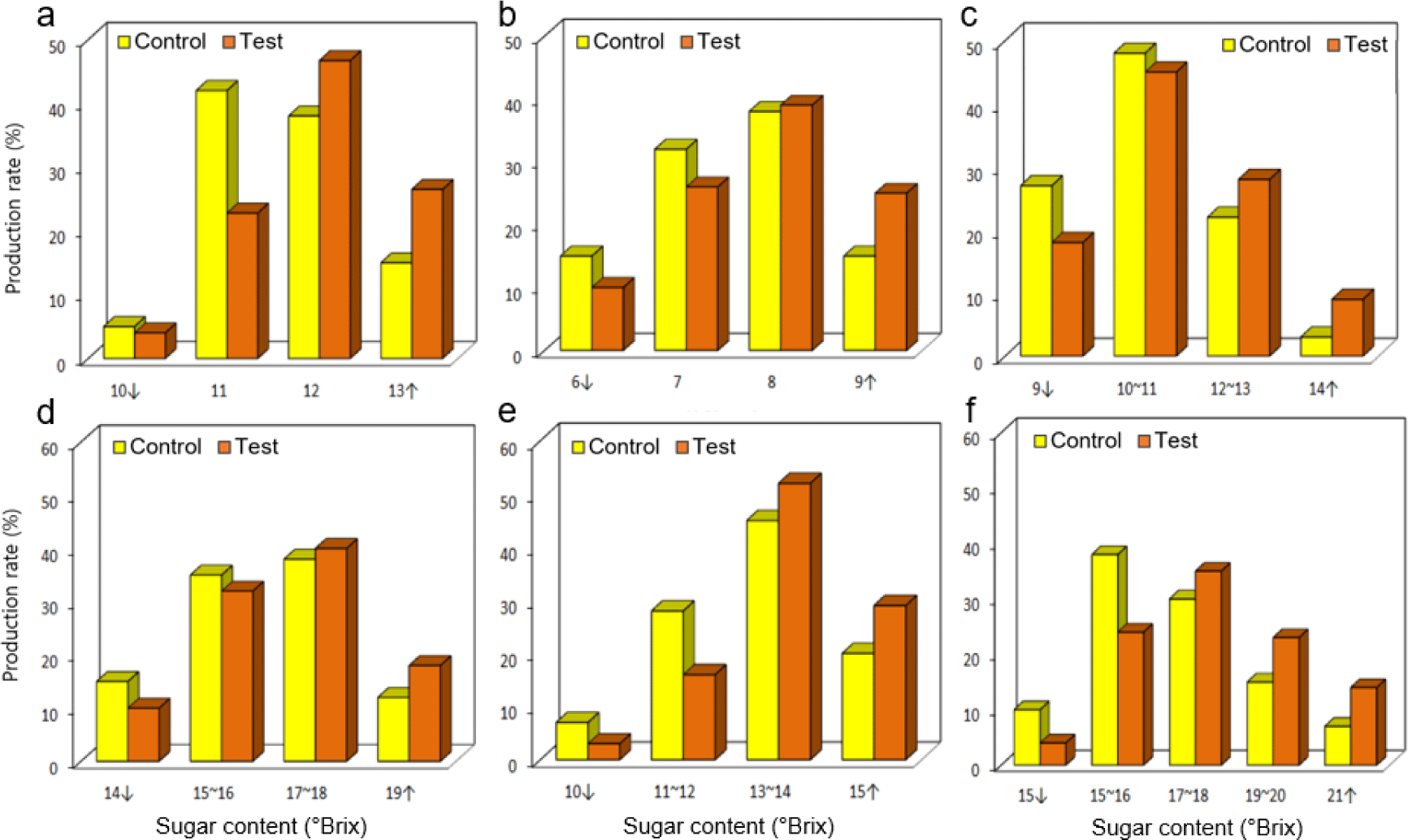
Despite receiving the same number of nutrient solution applications (four), the significantly higher proportion of high-sugar fruits in the treatment groups suggests that the bioactive nutrient formulation effectively promoted carbohydrate synthesis and accumulation in the fruits. The increase in °Brix may be attributed to bioactive compounds such as phenolics and low-molecular-weight carbohydrates in the extract. Such compounds likely act through sugar signaling pathways that interact with hormonal responses (e.g., ABA), potentially enhancing sucrose transporter expression and promoting sugar accumulation in fruit tissues (Durán-Soria et al., 2020; Jia et al., 2016). Invertase- and sucrose synthase-mediated metabolism of transported sucrose largely determines sink strength and thus, the potential for sugar storage (Yamaki, 2010). In support of this interpretation, Yuniati et al. (2022) observed that foliar application of Moringa leaf extract, which is rich in phenolics and soluble carbohydrates, increased °Brix in fruits such as tomatoes and strawberries, likely through enhanced nutrient uptake and metabolism. Similarly, Rodrigues et al. (2020) and Rouphael and Colla (2020) suggested that plant-derived biostimulants might modulate sugar metabolism and transport, thereby contributing to improved fruit quality; however, the specific mechanisms remain to be elucidated.
From a consumer perspective, sweetness is a key determinant of fruit quality. Thus, achieving both high sugar content and stable productivity is crucial in premium fruit production. The observed increase in high-sugar fruit yield indicated that the experimental treatment contributed to improvement in both crop quality and growth. These findings suggest the practical potential of this formulation as an effective agricultural input for premium fruit production and offer foundational insights into nutrient management strategies in modern fruit cultivation.
To quantitatively evaluate treatment effects on rice yield, the mean weight of individual brown rice grains was measured using samples harvested from five farms in Gyeongsangbuk-do. Thus, a total of 250 grains (50 grains per farm) were randomly selected and analyzed to compare the treatment and control groups (Table 2).
| Group | Farm No. | Mean weight (g) | SD |
|---|---|---|---|
| Control (g/grain) | Mean | 0.0205 | 0.0024 |
| Test (g/grain) | 1 | 0.0233 | 0.0028 |
| 2 | 0.0227 | 0.0014 | |
| 3 | 0.0237 | 0.0029 | |
| 4 | 0.0233 | 0.0022 | |
| 5 | 0.0203 | 0.0023 | |
| Mean | 0.0227 | 0.0014 |
The mean grain weight in the treatment group was 0.0227 ± 0.0014 g, which represents an increase of approximately 10.5% compared to the control group (0.0205 ± 0.0024 g). This result indicated a significant yield improvement under the same cultivation conditions, suggesting that the bioactive nutrients derived from steam-exploded oak contributed positively to grain development and filling.
Similar improvements in yield have been reported following the application of plant-derived biostimulants in rice cultivation. For example, wood vinegar treatment reportedly enhances rice grain filling and sugar accumulation (Hur et al., 2025). Similarly, a large-scale on-farm study in Uruguay demonstrated that foliar application of a humic biostimulant resulted in consistent yield increases across diverse rice cultivars and environments (Izquierdo et al., 2024). These observations are further supported by broader reviews highlighting the role of biostimulants in improving cereal productivity through metabolic and hormonal regulation (Baltazar et al., 2021).
These findings are consistent with the enhanced growth responses observed in high-sugar fruit crops, demonstrating that the applied bioactive formulation reported herein, not only improved quality traits, but showed a tangible impact on cereal yield as well. Given that this effect was observed under standardized cultivation conditions with identical fertilization regimes, the observed yield increase was attributed specifically to the action of the bioactive nutrient solution developed in this study. These results support the broader applicability of our formulation to cereal crops and its potential to improve farm profitability by enhancing productivity.
The quality of vegetables and fruits was assessed based on total polyphenol content. Fig. 2 compares the rates of increase in total polyphenols between treatment and control groups across six crops: watermelon, tomato, strawberry, Campbell Early grape, apple, and Shine Muscat grape. In all cases, the treatment group showed a significantly higher polyphenol content than the control group, with an average increase of > 20%. Notable increases were observed in strawberry and Shine Muscat, with the polyphenol content increasing by approximately 35%, suggesting that the application of plant nutrients may have influenced antioxidant metabolism. This enhancement may be associated with the presence of natural bioactive compounds in the formulation, which stimulate secondary metabolic pathways and enhance polyphenol biosynthesis (Calvo et al., 2014). However, it should be noted that this interpretation remains hypothetical and warrants further validation. Future studies involving target gene expression analysis, endogenous hormone profiling, and metabolomics-based approaches are essential to confirm this causal relationship.
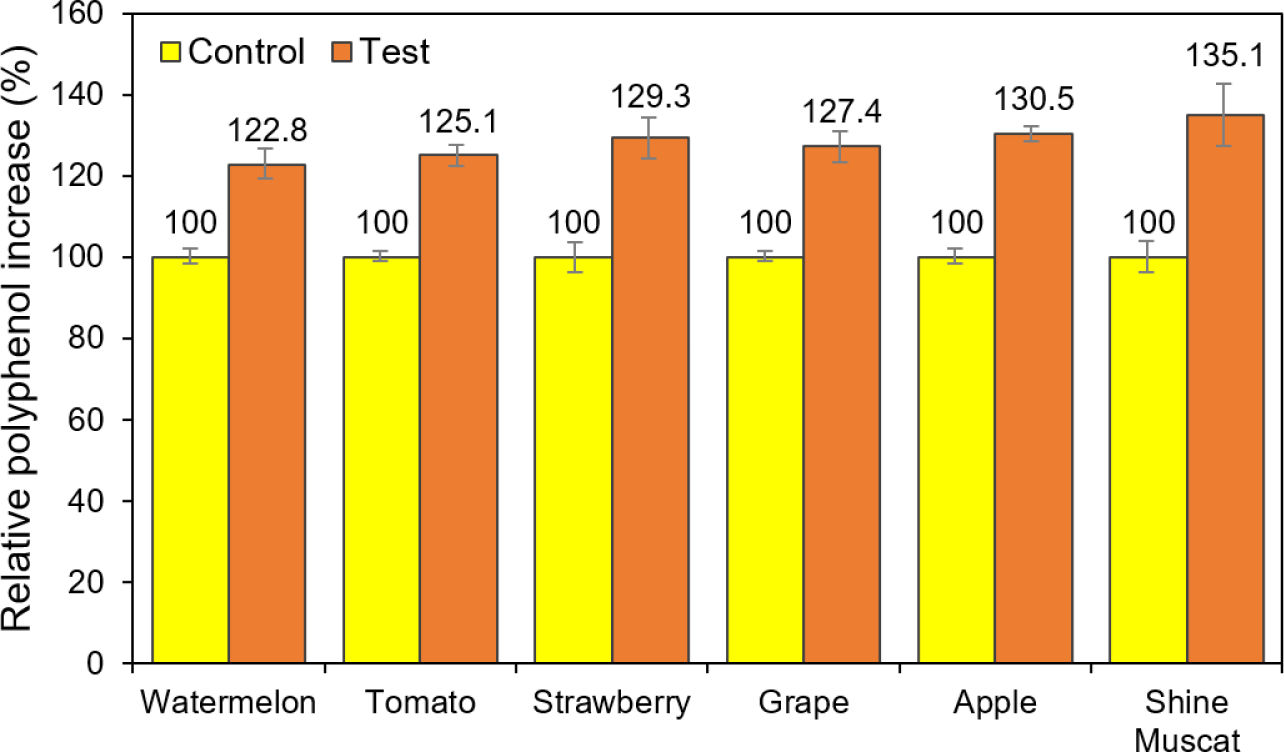
An increase in total polyphenols is known to contribute not only to the health-promoting properties of crops as food, but also to improved shelf life and disease resistance (Bulgari et al., 2015). These findings indicate the potential of plant nutrients in enhancing the intrinsic quality of crops, thereby increasing their market competitiveness. These results suggest that this formulation may serve as an effective strategy for producing high-value functional agricultural products.
To assess the changes in antioxidant compounds in rice grains, the total polyphenol content was measured using brown rice samples harvested from five farms in Gyeongsangbuk-do. Each sample was analyzed in triplicate. As shown in Fig. 3, polyphenol contents increased in all treated samples compared to that in the control. On average, the total polyphenol content in the treatment groups increased by approximately 36.8% relative to that in the control (100%). Notably, test 4 exhibited the highest increase, reaching 197.6% of the control level. Although test 5 showed a relatively small increase, its value still exceeded that of the control group.
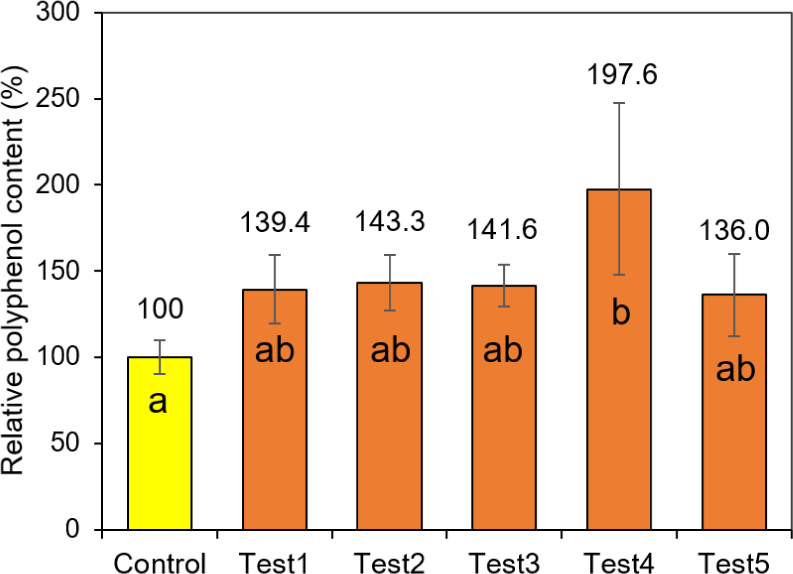
The mean value for the treatment group (GAE: 3.495 mg/g, SD: 0.514) was significantly higher than that for the control group (GAE: 2.554 mg/g, SD: 0.376), with a t-value of 5.15 and p = 0.023. Multiple comparison analysis revealed statistically significant differences between groups.
The variation in total polyphenol content among farms is likely attributable to differences in milling practices, particularly milling ratios, as the field trials were conducted under real farming conditions without standardized post-harvest processing.
These results suggest that the oak-derived plant nutrient solution tested herein effectively promoted polyphenol biosynthesis in rice and increased total polyphenol content. Given the close relationship between polyphenols and plant disease resistance and postharvest stability, this outcome highlights the potential of nutrient formulations for improving rice quality and developing functional rice products.
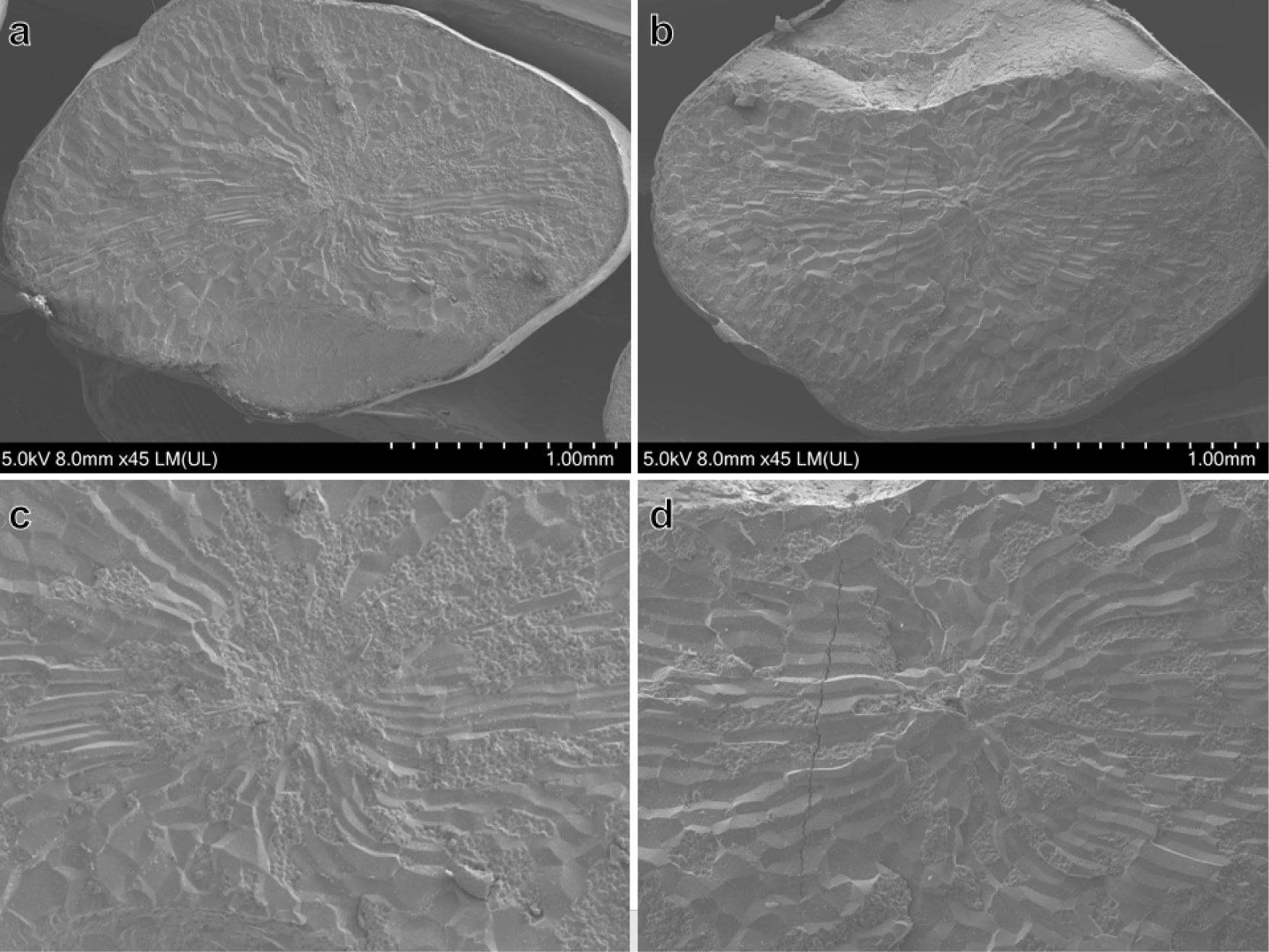
Longitudinal cross-sectional analysis was performed using SEM to evaluate the intrinsic quality of rice grains. The analysis focused on the endosperm tissue of grains harvested after the ripening stage, aiming primarily to compare starch granule morphology, intergranule adhesion, and structural clarity between treatment and control groups.
Low-magnification and enlarged SEM images of the cross-sectional morphology of rice grains are shown in Fig. 4. The endosperm cells were radially arranged around the central region, and clear structural differences were observed between groups. In the control group [Fig. 4(a)], endosperm cells appeared partially collapsed and with more exposed starch granules, leading to less-defined intercellular boundaries. In contrast, the treatment group retained a more distinct radial fan-shaped endosperm structure, in which polygonal cells were closely packed with encapsulated starch granules [Fig. 4(b)]. Further, endosperm cells near the central region were smaller than those toward the outer region, which contributed to the overall concentric radial pattern. As shown in the magnified images [Fig. 4(c) and (d)], the control sample exhibited more disrupted central cell structures, whereas the treatment group maintained better cellular integrity with reduced exposure of starch granules. These observations suggest that the application of the bioactive nutrient solution may help preserve the internal endosperm structure under stress conditions.
More distinct differences in starch granule microstructure were evident at higher (2,000–2,500 ×) magnification (Fig. 5). Whereas starch granules appeared as irregular polyhedra tightly packed together forming predominantly compound amyloplastic structures with indistinct boundaries between neighboring granules in the treatment group, the control group showed loosely packed granules with fewer polyhedral shapes and larger intergranular spaces. In particular, single amyloplasts observed in the control group primarily consisted of crystalline and amorphous regions composed of straight- and branched-chain amylose, which formed polyhedral crystals with blunt angles and clear boundaries (Mohapatra and Bal, 2006).
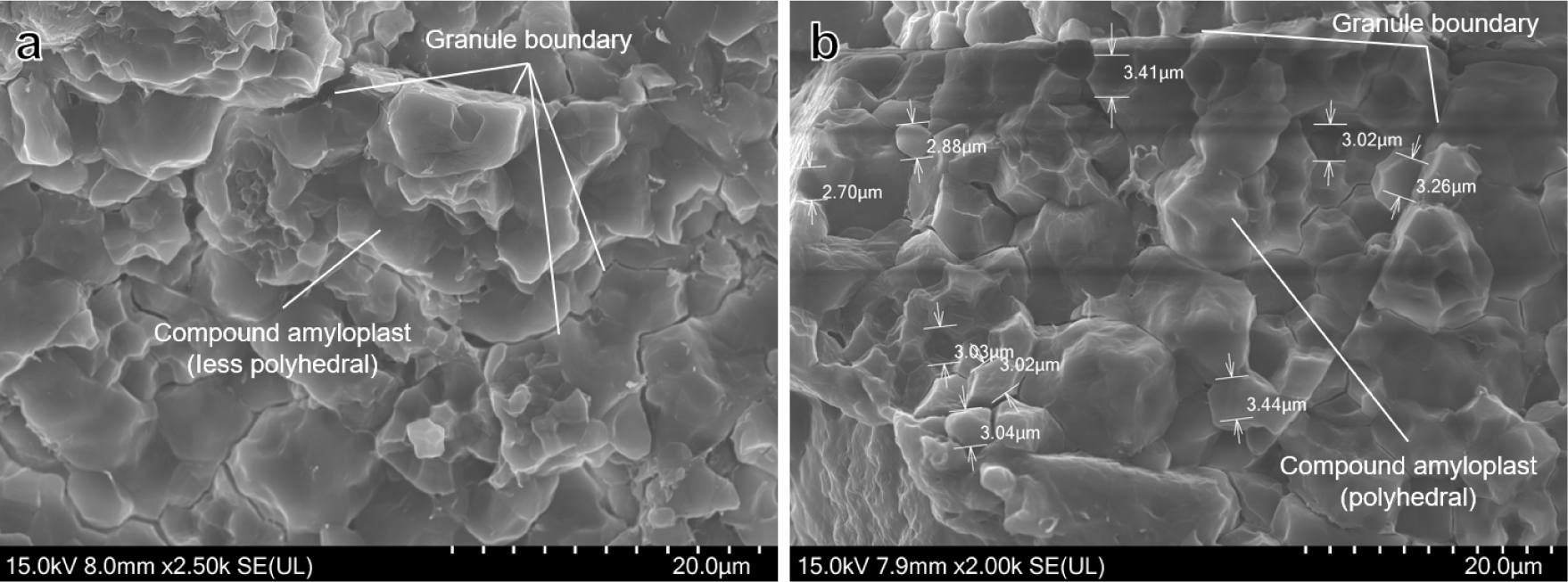
The microstructural differences described above indicate that the application of the bioactive-nutrient solution influenced starch accumulation during grain development, ultimately contributing to enhanced structural integrity and retention of functional components. Notably, the increased abundance of compound starch granules is associated with improvement in eating quality, viscosity, and texture, which are directly linked to consumer preferences. This microstructural evidence strongly supports the role of bioactive nutrients in improving rice grain quality.
Beyond its effect on grain quality, the eco-friendly production process of our nutrient formulation, i.e., steam explosion without chemical additives, yielded a liquid extract rich in bioactive compounds and solid residues with a fibrous structure, high carbon content, and limited degradability. These solid co-products have been previously shown to be suitable for further valorization as biochar, soil amendments, or functional feed additives, thus supporting their multifaceted applicability in sustainable agriculture (Jung et al., 2022; Moragues-Saitua et al., 2023). By enabling both direct crop enhancement through extraction and resource recycling through solid residue utilization, this novel formulation is a promising input for advancing circular bioresource use in agriculture.
4. CONCLUSIONS
A bioactive plant-nutrient solution was formulated by supplementing the obtained extract from steam-exploded Q. mongolica wood chips with an essential nutrient blend. Then, the effects of the resulting nutrient solution on growth, quality, and functionality on various crop species were evaluated. The formulation consistently improved watermelon, tomato, strawberry, Campbell Early grape, apple, Shine Muscat grape, and cereal production and quality, as evidenced by the higher proportions of high-sugar fruits, and increased mean rice grain-weight and total polyphenol content. Microstructural analysis of the rice endosperm revealed denser starch granule packing and improved crystallinity in the treatment group, which may potentially contribute to enhanced antioxidant activity and improved eating quality.
In addition to crop-specific outcomes, our findings highlight the potential of hardwood biomass to be transformed from an underutilized by-product into a high-value agricultural input. Produced through an eco-friendly steam explosion process without chemical additives, our formulation induced multifaceted physiological responses while minimizing environmental impact. In addition to the liquid extract, the process yields solid residues with a fibrous structure, high carbon content, and limited degradability, which can be further utilized in various agricultural applications, such as soil improvement, carbon sequestration, and supplementary feed materials. This multifunctional use supports circular bioresource management, bridges forestry and agriculture, and aligns with sustainable farming principles. Future studies should confirm the effectiveness of the formulation under various conditions, refine application protocols, and clarify the underlying mechanisms to support its wider use in sustainable agriculture.