1. INTRODUCTION
Currently, petroleum-based plastics such as polyethylene and polypropylene are major drivers to global warming and environmental pollution. To address these issues, bioplastics and bioplastic-based composites have emerged as viable alternatives (Atiwesh et al., 2021). These materials offer environmental benefits due to biodegradability and broaden the range of material choices (Mazzanti et al., 2019). In particular, biodeㄹgradable polymer such as polylactic acid has gained remarkable attentions as a sustainable material for fused deposition modeling (FDM) 3D printing which can fabricate physical objects by stacking materials layer by layer (Atiwesh et al., 2021; Shahrubudin et al., 2019).
PLA is a type of bioplastic categorized as biodegradable and biomass-based material, which is produced from corn or sugarcane (Atiwesh et al., 2021). PLA can replace petroleum-based plastics due to its low cost, excellent physical properties, and easy processability using conventional equipment. Additionally, 3D-printed PLA exhibits higher impact strength compared with injection-molded PLA (Wang et al., 2017). However, PLA has low heat resistance, which limits its wide application. Thus, plasticizers and fillers are usually added to improve the performance of PLA (Farah et al., 2016). Likewise, to enhance the inherently poorer properties of bioplastics compared with petrochemical-based plastics, carbon fiber (CF) has been used to reinforce the filaments for 3D printing (Arunkumar et al., 2021). However CF has high cost and poor biodegradability. Therefore, as an alternative reinforcement strategy, blending PLA with ductile bio-based polymers has been proposed to reinforce the matrix while maintaining its eco-friendly characteristics.
Polyamide 1010 (PA1010), a biomass-based plastic derived from castor oil, is widely used in engineering applications owing to its excellent mechanical properties, which are comparable to those of petrochemical-based PA 6 (Erdmann et al., 2023). It also shows excellent heat resistance and flexibility, making it ideal for engineering applications (Marset et al., 2022). PA1010 has been used to synthesize biogenic wood–plastic composites (WPCs; Hirsch and Theumer, 2022). In addition, the recycling rate of PA1010/bio-based high-density polyethylene (bio-HDPE) blends has been increased by incorporating additives (Quiles-Carrillo et al., 2020). Also, the dynamic thermo-mechanical properties of PLA/PA1010 composites have been improved by inducing PA1010 microfibrillation using a twin-screw extruder (Garcia-Masabet et al., 2020). However, 3D printing studies on the effects of FDM process parameters using PLA/PA1010 blends on impact performance and fracture behavior have not been reported yet.
In this study, biocomposite filaments were first manufactured with PLA and PLA/PA1010 using a combined process of twin-screw extruder (step-1) and single-screw extruder (step-2), and then the filaments were used to fabricate various biocomposite specimens using a FDM 3D printer at different printing speeds and raster angles. After that, the effects of printing speed and raster angle on the impact strength and morphological properties of the PLA/PA1010 biocomposites were evaluated.
2. MATERIALS and METHODS
Two bio-based polymers, namely PLA (4032D, NatureWorks, Minnetonka, MN, USA) and PA1010 (Vestamid® Terra DS16, Evonik Operations, Marl, Germany) were used. PLA has a melting temperature range of 155°C–170°C, a melt flow index of 7 g/10 min (210°C, 2.16 kg), and a density of 1.24 g/cm3. PA1010 has a melting temperature of 200°C, a viscosity number of 160 cm3/g (ISO 307), a glass transition temperature of 37°C, and a density of 1.05 g/cm3.
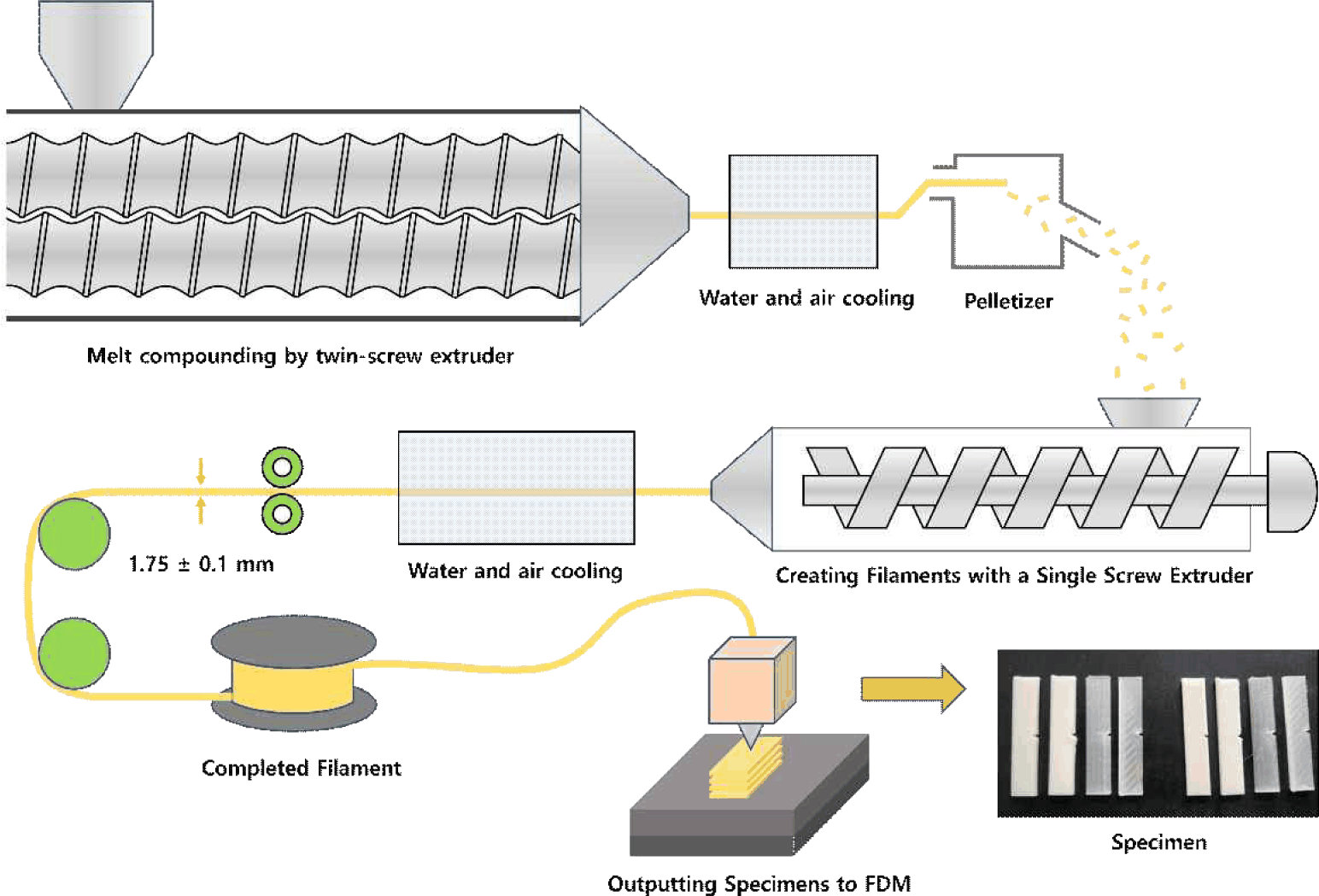
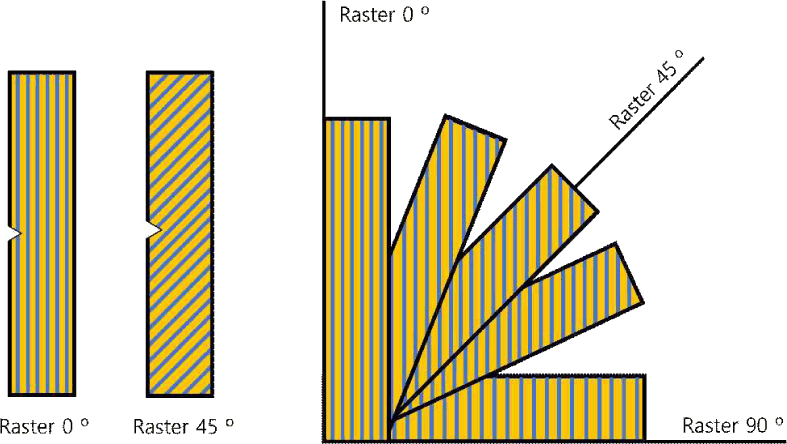
To minimize moisture content, PLA and PA1010 were dried for 72 h in a ventilated dryer at 55°C and 80°C, respectively. These materials were melt-compounded and then extruded using a BA-11 twin-screw extruder (Bautek, Pocheon, Korea) with a diameter of 11 mm and a length-to-diameter ratio of 40. The barrel temperature profile of the twin-screw extruder was maintained at 185°C, 210°C, 220°C, 232°C, 225°C, and 215°C from feeder to die, and a screw rotation speed of 120 rpm was used. After cooling in a water bath, the extrudates were pelletized using a BA-PLT pelletizer (Bautek). These pellets were dried in a ventilated dryer at 55°C for 48 h and then the pellets were fed into a single-screw extruder (Doldam Tech, Gumi, Korea) to produce biocomposite filaments for 3D printing. The barrel temperatures of the single-screw extruder were 180°C and 215°C, respectively and the screw rotation speed was 42 rpm. The prepared biocomposite filaments were printed to manufacture specimens at different printing speeds (45 mm/s, 110 mm/s) and raster angles (0°, 45°) using a LUGO_pro M 3D printer (Lugo Labs, Busan, Korea). 3D model slicing was conducted using ideaMaker 4.2.3 (Raise3D), and the resulting G-code was used for printer operation. All specimens were fabricated with a flat-wise (on-platform) build orientation. The formulation ratios and printing parameters are shown in Table 1, with specimen names designated according to material (P or PN), printing speed (F or S), and raster angle (0° or 45°). The detailed settings of the FDM 3D printing are shown in Table 2. Fig. 1 schematizes the specimen fabrication process via FDM 3D printing, and the raster angles are defined in Fig. 2.
The impact strengths of the FDM 3D-printed PLA and PLA/PA1010 biocomposites were analyzed using a QM700A digital Izod impact tester (QMESYS, Uiwang, Korea) in accordance with ASTM D256 Type A V-notched specimens (63.5 × 12.7 × 3.2 mm). Before testing, the printed specimens were dried in a ventilated dryer at 55°C for at least 24 h and stored in a dark room at room temperature. Additionally, Statistical analyses were conducted to evaluate differences in the impact strength of the 3D-printed biocomposites across different printing speeds and raster angles. Two-way analysis of variance (ANOVA) was performed to assess the main effects of each factor and their interaction at a significance level of p < 0.05. Pairwise comparisons were conducted using estimated marginal means (EMMs) when significant main effects were observed. All statistical analyses were conducted using IBM SPSS Statistics (version 29.0, IBM, Armonk, NY, USA). Unless otherwise stated, all analyses were performed using five independent replicates per printing condition (n = 5), and the results were expressed as mean ± SD.
The morphological analyses of the FDM 3D-printed PLA and PLA/PA1010 biocomposites were performed via scanning electron microscope (SEM). The fracture surfaces of the specimens after the impact test were analyzed using a JSM-7610F field-emission SEM (JEOL, Tokyo, Japan) operated at an accelerating voltage of 5 kV.
3. RESULTS and DISCUSSION
Fig. 3 shows the impact strengths of the FDM 3D-Printed biocomposites as a function of printing speed (45 mm/s, 110 mm/s). The neat PLA exhibited weak resistance to external impacts at both printing speeds due to the brittle nature of PLA; however, PLA/PA1010 biocomposites showed higher impact strengths compared with the neat PLA. The neat PLA printed at a high printing speed (110 mm/s) exhibited impact strengths of 3,179.98 J/m2 and 2,814.93 J/m2 for the raster angles of 0° and 45°, respectively, which were higher than those of the biocomposites printed at a low printing speed (45 mm/s). Meanwhile, the PLA/PA1010 biocomposites printed at the high printing speed achieved impact strengths of 4,005.63 J/m2 and 3,240.84 J/m2 for the raster angles of 0° and 45°, respectively. This comparison showed that PLA/PA1010 biocomposites fabricated at high printing speed had higher impact strength increases of 825.65 J/m2 (0° raster angle) compared with those fabricated at low printing speed, i.e., 638.16 J/m2 (0° raster angle).
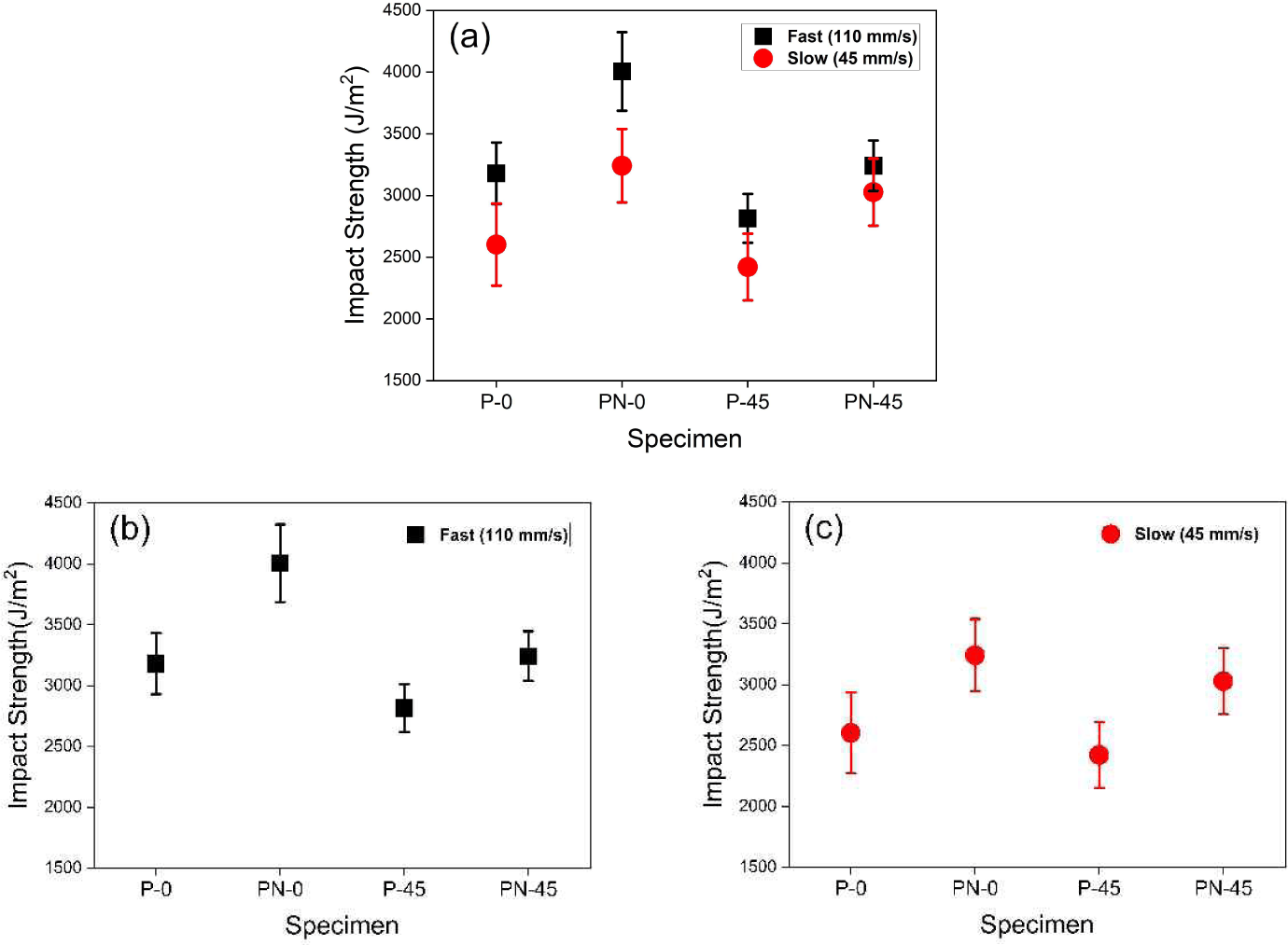
Among all the specimens, those containing PA1010 and printed at the high speed (110 mm/s) exhibited the highest impact strengths. Additionally, it was confirmed that there were significant differences in impact strength depending on the change in printing speed. The PLA/ PA1010 biocomposites demonstrated higher impact strengths, possibly because the flexible PA1010 reduced the brittleness of PLA. The greatest variation in impact strength was observed when comparing with specimens of the same formulation printed at different speeds. This variation is likely due to the differences in printing time, particularly for the specimens printed at faster speed. The specimens printed at the higher printing speed (110 mm/s) had a shorter printing time of 3 min and 20 sec compared with those printed at the lower printing speed (45 mm/s). Bhosale et al. (2022) found that specimens printed at high speeds exhibited improved physical properties, which was attributed to enhanced interlayer bonding and optimal thermal conditions during rapid extrusion. Similarly, the mechanical properties of PLA/ PA biocomposites were improved by the addition of PA1010 (Raj et al., 2020) and PA12 (Murariu et al., 2022). This is because the PA1010 and PA12 have excellent ductility and toughness properties that compensate for the brittleness and low toughness of PLA. In addition, WPCs prepared by adding wood flour and polyethylene terephthalate (PET) to high-density polyethylene (HDPE) were reported to exhibit improved mechanical properties due to the induction of microfibrillation of PET within the HDPE matrix, forming a microfibrillar blend composite (Lei and Wu, 2010, 2012). This suggests that in-situ microfibrillation of PA1010 within the PLA matrix is likely induced during high-speed FDM 3D printing, which leads to improved mechanical properties of PLA/PA1010 biocomposites compared with pure PLA. High printing speed enhanced impact strength through multiple contributing factors associated with in-situ microfibrillation of PA1010 (Lei and Wu, 2012). Additionally, PLA matrix toughening is suggested to be associated with rapid quenching effects (Farah et al., 2016; Raj et al., 2020), which is consistent with the 22.2% (0°) and 16.3% (45°) improvements observed in PLA-only controls (Fig. 3).
Fig. 4 shows the impact strengths of PLA and PLA/PA1010 biocomposites as a function of raster angle. The neat PLA exhibited low impact strength values across all raster angles, whereas the impact strengths of PLA/PA1010 biocomposites varied with the raster angles. For neat PLA, the difference in impact strength values between 0° and 45° raster angles was 365.05 J/m2 at fast printing speed (110 mm/s) and 181.82 J/m2 at slow printing speed (45 mm/s), while the PLA/PA1010 biocomposites showed 764.79 J/m2 at fast printing speed and 213.21 J/m2 at slow printing speed. This points out that unidirectional printing at raster angles other than 0° reduces the impact strength of the specimen. Rajpurohit and Dave (2021) reported that specimens printed unidirectionally at a raster angle of 45° exhibited fracture surfaces along the direction of the deposited layer from the point of impact-induced crack initiation; their impact strengths were also lower than those printed at a raster angle of 0°. In a similar way, to mitigate the mechanical property reduction caused by unidirectional printing at the raster angle of 45°, honeycomb structures with a raster angle of ± 45° were adopted as infills to bring about force dispersion and enhance the mechanical strength (Mohan et al., 2021). However, depending on the material used in FDM 3D printing, the raster angle of ± 45° further degraded the mechanical properties of some biocomposite blends (Patterson et al., 2021).
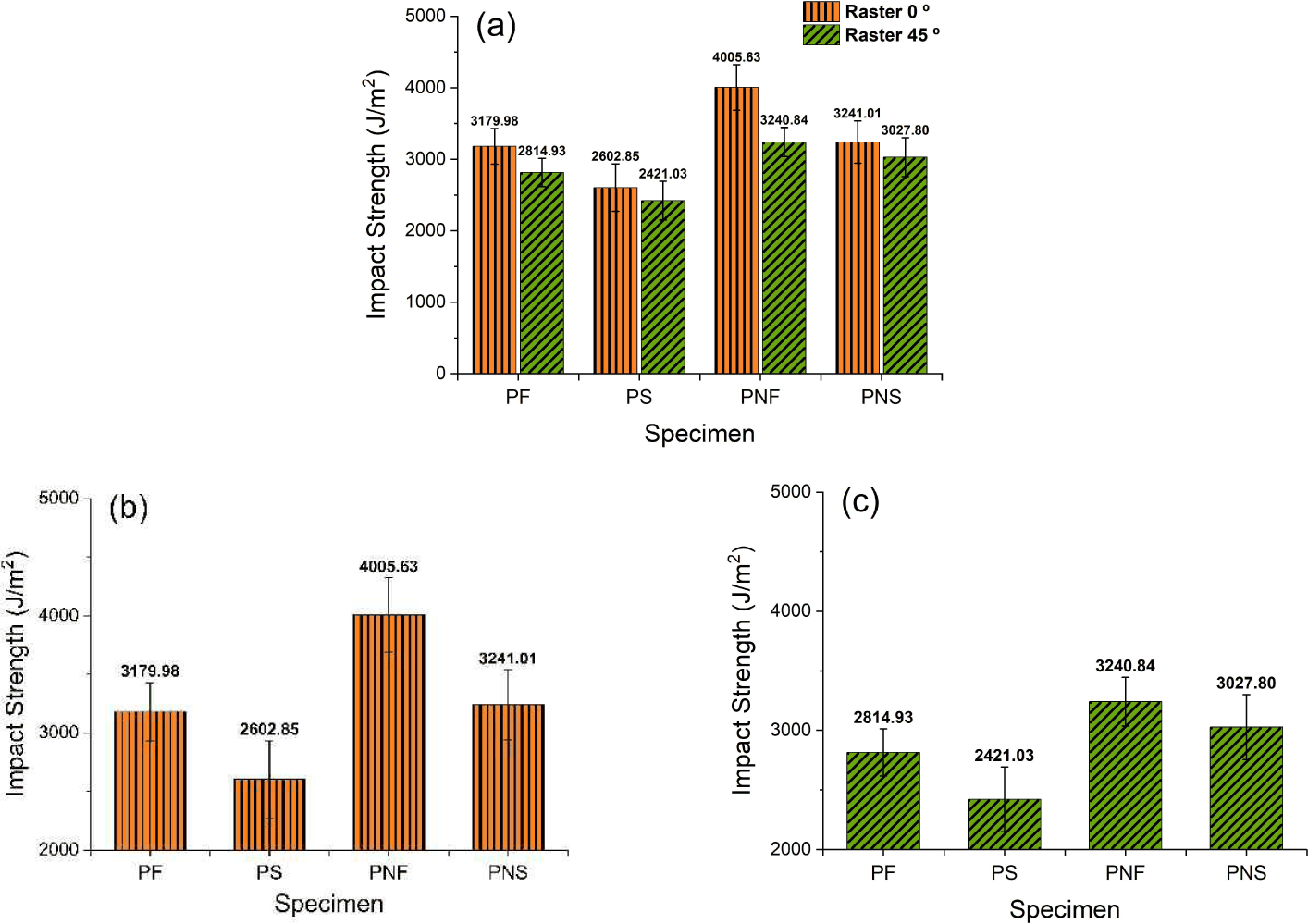
The effects of printing speed and raster angle on impact strength were further examined by two-way ANOVA (Table 3). Printing speed and raster angle showed significant main effects, whereas their interaction effect was not significant; the EMMs are summarized in Table 4.
| Source | Sum of squares | Degrees of freedom | F-value | p-value |
|---|---|---|---|---|
| Speed | 2,679,371.94 | 1 | 16.391 | < 0.001 |
| Raster | 1,694,717.77 | 1 | 10.367 | 0.003 |
| Speed × raster | 458,634.35 | 1 | 2.806 | 0.103 |
| Error | 5,884,790.54 | 36 |
Figs. 5 and 6 show the fracture surface images of PLA and PLA/PA1010 biocomposites captured via SEM, respectively. Fig. 5(a) demonstrates the fracture surface of PNF-0 (specimen printed at a raster angle of 0°), which is consistent with those reported in previous FDM 3D printing studies. As one instance, the fracture surface of the PNF-0 shows a layer-by-layer morphology with interlayer voids, which is characteristic of FDM 3D-printed specimens, compared with that of PNF-45 [specimen printed at a raster angle of 45°; Fig. 5(b); Fekete et al., 2021]. Additionally, PNF-0 exhibited a flat surface feature (Rajpurohit and Dave, 2021). In contrast, other previous research depicted micro-hills on the fracture surface of the specimen printed at the raster angle of 45°, similar to that observed in PNF-45 (Zhang et al., 2019). Fig. 6(a) and (b) show the clean fracture surfaces of PF-0 and PF-45, respectively, as no additives/fillers or other thermoplastic resins were added to the PLA matrix. Fig. 6(c) demonstrates the fracture surface of PNF-0, implying that high speed 3D printing may facilitate the formation of in-situ microfibrillation of PA1010 within the PLA matrix. This morphology was similar to that of sub-microscale fibrils observed in WPCs based on PET/HDPE blends (Lei and Wu, 2012). Fig. 6(d) shows the fracture surface of PNF-45, where wavy morphology and densely packed short microfibrils are observed. Although high 3D printing speed appeared to induce in-situ microfibrillation in PNF-45, the limited amount of long microfibrils compared to PNF-0 did not remarkably improve impact strength. Fig. 6(e) and (f) represent that PS-0 and PS-45 show no significant differences in the fracture surface morphology compared with PF-0 and PF-45, regardless of printing speed and raster angle. Fig. 6(g) shows the fracture surface of PNS-0, wherein PA1010 is visibly embedded in the PLA matrix; however, no microfibrillation is observed. The fracture surface of PNS-45, shown in Fig. 6(h), also does not show any noticeable microfibrils, presumably due to the low printing speed used in FDM 3D printing. This suggests that low printing speeds are not sufficient to promote in-situ microfibrillation, regardless of the raster angle, and thus the mechanical properties of this biocomposite are not improved. PNS samples [Fig. 6(g) and (h)] show no PA1010 microfibrils with high aspect ratios despite identical twin-screw extrusion history as PNF samples [Fig. 6(c) and (d)], suggesting that printing speed contributes to microfibrillar development. PA1010 is likely to exist in droplet form after extrusion (Garcia-Masabet et al., 2020), undergoing further fibrillation during high-speed FDM 3D printing (Lei and Wu, 2012). However, it is difficult to clearly determine whether the microfibrillation of PA1010 was influenced by the extrusion process or occurred only during the FDM process.
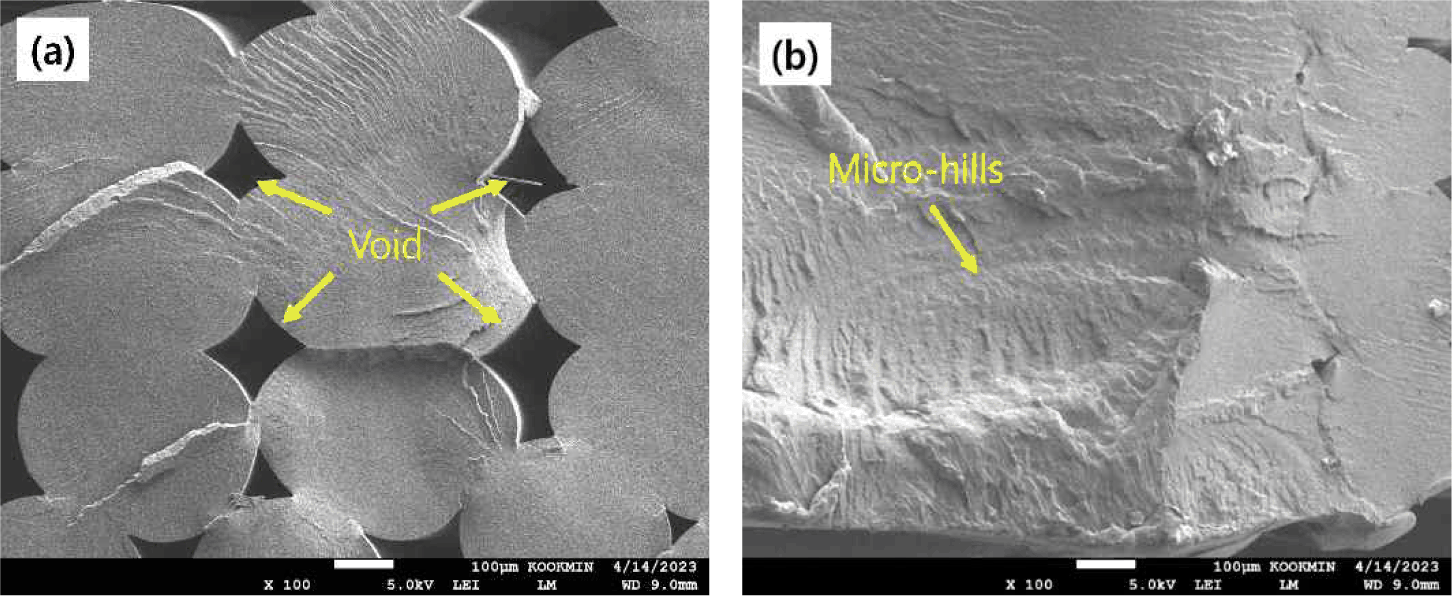
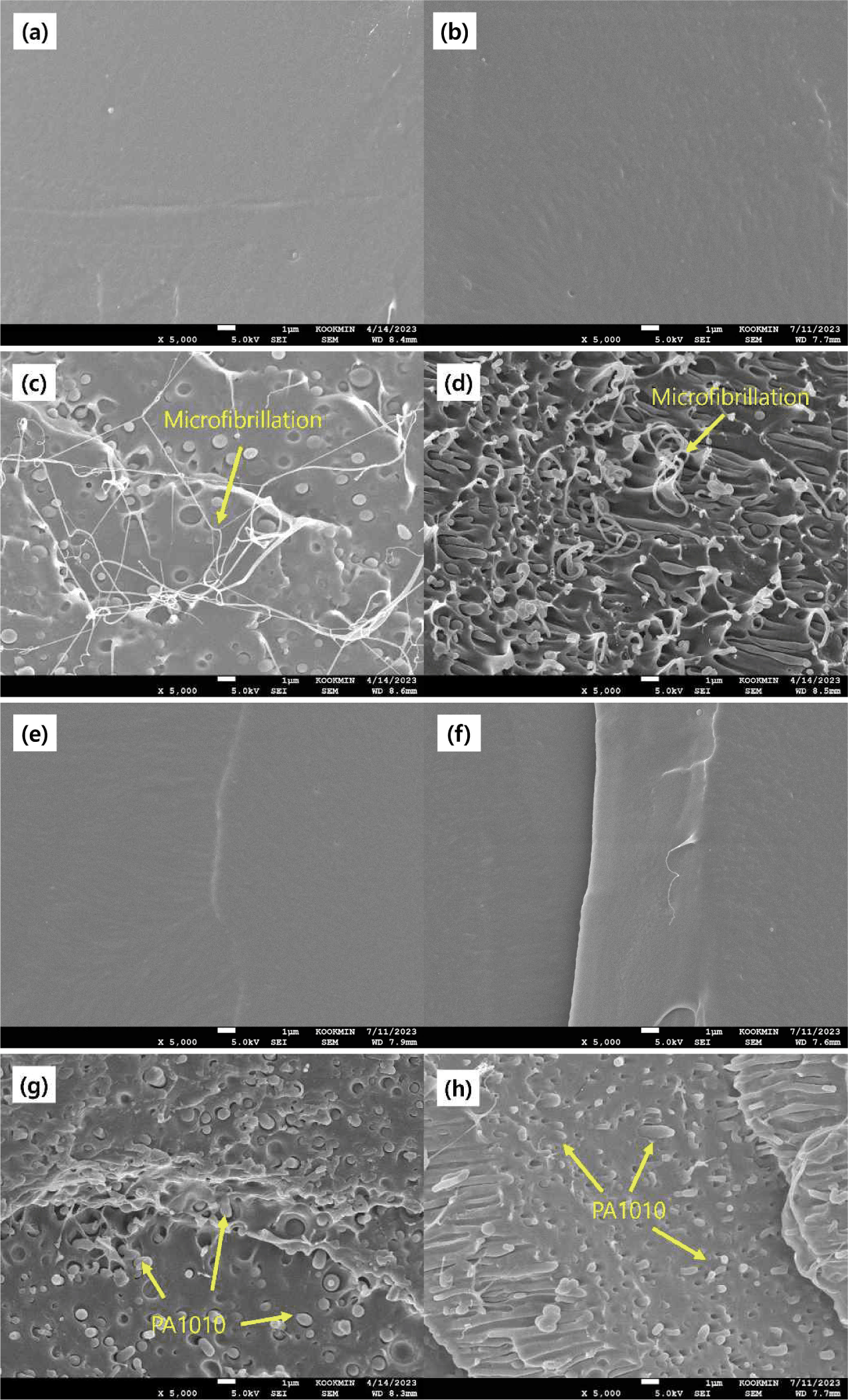
The reduction in impact strength at the 45° raster angle (Fig. 4) is associated with inter-strand shear-dominated deformation and interlayer delamination. SEM images as can be seen in Figs. 5(b) and 6(d) reveal micro-hills and layer separation characteristics of the 45° specimens, which are indicative of interlayer fracture during delamination, in contrast to the flat matrix-dominated fractures of the 0° specimens as shown in Figs. 5(a) and 6(c). These observations suggest that stress concentration between adjacent filaments at 45° orientation may promote failure along weaker interlayer interfaces (Rajpurohit and Dave, 2021).
4. CONCLUSIONS
Herein, the impact strength and morphological properties of PLA/PA1010 biocomposites fabricated via FDM 3D printing were evaluated as a function of raster angle and printing speed. The following conclusions were drawn. PA1010 reduced the brittleness of PLA and improved its impact strength, particularly at high printing speed condition investigated in this study. This improvement in impact strength was presumably associated with the in-situ microfibrillation of PA1010 within the PLA matrix, which reinforced the biocomposites. This effect was pronounced in PLA/PA1010 biocomposites printed at the raster angle of 0°. In contrast, only a low level of in-situ microfibrillation was observed in the specimens printed at 45°, indicating that the combination of high printing speed and raster angle variation facilitates this phenomenon. SEM images suggested the in-situ microfibrillation of PA1010 within the PLA matrix. Therefore, the proposed innovative method, suggested to induce in-situ microfibrillation by varying the printing speed and raster angle of 3D printing, can effectively enhance the impact strength of PLA/PA1010 biocomposites manufactured by FDM 3D printing in this study. These results will support future research regarding biocomposites based on various bioplastic blends incorporating functional fillers, within comparable processing contexts, ensuring enhanced mechanical properties as well as environmental friendliness and functionality in 3D printing applications.