

1. INTRODUCTION
Waste generated from community activities and various processes consists of discarded materials, residual products, and by-products of consumption or production. The accumulation of waste over time without adequate processing presents substantial challenges to environmental sustainability. In this context, waste can be classified into organic and inorganic categories. Organic waste, including paper, wood, tree branches, and dried leaves, decomposes rapidly, particularly with low moisture content (Rocamora et al., 2020; Yaashikaa et al., 2022). In contrast, inorganic waste exhibits greater resistance to decomposition. Untreated waste leads to numerous problems, such as visual impairments, obstructed vistas, and an increase in disease carriers (Andriani et al., 2021). To address these challenges, increasing efforts are being directed toward repurposing waste into value- added products, such as particleboard, contributing to effective management and promoting sustainable development. The global wood-based industry is presently experiencing a deficiency of raw materials, especially concerning the availability of forest wood. The increasing demand for timber is not commensurate with the forest’s ability to conduct sustainable production. This imbalance particularly affects key sectors of the industry, such as particleboard production, which depend on consistent and sustainable raw material inputs.
The production of particleboard does not depend on premium raw materials. Products comprising lignocellulose can function as an alternative raw material, including lignocellulosic feedstocks sourced from organic solid waste (OSW; Iswanto et al., 2020; Jamaludin et al., 2020; Nurhaida et al., 2025; Wanishdilokratn and Wanishdilokratn, 2024). This adaptability facilitates the use of varied, economical resources, diminishing reliance on conventional wood supplies and improving sustainable practices. The materials comprise wood waste, rice husks, corn and sunflower stalks, sugarcane bagasse, sorghum bagasse, palm fronds, oil palm trunks, and bamboo shavings (Astari et al., 2024; Biswas et al., 2011; Istana et al., 2023; Santoso et al., 2020; Sutiawan et al., 2023; Tamrin et al., 2023; Yano et al., 2020). The use of alternative raw materials helps mitigate the shortages faced by the wood industry and supports waste management efforts by repurposing OSW into value-added products (Aisyadea et al., 2023; Ismadi et al., 2025; Wardhani et al., 2025). Moreover, integrating agricultural residues and other organic by-products into particleboard manufacturing mitigates environmental impact and promotes the circular economy (Anggini et al., 2023; Pędzik et al., 2024). The industry can tackle sustainability challenges by converting waste materials into functional products while preserving production efficiency and cost-effectiveness (Karliati et al., 2024).
Particleboard produced from OSW provides ecological advantages but encounters significant limitations affecting performance and marketability (Baharuddin et al., 2023; Jiang et al., 2025). A significant problem is the elevated water absorption and thickness swelling resulting from the hydrophilic characteristics of organic materials (Baharuddin et al., 2023). Moreover, panels produced from OSW frequently show inferior mechanical properties, primarily attributable to variable particle size, reduced density, and inadequate adhesion (Baharuddin et al., 2023). The diverse characteristics of OSW lead to fluctuations in chemical composition and physical structure, complicating quality control and standardization (Riseh et al., 2024; Taylor et al., 2019). Moreover, certain organic residues comprise substances such as oils, sugars, or extractives, disrupting adhesive curing (Mohsen et al., 2014). Due to elevated nutrient composition and biodegradability, these panels are more susceptible to biodegradation and fungal infestation (Hartono et al., 2023).
The incorporation of wood or bamboo shavings presents a viable approach to enhance performance, stability, and durability in addressing the shortcomings of particleboard composed exclusively of OSW (Hartono et al., 2023). Wood and bamboo shavings exhibit superior structural integrity and more uniform particle morphology, improving the mechanical properties of the resultant composite. The integration enhances the mechanical properties by offering a more robust matrix and superior adhesive bonding (Caldas et al., 2017; Ndububa, 2013; Santos et al., 2017). The uniform size and shape of wood and bamboo shavings facilitate enhanced mat formation and compaction during pressing to improve overall board consistency. Furthermore, the integration of lignocellulosic materials diminishes the variability and biodegradability of OSW independently, mitigating the risk of fungal degradation and improving long-term durability (Hartono et al., 2023). This hybrid method mitigates the physical and mechanical deficiencies of OSW-derived composites while enhancing resource efficiency and material circularity in sustainable board production (Iswanto et al., 2025; Maras et al., 2024; Park et al., 2018; Qi et al., 2019; Seo et al., 2019; Widiastuti et al., 2025; Zhang et al., 2018b). Therefore, this study aimed to assess the viability of producing particleboards from OSW, incorporating wood and bamboo shavings to improve performance.
2. MATERIALS and METHODS
The materials used in this study included OSW in the form of vegetable residues, with wood and bamboo shavings. The wood particles were derived from mahogany (Swietenia macrophylla), while the bamboo particles originated from bamboo tali (Gigantochloa apus). The OSW was shredded into particles ranging from 4 to 20 mesh sizes. Subsequently, the particles were oven-dried to reduce moisture content to below 10%, ensuring suitability for further processing (Iswanto et al., 2025). For chemical characterization of the OSW, various reagents were used, including ethanol–benzene (1:2), sodium hydroxide (NaOH), acetic acid (CH3COOH), sulfuric acid (H2SO4), sodium chlorite (NaClO2), and acetone. The particleboard panels were bonded using an isocyanate adhesive (solid content 99.5%, viscosity 212.4 mPa·s), manufactured by Poly Oshika (Tokyo, Japan) and supplied by PT Polikimia Asia Pasifik Permai (Jakarta, Indonesia).
Sample preparation followed the TAPPI T257 cm-02 (TAPPI, 2002) and TAPPI T264 cm-97 standards (TAPPI, 1997). The samples were ground using a ring flaker/hammer to particle sizes of 40–60 mesh and used for chemical analyses, including lignin, acid-soluble lignin, holocellulose, alpha-cellulose, extractives, and ash content. Lignin content was determined according to the NREL Laboratory Analytical Procedure (LAP) 003 (Sluiter et al., 2004), which includes two-step acid hydrolysis using 72% H2SO4 followed by dilution and thermal treatment to quantify acid-insoluble lignin. Holocellulose content was determined following the method of a previous study (Wise et al., 1946), using sodium chlorite under acidic conditions at approximately 70˚–80˚. Alpha-cellulose content was obtained from holocellulose using sodium hydroxide solution as described by Rowell (2005). Extractive content was measured using ethanol–benzene (1:2) according to TAPPI T204 cm-07 (TAPPI, 2007a), with Soxhlet extraction for 6 h. Ash content was analyzed following TAPPI T 211 om-93 (TAPPI, 2007b), with samples incinerated at 525˚ for 30 min and cooled in a desiccator for 60 min. The measurements were conducted in triplicate, and the results were expressed based on oven-dry sample weight.
For particleboard manufacturing, OSW, wood shavings, and bamboo shavings were processed to produce particles within the specified panel production size range (4–20 mesh), ensuring adequate mat formation and inter- particle bonding. The particleboard panels were fabricated using an isocyanate adhesive at a loading level of 10% by weight. The isocyanate adhesive content was fixed at 10% (w/w) based on previous experimental results by Iswanto et al. (2025), where this level provided sufficient internal bonding and mechanical performance in particleboards manufactured from OSW–based materials. The adhesive-coated mixture was manually formed into a mat within a mold measuring 25 × 25 cm2. Hot pressing was carried out at 160˚ for 10 minutes under a pressure of 4.5 MPa to consolidate the board (Iswanto et al., 2025). A total of seven formulations were fabricated with varying proportions of OSW, wood shavings, and bamboo shavings (Table 1). The physical and mechanical properties of the resulting particleboards were evaluated in accordance with the Japanese Industrial Standard JIS A 5908:2003 (JIS, 2003). The parameters included internal bond, modulus of elasticity (MOE), modulus of rupture (MOR), density, moisture content, thickness swelling, and water absorption.
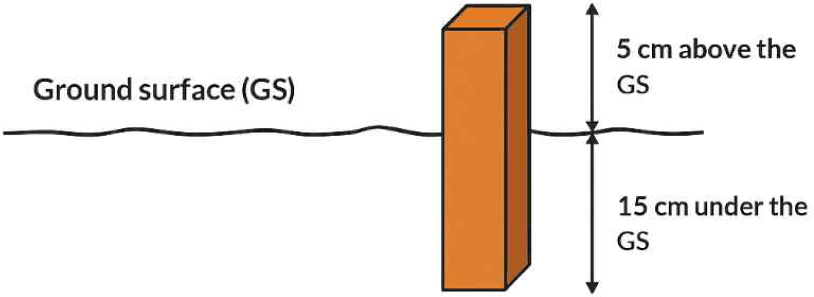
The durability of the fabricated particleboard samples against subterranean termite and microbial attack was evaluated using the Graveyard test method under natural field conditions. Each particleboard specimen was oven- dried at 103 ± 2˚ until a constant weight was achieved before burial, ensuring accurate determination of the initial dry mass. The test specimens were buried vertically in open soil, maintaining an inter-sample spacing of 60 cm to prevent cross-contamination or interference between adjacent samples. For each specimen, the upper 5 cm remained exposed above the soil surface to simulate partial in-ground contact exposure, as reported in Fig. 1.
The Arboretum of Universitas Sumatera Utara, located on the USU 2 Kuala Bekala campus, has a moderate slope with yellowish-brown podzolic soil. The environmental conditions have a temperature range of 27˚–32˚ and a relative humidity of 70% (Susilowati et al., 2025). The vegetation structure is dominated by tree species, comprising 77 species, including multi-purpose tree species (Susilowati et al., 2024). The USU 2 Kwala Bekala Arboretum Campus 2 has great potential and is suitable for termite testing because of its characteristics of a secondary forest ecosystem with high humidity, diverse vegetation, and abundant organic litter. These conditions are an ideal natural habitat for subterranean termites to grow. Termite species were identified based on standard morphological keys, confirming infestation by Coptotermes curvignathus. Other biodeterioration factors, such as fungal or microbial attack, were observed and recorded separately to isolate termite-specific effects.
The exposure period lasted for 100 days, during which the samples were subjected to natural environmental conditions, including soil-borne fungi, termites, and moisture fluctuations. Subsequently, the samples were carefully exhumed, and adhering soil particles were manually removed using a soft brush to avoid material loss. The specimens were oven-dried again at 103 ± 2˚ until constant mass was attained to determine the final dry weight post-exposure. The primary indicators evaluated were the percentage of weight loss and resistance classification, based on the criteria outlined in SNI 7207: 2014 (BSN, 2014), with termite damage assessed using a 0–5 rating scale. The durability classification was determined according to the criteria specified in SNI 7207: 2014, as presented in Table 2. Damage caused specifically by termite feeding was identified through the presence of characteristic termite galleries, mud tubes, and feeding marks on the specimen surfaces. Furthermore, deterioration caused by non-termite factors such as fungal staining, mechanical damage, or environmental weathering was visually distinguished and recorded separately during the inspection process. All measurements were conducted in triplicate for reproducibility.
| Weight loss (%) | Resistance class | Sample condition |
|---|---|---|
| <3.52 | I | Very resistant |
| 3.52–7.50 | II | Resistant |
| 7.50–10.96 | III | Moderately resistant |
| 10.96–18.94 | IV | Poor resistant |
| > 18.94 | V | Very poor resistant |
Data from BSN (2014).
The morphological characteristics of the laboratory- fabricated particleboard were examined using a Scanning Electron Microscope (SEM, TM 3000, Hitachi, Japan). This analysis aimed to observe the surface morphology, such as particle shape, size, pore structure, and distribution. Specimens measuring 2 × 2˚cm2 were prepared and examined under magnifications of 500 ×, 2,500 ×, and 4,000 × to provide detailed visualization of the microstructural features (Iswanto et al., 2025).
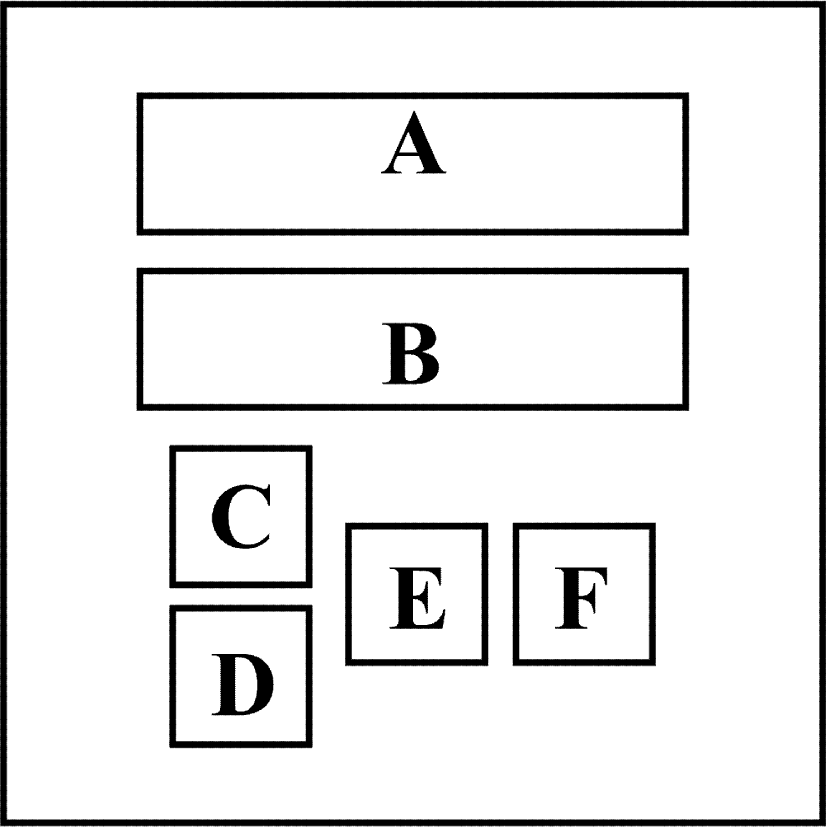
The experiments were conducted using three independently manufactured boards per formulation, which was a common practice in laboratory-scale exploratory studies. This practice was constrained by material availability and hot-press capacity. From each board, one test specimen was prepared for the evaluated property in accordance with the relevant testing standards, as reported in Fig. 2. The specimens were cut from representative regions of the board to minimize within-board variability. Therefore, each formulation was represented by three independent observations (n = 3), and the experimental data were analyzed using one-way analysis of variance (ANOVA) at a significance level of α = 0.05. Duncan’s multiple range test (DMRT) was applied for mean separation when statistically significant differences were detected. Before ANOVA, assumptions of normality and homogeneity of variance were evaluated to ensure the validity of the statistical model. The results were presented as mean ± SD, and p-values (p <0.05) were reported to indicate statistically significant differences among treatments. Confidence intervals were not calculated due to the limited number of independent replicates. However, data variability and comparative trends were adequately represented through SD and post-hoc grouping.
3. RESULTS and DISCUSSION
The thorough chemical analysis of the OSW sample offers essential insights into the viability as a renewable lignocellulosic resource for industrial uses, especially regarding engineered wood products such as particleboard, fiberboard, and other bio-based composites (Hartono et al., 2022). The total lignin content of the sample was ascertained to be 18.53%, consisting of 10.68% and 7.85% acid-insoluble and acid-soluble lignin, respectively (Table 3). This lignin concentration is reported to be low in comparison to other agricultural residues. In rice husk, the content varies from 20% to 25%, while sorghum bagasse typically contains 17% to 24% (Ndazi et al., 2008; Sutiawan et al., 2022).
The holocellulose content was quantified at 51.52%, with α-cellulose and hemicellulose constituting 36.36% and 15.16%, respectively (Table 3). Holocellulose, including α-cellulose and hemicellulose fractions, constitutes the total carbohydrate content in lignocellulosic biomass and is essential for assessing mechanical strength and bonding properties in composite materials (Sarı et al., 2012). The α-cellulose fraction is significant due to the crystalline structure and the role in enhancing tensile strength, stiffness, and durability (Sutiawan et al., 2022). The cellulose content of 36.36% suggests the presence of a robust fibrous matrix, comparable to the observed result in other commonly used lignocellulosic materials, including sorghum bagasse, which contains 30%–36% cellulose (Sutiawan et al., 2022). The hemicellulose content of 15.16% is slightly inferior to that of sorghum bagasse, typically between 21%–22%, but remains sufficiently substantial in influencing water absorption and thermal degradation properties.
The extractive content in the sample was determined to be 2.65%, as reported in Table 3. This value is comparatively low in relation to sorghum biomass, which may comprise up to 10% (Sutiawan et al., 2022). A low extractives content is advantageous in composite production and reduces the likelihood of interactions that impede adhesive penetration or curing (Sarı et al., 2012). Extractives, including oils, fats, waxes, and phenolic compounds, disrupt bonding, cause surface contamination, and influence the consistency of adhesive distribution (Fatrawana et al., 2019). The low extractives content found in OSW suggests favorable compatibility with resin systems.
A prominent feature of OSW is the elevated ash content, quantified at 16.35% (Table 2). This value exceeds the usual levels observed in wood (<1%) and sorghum biomass (4%–6%). The elevated ash content in lignocellulosic feedstocks presents various processing difficulties. Ash adversely impacts adhesive performance from a chemical perspective due to the presence of silica, potassium, calcium, and other inorganic compounds influencing resin curing, board pH, and bonding efficacy (Fatrawana et al., 2019).
The density of the boards ranged from 0.51 g/cm3 to 0.60 g/cm3, with a clear trend that increasing the proportion of wood or bamboo improved compaction (Fig. 3). All boards complied with JIS A 5908 (JIS, 2003), which specifies a density range of 0.40–0.90 g/cm3. Board D, composed of 25% OSW and 75% wood shavings, exhibited the highest density (0.60 ± 0.04 g/cm3) and was statistically different (p ≤ 0.05) from most other formulations. This suggested a significant enhancement in particle packing and matrix integrity due to the structural rigidity and higher specific gravity of wood particles (Dukarska et al., 2022). In contrast, boards with higher OSW content (A–C) showed significantly lower densities (0.51–0.54 g/cm3) due to the loose, fibrous, and heterogeneous structure, which resulted in higher porosity and lower compaction under identical pressing conditions (Iswanto et al., 2025). The bamboo-based boards (E–G) showed moderate densities (0.52–0.55 g/cm3), attributed to the higher aspect ratio and relatively denser anatomical structure of bamboo, which supported better particle interlocking and reduced voids (Melo et al., 2014).
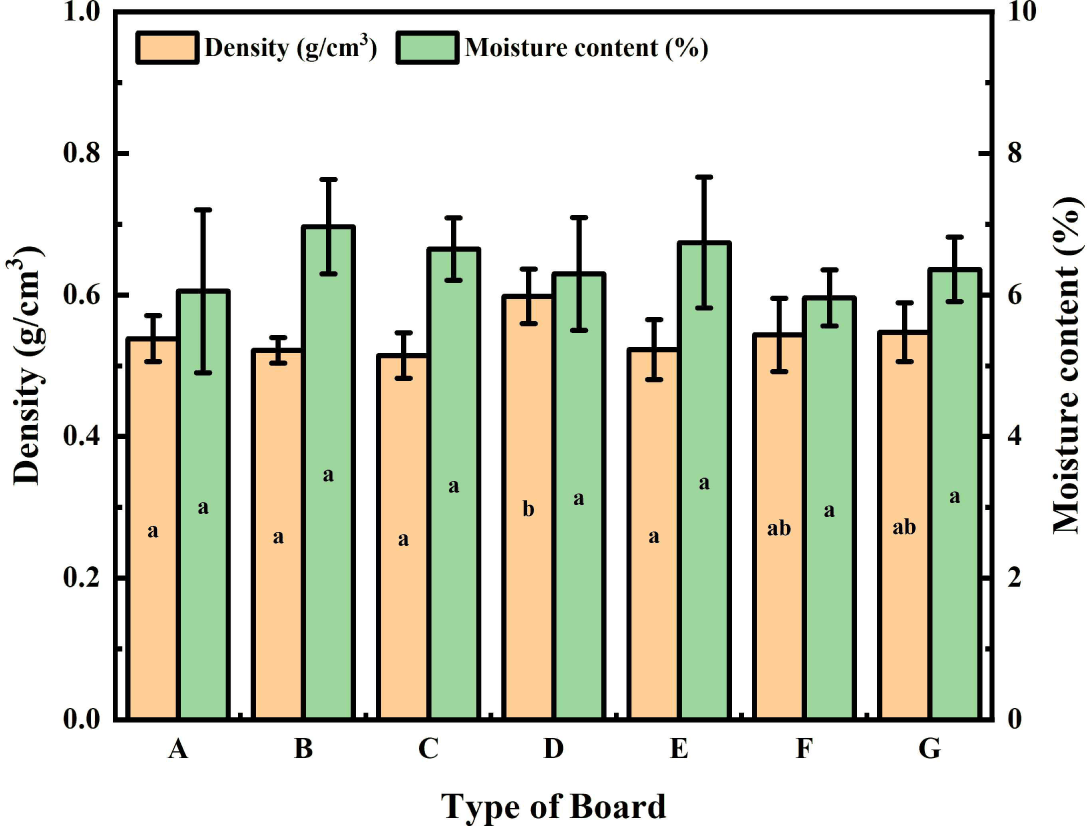
The moisture content of the particleboards did not differ significantly among treatments (p > 0.05), with all values ranging between 5.96% and 6.97% (Fig. 3). All moisture content values met JIS A 5908 (JIS, 2003), which required 5%–13%. The lack of significant variance suggested that the drying process was uniform and effective across formulations. The equilibrium moisture content was mostly influenced by ambient humidity rather than material composition (Istek et al., 2019). This consistency also indicated that the variations in hydrophilic components and pore structure among OSW, wood, and bamboo were insufficient to significantly alter final board moisture under controlled drying conditions.
Water absorption showed significant differences across treatments (p ≤ 0.05), ranging from 35.16 ± 5.28% in board D to 56.47 ± 7.94% in board E (Fig. 4). High water absorption in bamboo and OSW boards (E and G) can be explained by higher porosity and the presence of hygroscopic components such as hemicellulose and extractives, which enhance capillary water uptake (Bardak et al., 2017). Additionally, bamboo's natural capillarity and high surface area due to the fibrous morphology facilitate rapid moisture ingress. Board D, with a higher wood content and densified structure, exhibited the lowest water absorption due to the superior adhesive encapsulation and reduced voids limiting moisture penetration (Melo et al., 2014). This result is statistically supported, with D belonging to a distinct group (group A) significantly different from board E (group D), where material composition plays an important role in water resistance.
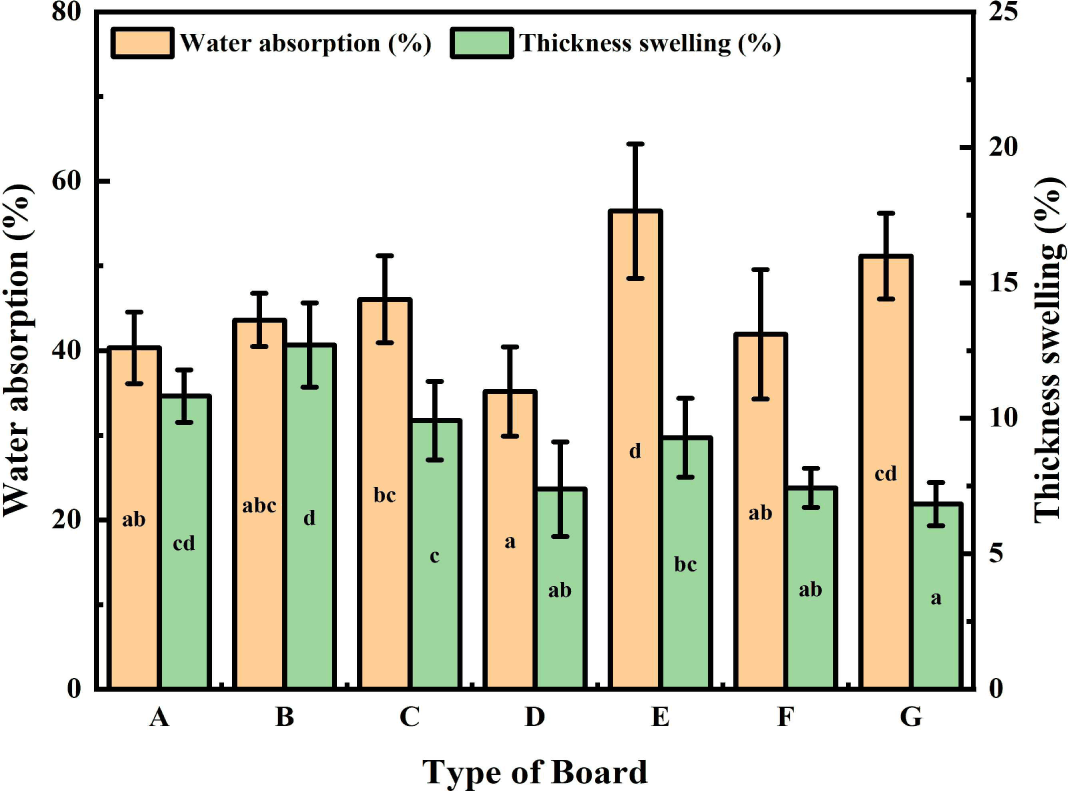
Thickness swelling is a critical indicator of dimensional stability under moisture exposure, and the variable also varied significantly (p ≤ 0.05), from 6.84 ± 0.80% (board G) to 11.44 ± 2.97% (board B; Fig. 4). All thickness swelling values met JIS A 5908 (JIS, 2003), which limits to 12%. The lowest thickness swelling was recorded in board G, which contained 75% bamboo shavings. Therefore, bamboo’s rigid structure and high silica content limit water-induced matrix expansion (Silviana et al., 2021). The silica acts as a natural barrier, reducing hydrophilic swelling in the cell wall. Board B, containing 75% OSW, exhibited the highest thickness swelling due to high water affinity and low structural rigidity, resulting in matrix deformation under moisture stress. Boards D and F with high wood and moderate bamboo contents showed low thickness swelling values (7.39%–7.43%), confirming that denser, fibrous reinforcements improved dimensional stability by limiting voids and enhancing resin adhesion. In addition to density, the microstructure and chemical composition of the raw materials play a critical role in determining the hydromechanical performance of particleboards. Even though an isocyanate-based adhesive was used, further improvement of moisture-related properties remains necessary. Alternative resin systems, such as melamine–urea–formaldehyde (MUF) and phenol–resorcinol–formaldehyde (PRF), have been reported to improve dimensional stability by reducing water absorption and thickness swelling (Karaca et al., 2025; Santos et al., 2022). Therefore, the application is proposed as a potential direction for future studies to enhance the performance of OSW-based particleboards.
The MOE, which reflects the stiffness and rigidity of the board under flexural stress, ranged from 607 ± 35 MPa (board A: 100% OSW) to 1,055 ± 284 MPa (board G: 25% OSW, 75% bamboo; Fig. 5). Boards composed predominantly of bamboo shavings (F and G) reported significantly higher MOE values (p ≤ 0.05) compared to OSW formulations (A–C). Board G showed the highest MOE, attributable to bamboo’s dense fiber bundles, high aspect ratio, and superior anatomical structure, which conferred greater resistance to elastic deformation (Widyorini et al., 2016). The increase in stiffness with high bamboo content suggests that bamboo’s vascular bundle-reinforced structure enhances mechanical performance in composite panels. Similarly, board D (25% OSW, 75% wood) achieved a high MOE value of 842 ± 163 MPa, statistically different from OSW-only boards, reporting the contribution of wood’s more uniform geometry and higher specific gravity (Neitzel et al., 2023). The lowest MOE recorded in board A (607 MPa) may result from OSW’s inherent heterogeneity, lack of structural rigidity, and poor adhesive compatibility, which reduce stress transfer efficiency under load (Iswanto et al., 2025). The relatively narrow statistical differences among boards A–C (p > 0.05) suggest that partial substitution of OSW with up to 50% wood does not drastically improve stiffness unless a dominant reinforcing material is introduced.
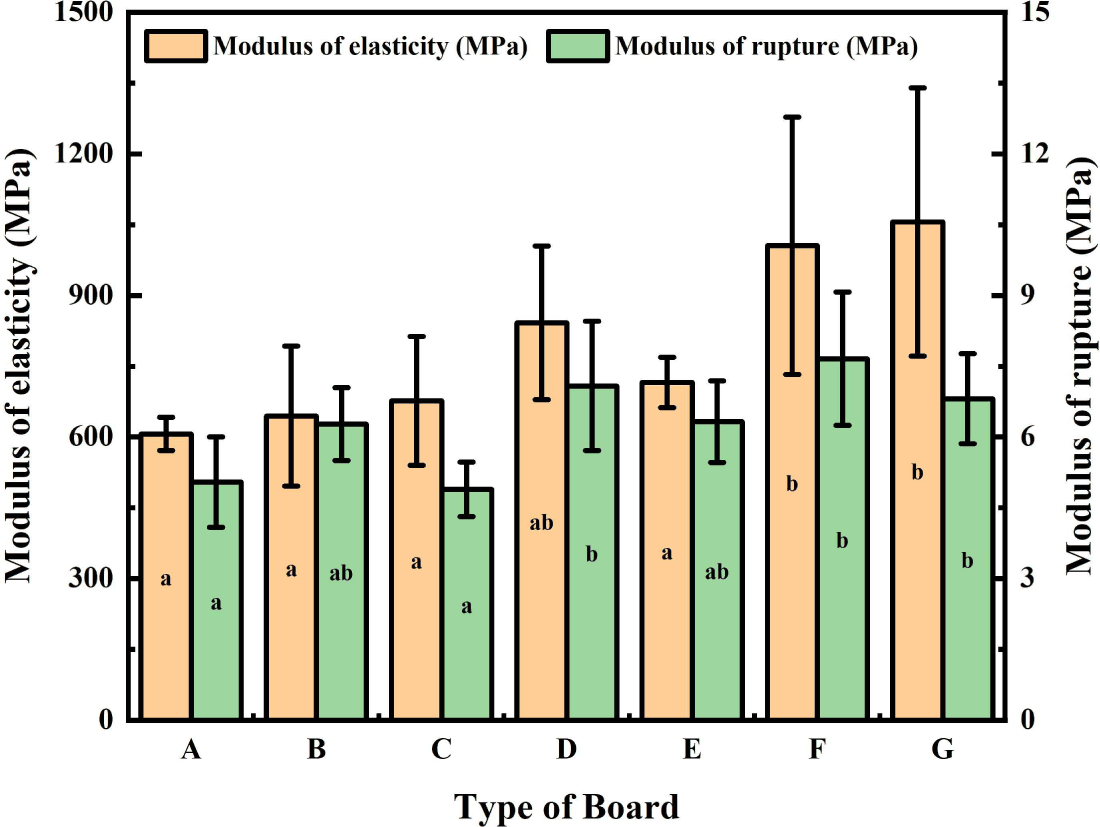
The MOR, a measure of flexural strength and the board’s ability to withstand breakage under load, reported values between 4.89 ± 0.58 MPa (board C) and 7.66 ± 1.41 MPa (board F; Fig. 5). The highest MOR was achieved by board F (50% OSW and 50% bamboo), which was statistically superior to board A (p ≤ 0.05), confirming the reinforcement capacity of bamboo in resisting crack propagation and flexural failure (Onche et al., 2021). Board D (7.08 MPa) and G (6.81 MPa) also recorded high MOR values, indicating that wood and bamboo contributed positively to flexural strength when the composite matrix was dominated. These enhancements are consistent with the idea that lignocellulosic reinforcements with high fiber orientation and structural cohesion improve load distribution and resistance to bending stress (Mohamed and Abdelbary, 2023). In contrast, OSW boards (A–C) performed poorly in MOR testing. This deficiency is from the weak interlocking between OSW particles, high porosity, and insufficient resin distribution, leading to brittle failure under mechanical loading. The MOR or MOE values did not meet JIS A 5908 (JIS, 2003) minimum requirements (˚ 8 MPa and ˚ 2,000 MPa).
The internal bonding strength, a measure of tensile strength perpendicular to the plane of the board and a direct indicator of adhesive efficiency and interparticle bonding, varied widely, from 0.11 ± 0.08 MPa (board A) to 0.45 ± 0.15 MPa (board D; Fig. 6). Board D’s significantly higher internal bonding value suggests that 75% wood shavings led to a denser particle matrix and more effective resin adhesion due to better surface compatibility and lower extractives content than OSW (Liang et al., 2021). The substantial difference between board D and the OSW-only board (A; p ≤ 0.05) reports the poor adhesive performance of OSW, which often contains fibrous material, resulting in poor glue line formation and delamination under stress (Iswanto et al., 2025). Furthermore, higher ash content may adversely affect internal bonding strength by acting as an inert fraction within the composite matrix. Mineral-rich ash particles can partially affect adhesive wetting and penetration into lignocellulosic surfaces, reducing effective interfacial contact between particles. This condition contributes to lower internal bonding values, particularly in boards with a high proportion of OSW. Even though bamboo-based boards (E–G) showed moderate internal bonding values (0.14–0.27 MPa), the performance was lower than that of board D due to the smooth, waxy surfaces of bamboo particles and lower surface energy (Widyorini et al., 2016). However, partial inclusion of bamboo still improved internal bonding compared to OSW-only boards, especially in formulations where bamboo content was balanced with OSW (board C, 0.23 MPa). The internal bonding values varied among board formulations. Boards C (0.23 MPa), D (0.45 MPa), F (0.21 MPa), and G (0.27 MPa) exceeded the minimum requirement of ˚ 0.15 MPa specified in JIS A 5908:2003, while Boards A (0.11 MPa) and B (0.11 MPa) did not meet the criterion. The 25% OSW + 75% wood shaving board (Board D) showed the highest internal bonding value, indicating the best bonding performance among all formulations.
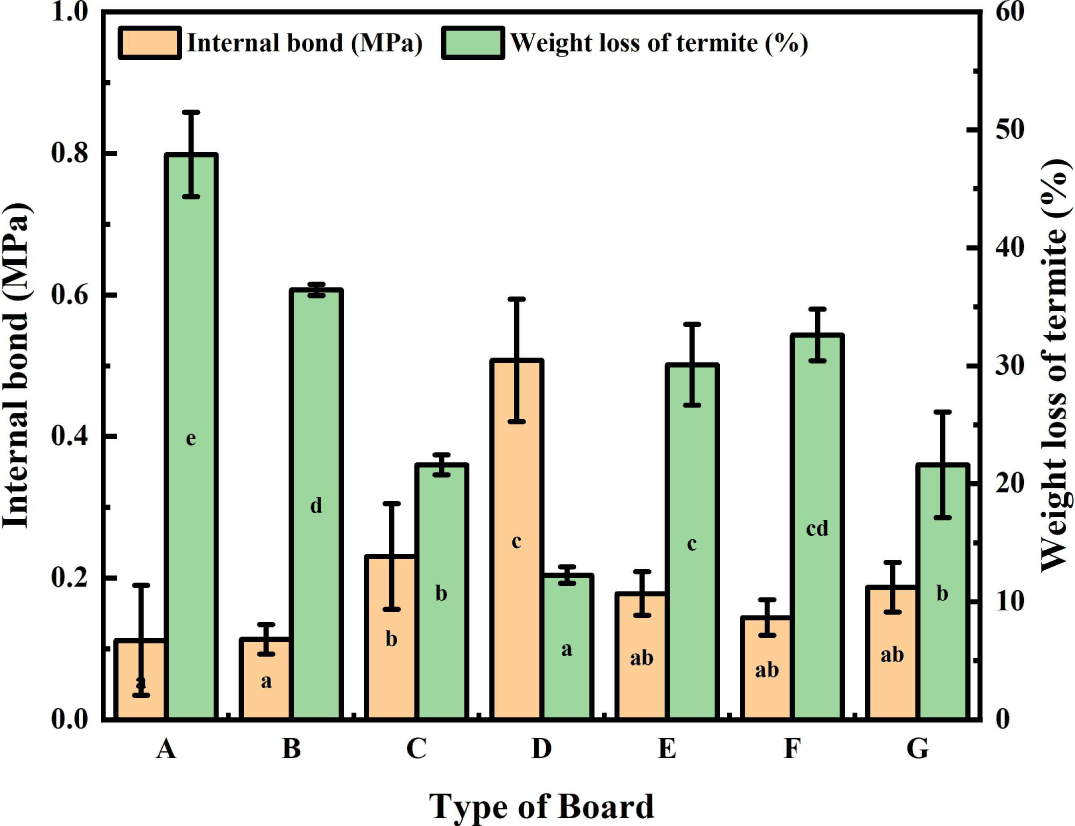
The biological durability of the particleboards, evaluated through weight loss (%) after termite (Coptotermes curvignathus) exposure, reflected the influence of raw material composition. The most severe degradation occurred in board A (47.91%), followed by board B (36.42%), indicating the high susceptibility of OSW composites to termite attack (Fig. 6). In contrast, board D, with a dominant wood content, exhibited the lowest weight loss (12.25%), showing the natural durability of certain wood species used in particleboard production. This is consistent with previous studies suggesting that wood's phenolic content and anatomical density deter termite colonization (Hartono et al., 2023).
Boards containing bamboo (E–G) showed intermediate resistance, with weight losses ranging from 21.59% to 32.61%. Bamboo’s relatively good termite resistance is attributed to the silica outer layer, high fiber crystallinity, and the presence of antifungal/antitermitic compounds (Hartono et al., 2023). Even though bamboo is not entirely immune, the structural characteristics offer a useful buffer against biodeterioration compared to OSW- dominant formulations. Boards F and G, despite high MOE and MOR, still experienced moderate termite damage, indicating that mechanical strength does not equate to biodegradation resistance.
The resistance of the particleboard specimens to termite attack was evaluated based on the percentage of weight loss after field exposure. According to the classification criteria of SNI 7207: 2014, the tested particleboards reported relatively low resistance to termite attack, with weight loss values ranging from 12.25% to 47.91% (Table 2).
Based on the durability classification, Board D, which showed a weight loss of 12.25%, was categorized as Class IV (poor resistance). In contrast, Boards A, B, C, E, F, and G reported greater deterioration, with weight- loss values exceeding 18.94%, and were classified as Class V (very poor resistance). Among all samples, Board A exhibited the highest weight loss (47.91%), indicating the lowest resistance to termite attack. Similarly, Boards B (36.42%), F (32.61%), and E (30.09%) showed substantial material loss, suggesting high susceptibility to termite feeding.
Board D, composed of 25% OSW and 75% wood shavings, exhibited the lowest weight loss, indicating comparatively better resistance to termite attack. The higher proportion of wood shavings in the board composition may contribute to improved structural integrity and reduced termite access to the material, resulting in lower mass loss during exposure. Even though the board was still classified within Class IV, the performance was better than that of other formulations evaluated.
The microstructural characteristics of particleboard panels fabricated from 25% OSW combined with 75% wood or bamboo shavings were examined using scanning electron microscopy (SEM) at a magnification of 500 × (Fig. 7). These images provide qualitative insight into the particleboard’s morphological features associated with physical and mechanical performance. In the sample composed of wood shavings [Fig. 7(a) and (b)], the SEM image at 500 × magnification [Fig. 7(a)] shows a heterogeneous structure with visible voids and porous regions between particles, suggesting variability in particle arrangement within the panel. The adhesive phase can be observed in some areas to bridge adjacent particles. However, discontinuities and gaps are also visible, indicating that the distribution within the structure is not entirely uniform. These features are associated with the internal bonding performance observed in the mechanical tests.
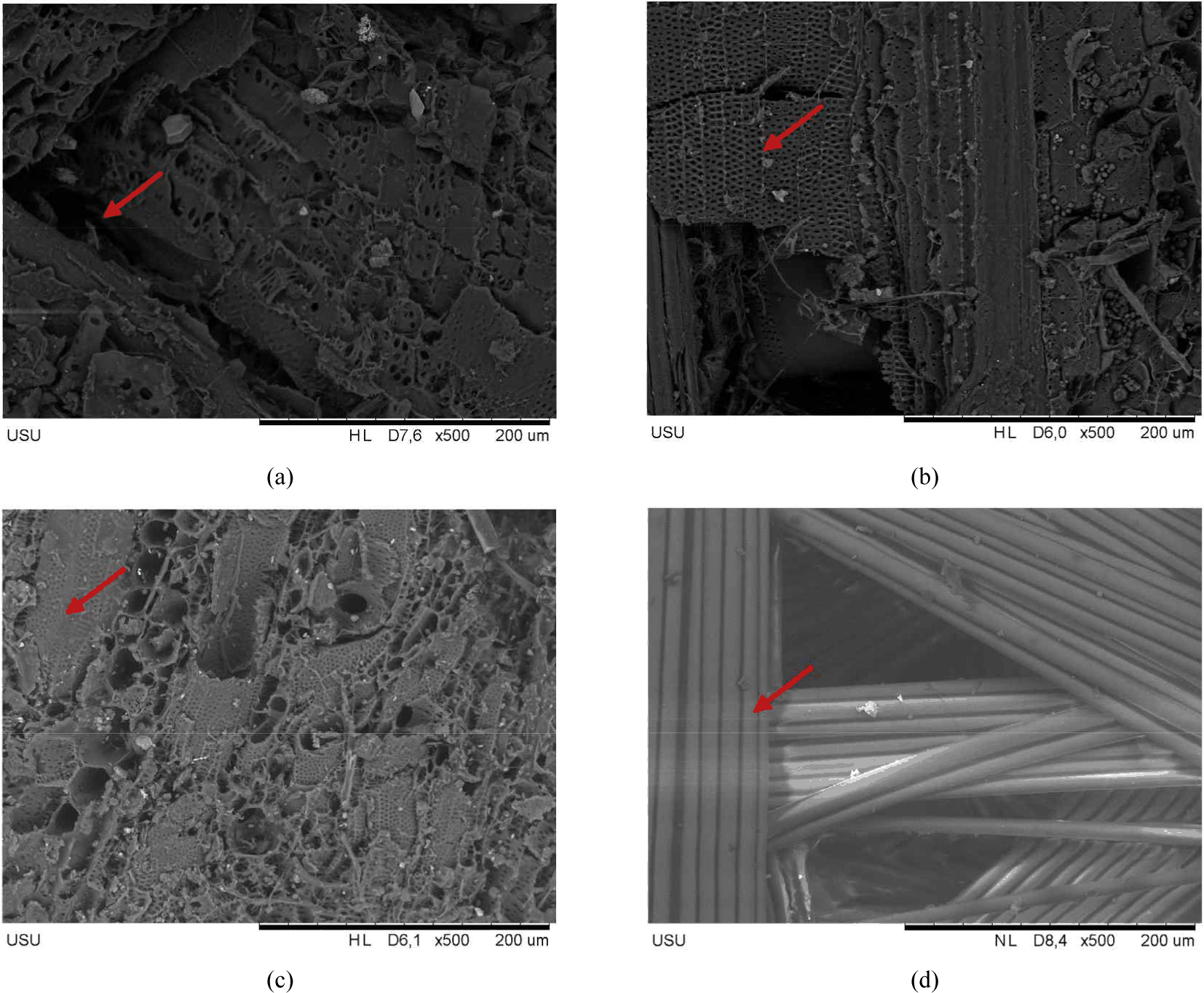
At higher detail [Fig. 7(b)], the micrograph reports anatomical features of wood, such as tracheids and bordered pits (Akinyemi et al., 2019). These structures are characteristic of wood and may influence the arrangement of particles within the composite. The presence of microvoids and interfacial gaps suggests that the interaction between constituents varies locally within the panel (Jiang et al., 2023). The observations are based on surface morphology and do not directly confirm specific bonding mechanisms. In contrast, the particleboard containing 75% bamboo shavings [Fig. 7(c) and (d)] shows a different morphological appearance. At 500 × magnification [Fig. 7(c)], the surface appears more compact and layered, with a denser arrangement of vascular bundles and parenchyma tissues (Zhang et al., 2018a). These features are consistent with the known anatomical structure of bamboo, which shows higher tissue density and smoother morphology compared to wood (Suwan et al., 2020).
At 500× magnification [Fig. 7(d)], the bamboo structure shows large vessel elements and closely packed fibrous bundles. The adhesive phase is less distinctly visible in the image, which may reflect differences in the apparent distribution within the panel. These morphological characteristics may be associated with the internal bonding values obtained and the relatively higher MOE observed for bamboo-based boards. The SEM images also show features that may be related to structural discontinuities within the composite. In wood-based panels [Fig. 7(a) and (b)], localized gaps and irregular regions are visible, which may represent areas of structural heterogeneity (Baskaran et al., 2017; Zuber et al., 2021). In contrast, bamboo-based panels [Fig. 7(c) and (d)] appear comparatively more compact, with fewer visible voids (Baskaran et al., 2017; Nuryawan et al., 2020).
4. CONCLUSIONS
In conclusion, this study shows the potential of OSW, when blended with wood or bamboo shavings, as an alternative raw material for particleboard production. Panel composition was found to significantly affect physical, mechanical, and biological performance. Particleboards manufactured from OSW exhibited inferior mechanical properties and the highest susceptibility to termite attack. In contrast, the incorporation of wood or bamboo shavings improved board performance across all evaluated parameters. Among the investigated formulations, the board composed of 25% OSW and 75% wood shavings (board D) reported the most balanced performance. This formulation showed improved dimensional stability, enhanced mechanical properties, and the highest resistance to termite attack. The density, moisture content, thickness swelling, and internal bonding satisfied the minimum requirements of JIS A 5908 for non-structural particleboard, indicating the suitability for interior applications.
Particleboards reinforced with bamboo shavings reported high stiffness, achieving elevated MOE and rupture values, particularly at higher substitution levels. However, the internal bonding strength remained comparatively lower, suggesting that further optimization of adhesive formulation or processing conditions was required. These boards also reported moderate resistance to termite attack and acceptable dimensional stability. The results showed that organic waste was effectively valorized by blending with wood or bamboo shavings to produce environmentally friendly particleboards with potential for non-structural and interior applications. Further studies focusing on adhesive optimization and board densification were recommended to enhance the performance of bamboo-reinforced systems. In addition, future work should investigate the interaction between inorganic constituents and adhesive curing, as well as long-term durability under fast aging conditions, to support potential scale-up and practical application.


