

1. INTRODUCTION
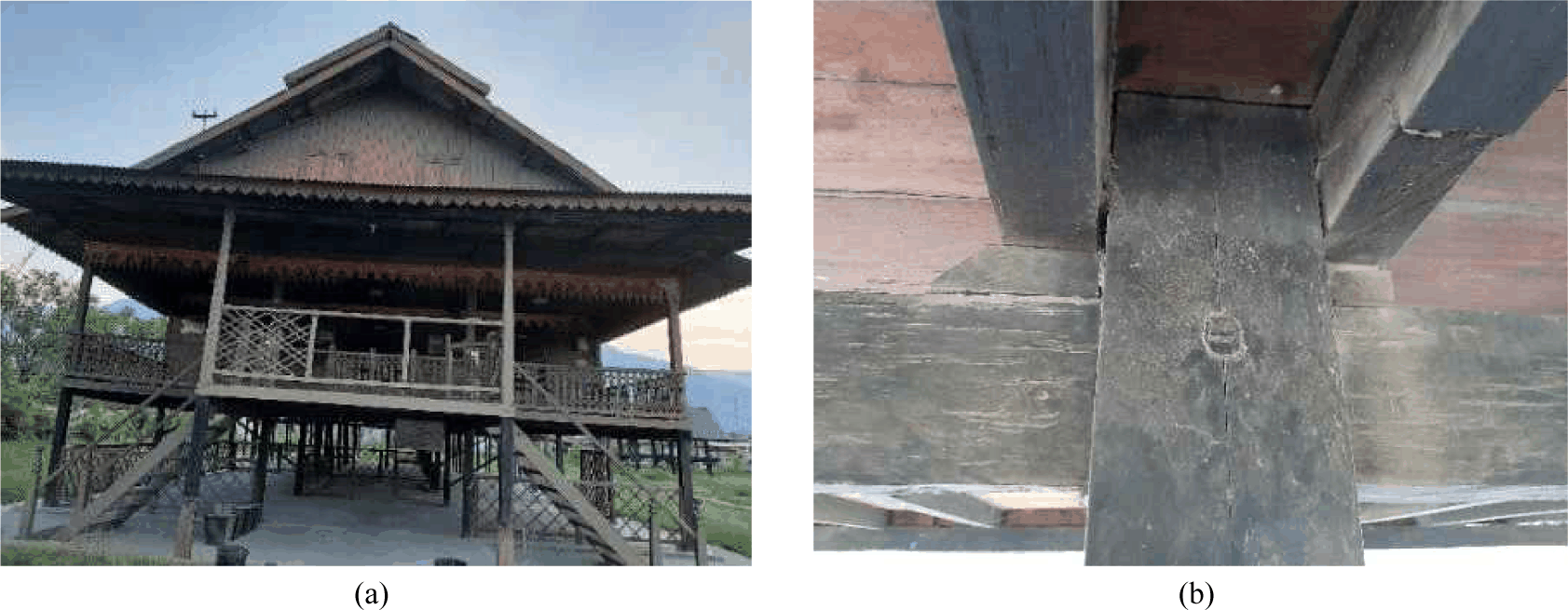
The Souraja traditional house [Fig. 1(a)] is a historical building type found in Palu City, Indonesia, constructed from ironwood (Eusideroxylon zwageri). This stilt house (pile dwelling) uses a column system and is unique in its beam–column connections, which is a full-penetration knock-down/mortise–tenon system with wedges and dowels, as illustrated in Fig. 1(b). The Souraja house has remained standing since 1892, surviving several major earthquakes that caused the collapse of surrounding buildings; these include events in 1907, 1909, 1937, 2012, and the September 2018 earthquake, which had a magnitude of 7.4 M (PuSGeN, 2018).
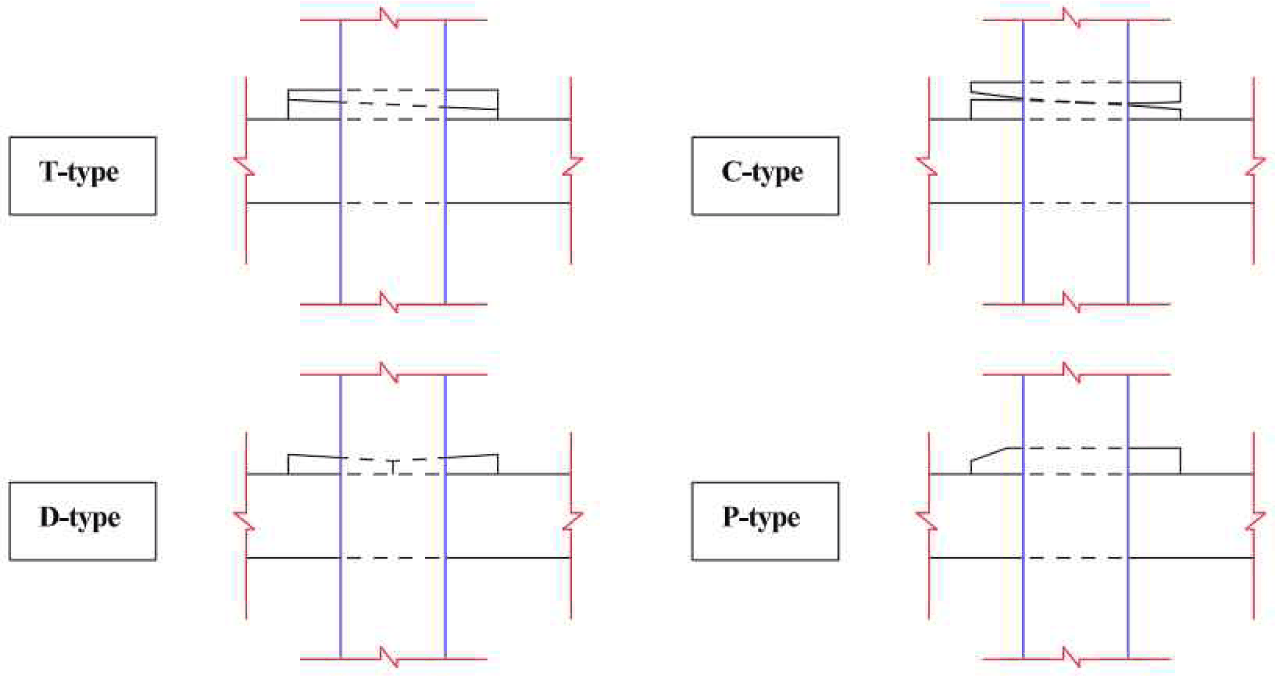
The beam–column joint in the Souraja house is mortise–tenon connection system utilizing a wedge, locally referred to as Potanje (where the beam is termed polaya and the column tinja). A previous study by Tanahashi et al. (2014) identified four distinct wedge types, as (Fig. 2): the T-type, comprising several triangular pieces with a slope of approximately 1/10 to 1/6; the C-type, consisting of two triangular pieces with slightly curved slopes; the P-type, featuring a wedge with a slight slope at the corners to facilitate insertion into the column; and the D-type, representing a pair of triangular chips inserted separately from opposite sides that behave independently. Tanahashi et al. (2014) proposed that the best wedges are C-, T-, and D-types. In comparison, the C- and T-types exhibited superior moment-retaining abilities but often experienced a decrease in stiffness compared to the D-type. This suggests that the beam–column connection with the wedge system can effectively reduce earthquake forces, where the friction generated produces a frictional damper.
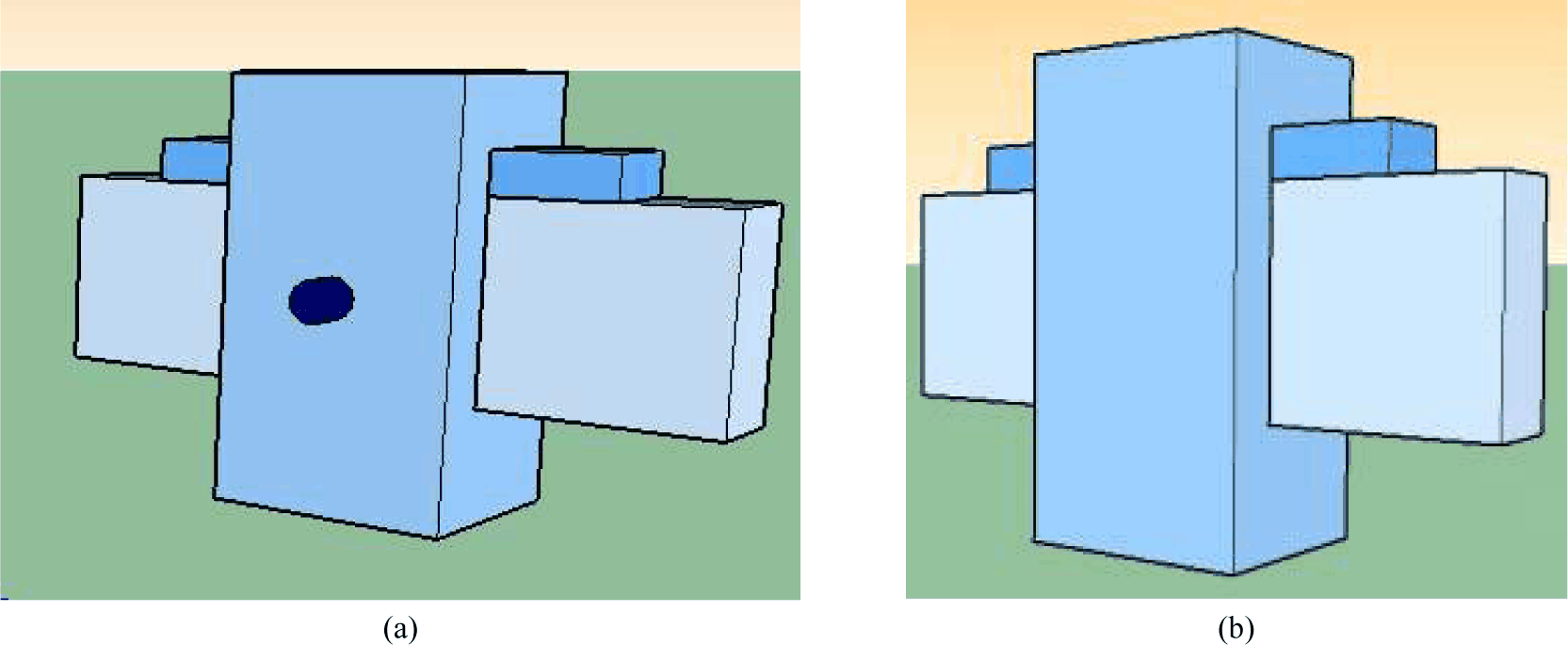
The beam–column connection of the Potanje system, also known as mortise–tenon, is structurally similar to that of the P-type wedge, but is reinforced with a dowel, as illustrated in Fig. 3. Several mortise–tenon designs, such as full- and half-penetration, incorporate wedges and dowels to prevent beam displacement and ensure rigidity. Maeno et al. (2004) conducted static lateral and shaking table tests on traditional wooden buildings with a mortise–tenon system and wedge. Their results demonstrated that under small structural deformations, the restoring force was governed by column rocking. However, as deformation increased, the bending moments from the tie beam became more dominant than those generated by the restoring force. Similar mortise–tenon testing, which compares full and half penetration with a locking beam, was conducted by Yeo et al. (2016). Dong et al. (2023) tested both types of mortise–tenon with light steel reinforcement and observed that the half-penetration type exhibited larger moment resistance capabilities than the full-penetration type. Furthermore, Yu et al. (2022) explored mortise–tenon connections strengthened with innovative metal dampers and reported that the full-penetration type (straight and penetrated tenon) exhibited superior performance than the half-penetration type (dovetail tenon). Suesada et al. (2019) conducted a full-penetration mortise–tenon test with hardwood reinforcement, while Wu et al. (2019) investigated full-penetration mortise–tenon connection with slot-in bamboo scriber plates reinforcement. Their findings demonstrated enhanced resistance performance, specifically in terms of rotational stiffness and moments compared to that of unreinforced beams.
Tanahashi et al. (2014) explored a full-penetration mortise–tenon with various wedge types, leading to good seismic damping of the beam–column system with D-, C-, and T-type wedges. Fujita et al. (2016) investigated full-penetration mortise–tenons with wedges using a transition beam; they demonstrated an initial stiffness 50% lower than that of a beam without joints and bending failure at deformation angles from 1/10 to 1/7 rad. Hassan et al. (2010) examined half-penetration and observed that mortise–tenon joints with steel dowels exhibited better moment and shear resistance than those of wooden joints.
Based on the aforementioned description, this study aims to evaluate the performance of the Potanje-type joint and the D- and T-type modified systems– both of which are full-penetration mortise–tenon joints utilizing wedges and dowels–and compare their behavior to that of the P-type system (Fig. 3). The performance of these connections was evaluated based on strength, ductility, and damping ratio; subsequently, the experimental results were validated via numerical analysis. In these systems, the wedge contributes to the mitigation of seismic forces, while the dowels serve to prevent beam displacement. The damping performance was quantified using the damping ratio, which represents the capacity of a structure to dissipate input energy through changes in shape, fatigue, and progressive damage. A higher damping ratio indicates a superior ability of the structure to absorb energy. The novelty of this study lies in the evaluation of wedge-based connections reinforced with dowels in beam–column joints, a configuration that has not been reported in previous investigations.
2. MATERIALS and METHODS
Ironwood (E. zwageri) used in the Souraja building structures was selected due to its widespread application in traditional architecture and superior mechanical performance. The material exhibited a modulus of elasticity of 13,704 MPa, a modulus of rupture of 115.46 MPa, a density of 1,040 kg/m3, and a moisture content 19.73%. Preliminary tests determined the physical properties according to ASTM D4442-92 (ASTM, 2003b; Hadi et al., 2022; Kim et al., 2024; Lee et al., 2024; Seta et al., 2023) and the mechanical properties according to ASTM D143-94 (ASTM, 1994; Cha et al., 2022; Mawardi et al., 2025; Nugroho et al., 2024; Rofii et al., 2024; Song and Kim, 2023).
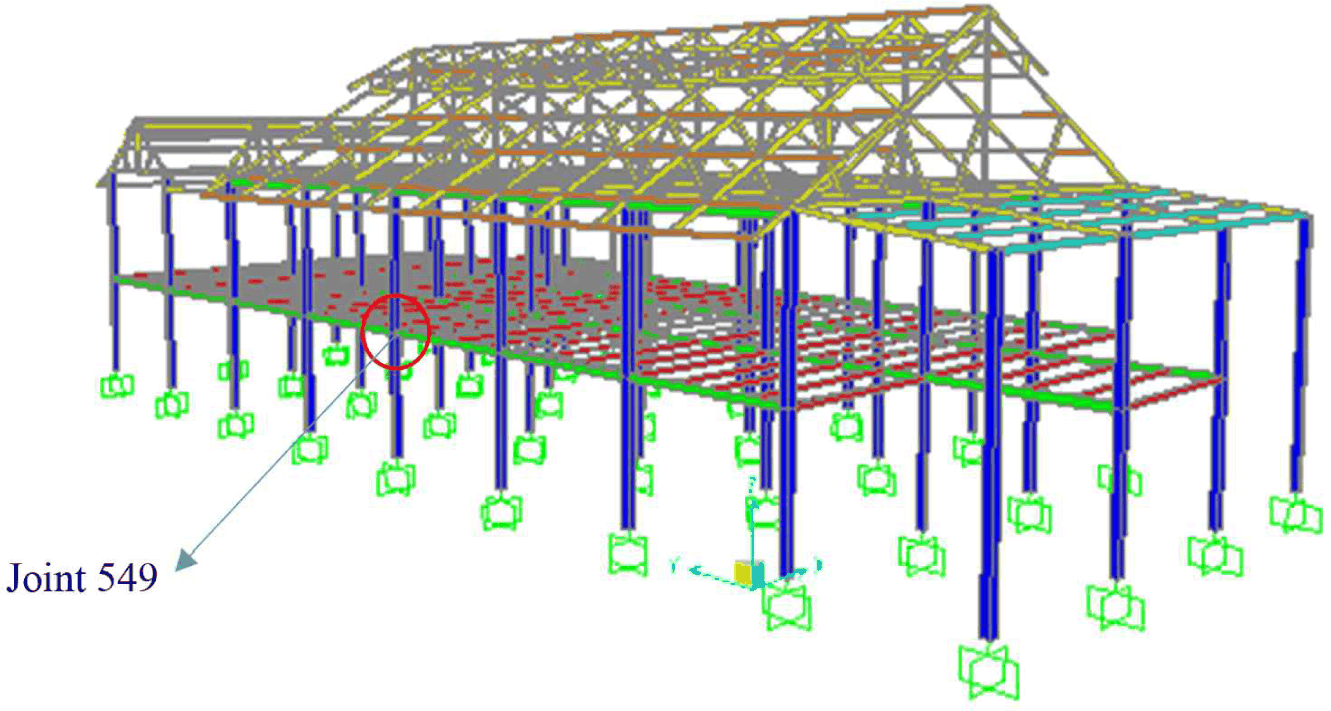
To ensure consistency with existing structures, the geometric configuration of the Souraja building was defined based on field measurements. The column spacing was 3,500 mm, with a ground-floor height of 2,540 mm, and a first-floor height of 2,920 mm (Fig. 4). The detailed structural dimensions are summarized in Table 1.
| Wood type | Ironwood (mm) |
|---|---|
| Column | 160 × 160 |
| Main beam | 70 × 140 |
| Floor beam | 70 × 90 |
| Floor board | 20 × 200 |
| Roof truss | 70 × 90 |
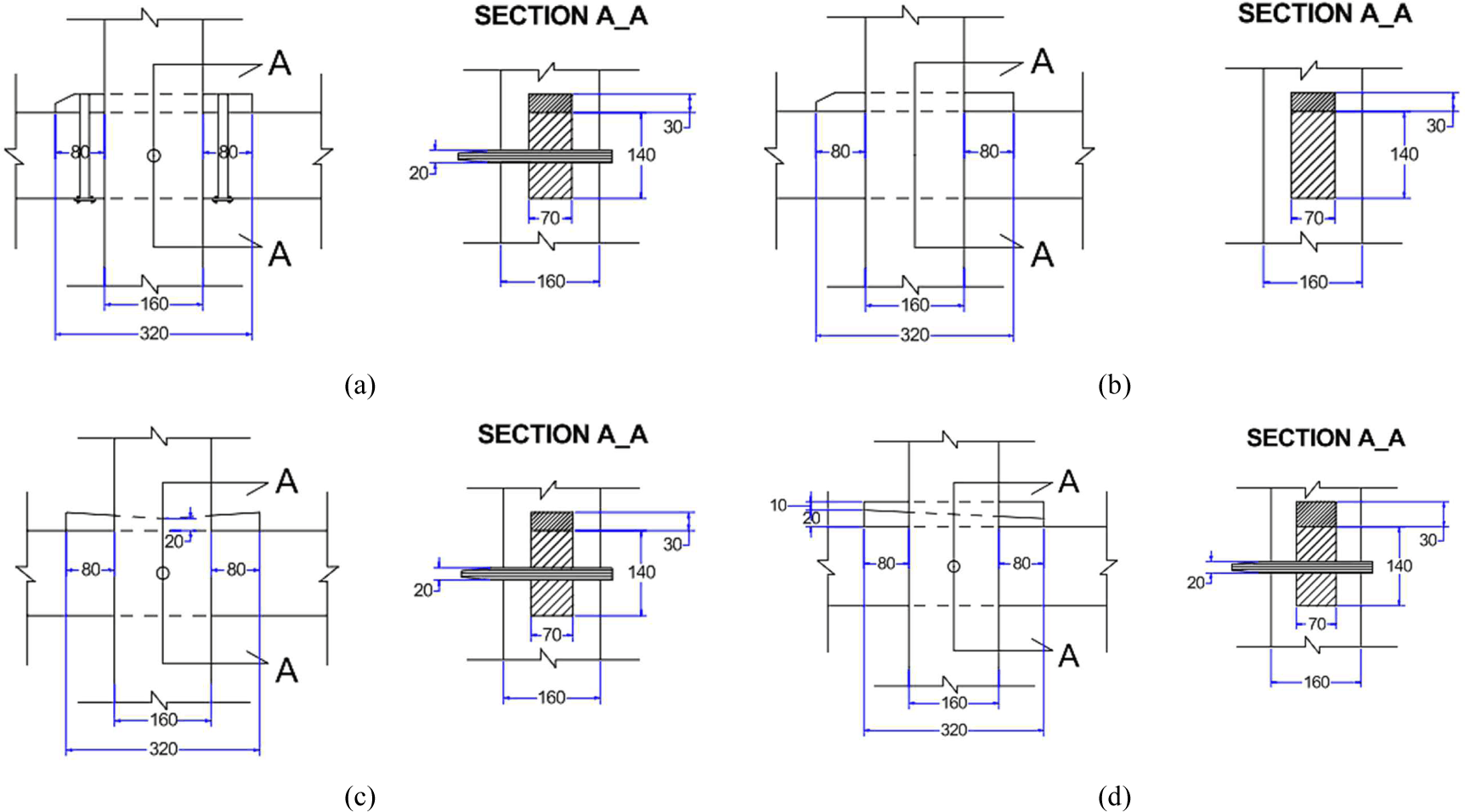
Cyclic loading tests were conducted on wedge-based beam–column joint specimens consisting of four configurations: Potanje-type (two specimens), P-type (three specimens), modified D-type (three specimens), and modified T-type (three specimens; Fig. 5). While the Potanje-type connection is similar to the P-type, the former is reinforced with dowels, whereas the latter is not. For the Potanje-type, clamps were installed on the wedge and beam to replicate in situ structural conditions. Correspondingly, the modified D- and T-type joints represent the original D- and T-type joints strengthened with dowels.
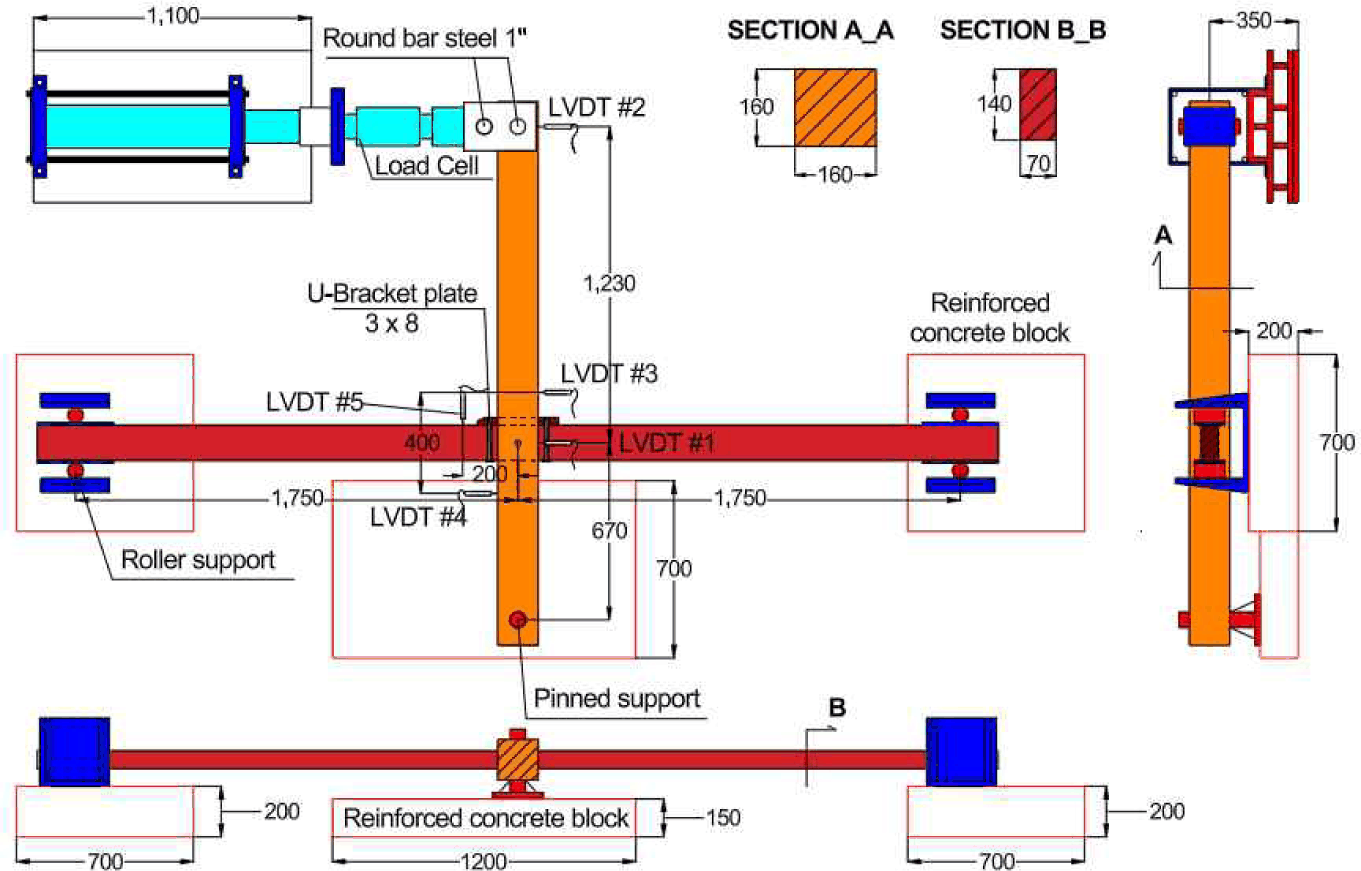
Prior to laboratory testing, the Souraja building was modeled using SAP 2000 to determine boundary conditions and internal bending moments acting on the experimental specimens, specifically at joint 549. The column was modeled as a fixed support (Fig. 4). Geometric parameters were used as input variables for numerical analysis; structural responses are listed in Table 2.
| Item | Length (m) | Moment A (kNm) | Moment B (kNm) | Point M =0(m) |
|---|---|---|---|---|
| Top column | 2.92 | 3.73 | 4.76 | 1.23 |
| Bottom column | 2.54 | 2.42 | 6.54 | 0.67 |
| Center beam | 3.50 | 3.08 | 3.07 | 1.75 |
| Right beam | 3.50 | 3.08 | 3.08 | 1.75 |
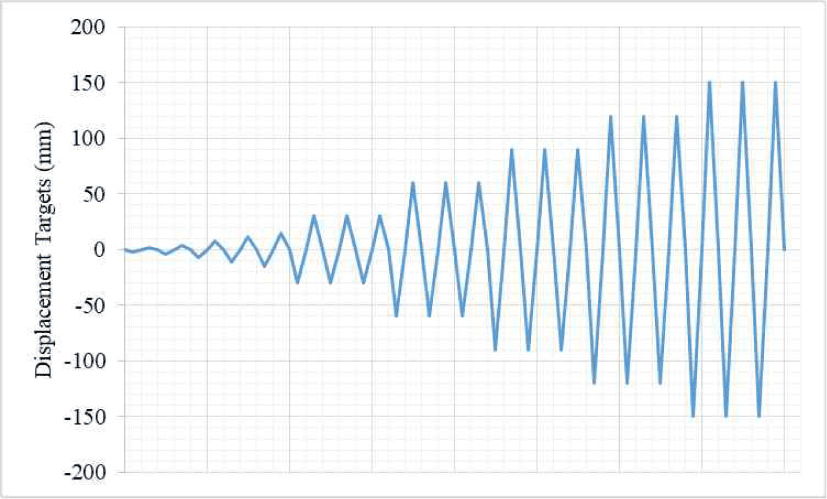
Cyclic loading was applied laterally to the frame following a monotonic displacement protocol based on the drift ratios in accordance with ASTM E2126-02a (ASTM, 2003a; Lee and Jang, 2023; Fig. 6). Subsequently, displacements were measured using five linear variable differential transducers (LVDTs): LVDT-1 controlled the actuator displacement, LVDT-2 recorded the load displacement relationship, LVDT-3 and LVDT-4 captured joint rotations, and LVDT-5 controlled beam displacement (Fig. 7). Each LVDT had a maximum stroke of 300 mm, thereby limiting the target displacement of LVDT-2 to 150 mm.
The rotation angle θ (Li et al., 2021) was calculated based on two displacement transducers (LVDT-3 and LVDT-4) and the column side (Fig. 8). Neglecting bending deformation in the beam, the joint rotation angle was calculated from the displacement values of two transducers:
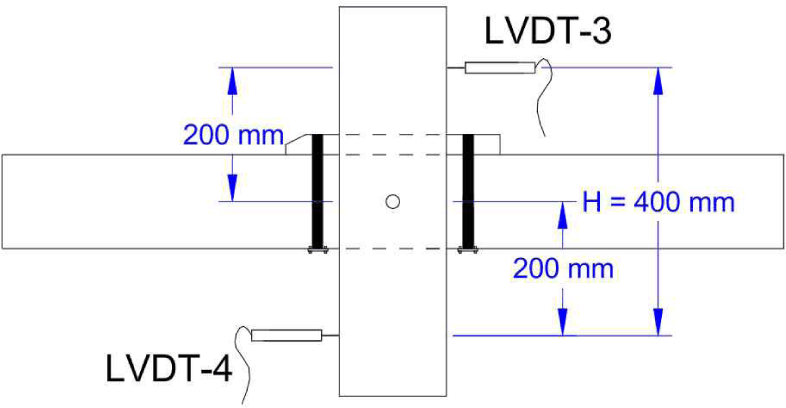
where: θ = rotation angle (rad); △1 = displacement measured by LVDT-4 (mm); △2 = displacement measured by LVDT-3 (mm); H = distance of LVDT-3 and LVDT-4 (mm).
Rotational ductility is determined by ultimate rotation (θu) and yield rotation (θy). The ultimate moment (Mu) and yield moment (My) were determined according to ASTM E2126-02a (ASTM, 2003a), with the yield point defined as 0.5Mu according to the Karacabeyli and Ceccotti method (Muñoz, 2008). The rotational ductility (Maras et al., 2024) was determined as follows:
where: D = ductility; θu = ultimate rotation; θy = yield rotation.
The ductility coefficient (D) describes joint ductility and is often defined as the ratio of the ultimate rotation to the yield rotation. Specifically, the ductility scale proposed by Smith et al. (2006) classifies joint behavior into four categories: brittle (D ≤ 2), low ductility (2 ≤ D ≤ 4), medium ductility (4 ≤ D ≤ 6), and high ductility (D > 6).
The damping ratio indicates the amount of damping in the structure, which reduces and transmits input energy as the system undergoes deformation and progressive damage. The ability of a structure to absorb energy depends on its damping ratio. In this study, the damping ratio or equivalent viscous damping ratio (EVDR) was calculated according to ASTM E2126-02a using the following equation (ASTM, 2003a):
where: EVDR = equivalent viscous damping ratio; HE = hysteresis energy (Nmm); PE = potential energy (Nmm).
Modeling was performed using ABAQUS software (ABAQUS/Standard, 2009) to evaluate the capacity of the connection system tested under cyclic loads. Longitudinal elastic modulus EL = 10.191 MPa was obtained from the test results. Simultaneously, ER and ET were calculated using the following relationship (TDMEC, 2005): ER/EL = 0.10, ET/EL = 0.05 with a friction coefficient value of 0.25–0.5 (Deta et al., 2018). The friction coefficients vary across connection types: 0.25 and 0.5 for Potanje- and P-types, respectively, and 0.35 for both the modified D- and T-types (Table 3).
The modeling has several contact areas: beam–column, wedge–beam, wedge–column, wedge–wedge (modified D- and T-types), dowel–beam, and dowel–column. A mesh size of 20 was applied to the beam and column, whereas mesh sizes of four and five were applied to the dowels and wedges, respectively. Convergence was performed using the largest mesh 20. The generated error generated for the 20 mesh was 3.40% at a displacement of 100 mm. The Poisson’s ratio values μRT, μTL, and μRL were adapted as 0.24 (Santoso et al., 2021), while the maximum stress was 62 MPa. The GRT, GTL, and GRL values were calculated using the following relationships (Hong, 2007):
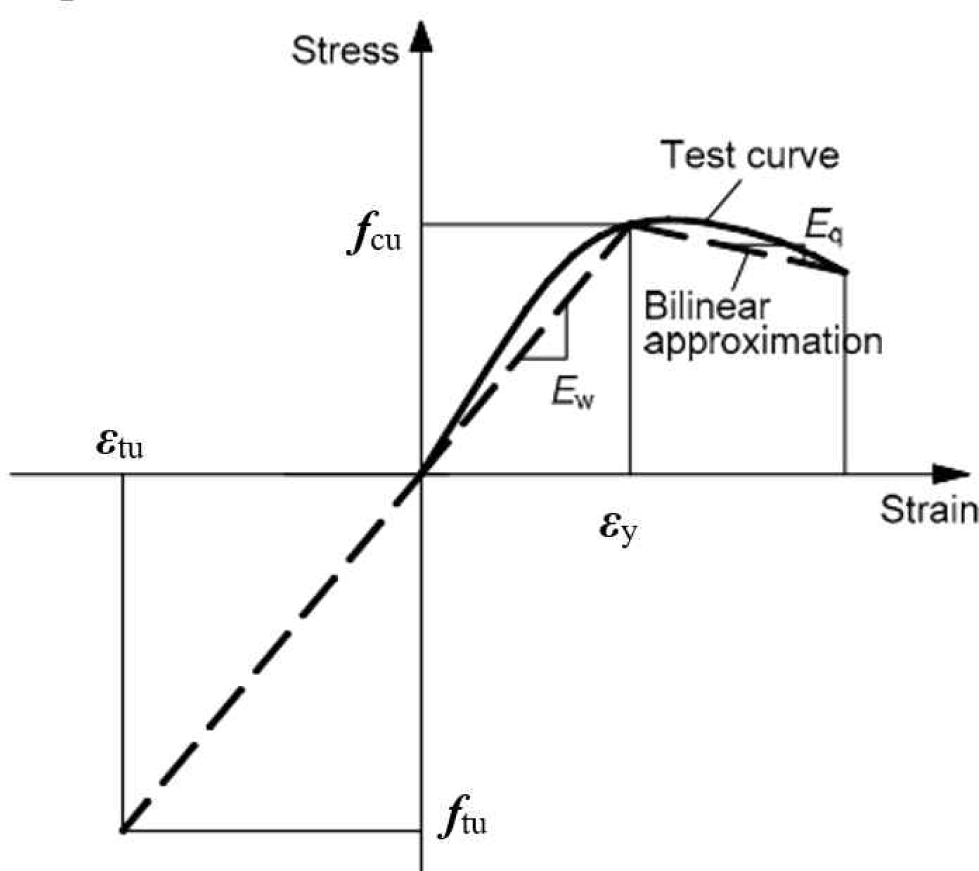
Plasticity (Zhang et al., 2015) is a condition in which the strain does not fully return following stress release, leading to residual (plastic) strain. According to Song et al. (2010), a plastic limit is required for the constitutive relationship of wood parallel to the grains (Fig. 9) to fulfill specific requirements. These include: 1) identical tensile and compressive moduli, and 2) the absence of a significant plastic deformation stage prior to failure when the wood is subjected to tension parallel to the grain. The stress-strain curve is approximately linear, and the failure mode is brittle. When wood is subjected to compression parallel to the grain, a precise stage of plastic deformation occurs prior to failure due to the buckling instability of the wood grain.
3. RESULTS and DISCUSSION
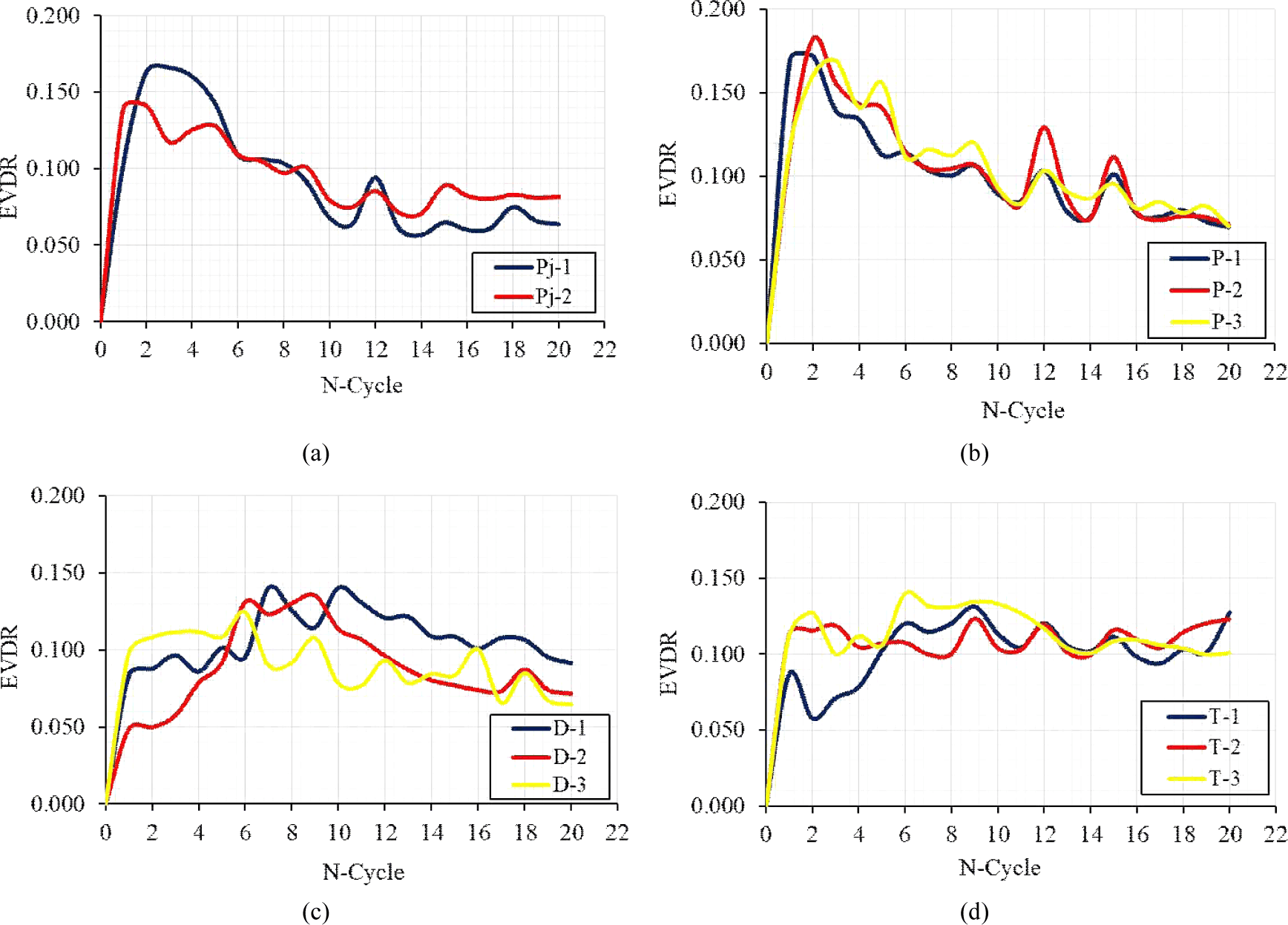
The moment–rotation curves for each connection type obtained for the experiment (Fig. 10), provide valuable insights into the energy dissipation and deformation control during cyclic loading. The Potanje- and P-type connections exhibited higher moment capacities than the modified D- and T-type connections. With an increasing number of loading cycles, these two types showed progressive flattening of the hysteresis loops, indicating reduced energy dissipation due to frictional degradation and sliding at the wedge interface. In comparison, the modified D- and T-type connections exhibited more gradual and stable hysteretic responses, with the T-type connections demonstrating superior damping resistance. As illustrated in Fig. 11, the EVDR of the modified T-type initially increased and remained approximately constant throughout the loading cycles, indicating sustained damping performance.
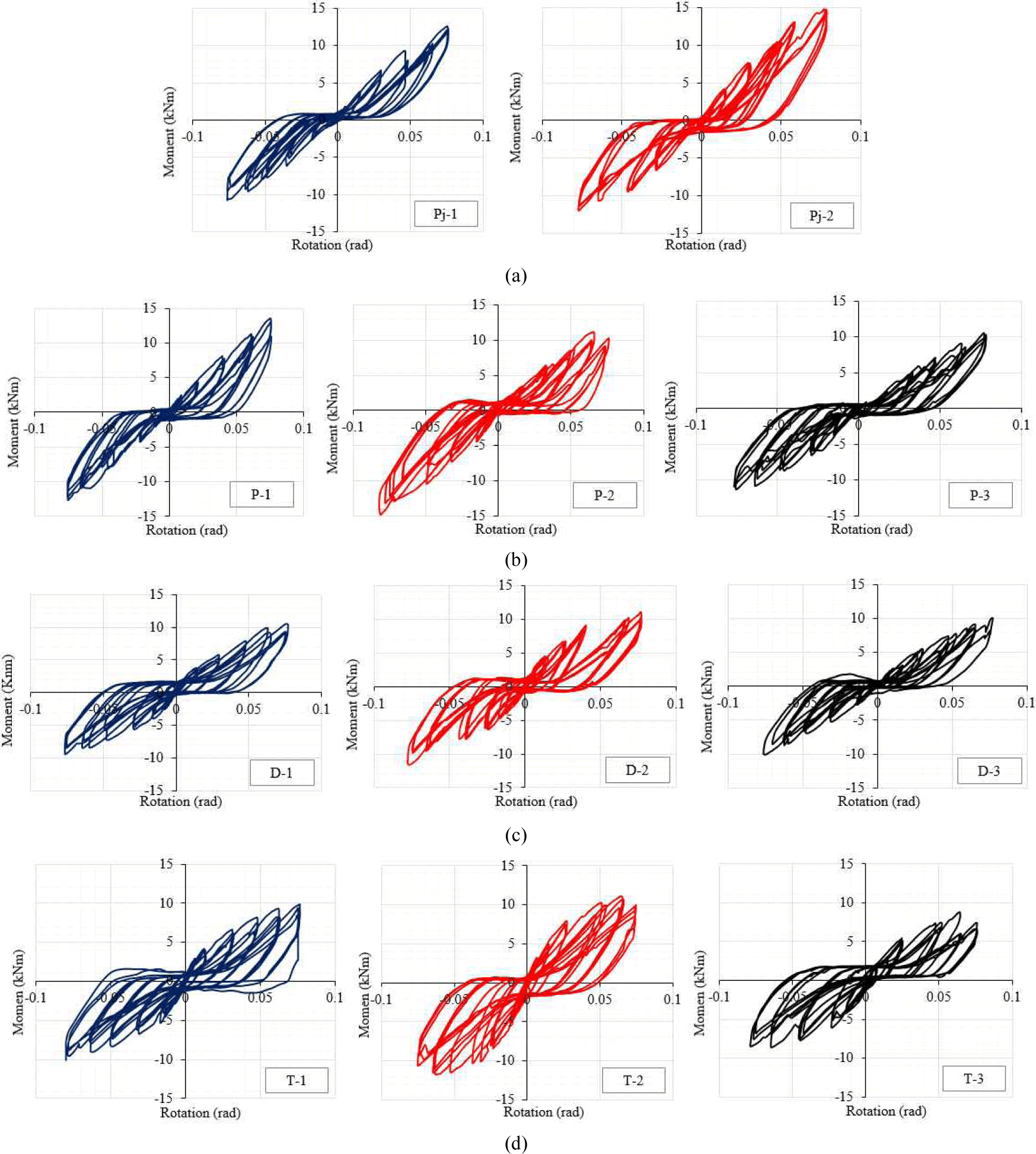
For all tested beam–column joint specimens, the achieved global rotation ranged between ± 0.075 and ± 0.079 rad at the last loading cycles (Table 4). At this rotation level, significant column displacements were observed at both the top and bottom of the column. The magnitude of the column displacement was relatively consistent across all joint configurations, indicating that the global deformation of the system was primarily governed by joint rotation. In comparison, the measured beam deformation was relatively small and varied among specimens. Beam displacement did not exhibit a clear linear relationship with the magnitude of the global rotation, suggesting that its contribution to the overall system deformation was limited compared to that of the column deformation.
The ductility values summarized in Table 5 show substantial differences among connection types. The modified T-type achieved the highest ductility among the tested configurations and was classified as medium ductility according to Smith et al. (2006). The modified D-type connections also exhibited improved ductility compared to that of the Potanje- and P-type connections. However, the P-type demonstrated the lowest ductility, indicating a limited capacity to sustain inelastic deformation and the occurrence of progressive degradation in energy absorption.
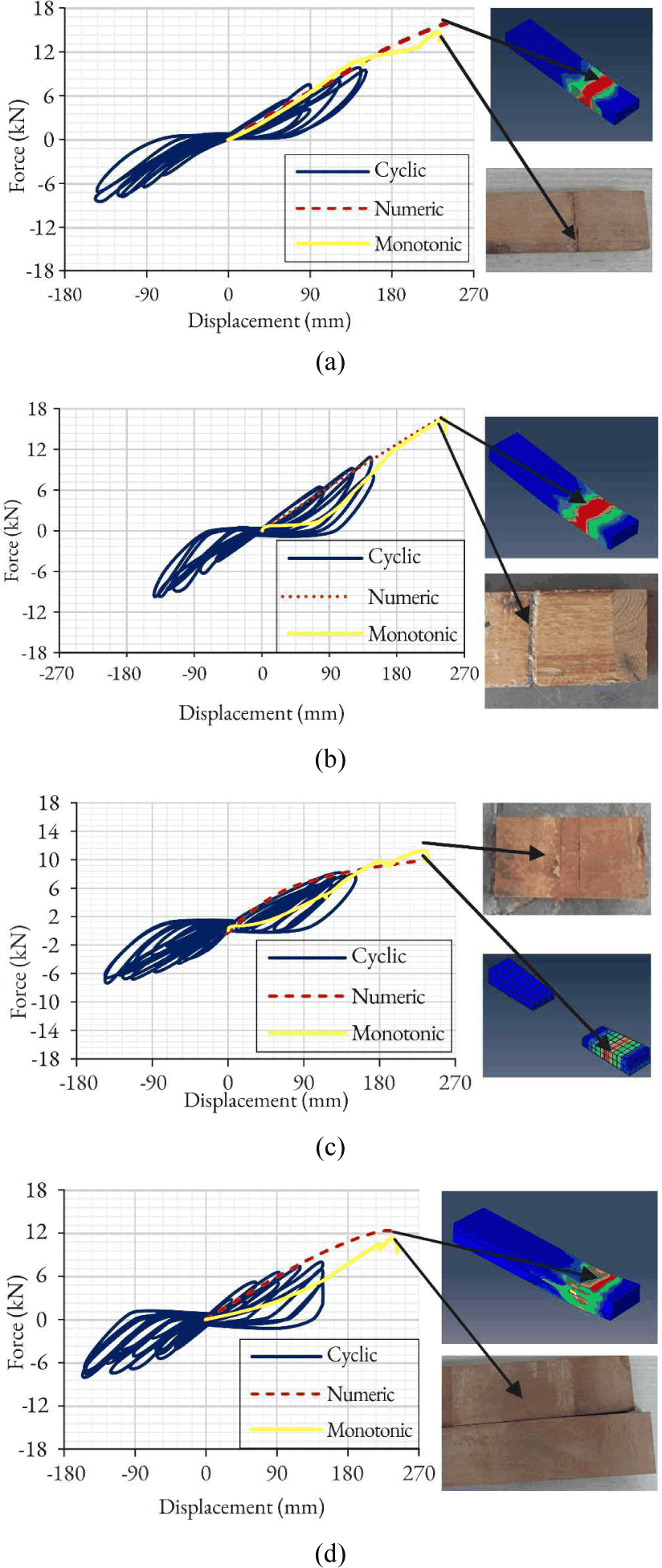
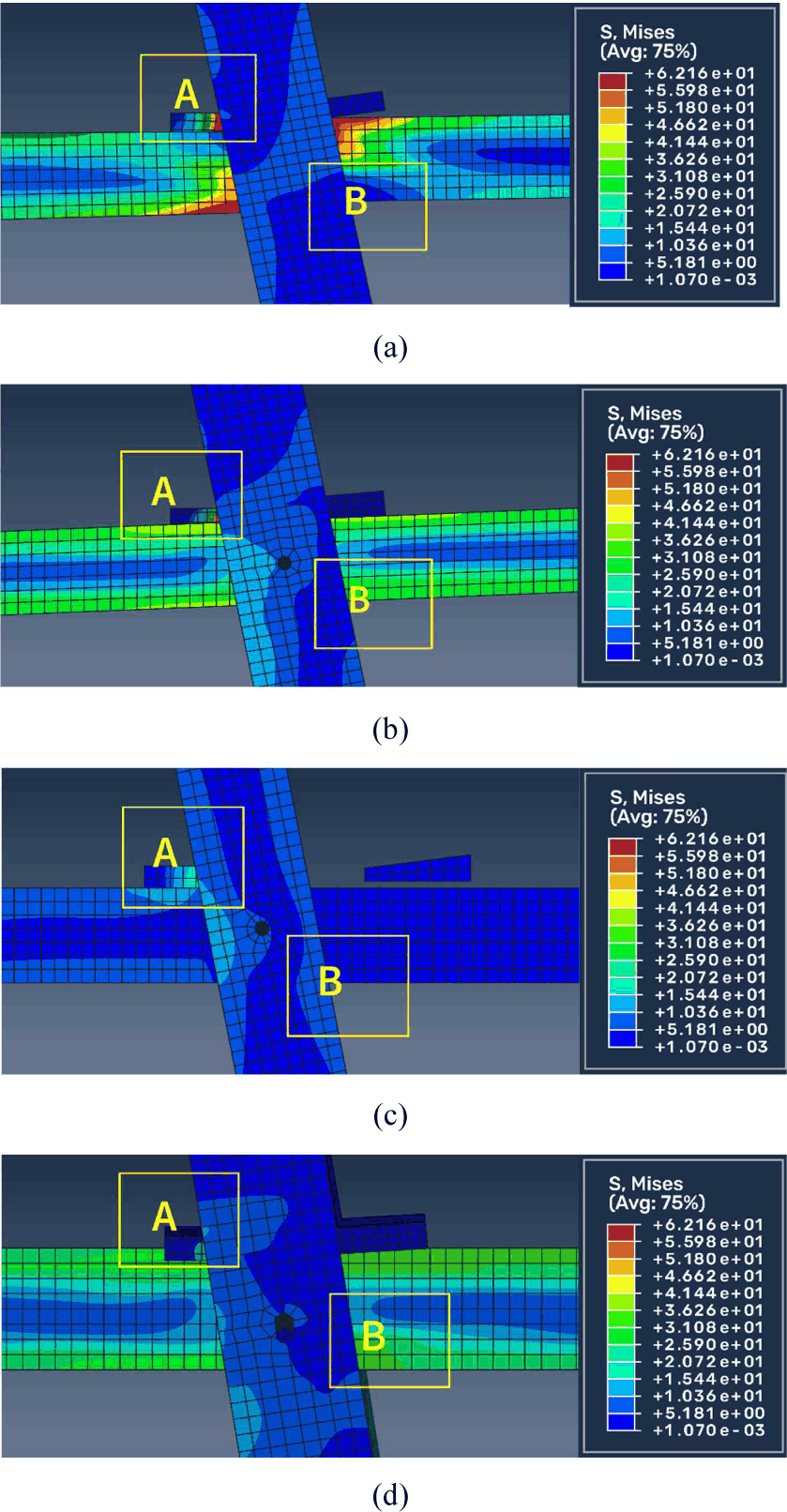
The finite element simulations, conducted in ABAQUS, showed strong correlation with the experimental observations. For both methods, the stress concentrations were primarily located in the wedge region, as illustrated in Fig. 12. The modified T-type exhibited the lowest maximum compressive stress at the wedge (22 MPa), while the Potanje-, P-, and modified D-types reached peak stresses of approximately 62 MPa.
The lateral load–displacement responses summarized in Table 6 further support these results. Although Potanje- and P-type connections reached higher peak lateral loads, they experienced faster degradation in the load-carrying capacity during repeated cycles. The modified D- and T-types produced lower peak loads but exhibited better displacement control and maintained their energy dissipation capacity.
The observed damage patterns at the column–wedge (Area A) and beam–column (Area B) interfaces (Fig. 13) were generally consistent between experimental testing and numerical simulation, confirming the validity of the modelling method. The differences between the experimental monotonic and numerical curves were recorded and attributed to the pinching effects observed during cyclic testing.
The superior cyclic performance of the modified D- and T-type connections was primarily attributed to the interaction between the wedges and dowels. Specifically, the dowels effectively restricted beam sliding and reduced excessive slip at the wedge interface, thereby stabilizing the hysteresis behavior and preserving energy dissipation during repeated loading. In comparison, the Potanje- and P-type connections depended predominantly on the frictional resistance at the wedge interface. As this interface deteriorated during cyclic loading, pinching became increasingly pronounced, resulting in a progressive loss of energy dissipation capacity and declining EVDR values. These results are consistent with those reported by Tanahashi et al. (2014) and Yeo et al. (2016).
Although the Potanje- and P-type connections achieved higher peak strengths, the modified D- and T-type connections provided significantly higher ductility and damping performance. Specifically, the modified T-type maintained stable EVDR values and exhibited the highest ductility, suggesting its superior suitability for seismically resistant timber structures. These results demonstrate that peak strength alone is insufficient for evaluating the seismic performance, suggesting the importance of the deformation capacity and stable hysteretic behavior as essential design parameters.
A previous study by Maeno et al. (2004) and Tanahashi et al. (2014) reported that traditional wedge connections function as friction-based dampers, owing to the bearing stresses induced during installation. The results demonstrated that the incorporation of dowels into wedge-based systems significantly improved deformation control and cyclic stability. The dominance of column displacement in the overall deformation response showed that the beam–column joint rotation was the primary mechanism controlling the global structural behavior. Within the tested rotation range, the observed deformations were mainly associated with shear mechanisms and progressive contact at the joint interface rather than with flexural deformation or rotation of the beam as an individual structural element.
The limited contribution of beam deformation to global rotation suggests that beam rotation plays a secondary role. Consequently, in a first-order analysis of the global response of beam–column joints, beam rotation can be considered negligible without significantly affecting the interpretation of the governing deformation mechanisms. These results provide a robust mechanical basis for simplifying the analytical models of traditional timber joints by emphasizing joint rotational behavior as a key parameter governing seismic response.
The improved performance of the modified D- and T-type connections suggests that these systems provide a practical and sustainable alternative for earthquake-resistant timber construction without relying on modern mechanical fasteners. The results demonstrate that traditional joinery systems can be adapted to satisfy modern seismic requirements, particularly in regions prone to strong ground motions. Moreover, the findings of the present study demonstrate the potential of timber as a sustainable structural material for seismic applications, supporting environmentally responsible building practices.
The differences between the experimental and numerical results are primarily related to the pinching phenomenon caused by nonlinear friction degradation and partial contact during cyclic loading, which cannot be fully represented as an ideal contact in the finite element model. Therefore, the numerical formulations require further refinement by incorporating nonlinear friction and contact conditions. Future studies should focus on shaking-table tests to validate these results under realistic earthquake loading conditions. Additionally, long-term studies examining the impact of environmental factors, such as moisture and temperature, on the performance of these connections will enable a more comprehensive understanding of their durability and reliability.
4. CONCLUSIONS
In conclusion, this study demonstrates that the modified D- and T-type connections provide superior ductility and EVDR compared to those of the traditional Potanje- and P-type connections. The modified connections exhibited a superior performance under cyclic loading by maintaining stable damping resistance and energy absorption, which are essential for earthquake-resistant designs in timber structures. Although wedge remains the critical component responsible for energy dissipation and damage initiation, dowels enhance the performance by preventing excessive beam displacement. Among all connections, the modified T-type exhibited superior performance owing to its high ductility and consistent energy dissipation capabilities, making it suitable for seismic retrofitting and new construction in earthquake-prone regions. Although the Potanje- and P-type connections provide a higher peak strength, their effectiveness is reduced over multiple cycles owing to sliding and frictional degradation, which decreases their ability to dissipate energy. This study contributes to the development of sustainable earthquake-resistant solutions by demonstrating that reinforced traditional timber connections can provide superior seismic performance without relying on modern mechanical fasteners. The results support the integration of traditional materials and construction methods into modern seismic designs, contributing to a resilient infrastructure in seismic regions.

