

1. INTRODUCTION
Wood is among the most widely used raw materials for furniture compared to rattan, bamboo, metal, and plastic. The Ministry of Industry of Indonesia (2017) reported that almost 80% of all furniture products are produced from wood. In 2023, wood production in Indonesia reached 59.74 million m3 (Directorate General of Sustainable Forest Management, 2023). The country timber production is dominated by light-colored wood species, which account for around 89% of total production. Siregar and Adi (2021) reported that light-colored wood species such as pine (Pinus merkusii) and rubber (Hevea brasiliensis) are in high demand because the colors are considered suitable for furniture with a minimalist modern design.
Rubber and pine woods are potential commodities in a plantation forest. In the last decade, specifically 2013–2023, the area of rubber wood plantation has increased with an average growth of 0.73% per year. The total area in Indonesia reached 3.82 million hectares in 2023 (Ministry of Agriculture of Indonesia, 2023). In general, these woods have bright color characteristics with good mechanical strength, suitable for use as raw materials for furniture products. Rubber and pine woods are classified as strength classes II and III but durability class V (not durable; Sipahutar et al., 2015; Widiyanto and Siarudin, 2016). Wood with a low durability class is susceptible to attacks by wood-destroying organisms, resulting in a short service life.
The tropical climate in Indonesia is challenging to protect rubber wood from staining fungi (Nandika et al., 2021). Sofiaturizkiyah and Priadi (2023) reported that the rate of blue stain attack on rubber and pine wood was three times higher than that of gmelina. However, wood discoloration is not only caused by blue stain fungi. Several pigmented filamentous fungi, including particular mold species such as Aspergillus and Penicillium, are also capable of producing visible staining on wood surfaces through the accumulation of melanins and other dark pigments. Stains due to fungi attack reduce the wood quality as a raw material, thereby impacting the economic value. Salman (2020) estimated that the loss of the Indonesian timber industry due to the attack of staining fungi on rubber wood reached 220 billion rupiah per year. Therefore, modification technology is needed to improve the quality of wood.
Preservation can protect wood from degrading organisms and extend the service life. Boric acid and borax are known to effectively protect wood from fungi and insects (Barly et al., 2011). The boron preservatives can be applied with a pressure process, which are odorless, not corrosive to metals, and do not change the color of wood (Abdurrahim, 2008).
Heat treatment in chemical preservation improves the fixation of curing agents and enhances preservation effectiveness (Salman et al., 2017). This technique, conducted using high temperature, is one of the environmentally friendly wood modification approaches (Ates et al., 2009). Heat treatment improves the natural properties of wood, such as dimensional stability and resistance to wood-degrading organisms (Todorović et al., 2012). Suhailiah (2019) reported that heat treatment can improve wood resistance to fungi. Despite extensive reports on the individual effects of boron-based preservatives and heat treatment on wood durability, investigations on the combined application remain scarce. Previous studies report that the combined application of boron compounds and heat treatment significantly enhances wood resistance and fixes boron more effectively by integrating thermal modification with chemical preservation (Kartal et al., 2007, 2008). This study contributes new value by addressing a gap in existing literature, as previous investigations have not systematically evaluated how BAE impregnation interacts with heat treatment to influence the resistance of rubber wood and pine to staining fungi. Therefore, this study aims to analyze the characteristics of staining fungi attack, focusing on color change and microscopic structure, as well as to evaluate the effect of BAE and heating treatments on the dimensional stability and intensity of the staining fungi attack.
2. MATERIALS and METHODS
Pine (P. merkusii) and rubber (H. brasiliensis) logs with a diameter of 30 cm were obtained from Ciampea, Bogor, West Java. The logs were cut into lumber with a thickness of 3 cm, followed by drying in a kiln-dryer at 40°C to about 12% moisture content (MC). The boards were cut into some sample sizes (Table 1).
The impregnation process was carried out using a 5% BAE solution, which was prepared from a mixture of boric acid (H3BO3) and borax (Na2B4O7.10H2O) at a ratio of 1.54:1 (w/w; Memed et al., 1992). Air-dried wood samples were placed in an impregnation chamber and subjected to a pressure of 7 kg.cm–2 for 4 hours. Following impregnation, the specimens were oven-dried at 60°C until the MC reached below 12%. Retention (R) was determined by measuring the weight and dimensions of the test samples with Formula (1).
Heat treatment was carried out after the impregnation process using an oven with temperature variations of 60°C, 120°C, and 180°C for 4 hours. The 60°C heating applied during the drying step was not considered a heat-treatment process. It served solely as a conditioning step to ensure air-dry moisture conditions before testing. Therefore, the non-boron sample conditioned at 60°C was used as the baseline control for comparison with the treated groups.
Where, R = retention (kg m–3), Bo = weight of test sample before treatment (kg), B1 = weight of test sample after treatment (kg), V = volume of test sample (m3), K = concentration of BAE solution (%).
The tests on wood physical properties included MC, density, and dimensional stability. The sample size was 2 cm × 2 cm × 2 cm, and the test method referred to BS 373:1957 (British Standards Institution, 1957). MC was measured by weighing the samples before and after being dried in an oven at 103 ± 2°C, until a constant weight was reached, followed by calculation using Formula (2). The wood density was determined from the ratio of mass and volume of air-dried wood [Formula (3)]. The dimensional stability test referred to the method of Rowell and Ellis (1978), by immersing the samples in water for 24 hours. The dimensions of the samples were measured before and after water immersion. The samples were then dried at 103 ± 2°C until a constant weight was reached to determine the oven-dry mass. Dimensional stability was calculated based on the parameters of volume swelling (SV) and anti-swelling efficiency (ASE), which were used in Formulas (4) and (5).
Where, MC = moisture content (%), ρ = density (g cm–3), W1 = air-dried weight of the sample (g), W0 = oven-dried weight of the sample (g), V = air-dried volume (cm3), Vw = wet volume after 24 hours immersion (g), Vd = dry volume at 103 ± 2°C before immersion (g), SVu = volume swelling value of untreated test sample (%), SVt = volume swelling value of treated test sample (%).
Aspergillus brevipes and Aspergillus niger used in this test were isolated from pine and rubber woods in an above-ground field test at IPB University area. The samples were tested on MEA media with 0.25 mL of spore suspension on the surface of the media. It was then incubated for 3 weeks at 28 ± 2°C and 74.6 ± 5% relative humidity. The level of fungi attack was observed by measuring the staining area on the test samples in the third week. The percentage of staining area was calculated using Formula (6).
Staining fungi attack intensity (%) =
Wood discoloration testing was conducted by measuring wood color values with the CIELab system developed by the Commission Internationale de l’Eclairage (CIE) using the parameters L* (brightness), a* (red-green), and b* (yellow-blue; Krisdianto, 2013; Ozgenc et al., 2012), using a Precise Color Reader WR-10 colorimeter. Discoloration was measured after infecting wood with staining fungi. Changes in wood color were measured at the same point before and after testing the intensity of the blue stain attack. The change in wood color was compared to the initial value, using Formula (7).
Where, ΔE = color change, ΔL = brightness difference, Δa = red-green difference, Δb = yellow-blue difference.
Ultramicroscopic analysis was conducted to observe the distribution of staining fungi hyphae, while changes in the microscopic structure of wood were examined using a Scanning Electron Microscope (JEOL JSM 6510-L-A SEM, JEOL, Tokyo, Japan). The analysis was performed on representative samples, including those with the highest fungi attack, to observe hyphal penetration, and treated samples to assess structural changes and confirm the absence of fungi hyphae. The test sample measured 0.5 cm × 0.5 cm × 0.5 cm, specifically in the cross and radial sections. Scanning electron microscope (SEM) observations were made with magnifications of 500 × and 1,000 ×.
The effects of BAE and heat treatment on MC, density, ASE, intensity of fungi attack, and color change were analyzed using a factorial completely randomized design with three factors. Specifically, factor A was wood species (pine or rubber), B was the impregnants (with boron or without boron), and C was the heat treatment temperature (60°C, 120°C, or 180°C), with five replications for each treatment. When the analysis of variance (ANOVA) showed a significant effect at a 95% confidence interval, the Duncan test was carried out. Data processing used IBM Statistical Product and Service Solution (SPSS; IBM, Armonk, NY, USA).
3. RESULTS and DISCUSSION
The retention of preservatives in wood is an important indicator in the preservation process. The BAE retention values in pine and rubber woods were not significantly different, with values of 18.47 kg m–3 and 17.73 kg m–3, respectively. These values fulfilled the minimum retention standard based on SNI 01-5010-1-1999, which were for interior (8.2 kg m–3) and exterior (11.3 kg m–3). Larasati and Sulistyo (2014) stated that a boric acid retention value of 8 kg m–3 was sufficient to prevent termites and fungi in tropical countries.
Lee et al. (2024) reported that the retention of boron preservatives in red meranti wood ranged from 8–16 kg m–3. Priadi et al. (2023) reported a retention value of 18 kg m–3 for a 5% boron compound in samama wood. In manii wood, boric acid retention reached 15.2 kg m–3 with a 7 atm pressure preservation method for 4 hours and 30 kg m–3 with a 10 atm method for 6 hours (Istriana and Priadi, 2021). Meanwhile, Barly and Lelana (2010) reported that the retention of 5% boron compound in pine wood reached 15.90 kg m–3.
The ANOVA analysis shows a significant interaction between wood type and BAE treatment, with a p-value < 0.05. The MC of rubber wood treated with BAE showed a significant decrease compared to the untreated one, although the difference was insignificant. Liebert (2008) stated that boric acid is a Lewis acid capable of interacting with polysaccharides. Boron compounds applied to wood can fill the voids in the wood structure and bind with hydroxyl groups to form borate ester bonds (Jebrane and Heinmaa, 2016; Schroeder, 1981; Stepina et al., 2023). The formation of bonds between boron compounds and polysaccharides reduces the number of free hydroxyl groups that play a role in water binding, thereby increasing the resistance to moisture. The MC values of pine and rubber wood after treatment are presented in Fig. 1.
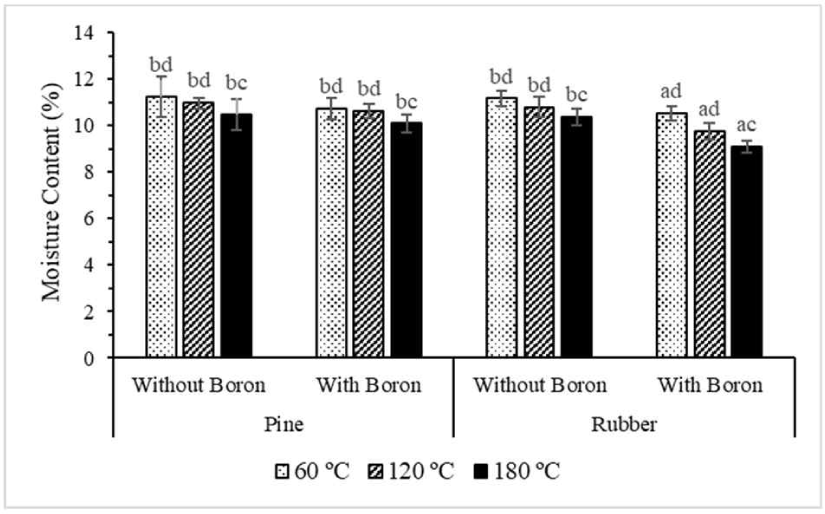
The average MC ranged from 9.1% to 11.2%, meeting the Indonesian national standard (SNI 0608:2017), stipulating that the MC of wood used as raw material for furniture must not exceed 14%. Both pine and rubber showed a decrease in MC as the heating temperature increased. Heating at 180°C resulted in a significantly lower MC of up to 8% compared to 60°C. Although heating at 120°C led to a lower MC than at 60°C, the difference was insignificant. High heating temperatures cause more bound water in the cell walls to escape, affecting the wood water content. Kim et al. (2018) added that heat treatment at temperatures of 160°C, 180°C, 200°C, and 220°C for 2 hours can increase the crystallinity of Royal Paulownia wood. This increase in crystallinity causes the wood cell wall structure to become denser and reduces the proportion of cell cavities, resulting in a decrease in the water absorption capacity compared to the control wood (Darmawan et al., 2017). The results are reinforced by Li et al. (2011), who found that an increase in heating temperature is inversely proportional to the MC in wood. The higher the temperature, the lower the MC of the wood.
The average density of pine wood ranged from 0.61 to 0.69 g cm–3, with the highest density found in the boron treatment at 180°C and the lowest in the non-boron treatment at 180°C. Meanwhile, the density of rubber wood ranged from 0.61 to 0.71 g cm–3, with the highest density found in the boron treatment at 180°C and the lowest in the non-boron treatment at 180°C. The density of pine and rubber wood in each treatment is shown in Fig. 2.
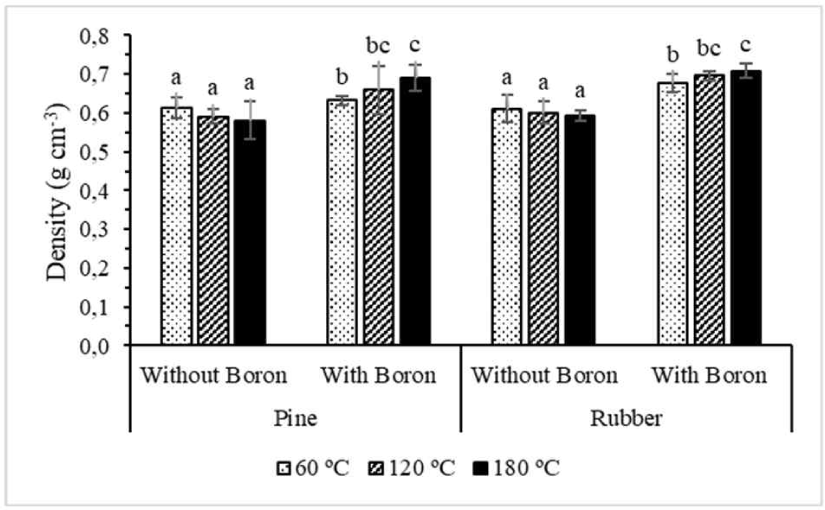
Statistical analysis using the Duncan test (Table 2) confirmed that wood treated with BAE at 180°C had a significantly higher density compared to wood without BAE at the same temperature. Wood treated with boron showed an increase in density as the heating temperature increased. In this study, the density increase ranged from approximately 3% to 13%, with the highest value observed in the combined boron impregnation and heating at 180°C. The BAE treatment at 180°C increased wood density by approximately 13% compared to the untreated control (without BAE at 60°C).
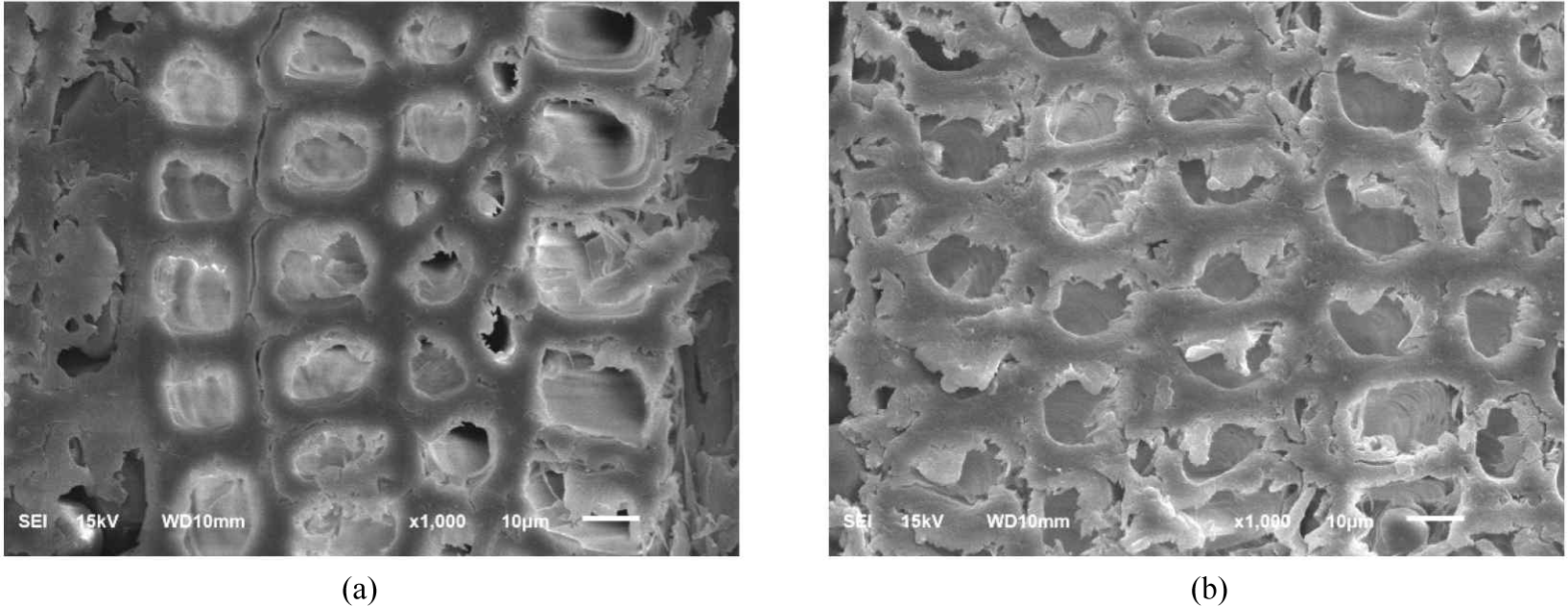
This increase in density reflects the combined effects of mass gain associated with boron retention and volumetric responses rather than heat treatment alone. Boron compounds occupying wood cell cavities contribute additional mass to the wood structure, while heating at 180°C may promote dimensional stabilization by limiting excessive volumetric expansion through partial consolidation of the cell wall matrix. Consequently, the concurrent rise in mass and relative stabilization of volume leads to a net increase in apparent density. Boric acid heated above 170°C experiences dehydration and transforms into metaboric acid (HBO2), which has a higher density (Harsanti, 2010), further contributing to the observed trend. Density is commonly related to wood strength and compactness, with higher density generally showing more potent material properties (Supriadi et al., 2020). These results are consistent with the ultramicroscopic observations (Fig. 3), where wood treated with boron at 180°C showed clear cell-lumen filling and tissue densification, supporting the measured increase in density without implying a single dominant mechanism.
Filling the cavities in wood with impregnating agents can increase density. Several studies, including Percin et al. (2015), as well as other investigations on beech wood impregnated with boron and quebracho compounds by Fidan and Adanur (2019), reported an increase in density along with a rise in the concentration of boron compounds.
Both boron treatment and heating produced positive ASE values in pine and rubber wood. This shows that dimensional stability improved in pine and rubber wood with boron treatment and heating. Heating at 180°C produced a significantly higher ASE value than at 120°C. BAE treatment also significantly increased the ASE value of wood. The combination of BAE treatment and heating at 180°C produced a significantly higher ASE value than BAE with other heating treatments. The ASE values of pine and rubber wood after treatment are shown in Fig. 4.
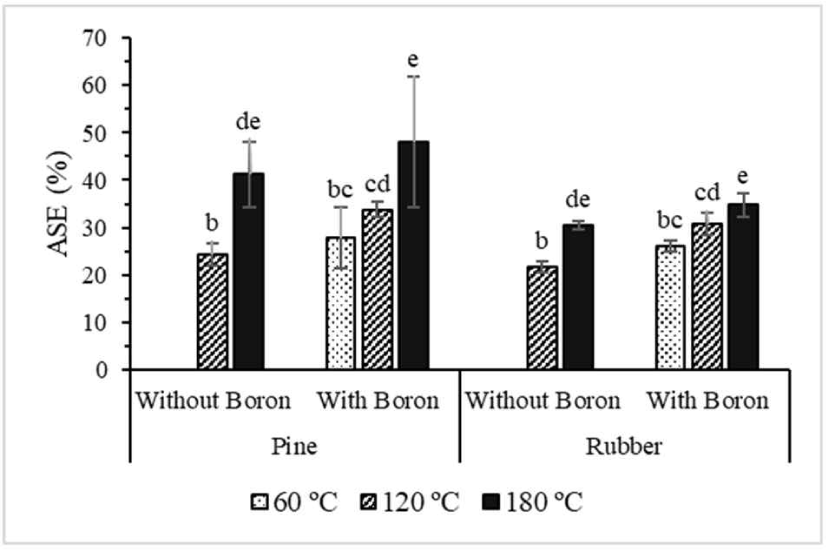
The ASE value of pine wood heated at 180°C was significantly higher than that of rubber wood heated at the same temperature. This shows that heat treatment at 180°C is more effective in increasing dimensional stability in pine wood than in rubber wood. The higher the ASE value, the greater the ability of wood to resist volume swelling.
Wood treated with boron showed higher ASE values than untreated wood. Boron impregnation contributes to dimensional stability by forming deposits within the cell structure, reducing moisture accessibility, which in turn supports higher ASE values in boron-treated wood compared to an untreated sample. The highest ASE values were obtained in pine wood treated with boron and heated at 180°C. This occurs due to the synergistic effect of heating on the structure of the cell walls and boric acid, which improves the dimensional stability of the wood. According to Dwynda and Zainul (2018), at 100°C–170°C heating temperatures, boric acid will dehydrate into metaboric acid, which is crystalline and has a higher density than boric acid.
Heat treatment can improve the dimensional stability of wood by reducing hydroxyl groups and increasing crystallinity. Fabiyi and Ogunleye (2015) reported that heat treatment of obeche wood (Triplochiton scleroxylon) decreased the number of hydroxyl groups compared to control wood. Vybohová et al. (2018) also stated that heating ash wood (Fraxinus excelsior L.) at 160°C, 180°C, and 200°C increased cellulose crystallinity. The increase in ASE value with rising heating temperature is consistent with the study by Priadi et al. (2019) on jabon, sengon, and mangium wood, which also showed an increase in ASE value with higher heating temperature.
Heat treatment is essential for improving dimensional stability and enhancing the fixation of boron within wood. When wood is exposed to elevated temperatures, it experiences dehydration and chemical changes that allow boron compounds to interact with hydroxyl groups in the cell wall polymers. This thermal activation leads to the formation of stable borate-ester linkages with cellulose and hemicellulose, significantly reducing the mobility and leachability of boron. Kartal et al. (2007, 2008) showed that applying heat treatment after boron impregnation significantly reduces boron leaching and enhances fixation through chemical bonding. The synergistic effect of boron impregnation and thermal modification contributes to improved dimensional stability and more effective boron fixation through thermally induced chemical bonding with cell wall components. This explains the higher ASE values observed in boron-treated wood exposed to high-temperature heating.
Observations of the area of coloring caused by A. brevipes and A. niger fungi attacks on pine and rubber woods over three weeks are shown in Fig. 5. BAE treatment on pine and rubber wood significantly reduced the intensity of A. brevipes fungi attack and even prevented A. brevipes attack until the third week of incubation. In rubber wood without BAE treatment, heating at 120°C and 180°C did not reduce the A. brevipes attack. Conversely, in pine wood without BAE, heating at 180°C significantly reduced the intensity of A. brevipes attacks compared to 120°C. Heating at 120°C also significantly reduced A. brevipes attacks on pine wood.
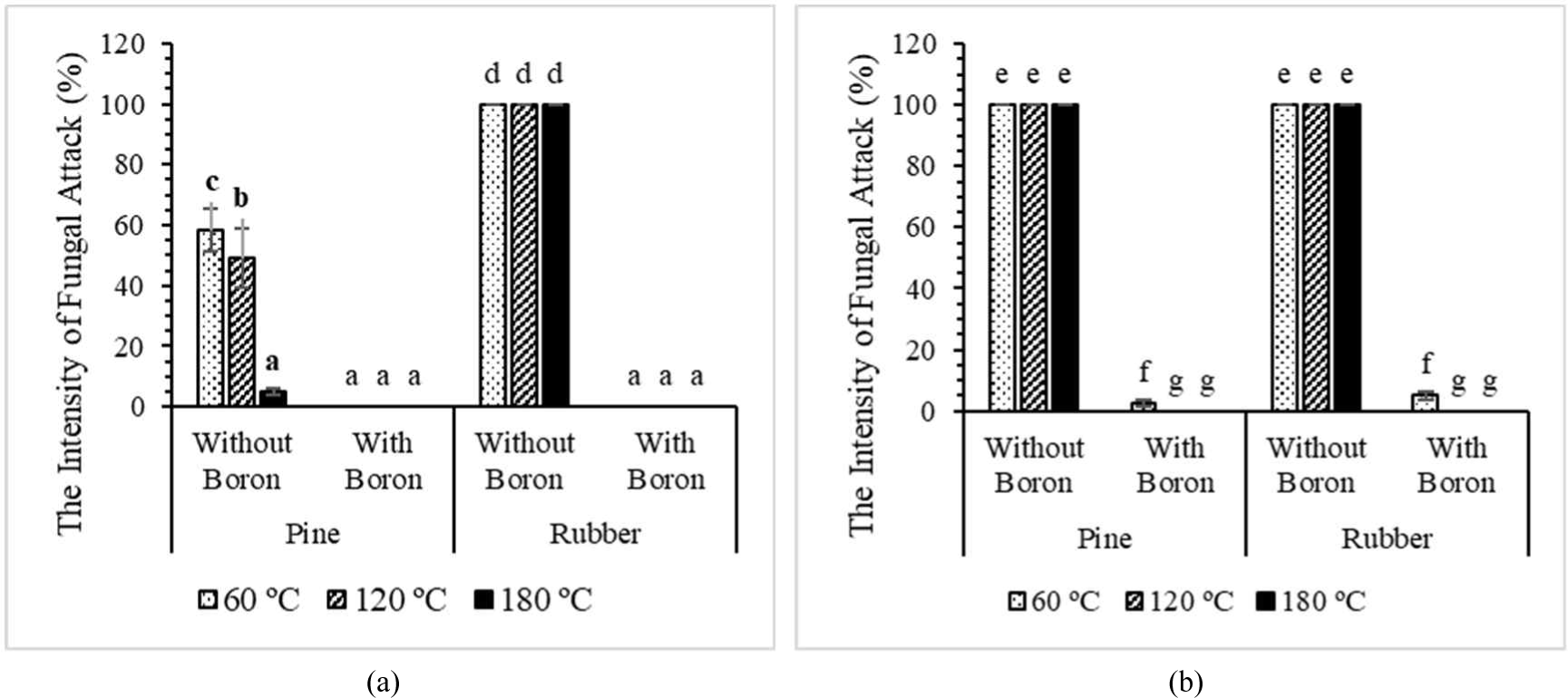
The intensity of A. niger attack on wood with BAE was significantly lower than on untreated wood. Heating at 180°C was unable to reduce A. niger attack. However, the combination of BAE treatment with heating at 120°C or 180°C significantly reduced attack compared to the combination of BAE treatment and heating at 60°C. Wood treated with BAE and heated at 180°C showed complete resistance to fungi colonization, with no detectable fungi growth (0% infection) by either A. niger or A. brevipes. This result shows that the combination of BAE treatment and high-temperature heating provides a synergistic protective effect, resulting in complete inhibition of staining fungi activity.
Boron treatment of pine and rubber wood has been proven effective in preventing fungi attack by A. brevipes and A. niger. Barly et al. (2011) reported that boron compounds effectively inhibit the growth of staining fungi and other wood-destroying organisms, such as termites and drywood termites. Heat treatment of wood reduces MC and hygroscopic properties (Esteves and Pereira, 2009). Therefore, when wood is in a high-humidity environment, it can still absorb water vapor or free water into the cell structure. Moisture and water availability in wood are important factors that significantly influence fungi growth and activity (Benítez et al., 2021). This implies that heat treatment is insufficient to protect against fungi attacks completely.
Color change measurements were carried out in two stages. The first measurement was conducted to determine color changes resulting from impregnation and heating treatments. The second measurement was conducted to determine color changes resulting from fungi attack. Fig. 6 shows the results of changes in the L*a*b* color parameters of wood after combined treatment with BAE impregnation and heating.
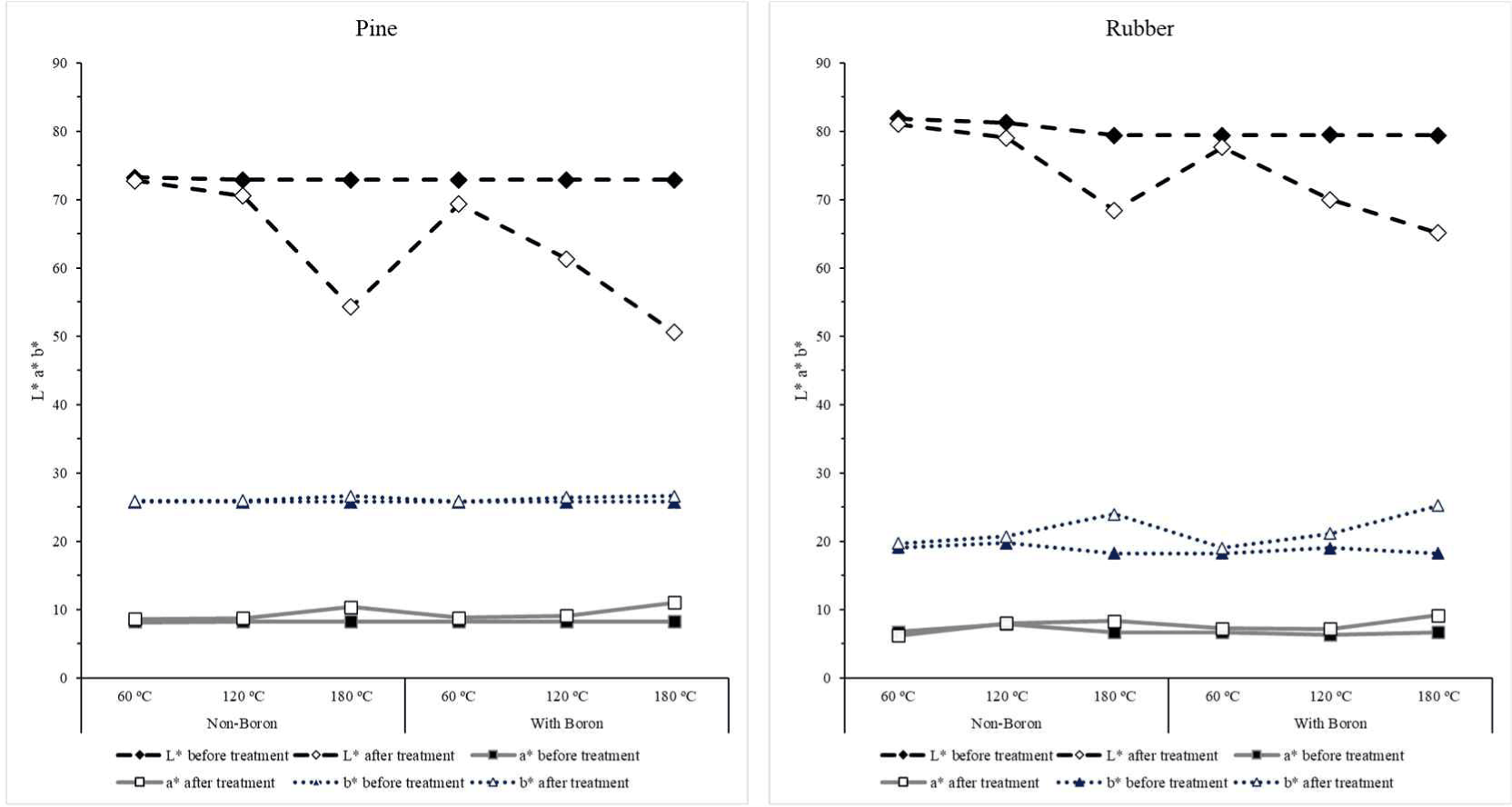
There was a significant decrease in brightness in the test samples treated at 180°C, both with and without boron treatment. Changes in brightness started to appear at 120°C and increased at 180°C. The highest decrease in brightness was observed in pine wood treated with boron at 180°C. The L* value decreased as the heating temperature increased, showing that the color of the wood became darker.
Changes in the redness parameter (a*) showed a positive response after combining BAE treatment and heating on pine and rubber wood. Positive values on the a* parameter show a more reddish color than greenish (Karlinasari et al., 2018). The a* value increased with higher heating temperature. The highest increase in a* values for pine and rubber wood occurred in wood treated with BAE and heated at 180°C. Changes in the redness parameter (a*) during heat treatment are closely related to the extractive content in wood (Gierlinger et al., 2004). BAE treatment and heating also resulted in positive changes in the yellowness parameter (b*). This is in line with Karlinasari et al. (2018), who modified the heating of sengon and jabon wood at temperatures of 120°C, 150°C, and 180°C for 2 and 6 hours, resulting in a decrease in the L parameter value and an increase in the a* and b* parameter values.
Fig. 7 shows the total color change (ΔE) in pine and rubber wood under various treatments. The color change due to heating at 120°C in both pine wood and rubber was significantly greater than the 60°C heat treatment, but was also significantly lower than the 180°C heat treatment. In addition, the color change in pine wood heated at 120°C and 180°C resulted in a significantly higher color change than that of rubber wood.
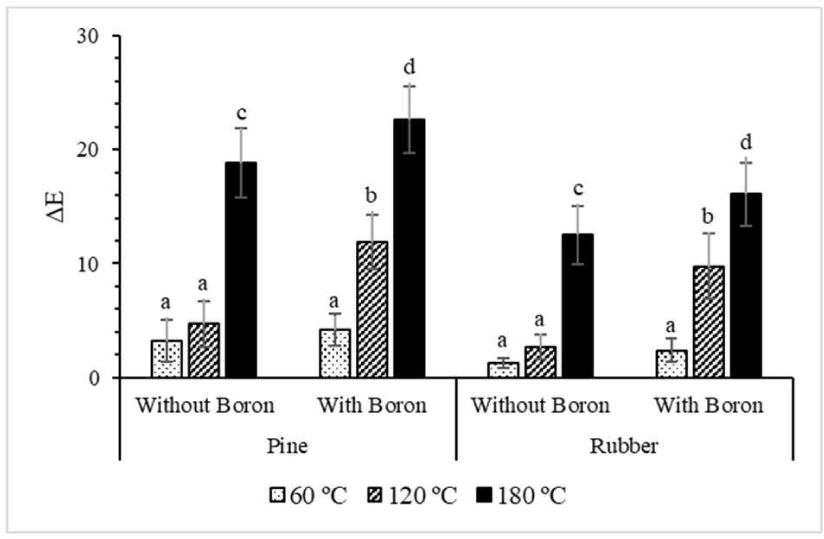
The difference in the intensity of color change in pine and rubber wood due to heating can be explained by variations in chemical composition. Pine wood contains many resin extractives, including terpenes, fatty acids, and phenolic compounds (Builes et al., 2022), while rubber wood has a lower extractive content (Ali et al., 2023). These extractives contribute to color change during thermal treatment. In addition, the hemicellulose content is higher in softwood such as pine (22%–40%) than in hardwood, including rubber (17%–38%) (Rowell, 2012; Tarasov et al., 2018). Hemicellulose, particularly galactoglucan, which is dominant in softwood, has low thermal stability and starts to degrade at 100°C (Hill et al., 2021). This degradation process produces derivative compounds, including furfural, hydroxymethylfurfural, and organic acids that act as chromophores, accelerating the formation of dark colors through browning and caramelization reactions (Sundqvist and Morén, 2002). The higher hemicellulose content in pine wood increases the potential for chromophore compound formation, resulting in greater color change intensity than rubber wood.
BAE treatment with heating at 60°C and non-boron treatment with heating at 120°C did not differ significantly in producing color changes in wood. On the other hand, heating at 180°C caused significant color changes in wood, both with and without BAE. The most significant color change was recorded in the combination of BAE treatment and heating at 180°C. The highest ΔE value was obtained in pine wood with a combination of BAE treatment and heating at 180°C, which is ten times greater than the color change in pine wood without boron with heating at 60°C.
Referring to the color change classification by Cui et al. (2004), the degree of color change in rubber wood without BAE at 60°C, with BAE at 60°C, and without BAE at 120°C is classified as a slight color change (1.5 < ΔE < 3.0). Significant color changes (6 < ΔE < 12) were visible in rubber wood and pine treated with BAE at a temperature of 120°C. Treatment at a temperature of 180°C with or without BAE resulted in a total color change (ΔE > 12). This shows an increase in color change with higher heating temperature and concentration of boron compounds. Kim et al. (2018) reported that heat treatment at 160°C for 2 hours on Korean red pine wood caused a significant increase in color change (ΔE) with higher heat temperature. The color change in wood due to heat can be attributed to thermal degradation of the components (Salca et al., 2016). Previous studies have reported that the color change in wood is caused by a decrease in hemicellulose content, specifically pentosans (Bekhta and Niemz, 2003; Sandoval-Torres et al., 2010).
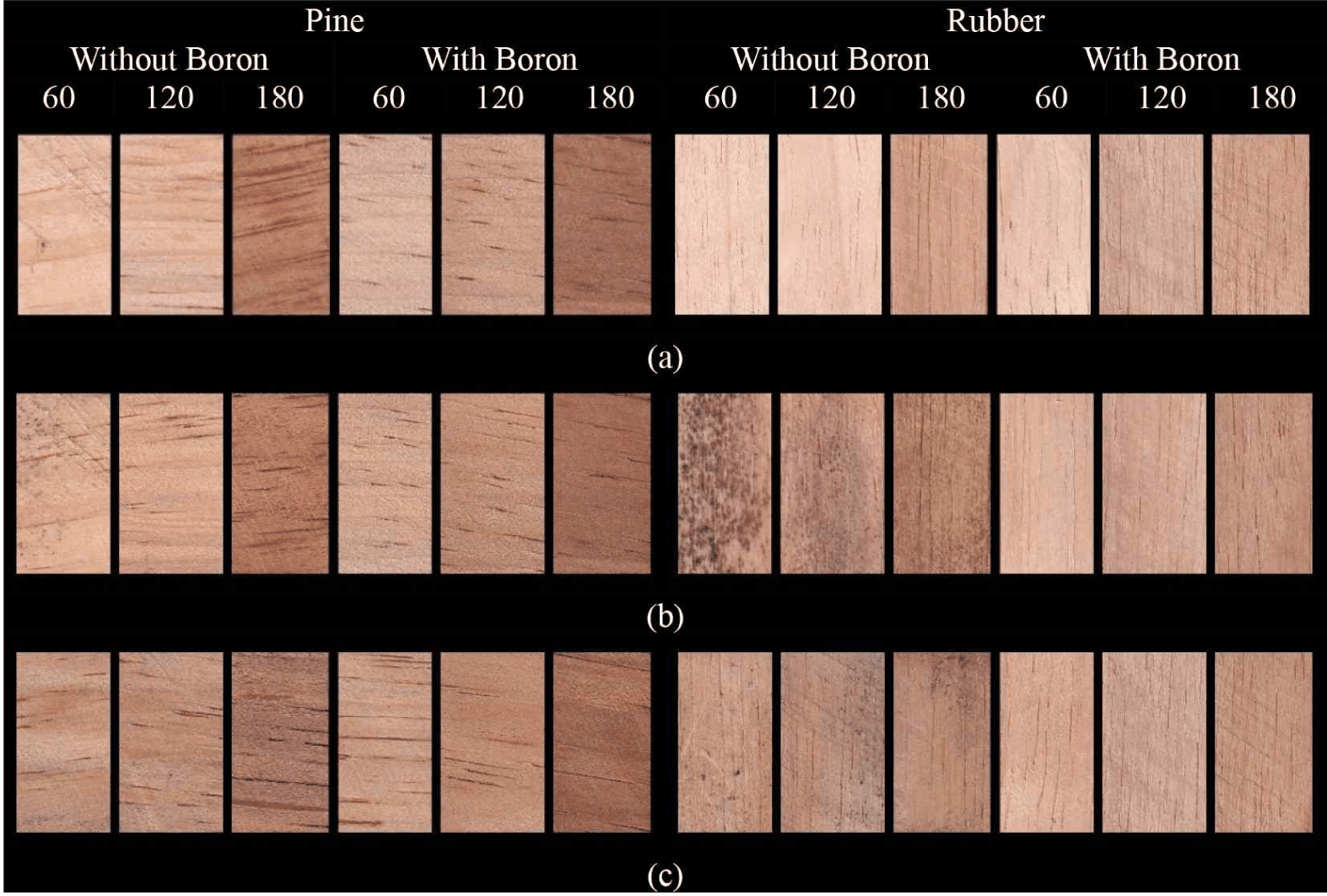
Color change measurement was also conducted to determine the effect of fungi attacks. The results showed that the L* parameter decreased due to the attack of wood-staining fungi (Fig. 8). The decrease in brightness due to fungi attack was more visible in rubber wood at a heating temperature of 60°C, and decreased further at 120°C and 180°C. A. niger caused a greater decrease in brightness in pine wood, while in rubber wood, the most significant color change was caused by A. brevipes. Color changes in wood due to wood-staining fungi result from metabolic activity and biochemical interactions between compounds produced and wood structural components. Some staining fungi produce secondary metabolites such as ceratenolone, which form blue-colored chelates with metal ions, including iron naturally present in wood (Behrendt et al., 1995; Kim, 2005). In addition, pigment-producing fungi also synthesize pigments such as melanin, which are deposited in the cell walls of hyphae, giving infected wood the characteristic color (Valiante et al., 2016). The accumulation of pigments and chemical interactions between fungi metabolites and elements in wood tissue directly contribute to color changes in the substrate. The color of wood after BAE treatment and heating, as well as testing against A. brevipes and A. niger, is shown in Fig. 9.
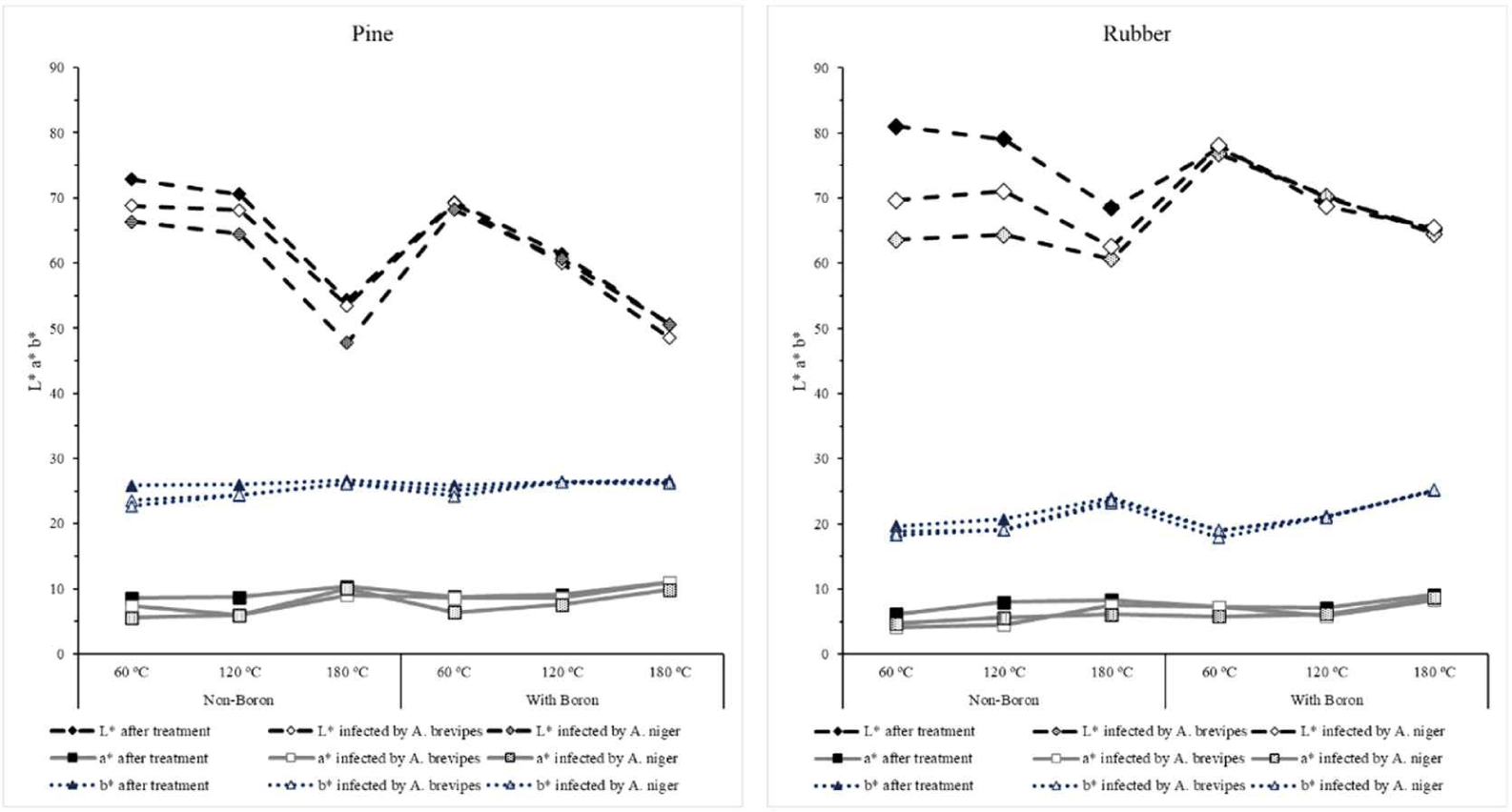
Infection by A. brevipes and A. niger caused a decrease in the color parameters a* and b*. The decrease in a* value was lower in wood treated with BAE than in wood without treatment. The highest decrease in a* value was observed in the sample without BAE at 60°C, while treatment at 120°C and 180°C led to a lower change. The decrease in the a* value shows a shift in color towards green. A similar change was observed in the b* parameter, where the change in the b* value in wood without BAE heated at 60°C was higher than in the 120°C and 180°C treatments. This negative response in the b* value shows a shift in color towards blue. The pattern is consistent with the intensity of fungi attack. Test samples with high fungi attack intensity also experienced a greater decrease in the L*, a*, and b* color parameters. These conditions reflect a color change to a darker shade with a bluish-green tint. The results are consistent with the report by Nandika et al. (2023), showing that an increase in the intensity of Aspergillus chevalieri attack on rubber wood (H. brasiliensis) is directly proportional to the magnitude of the decrease in the L*, a*, and b* color parameters.
Attacks by A. brevipes and A. niger cause the color of pine and rubber wood to become darker, turning blackish gray, as visible in Fig. 10(b) and (c). Color changes due to fungi attacks are less visible in wood treated with BAE than in untreated wood (Fig. 10). The total color change (ΔE) due to fungi attack on pine and rubber wood with BAE ranged from 1.1 to 3.8, with an average classification of slight color change. The low intensity of fungi attack on wood treated with BAE (Fig. 5) resulted in a low color change.
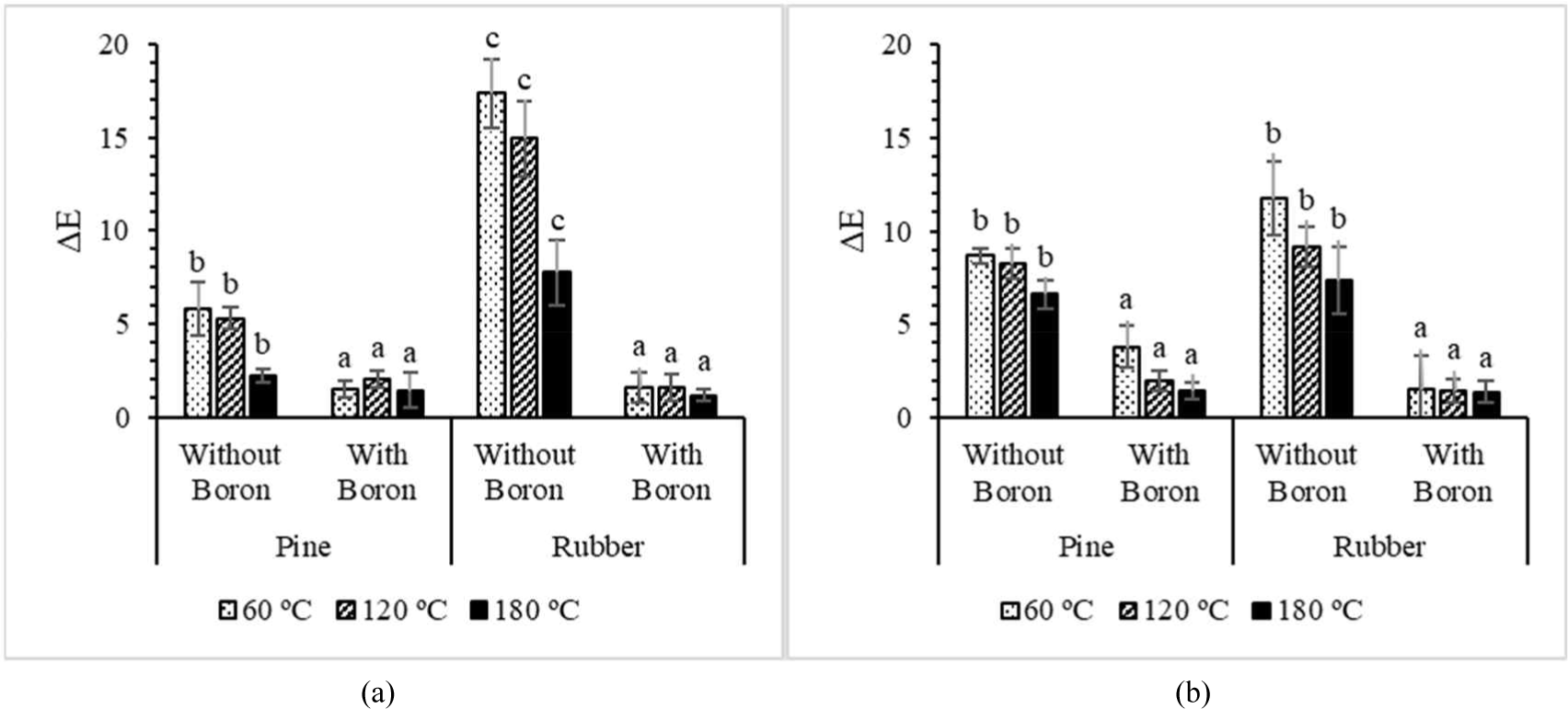
Higher color changes due to fungi attack were found in test samples without BAE treatment, specifically in rubber wood compared to pine. The highest ΔE value occurred in rubber wood without BAE at 60°C due to A. brevipes attack with a total color change classification (ΔE > 12). The intensity of the A. brevipes attack was also higher in rubber compared to pine, reaching 100% of the wood surface covered by A. brevipes. This reflects a higher level of susceptibility to fungi attack in rubber wood. The high nutrient content in rubber wood, such as starch and simple sugars, is an ideal substrate for fungi growth and metabolism (Kartal et al., 2007). Additionally, rubber wood has low levels of extractive compounds, specifically amyrin (a triterpene) in the latex sap, which is insufficient to inhibit enzymatic activity and pigment biosynthesis by fungi (Gao et al., 2024). In contrast, pine wood contains resin, turpentine, and resinic acid, which are fungitoxic, suppressing fungi colonization and reducing the intensity of discoloration (Hillis, 1984). Herliyana et al. (2011) found that the extractive content in hardwood is lower compared to in softwood. Kebbi-Benkeder et al. (2015) added that among the twelve types of wood studied, the extractive content in softwood was higher than in hardwood, with the main compounds being flavonoids and lignans.
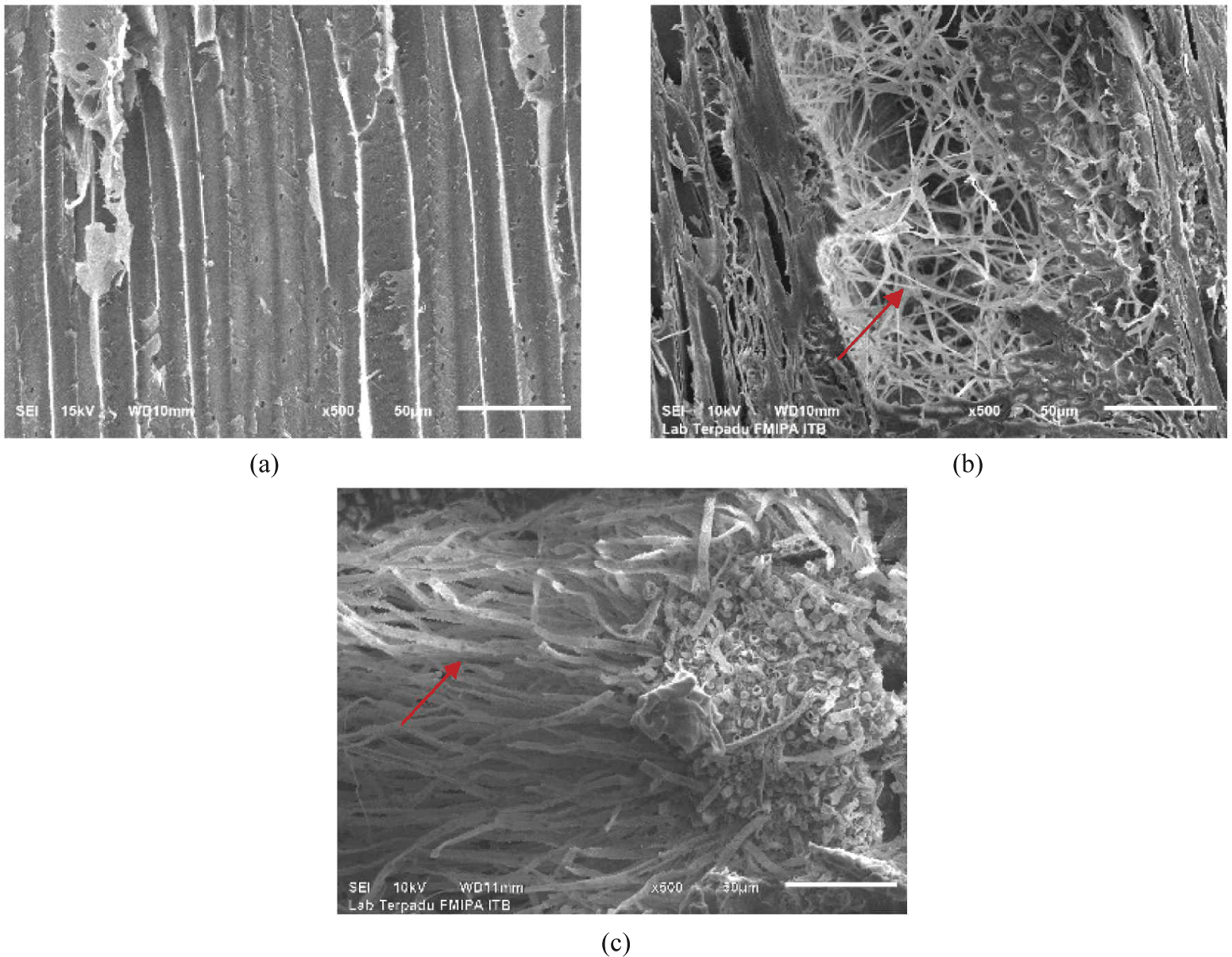
Microscopic analysis showed differences between untreated wood samples and boron-impregnated wood samples. In untreated boron samples, fungi mycelium was observed, showing biological activity of fungi. Fig. 11 shows a comparison of rubber wood without fungi attack (a), A. brevipes attack (b), and A. niger attack (c) on a radial section with 500 × magnification. The red arrows in Fig. 11(b) and (c) show fungi hyphae in the morphological structure of the wood. Both A. brevipes and A. niger are commonly found in the rubber wood vessel cells, using the pits as a medium to penetrate between cells. This reflects the adaptive ability of hyphae in exploring the microscopic structure of wood. Morphologically, the hyphae of A. niger are thicker and more massive than those of A. brevipes.
Previous studies have shown that boron impregnation significantly inhibits the growth and colonization of fungi on lignocellulosic substrates. Boron is used as a fungicide that interferes with the enzymatic metabolism of fungi and inhibits the production of energy needed for growth and reproduction (Bowen and Gauch, 1966; Estevez-Fregoso et al., 2021).
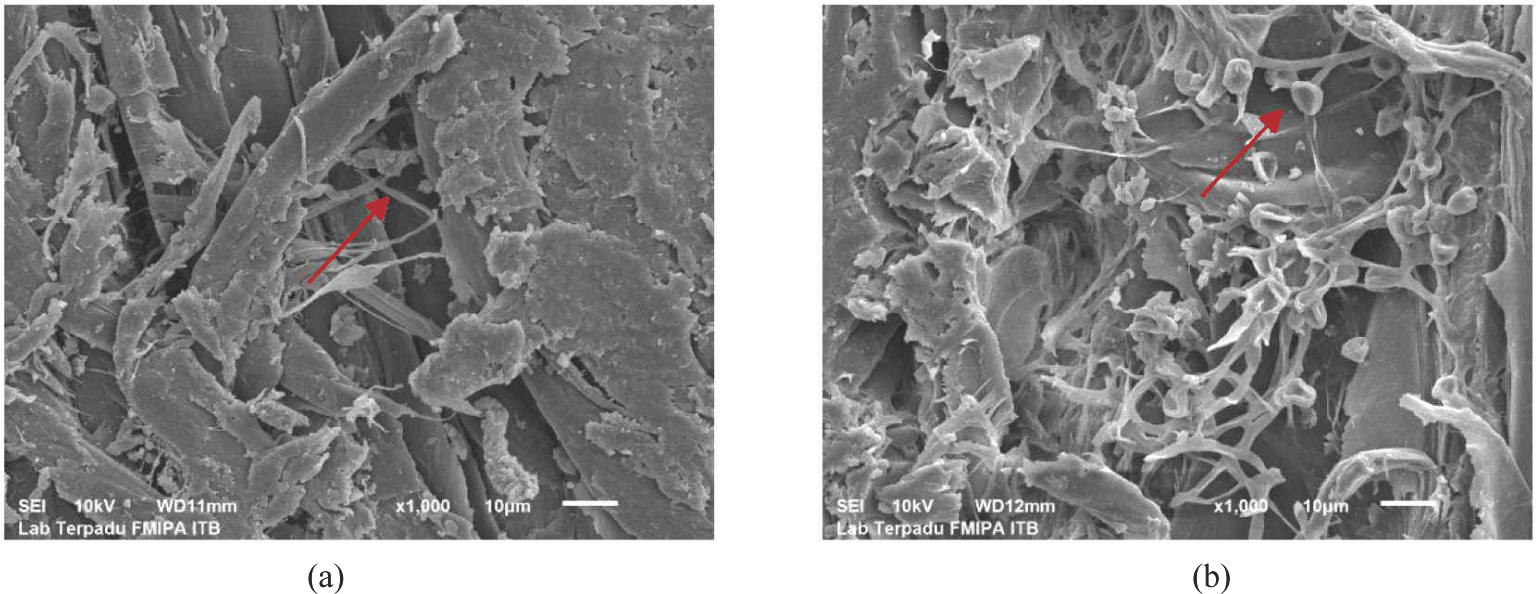
Attacks by A. brevipes (a) and A. niger (b) on untreated pine wood are shown in Fig. 12. The fine filamentous lines were identified as fungi hyphae in the radial section of the wood at 1,000 × magnification. The red arrow in Fig. 12(b) shows the presence of A. niger fungi attack accompanied by spore formation. The presence of these spores and hyphae shows that pine wood is a substrate susceptible to colonization by fungi.
Measurements of fungi attack intensity on pine trees show that increasing the heating temperature can reduce the intensity of A. brevipes attacks. High-temperature heat treatment inhibits fungi hyphae growth by reducing the free water content in wood and altering the chemical composition that supports the growth of microorganisms, such as hemicellulose and simple sugars (Esteves and Pereira, 2009; Mburu et al., 2007). However, this process also has implications for the physical properties of wood, particularly the occurrence of checking or micro-cracks caused by internal pressure due to rapid and extreme water evaporation. Fig. 3 shows the structure of boron-treated rubber wood at 60°C and 180°C in a cross-section magnified 1,000 ×. The deposits observed in the SEM images are interpreted as boron based on the characteristic lumen filling patterns. However, no chemical confirmation, such as EDX analysis, was conducted in this study.
There were no hyphae in wood cells treated with boron at temperatures of 60°C or 180°C. However, the red arrows in Fig. 3(a) and (b) show the presence of microcracks in the cell walls due to the intensive release of water vapor during heating, which exerted mechanical pressure on the cell wall tissue (Hill, 2006).
4. CONCLUSIONS
In conclusion, infection by A. brevipes causes discoloration of wood to a very high degree (ΔE > 12). Both A. brevipes and A. niger attack wood tissue, and in rubber wood, particularly, the fungi attack the vessels, using the pits as a medium to penetrate between cells. The combination of BAE treatment and heating resulted in a significant increase in the density and ASE. This treatment proved effective in increasing the resistance of pine and rubber wood to fungi attack and discoloration due to infection by A. brevipes and A. niger. BAE preservation at 180°C successfully reduced the attacks by A. brevipes and A. niger by up to 100% during a three-week incubation period. This treatment reduced the level of discoloration caused by fungi attacks to up to eight times lower than that of untreated wood.


