

1. INTRODUCTION
Eucalyptus is a plant group widely cultivated by forestry industry sector in Indonesia. This plant, with Acaciamangium, is among the preferred species and has become a principal commodity of Industrial Timber Plantations (HTI), serving as a primary raw material for pulp and paper production (Hardiyanto et al., 2024). The quality of pulp produced by Eucalyptus is better due to long wood fibers (Carrillo-Varela et al., 2019; Ramos et al., 2024). The plants can be used to develop wood and non-wood products. The wood is classified as moderately to highly durable (Class III; Carvalho et al., 2016) and is suitable as a reference material for construction. Certain Eucalyptus leaves can be processed into essential oils useful in preventing the human influenza virus and have potential as an inhibitor of COVID-19 development (Ak Sakallı et al., 2022; Sharma and Kaur, 2021).
Several research have shown that Eucalyptus plants are susceptible to damage caused by pests and disease. In Indonesia, diseases commonly found in Eucalyptus are leaf spot, leaf blight, root rot, stem rot, canker disease, bacterial wilt, and stem canker caused by Mycosphaerella spp., Quambalaria eucalypti (Pérez et al., 2016; Siregar et al., 2020, 2022), Ganoderma spp. (Coetzee et al., 2015; Gafur, 2023) Fusarium spp. (Gafur et al., 2023), Chrysoporthe deuterocubensis (Suzuki et al., 2022), Ralstonia solanacearum (Oliveira et al., 2023; Siregar et al., 2020), and Colletogloeopsis zuluensis, respectively. In several other countries, Eucalyptus plantations are also attacked by stem canker caused by Cryptometrion aestuescens gen. sp. nov. (Gryzenhout et al., 2010), pests such as Chrysophtharta bimaculata (de Aguiar Coelho et al., 2024), the gold beetle Thaumastocoris peregrinus (Dlamini et al., 2019), and more species of herbivorous insects (Paine et al., 2010).
Wanagama Educational Forest is owned by the Faculty of Forestry, Universitas Gadjah Mada, featuring field research facilities that comprise various genetic test plantings of different species. An important Eucalyptus species is a hybrid stand of Eucalyptus pellita × Eucalyptus urophylla. The species has been planted and selected to be a collection of new superior individuals combining the characters from parental genes (Hardiyanto et al., 2024; Nirsatmanto et al., 2022). This hybrid stand creates a new population with better performance compared to the parent species. In particular, E. pellita has been proposed as a primary raw material due to its rapid growth (Lukmandaru et al., 2016). Initial observations on Eucalyptus hybrid stand showed that most of the plants exhibited symptoms of stem canker disease. Symptoms of the disease include swelling of stem, the exudation of liquid, and cracking in advanced stages. Research on the quality of xylem resulting from bark disease in Eucalyptus trees has not been previously conducted.
Detecting deterioration in trees can be analyzed through various methods based on different concepts. For instance, a common method includes striking the tree with a tool to assess the health. This method can help identify decay or cavities in the trunk but tends to be less effective on larger trees with thick bark (Boyce, 1948; McCracken, 1985). X-ray and neutron radiography, computer tomography, and magnetic resonance are methods explored in-depth for examining the internal features of logs and trees. These imaging methods provide a unique method to examine the internal structure, uncovering the hidden structures and characteristics invisible from the outside (Beaulieu and Dutilleul, 2019; Karlinasari et al., 2018; Wei et al., 2011). These methods can provide one- to three-dimensional spatial locations of various defects and internal wood characteristics. However, the application to trees has been limited due to the high costs associated with the use. Another method used is the utilization of stress wave non-destructive testing (NDT; Lin et al., 2016; Wei et al., 2022). The propagation of stress waves in wood is a dynamic process that directly correlates with the physical and mechanical properties of the wood. Typically, stress waves propagate at a faster pace through sound and high-quality wood compared to degraded and low-quality types (Lin and Wu, 2013; Liu and Gao, 2014). An assessment of the internal condition of a tree is conducted with reasonable accuracy by measuring the transmission time of waves through the radial direction of stem (Wang et al., 2004). Stress wave NDT was also used in the wood property evaluation of the progeny material in many species, such as Acacia mangium, Neolamarckia machrophylla, and Ficus variegata (Dharmawati et al., 2024; Haryjanto et al., 2024; Hidayati et al., 2019; Masendra et al., 2023)
Based on the description above, this research aims to determine the level of stem canker disease in hybrid E. pellita×E. urophylla trees planted in Wanagama Forest, Gunungkidul. Furthermore, the quality of xylem affected by the disease will be evaluated using a stress wave NDT device known as stress wave timer. The method includes answering the following questions: (1) What is the level of Stem canker disease in hybrid E. pellita×E. urophylla trees? (2) What is the relationship between the level of stem damage caused by disease and xylem quality in hybrid E.pellita×E.urophylla?
2. MATERIALS and METHODS
This research was conducted in compartment 18 of Wanagama Forest, Gunungkidul, Indonesia, containing a plot planted with hybrid species of E. pellita×E. urophylla. Eucalyptus trees were planted at a distance of 3 × 3 meters, resulting in a total of 536 observed trees. Hybrid plantation was established in 2000, since the trees were 24 years old during the evaluation (Mulawarman et al., 2003).
Observations of plant health were conducted specifically on the sections exhibiting symptoms of damage from stem canker. These assessments followed Forest Health Monitoring Method (Tallent-Halsell, 1994). A comprehensive evaluation was performed on all trees (100% census) to identify the section showing symptoms of canker. Additionally, measurements of symptom severity were taken using a scoring system, as reported in Table 1.
After gathering the data, the first parameter was analyzed using a formula to measure the intensity of bark damage, which assessed the severity of a specific type in the stand (Pratama et al., 2021). The formula for calculating the intensity of the damage is as follows:
DI: damage intensity (%), ni: number of trees with a certain score (tree), vi: score (Table 1), N: total number of observed trees, Z: highest score.
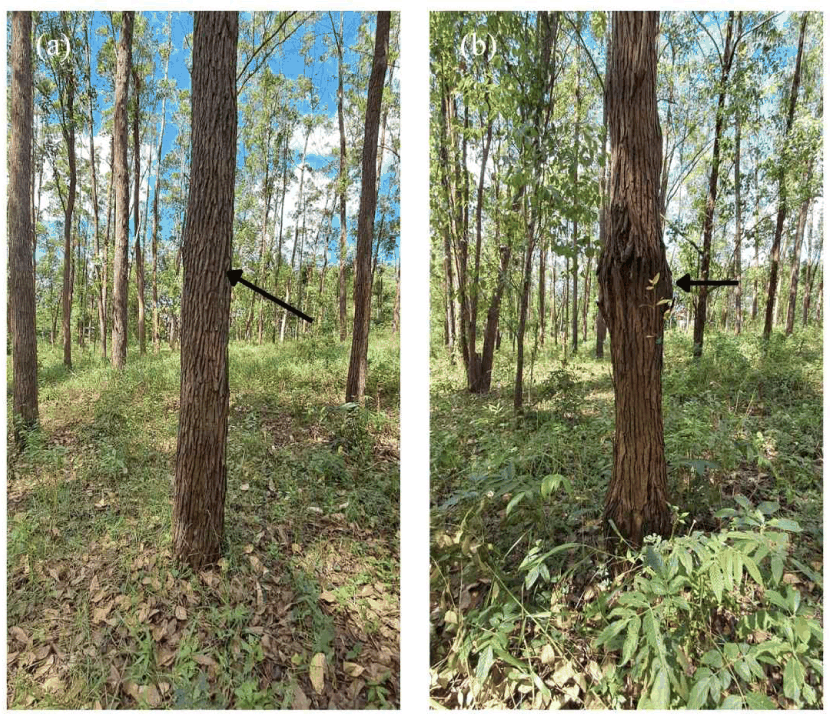
A total of 536 individual trees were selected for diameter measurement using different methods for symptomatic and healthy trees. The first measurement was conducted on the diameter of healthy and diseased trees. For healthy trees, the diameter was measured at breast height (DBH), which was 1.35 m from the base, to obtain the average values and SD of DBH across all healthy individuals [Fig. 1(a)]. Meanwhile, for symptomatic trees, measurements were taken at the infected area [Fig. 1(b)].
Stress wave velocity was assessed by measuring acoustic velocity using a microsecond timer (FAKOPP Microsecond Timer, FAKOPP Enterprise). This tool was equipped with two transducers for transmitting and receiving probes. The starter probe was inserted into tree stem at the infected area, while the receiving probe was driven into the opposite hitting point to connect the accelerometer and detect stress wave propagated perpendicular to the grain (Fig. 2).
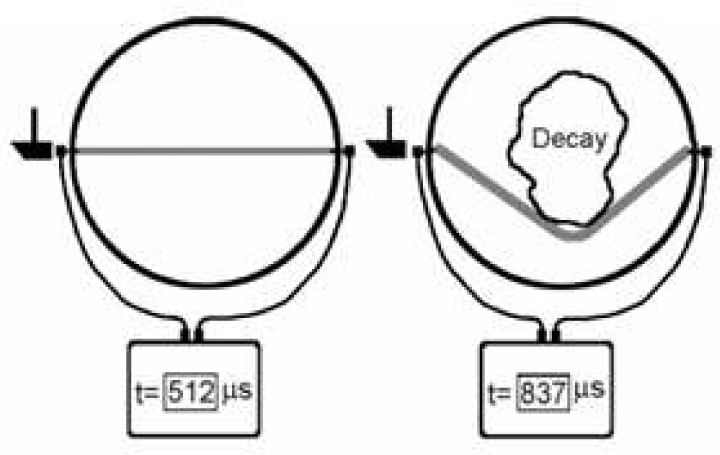
The start sensor was hit with a small hammer to create a stress wave. After the stop sensor received stress wave, the time taken was recorded as stress wave propagation time (μs). The distance was stem diameter (cm) of the measured position of trees (Wang et al., 2004). A total of 10 measurements of stress wave propagation time were obtained for each tree, and the mean value was calculated. Stress wave velocity was calculated from the following formulas (Bt, 2022):
After stress wave velocity of symptomatic and healthy trees was calculated, relative velocity decrease (RVD) was obtained. RVD is a ratio given by the formula (Bt, 2022):
Where Vref is the radial velocity for a healthy tree, and Vmeas is the measured velocity.
To explore the association of the diameter of tree size with disease presence, an independent two-sample t-test (at a 5% significance level) was conducted to compare stem diameters between healthy and diseased trees. After calculating the decrease in relative velocity, a simple correlation analysis was carried out to determine 1) the relationship between velocity and stem diameter, and 2) the decrease in relative velocity and the severity of stem canker disease.
3. RESULTS and DISCUSSION
Approximately 30 of 536 observed hybrid Eucalyptus trees showed visible signs of stem canker, as assessed using Forest Health Monitoring Method (Tallent-Hansel, 1994; Table 2). Trees with higher severity scores exhibited more extensive bark lesions, swelling, or tissue necrosis compared to lower scores. The severity of symptoms varied across individuals, while most symptomatic trees fell into the lower severity categories of scores 1 and 2. An important proportion exhibited moderate to severe symptoms of scores 3 and 4 (Table 2). Our results show low number of diseased trees most possibly reflects a combination of host genetics (E. pellita × E. urophylla), stand age (25 years), and the relatively dry seasonal conditions at research site. Previous studies have explained that the variation in canker incidence on Eucalyptus is caused by the type or complex of pathogens involved, the host tree genotype, and favorable environmental conditions, particularly humidity and temperature (Aylward et al., 2019; Cortinas et al., 2006; Nakabonge et al., 2006). In Southeast Asia, stem cankers have been documented on Eucalyptus (including E. pellita hybrids) that causes cracking and swelling on trees with variable impacts across sites (Awing et al., 2023; Dahali et al., 2023; Tarigan et al., 2023).
| Score of severity level | 0 | 1 | 2 | 3 | 4 |
|---|---|---|---|---|---|
| Number of trees | 506 (94.4) | 4 (0.75) | 7 (1.31) | 14 (2.61) | 5 (0.93) |
The symptoms of bark lesions, swelling, and tissue necrosis are consistent with various stem canker diseases affecting Eucalyptus species (Ambrose et al., 2023; Dahali et al., 2021). Among the 536 observed hybrid trees, only 5.6% showed visible symptoms, with DI of 4%, suggesting a relatively low incidence. Previous research has reported that the cultivation of hybrid plants aims to enhance tree performance by incorporating superior traits, including improved resistance to pests and diseases, compared to pure species (Thompson, 2013; Wang and Chen, 2020). This has been effectively shown in the planting of hybrid Eucalyptus at Wanagama.
The observed range of stem canker severity scores, from 1 to 4, reflects the diverse symptom expression among infected Eucalyptus hybrid individuals. As mentioned in previous research, the variation of canker severity suggests that disease development is not uniform across the stand and may be influenced by multiple interacting factors (Chungu et al., 2019). A critical factor is genetic variation among trees (Dahali et al., 2021; Guimarães et al., 2010; Syofuna et al., 2021, 2025). Even though the population consisted of hybrid clones, variability in host resistance to canker-causing pathogens may still be present. Another factor contributing to the observed difference in severity is that certain individuals may possess stronger chemical defense traits. Previous research reported that infected Eucalyptus hybrids (E. urophylla × Eucalyptus grandis) showed changes in chemical properties, such as increased lignin and extractives, suggesting a chemical defense adaptation (Dahali et al., 2021). In pure stands, observations on E. globulus infected bark found differences in the response of lesion margin compounds and in E. grandis with moderate resistance levels. There were different levels of salicylic acid compared to susceptible types (Eyles et al., 2003; Mangwanda et al., 2016; Zwart et al., 2017).
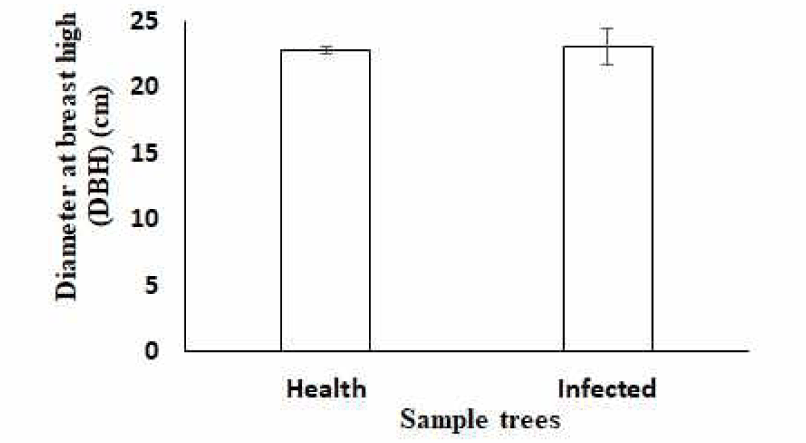
An independent two-sample t-test assuming unequal variances was performed to compare stem diameters between healthy and diseased trees. The mean diameters for healthy and diseased trees were 22.80 cm and 23.07 cm, with coefficient variation of 31% and 34%, respectively (Fig. 3). The result showed no significant difference (p = 0.843), indicating that stem diameter did not differ significantly between the two groups. Stem diameter is not be directly associated with susceptibility to stem canker in the population. This result implies that disease incidence is not size-dependent, and the different types of trees may be equally vulnerable to infection. A possible explanation is that factors such as pathogen virulence, environmental stressors, or entry wounds may play a more dominant role in disease development than host size or growth rate. The presence of disease across a range of diameters may reflect underlying genetic variability in resistance, independent of tree age or size. Previous research has suggested that trees with higher canker severity show reduced growth rates compared to healthy types. Therefore, canker severity impacts tree vigor independently of stem diameter (Ribeiro et al., 2023). Comprehensive health assessments should consider visible symptoms and other additional parameters to detect damage caused by stem canker.
There is no difference in diameter size, but the calculation of velocity in healthy and symptomatic trees leads to a difference based on class [Fig. 4(a) and (b)]. These results are consistent with previous research indicating that in healthy tropical hardwood species, such as Eucalyptus hybrids and Acaciamangium, exhibit a significant positive correlation between stem diameter and stress wave velocity (Hidayati et al., 2019; Prasetyo et al., 2019). In E. pellita planted in East Kalimantan, wood basic density increases with stem diameter (Fadwati et al., 2023). Trees with diameters of 1–5 cm and 46–50 cm have an average stress wave velocity of 1,763.77 m/s and 3,009.54 m/s, indicating that xylem in faster growth trees has higher density and better quality [Fig. 4(a)]. In case of a symptomatic tree, the trees with diameters of 6–10 cm and 31–35 cm have velocity of 1,724.83 m/s and 1,939.38 m/s, respectively [Fig. 4(b)]. This is lower than the same diameter class in healthy trees at 2,093.81 m/s. In addition, a two-sample t-test was performed to compare stress wave velocity between healthy and symptomatic trees. The analysis results showed that stress wave velocity was significantly different at 5% level (p = 0.01). This indicated a statistically significant difference in stress wave velocity between healthy and symptomatic trees. Specifically, healthy trees exhibited a higher mean stress wave velocity of 2,021.23 m/s compared to symptomatic trees at 1,885.48 m/s.
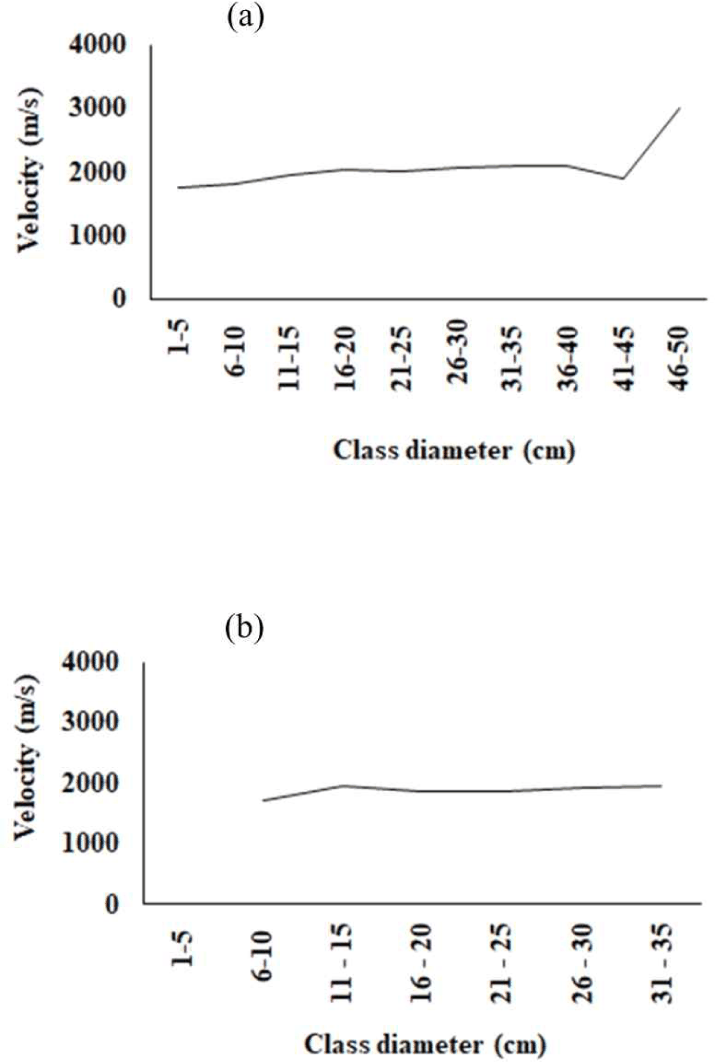
Several previous research related to non-destructive technology have used velocity as an indicator to assess the quality of wood in relation to tree health (Proto et al., 2017; Wang and Allison, 2008). The use of stress waves to detect decay in trees has been explored (Goh et al., 2018; Wang and Allison, 2008; Wang et al., 2004). In NDT, velocity is a critical parameter that indicates the time required for sound to propagate through a material (Nainggolan, 2022; Pahade et al., 2024). Changes in velocity properties show the presence of flaws, cracks, or other defects in the material (Khan et al., 2016; Yadav et al., 2022). In healthy trees [Fig. 4(a)], velocity tends to increase with stem diameter. Furthermore, stem diameter of some fast-growing hardwood species in the tropics, such as Eucalyptus hybrid and Acacia mangium, has a positive correlation with stress wave velocity (Hidayati et al., 2019; Prasetyo et al., 2019). However, in Paraserianthes falcataria, Neolamarckia cadamba, Neolamarckia macrophylla, Ficus variegata, stem diameter does not correlate with stress wave velocity (Dharmawati et al., 2024; Haryjanto et al., 2024; Ishiguri et al., 2007; Pertiwi et al., 2017).
For trees with stem cancer diseases [Fig. 4(b)], velocity tends to be lower and does not show a consistent increase. No symptomatic trees with a diameter greater than 35 cm were recorded in our dataset, therefore, it was not possible to evaluate the trend in stress wave velocity for larger diameter classes (e.g., ≥ 41 cm) as observed in healthy trees. This result supports the application of NDT velocity measurements as a reliable indicator of internal stem health, where significant reductions or irregularities may reflect structural degradation, such as stem canker or decay.
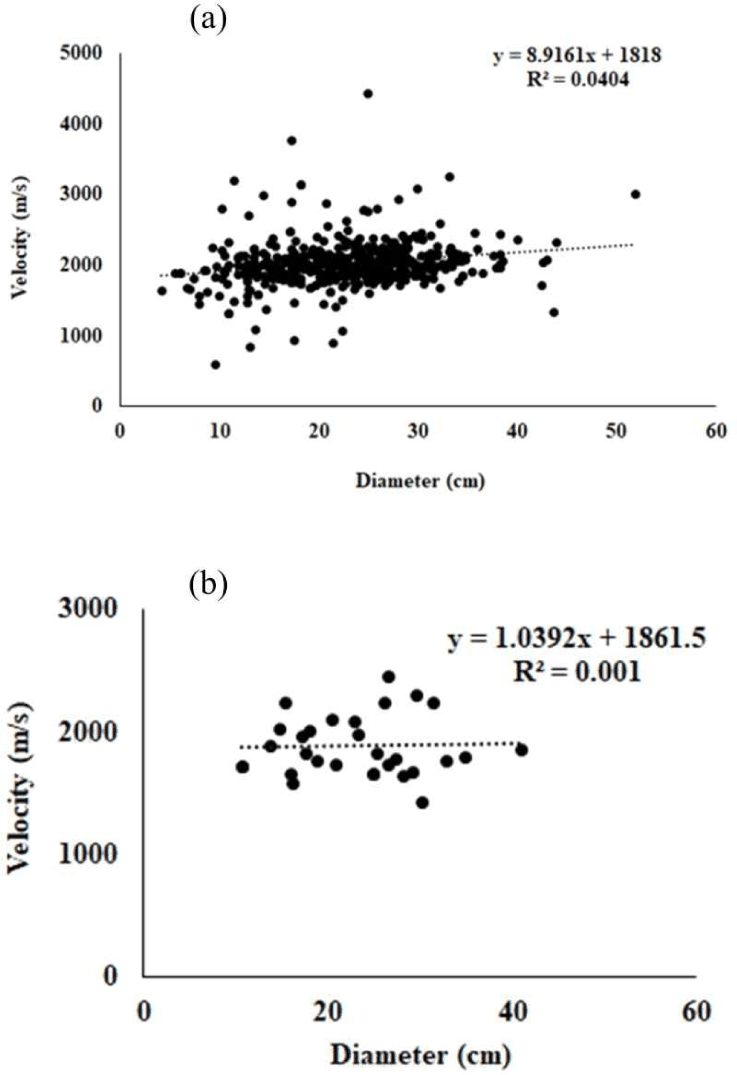
The correlation analysis between diameter and stress wave velocity showed different trends between healthy trees and those with cancer symptoms [Fig. 5(a) and (b)]. In healthy trees, a larger diameter indicates more individuals with high stress wave velocity. Therefore, healthy trees possess higher wood density and stress wave velocity, followed by regression y = 8.9161x + 1,818 [Fig. 5(a)]. This increase in stress wave velocity is due to the high density of trees. In other fast-growing species such as E. pellita, basic density increased with stem diameter (Fadwati et al., 2023). Furthermore, in Gmelina arborea, stem diameter has a positive correlation with stress wave velocity (Hidayati et al., 2017). Velocity is relatively stable, with no significant increase despite the diameter of symptomatic trees. The nearly flat regression line (y = 1.0392x + 1,861.5) [Fig. 5(b)] shows that stem canker disease causes uniform xylem degradation. Diseased trees do not exhibit an increase in wood density, despite the size. These results confirm that stem canker has a negative impact on Eucalyptus xylem structure (Dahali et al., 2021, 2023).
RVD was examined for symptomatic trees, focusing on the relationship with stem diameter as an indicator of internal degradation. RVD should be interpreted as the percentage decrease in radial (Bt, 2022; Hidayati et al., 2017). In symptomatic trees, larger diameters cause a greater reduction in RVD and relative velocity decreased with increasing severity score [Fig. 6(a) and (b)], indicating a negative relationship between disease severity and stress wave transmission. This suggests that structural damage to the wood is getting worse with the increased severity of infection. The relationship between RVD and stem diameter in diseased trees is described by the regression equation y = 0.4064x + 2.5527, with a coefficient of determination (R2) of 0.211 [Fig. 6(a)]. The low R2 value (0.211) suggests that the relationship is not strong, and other factors, including the severity of infection, wood density, tree age, and environmental factors, also play a role.
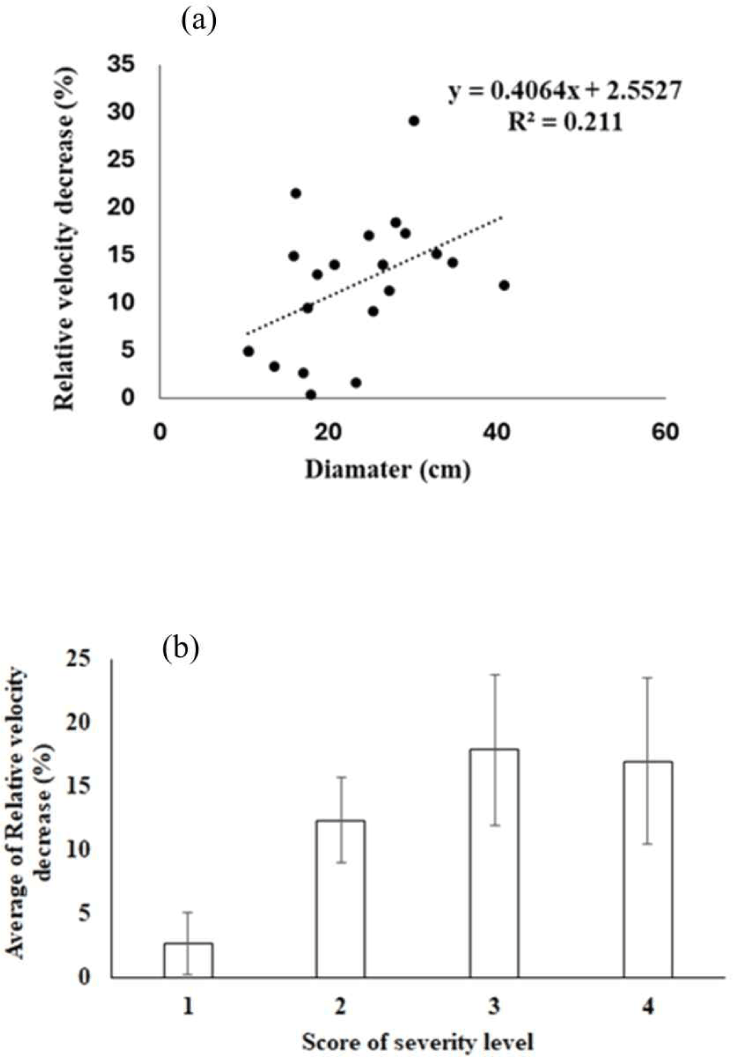
Symptomatic trees with larger diameters exhibit more significant xylemstructural degradation due to the longer duration of stem canker infection. These results were consistent with previous investigations where Eucalyptus trees were infected by Teratosphaeria gauchensis. The pathogen responsible for stem canker led to an increase in bark diameter (Aylward et al., 2019; Silva et al., 2015). This response is part of the natural defense mechanism, aimed at compartmentalizing the pathogen and limiting the spread (Zwart et al., 2017). Similarly, research on Iranian beech trees (Fagus orientalis) shows that internal decay leads to a marked reduction in wave velocity since the size of the cavities increases (Kazemi-Najafi et al., 2009).
Even though large-diameter symptomatic trees may decrease xylem quality due to disease, the genetic characteristics of Eucalyptus hybrid individuals differ, and the impact varies among individuals. In symptomatic, larger-diameter trees experience more significant xylem degradation and are more susceptible to severe infection impacts. This confirms that stem canker disease directly affects xylem integrity, reduces the density, and causes a drastic decrease in the ability to conduct stress waves.
4. CONCLUSIONS
In conclusion, stem canker disease significantly affected the structural integrity of hybrid E. pellita × E. urophylla trees, as reported by reduced stress wave velocity in symptomatic individuals. Even though stem diameter was not significantly different between healthy and diseased trees, symptomatic types exhibited inconsistent and lower wave velocities, suggesting internal xylem degradation. RVD correlated with stem diameter and disease severity, reporting that larger and more severely infected trees suffered greater structural damage. These results showed the reliability of stress wave NDT for detecting internal xylem quality deterioration caused by stem canker and supported the application for early diagnosis and health monitoring in plantation management.


