

1. INTRODUCTION
Timber has long been valued as a fundamental material in human civilization, used for heating, cooking, weapons, building homes and tents, crafting vehicles and in artistic endeavors owing to its versatility, sustainability and aesthetic appeal (Batjargal et al., 2023; Brischke, 2019; Ganem Karlen, 2022; Hwang et al., 2022). Today, timber remains a primary construction material, with nearly one-third of globally harvested wood used in building applications (Hildebrandt et al., 2017; Lyons, 2006; Park et al., 2024; Ramage et al., 2017). Its use also contributes to sustainable development by reducing carbon footprints and supporting climate-friendly construction (Akpan et al., 2021; Kaufmann et al., 2011; Roos et al., 2023). However, despite its environmental and structural advantages, timber is vulnerable to various forms of deterioration depending on its exposure, ranging from indoor humidity to outdoor conditions like rain, UV radiation, and ground contact (Adhikari and Ozarska, 2018; Reinprecht, 2016). Both abiotic factors, such as temperature fluctuations and moisture, and biotic threats like fungi, molds, and insects, can compromise the physical and chemical integrity of wood, shortening its lifespan and reducing its competitiveness compared to other construction materials (Erdenebileg et al., 2020; Hill, 2006; Marais et al., 2022). To enhance the performance and longevity of wood, seasoning, the process of controlled drying is considered one of the most effective treatments (Areo et al., 2023; Chauhan, 2022; Kim et al., 2023). Seasoning reduces the moisture content of green wood below the fiber saturation point (typically < 22%), thereby minimizing shrinkage, warping, fungal decay, and structural weaknesses (Chauhan, 2025; Desch and Dinwoodie, 1996; Olorunnisola, 2018). Properly seasoned timber is more stable, lighter, and mechanically stronger, making it suitable for structural and aesthetic applications alike (Kollmann, 1968; Okwori, 2014; Shirmohammadi et al., 2021). Seasoning also brings economic benefits by lowering transportation costs and increasing wood’s dimensional (Järvinen et al., 2022; Sfeir et al., 2021; Sumardi et al., 2024).
However, the effectiveness of seasoning varies depending on several factors, especially wood species, which differ in density, moisture content, fiber structure, and shrinkage characteristics (Koch et al., 2015; Ruffinatto et al., 2023). Hardwoods such as Eucalyptus spp., Oak (Quercus spp.), and Teak (Tectona grandis) are difficult to season due to high shrinkage and low moisture diffusivity (Dawson et al., 2020; Gonya et al., 2022; Simpson, 1991), whereas softwoods such as Pine (Pinus spp.), Spruce (Picea spp.), and Fir (Abies spp.) are generally easier to dry due to their uniform cell structures and lower densities (Grønli et al., 2002; Kaba et al., 2023; Siau, 1984). Research indicates that high-temperature drying of hardwoods, such as beech (Fagus sylvatica L.), markedly reduces hemicellulose content. While this may enhance the wood’s dimensional stability, it can also increase risks of defects such as warping, splits, and color variations (Klement and Huráková, 2016). Environmental conditions (temperature, relative humidity, and airflow) also play a key role in the drying process, with the ideal moisture content for most uses ranging between 12%–20% (Alam et al., 2022; Rathnayake and Amarasekera, 2013). Research showed that an increase in drying temperature decreases the moisture content, leading to warping, cracking and reduction in the mechanical properties of wood (Espinoza and Bond, 2016; Nakagawa et al., 2020). Further studies confirm that specific temperature ranges can optimize moisture removal without adversely affecting wood properties (Arabi and Ghalehno, 2022; Chai et al., 2018).
Wood seasoning requires species-specific approaches due to the unique anatomical and physical properties of different timber types. Mujumdar and Law (2010) recommend high-temperature kiln drying at 110°C–120°C with initial steam conditioning for 15–30 minutes at 100°C to stabilize the resin in pine. Another important species, Spruce (Picea spp.), tends to develop spiral grain distortion during drying; therefore needs moderate temperature kiln drying at 80°C–90°C with weight stacking to prevent warping (Patel and Bade, 2023; Sandberg et al., 2021). Douglas fir (Pseudotsuga menziesii), known for its susceptibility to internal checking in thick dimensions, benefits from a low-temperature pre-drying phase at 40°C for 30 days before final kilning (Boone, 1988). Oak (Quercus spp.), particularly vulnerable to shrinkage and honeycombing, demands careful treatment. White oak responds best to a 60-day air drying period followed by kiln drying at 60°C with 85% relative humidity, while red oak can tolerate a slightly faster schedule at 65°C with frequent conditioning cycles (Elustondo et al., 2023; Pandey and Pant, 2023; Yang et al., 2022). High-value tropical hardwoods such as Teak (Tectona grandis), Meranti (Shorea spp.), Keruing (Dipterocarpus spp.), and Gmelina (Gmelina arborea) that are widely harvested across countries like Indonesia, Thailand, Vietnam, and the Philippines have high initial moisture content and dense fiber structures, making them susceptible to drying defects such as checking, collapse, and honeycombing when exposed to rapid drying conditions (Phonetip et al., 2019a; Salas and Moya, 2014). In Nepal, traditional air drying remains common, especially in community-managed forests, with limited kiln infrastructure and technical expertise. Local species such as Sal, Uttis (Alnus nepalensis), and Sissoo are often dried without proper moisture monitoring, leading to high post-harvest losses (Pandey et al., 2024; Paudel and Karki, 2024). However, recent initiatives by forestry institutions and universities are promoting solar kiln use and encouraging research on species-wise drying behavior to support small-scale enterprises. Research institutions like the Forest Research Institute (FRI) in Dehradun, India have developed species-specific drying schedules, particularly for tropical hardwoods prone to warping and cracking (Indian Council of Forestry Research & Education [ICFRE], 2013). Likewise, China has made significant advancements in high-tech kiln systems, vacuum drying, and computer-controlled drying chambers, particularly for commercial species like Chinese fir (Cunninghamia lanceolata) and Poplar (Populus spp.). These technologies are supported by state investment and aligned with China’s focus on value-added wood processing and export quality (Yu et al., 2025).
In Nepal, where timber demand is rising in both the construction and furniture sectors, the lack of species-specific drying protocols, along with geographic and climatic variability, poses significant challenges. Improper seasoning leads to high post-harvest losses and reduced wood quality, especially for valuable native species like Shorea robusta (Sal), Dalbergia sissoo (Sissoo), and Alnus nepalensis (Uttis). In this context, developing climate-adapted, species-sensitive seasoning strategies is critical for sustainable timber utilization. This study presents a comprehensive review of current global timber seasoning methods, examining their effectiveness, species-wise suitability, and associated challenges. Drawing from peer-reviewed literature accessed via Google Scholar, SpringerLink, and ResearchGate, the study evaluates the performance of various techniques across different timber species. It further aims to provide practical recommendations for Nepal’s forest product sector, emphasizing efficient, low-cost, and locally adaptable methods to enhance wood quality and reduce processing losses.
2. METHODS
We used the standard method called PRISMA for systematic literature review, which includes resource eligibility, exclusion criteria, data abstraction, and analysis. The review was based on a systematic search of articles from electronic databases: Google Scholar, Springer Link and Research Gate. We choose these databases as they cover about 613 disciplines with minor disciplines (wood science and technology, timber, forestry, forestry management, Manufacturing, machines, tools, processes). A manual search was also performed, in which 25 articles were imported. The advanced search tool in databases was used for a rigorous search on assigned topics (Table 1). All the searched articles were imported into Mendeley reference management software, and duplicates were deleted.
All articles were gathered through search engines and compiled. Only peer-reviewed papers were selected for inclusion. These articles are specially focused on the different seasoning techniques or methods applied to various timber species, showing different properties and results. Both printed and online journals, which were listed on their respective journal websites, were selected for the study. Non-peer-reviewed articles such as news articles, case studies, conference papers, chapters, reports and articles in predatory journals were excluded. To ensure a focused and organized review, we only selected the articles published in English between January 1st, 2015 and December 31st, 2024. While studies unrelated to seasoning parameters were excluded. The overall inclusion and exclusion criteria are shown in Table 2.
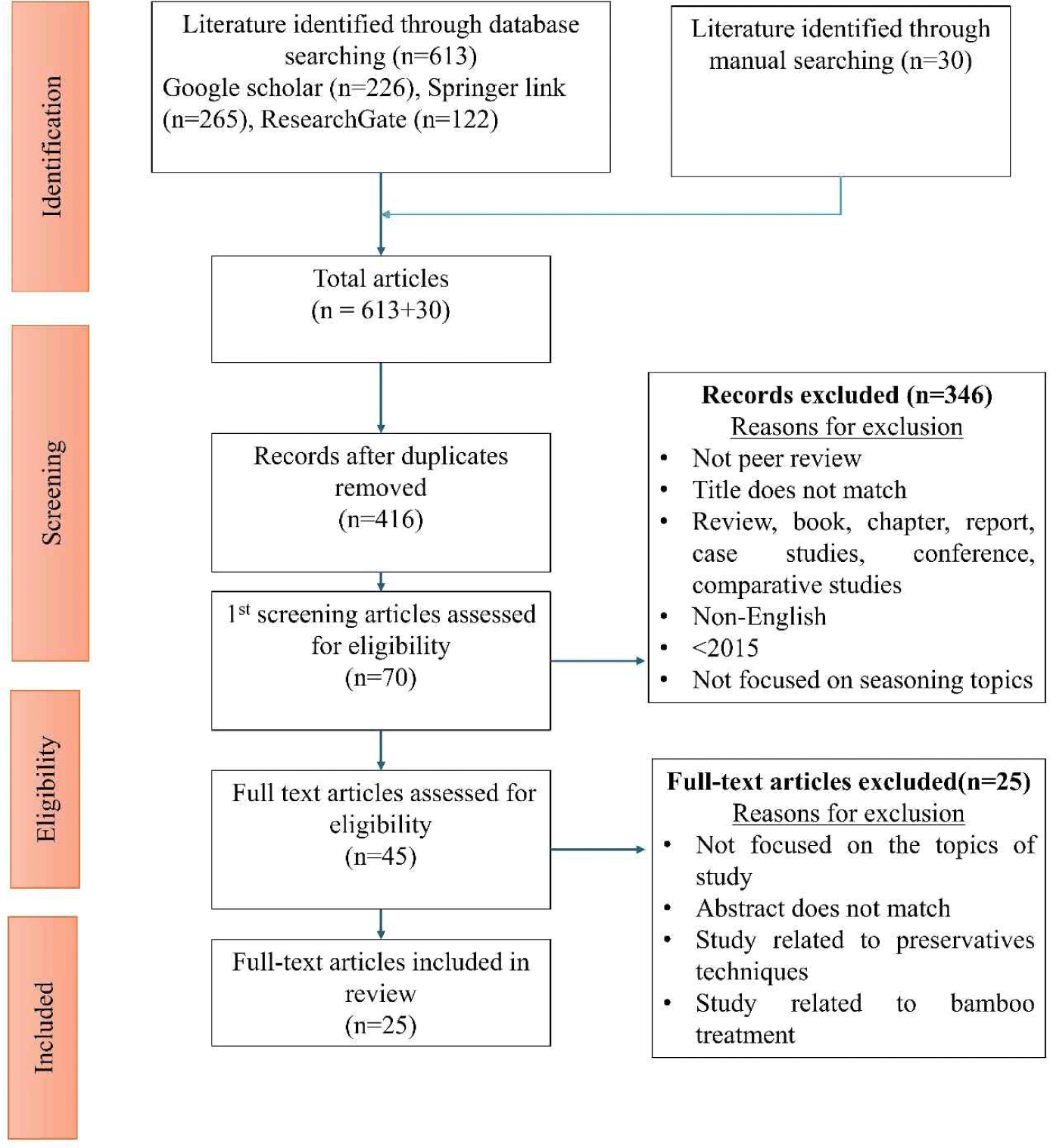
The searched articles were imported into Mendeley reference management software (Mendeley desktop version 1.19.5). A total of 613 articles were initially identified from databases: 226 from Google Scholar, 265 from SpringerLink, and 122 from ResearchGate (Fig. 1). Additionally, 30 articles were found through manual searching, bringing the total to 643. After removing 227 duplicate entries, 416 articles remained. Following title screening and selection of peer-reviewed journal articles, 70 articles were identified as eligible for the second phase screening. These articles were then further assessed by reviewing their abstracts, and those meeting the inclusion criteria were selected for full-text review. Ultimately, 25 research studies were included in the final data analysis. The review process was conducted in accordance with PRISMA guidelines (Moher et al., 2010).
We use a data extraction form for gathering information from every publication, including the study’s methodology, goal, drying time and conditions of wood. Reviews of the publication’s title, abstract, and entire content were completed separately. Team members carefully screened the abstract, the study’s location, and the methods employed in accordance with the eligibility requirements and exclusions. When more information was needed, we also got in touch with the authors. Consent was used to settle disagreements on the eligibility of any articles.
3. RESULTS
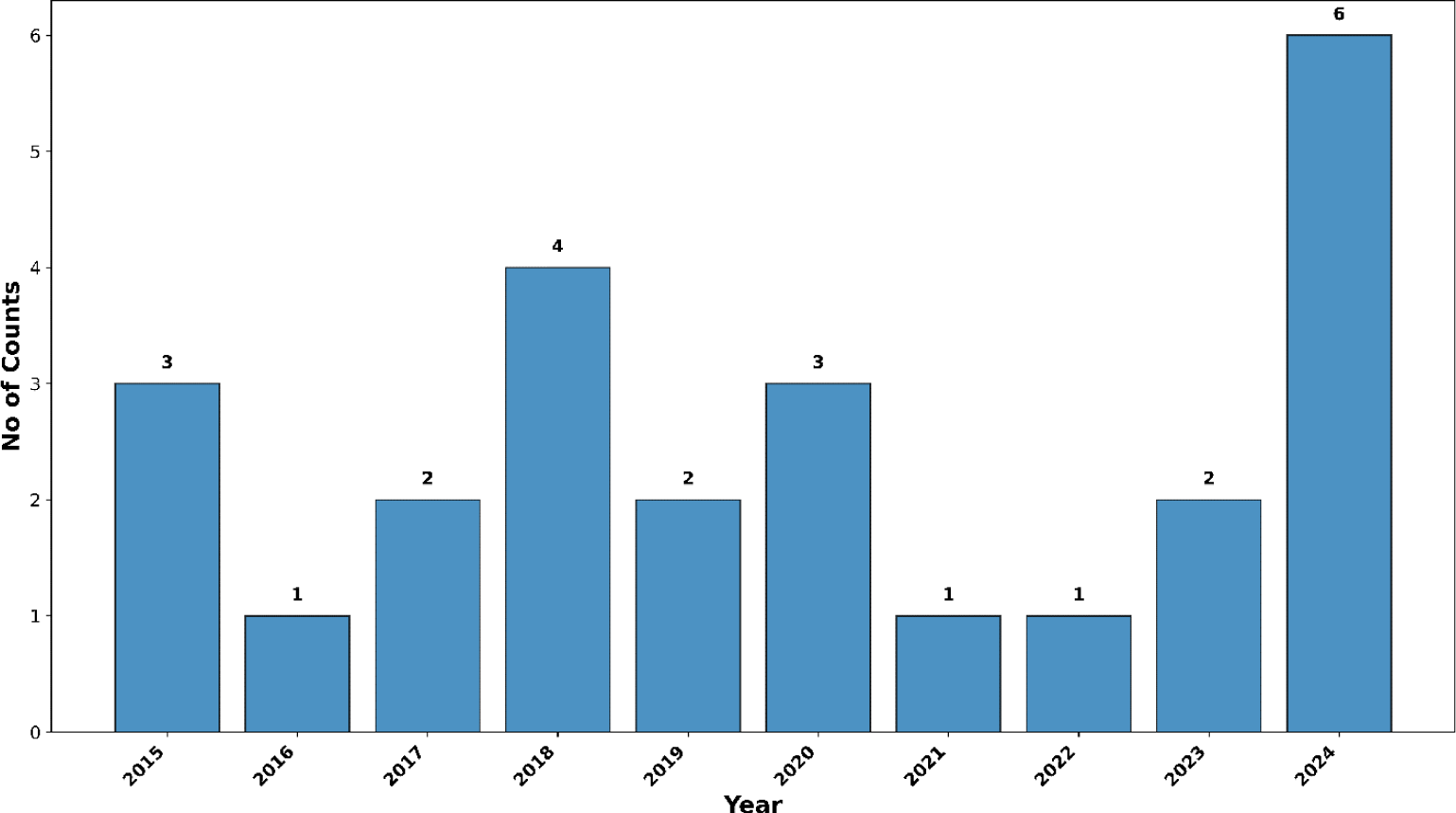
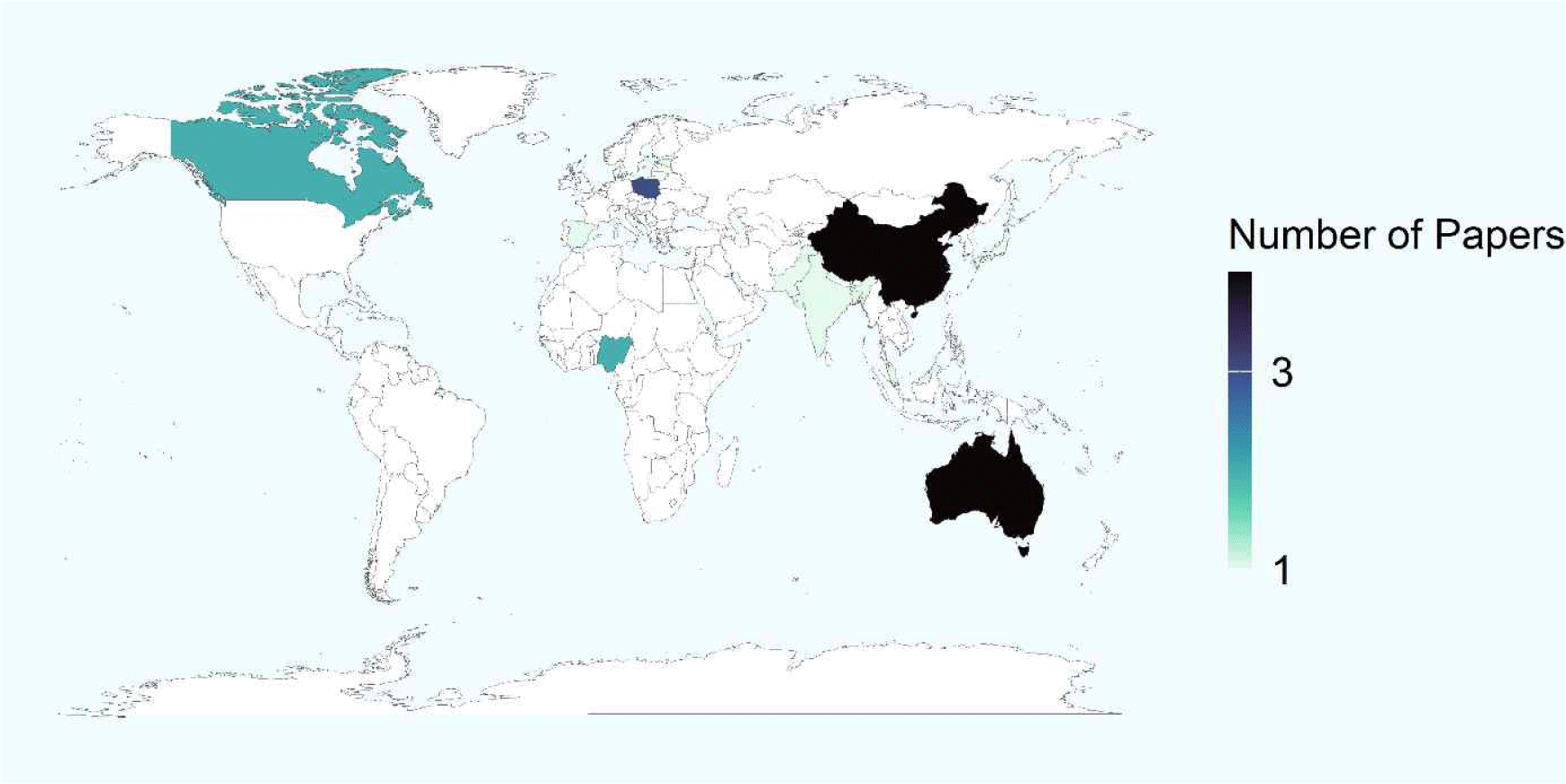
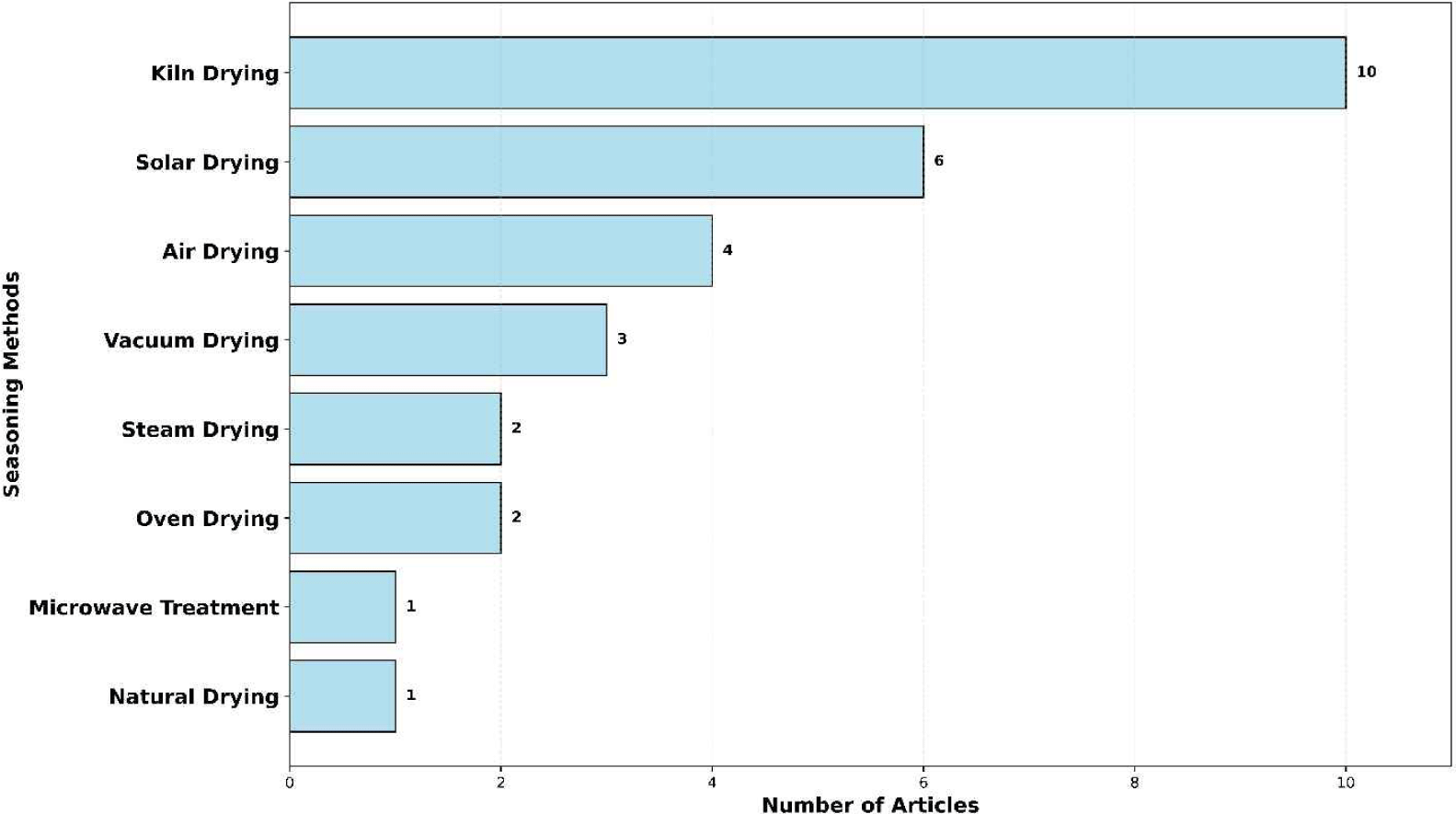
The review included 25 articles, with the distribution of publication years as follows: three articles each were published in 2015, 2017, 2018, 2020, and 2023; two articles in 2021; and one article each in 2019 and 2022 (Fig. 2). The highest number of articles (six) was published in 2024. These articles originated from 15 different countries: China (n = 4), Australia (n = 4), Poland (n = 3), Nigeria (n = 2), Canada (n = 2; Fig. 3), and one article each from India, Pakistan, Bangladesh, Japan, New Zealand, Malaysia, Estonia, Spain, the Slovak Republic, and Central Africa. The studies applied various seasoning methods to different timber species, focusing on analyzing optimal drying conditions, moisture reduction, and seasoning defects, as summarized in Table 3. Various seasoning methods were explored across the reviewed studies, including kiln drying (n = 10), solar drying (n = 6), air drying (n = 4), vacuum drying (n = 3), oven drying (n = 2), steam drying (n = 2), microwave treatment (n = 1), and Natural drying (n = 1; Fig. 4).
4. DISCUSSION
In the present review, most studies on wood drying and seasoning originate from countries such as India, China and Bangladesh. These countries appear more frequently not because of any pre-selection, but because they are active research hubs with well-established forestry and timber industries. Their substantial research output reflects both the scale of their forest resources and the economic significance of wood utilization in construction, furniture manufacturing, and related industries. Although some countries (e.g., Canada, Poland, and Estonia) represent temperate climatic zones that differ from Nepal, their research remains relevant as it contributes to understanding fundamental drying mechanisms, defect control, and energy-efficient technologies that are universally applicable. In contrast, studies from India, Bangladesh, and parts of Africa are particularly valuable for Nepal because they share similar tropical and subtropical climates, species compositions, and small to medium-scale wood industries. Therefore, even though Nepal currently has limited published research in this field, insights drawn from neighboring and global contexts can be adapted to its local conditions. By integrating findings from countries with comparable climates and species, while incorporating technological advancements from temperate regions, this review seeks to provide a balanced and applicable knowledge base for improving wood-drying practices in Nepal.
Studies showed that various methods are employed under both natural and artificial conditions, with drying parameters such as time, temperature, and initial moisture content varying accordingly. Due to differences in environmental and climatic conditions, many wood species require specific seasoning approaches tailored to their regional growth characteristics. Although seasoning can lead to certain defects, such as internal cracks or warping, some wood species undergo the process without showing any noticeable defects. Understanding these variations is essential for optimizing seasoning methods to ensure high wood quality and minimize processing losses.
Kiln drying and solar kiln drying are among the most widely used artificial seasoning methods globally, especially in countries like Nigeria, Australia, China, Poland, and Canada (Kong et al., 2018; Owoyemi et al., 2015; Majka et al., 2024; Phonetip et al., 2019b; Rahimi et al., 2024). These techniques have consistently demonstrated significant reductions in drying time while maintaining control over environmental variables such as temperature and humidity (Augustina et al., 2023; Elwakeel et al., 2025; Nawawi et al., 2023; Tang et al., 2025). For instance, in Nigeria, Pericopsis africana was successfully kiln-dried in just 15 days, a dramatic improvement compared to several months required under open-air drying conditions (Ugwu et al., 2015). The controlled environment in kiln systems ensures uniform drying and minimizes moisture content variability in the final product, thus improving dimensional stability and reducing defects like warping and checking (Dashti et al., 2012; Majka et al., 2024; Ross, 2021; Xiang et al., 2012).
Solar kiln drying, while significantly less energy-intensive, is generally slower and more sensitive to local climatic conditions. In Central Africa, for example, rapid moisture loss under low humidity conditions during solar drying led to severe wood degradation, such as surface checks and case hardening. This underscores the importance of environmental control even in low-tech solar systems (Lee et al., 2024; Simo-Tagne and Bennamoun, 2018). Despite this, solar drying remains a viable option in regions with abundant sunlight and limited access to electricity, especially when combined with basic airflow regulation and shading techniques (Apriandi et al., 2024; Helwa et al., 2004). Vacuum and microwave-assisted drying methods have shown significant promise in advanced timber processing sectors, particularly in countries such as India, Australia, China, and New Zealand. These techniques are especially effective for hardwood species with high initial moisture content (MC), offering faster drying cycles and reduced seasoning defects compared to conventional methods (Lu et al., 2024; Shailendra, 2024). Vacuum drying accelerates the removal of moisture by lowering the boiling point of water, which enhances internal moisture migration with minimal thermal degradation. Studies from Australia demonstrated that vacuum-dried Eucalyptus species achieved optimal MC in shorter timeframes while reducing internal checks and collapse (Bond and Espinoza, 2016; Liu et al., 2022). In India, microwave drying of Tectona grandis (teak) resulted in a 40%–50% reduction in drying time with fewer drying-related defects, especially in thicker lumber sections (Berrocal et al., 2017). Low microwave treatment of Eucalyptus macrorhyncha timber demonstrated a promising balance by effectively removing moisture while preserving its mechanical integrity. This approach minimized common drying defects and maintained structural properties, making it a suitable option for sensitive or high-value hardwood species where maintaining strength is crucial (Balboni et al., 2018). While vacuum and microwave-assisted drying offer technical advantages, their high capital and operational costs make them less feasible in resource-constrained settings like Nepal (Espinoza and Bond, 2016). In regions like Nepal, where electricity supply is unstable and energy costs are high, some drying can be impractical. For instance, microwave drying requires precise control and uniform heating, which are difficult to achieve without advanced infrastructure. In contrast, solar kilns are low-cost, scalable (Ugwu et al., 2015), and can be constructed using locally available materials, making them more suitable for rural and semi-urban areas of Nepal. Moreover, this method has been successfully evaluated in similar tropical settings, demonstrating its potential applicability to the Nepalese context.
Moisture reduction during seasoning is significantly influenced by species-specific anatomical characteristics such as density, porosity, vessel structure, initial moisture content (MC), and the drying method applied (Moya et al., 2012; Simpson and TenWolde, 1999). Each wood species exhibits a unique drying behavior, with varying susceptibility to defects, drying rates, and equilibrium moisture content levels (Berberović and Milota, 2011; Hwang and Oh, 2024).
Hardwoods such as Guarea cedrata and Swietenia macrophylla displayed slower drying patterns, necessitating gradual moisture removal to prevent defects such as surface checks and internal cracking. Notably, tropical hardwood species like Dalbergia sissoo and Acacia nilotica showed substantial weight loss when subjected to oven drying at elevated temperatures, indicating a higher vulnerability to moisture-induced stresses (Fatima et al., 2015). This suggests techniques such as kiln, vacuum and steam-assisted drying to be effective in minimizing internal stress and surface defects while ensuring uniform moisture reduction. Variations in initial and final MC observed in temperate softwood species like Tsuga heterophylla and Cryptomeria japonica highlight the critical role of initial moisture content and wood anatomy in determining appropriate seasoning schedules. These species perform well under air drying in moderate climates, solar kiln drying with basic airflow control, and even microwave-assisted drying for small-scale or experimental applications. Most studies targeted a final moisture content below 20%, a threshold generally suitable for construction and furniture applications (Bomba et al., 2014). Advanced methods such as supercritical CO2 and vacuum drying have demonstrated efficient dewatering with minimal shrinkage in some softwood species (Dawson et al., 2020; Kong et al., 2018). Softwood species respond better to faster hybrid drying techniques with fewer defects, making them suitable for low-cost and energy-efficient methods. However, heartwood in these species often remained more prone to cracking due to its lower permeability. High-density hardwoods typically require longer drying durations and more sophisticated technologies to achieve uniform moisture reduction while minimizing drying defects (Bond and Espinoza, 2016; Elustondo et al., 2023; McMillen and Wengert, 1978). These species are more prone to drying defects such as surface checking, internal cracking, and excessive shrinkage when dried too rapidly. Controlled kiln drying, vacuum drying, and steam-assisted techniques are therefore most effective for these woods.
After seasoning, common drying defects such as warping, end checks, internal cracks, and shrinkage were frequently reported. In Poland, kiln-dried beech wood exhibited increased cracking with higher dry bulb temperatures, highlighting the sensitivity of certain species to elevated drying conditions (Majka and Sydor, 2023). Conversely, Chinese cedar wood seasoned using superheated steam showed fewer defects compared to conventional drying methods, suggesting the advantages of steam-assisted techniques in regulating drying rates and reducing stress (Bao and Zhou, 2017). Steam and pressure treatments, particularly in Japan and China, have proven effective in minimizing internal stresses and surface splits during the drying process. For example, low-vacuum medium-temperature drying of Cryptomeria japonica significantly reduced warping, underscoring the method’s ability to maintain dimensional stability (Jiang et al., 2024). In some instances, accelerated or hybrid drying techniques, such as those employed in Australia and Bangladesh, resulted in improvements in mechanical properties, including modulus of elasticity (MOE) and modulus of rupture (MOR), despite the presence of minor drying defects (Alam et al., 2022). These findings highlight the trade-off between drying efficiency and defect control, depending on species characteristics and the technology used.
Solar drying techniques were commonly employed in tropical regions such as Nigeria, Malaysia, and Central Africa, where high ambient temperatures and consistent sunlight provide favorable conditions for natural or semi-natural drying processes (Hermawan et al., 2020; Owoyemi et al., 2015; Simo-Tagne and Bennamoun, 2018). However, despite their low energy requirements, these methods often face limitations. Rapid moisture loss in areas with low relative humidity frequently results in uneven drying, leading to surface checking, case hardening, and overall poor wood quality (Chi et al., 2024; Lamrani et al., 2023). For instance, studies from Central Africa have shown that species such as Triplochiton scleroxylon and Entandrophragma cylindricum suffered dimensional instability and surface degradation due to uncontrolled solar drying (Simo-Tagne and Bennamoun, 2018). In contrast, countries located in temperate regions such as Estonia and Slovakia have adopted more technologically advanced drying systems (Dzurenda, 2020; Tamme et al., 2023). These include climate-controlled kilns and air-conditioned drying chambers that offer precise regulation of relative humidity and temperature. Such systems allow for gradual moisture reduction, which significantly reduces drying defects and enhances wood quality. Dzurenda (2020) reported that beech and oak dried under controlled kiln conditions in Slovakia exhibited minimal warping and end checks, attributed to steady drying rates and optimized RH-temperature cycles.
In Nepal, where access to advanced drying infrastructure is limited, low-cost solar kilns provide a practical solution for seasoning species such as Sal (Shorea robusta), Sissoo (Dalbergia sissoo), and Uttis (Alnus nepalensis). Tailoring drying methods to species-specific characteristics and local economic conditions is essential for sustainable timber processing. The findings from this study will help establish clear links between appropriate drying methods and specific Nepalese wood species.
The evolving landscape of wood seasoning reflects a growing trend toward the integration of hybrid and innovative drying techniques, merging traditional methods with advanced technologies to optimize drying performance, reduce energy consumption, and minimize drying defects. One notable innovation is the use of supercritical CO2 drying, particularly in countries like New Zealand (Asafu-Adjaye et al., 2021; Dawson et al., 2020; Pearson et al., 2022; Yang and Liu, 2020). This method offers substantial promise for softwood species, as it enables rapid moisture removal while preserving cell structure. The non-thermal nature of supercritical CO2 allows for uniform drying with minimal dimensional changes, reducing risks of warping, collapse, and internal checking (Pearson et al., 2022; Yang and Liu, 2020). Dawson and Pearson (2017) demonstrated that Pinus radiata dried using this method exhibited excellent surface quality and consistent final moisture content, all while operating under energy-efficient conditions. This positions supercritical CO2 as a sustainable and high-performance option, especially for high-value timber products. In North America, particularly in Canada, refinements to conventional kiln systems continue to push technological boundaries. The use of multi-step temperature and humidity regulation in heat-vent kilns has enabled more controlled moisture extraction, significantly reducing internal stresses during drying (Bergman, 2010; Glass and Zelinka, 2021). Rahimi et al. (2022) reported that applying a graduated temperature profile in which drying begins at lower temperatures and gradually increases resulted in consistent moisture reduction while preventing surface and internal defects in Canadian hardwoods such as Acer saccharum (sugar maple) and Betula papyrifera (paper birch). These improvements not only enhance wood quality but also optimize energy usage by minimizing over-drying.
Additionally, innovative and sustainable approaches to seasoning have emerged in countries like Spain. One notable technique involves the immersion of timber in water followed by air drying (Martínez-Gil et al., 2020). This method, traditionally used for hardwoods like Quercus ilex and Fagus sylvatica, allows for the leaching of extractives and gradual moisture equalization (Bussotti et al., 2002; Majka and Sydor, 2023). It provides ecological and time-saving advantages by reducing internal stresses and minimizing drying defects without compromising mechanical performance or appearance. This technique aligns with sustainable forestry and low-impact wood processing practices (Barrette et al., 2023). Moreover, hybrid drying systems, which combine solar, kiln, vacuum, and microwave techniques, are gaining traction in countries like Australia, China, and India (Bond and Espinoza, 2016; Cong et al., 2023; Kumar, 2024; Kumar et al., 2023). These systems allow processors to start with low-energy methods (like solar or air drying) and finish with high-precision technologies (such as kiln or vacuum drying). This staged approach helps reduce energy consumption while maintaining tight control over final moisture content and drying rate. For instance, microwave-vacuum hybrid dryers are increasingly being used to dry high-density hardwoods and moisture-sensitive species, as they can accelerate drying from the core outward without inducing surface checks (Kumar, 2024; Leiker and Adamska, 2004). Artificial intelligence (AI) has been utilized in drying research and development through the application of artificial neural network (ANN) modeling and neuro-fuzzy control systems for drying process optimization (Farkas, 2024; Jumah and Mujumdar, 2005; Martynenko, 2018). A wide range of databases on material under different conditions and variability is necessary for understanding the drying performance of wood for an artificial neural network. Kato et al. (2022) developed a neural network to automatically classify crack severity using image processing of timber cross-sections, and machine learning was used to predict moisture content throughout the drying process (Rahimi and Avramidis, 2022). However, the application of artificial intelligence (AI) in this field remains limited due to the inherent complexity and variability of wood as a material. A large database on timber properties with integration of AI provides a greater significance in future for advancing our knowledge on timber drying, i.e. process control, timber drying rate and cracking. These technological advancements collectively reflect a global shift toward smarter, more adaptive wood drying strategies. Innovations are increasingly informed by species-specific drying behavior, energy considerations, and the growing emphasis on sustainable forestry and processing practices. With climate change and energy efficiency becoming central to industrial decision-making, the adoption of such advanced technologies will likely continue to expand.
Nepal’s diverse topography and rich forest resources support a wide range of commercially and structurally important timber species, including Shorea robusta, Dalbergia sissoo, Acacia catechu, Alnus nepalensis, and Pinus roxburghii (Forest Research and Training Centre [FRTC], 2021; Pandey and Bajracharya, 2010). However, systematic seasoning and drying techniques for these species are largely underdeveloped. Factors such as limited research, inadequate infrastructure, and significant climatic variation across altitudes pose challenges to implementing consistent drying practices even for the same species. Traditional air-drying methods remain the predominant approach, but there is minimal data on the drying behavior of local species under Nepal’s varied ecological conditions (Karki et al., 2025; Pandey, 2022; Timsina et al., 2021).
Given the country’s altitude-driven climatic zones, a region-specific hybrid drying approach, such as combining air drying with solar kilns or employing shaded pre-drying followed by low-temperature kiln drying, is technically sound and well-suited. However, their practical feasibility in rural and semi-urban areas depends on several factors. Solar kilns, for example, are relatively low-cost and can be constructed from locally available materials, making them accessible to community forest user groups and small-scale timber processors. In contrast, low temperature kilns may require electricity or biomass-based heating, which can pose challenges in remote hill and mountain regions. To address this, alternative energy options such as solar thermal systems or improved biomass stoves could be explored to enhance energy efficiency and reliability.
In humid lowland Terai regions, solar kilns with ventilated roofing and thermal buffers are suitable, while in cooler hill areas, greenhouses or passive solar dryers can extend drying periods without rapid moisture loss. High-density species like Shorea robusta require moderate drying rates with careful relative humidity control, and seasonal variations such as avoiding drying during peak monsoon or winter should be considered. For medium-density species like Dalbergia sissoo and Alnus nepalensis, a combination of air seasoning followed by kiln finishing can be both cost-effective and efficient, particularly in resource-constrained rural areas (Table 4). Developing species-specific drying schedules that account for parameters such as initial moisture content, drying rate, temperature, and relative humidity is crucial for reducing defects and enhancing the mechanical properties and durability of timber. Integrating low-cost technologies, community-based training, and traditional knowledge provides a strong foundation for promoting sustainable timber drying practices in Nepal. This approach also aligned with broader sustainability frameworks contributing to SDG 12 (Responsible Consumption and Production), SDG 13 (Climate Action) and SDG 15 (Life on Land). These initiatives are consistent with the objectives of Nepal’s Forestry Sector Strategy (2016–2025), which prioritises community empowerment, value addition, and the sustainable use of forest resources. By integrating improved drying techniques into community forestry programs, Nepal can simultaneously advance economic resilience, energy efficiency, and environmental sustainability within its timber sector. This integrated approach bridges local innovation with global sustainability commitments, positioning Nepal as a model for community-based, resource-efficient wood processing.
5. CONCLUSIONS
Timber drying methods vary globally based on species type (hardwood or softwood), initial and final moisture content, and drying conditions such as temperature, relative humidity, and climate. While high-temperature drying accelerates moisture loss, it can also cause defects if not carefully managed. Conversely, slower methods minimize damage but are time-consuming. Since timber species differ in density and moisture behavior, no single drying method or condition is universally effective. This review highlights how drying conditions influence timber quality, moisture reduction, and defect occurrence across species. For Nepal, where species like Shorea robusta (Sal), Dalbergia sissoo, Alnus nepalensis (Uttis), and Pinus roxburghii (Chir Pine) are common, an integrated approach to timber drying is essential. Given the lack of systematic data on the drying behavior of Nepalese timber species, pilot studies and experimental trials should be prioritized. This should be implemented across country’s major ecological zones, the Terai, Hills, and Mountains, to test species-specific drying schedules and validate the proposed hybrid methods. Comparative trials between traditional air drying and controlled techniques would help quantify gains in drying efficiency, defect reduction, and mechanical performance. In addition, species-specific moisture profiling is critical to establish accurate drying curves and equilibrium moisture content benchmarks suited to Nepal’s diverse climatic conditions. Collaborative trials between the Institute of Forestry and the Forest Research and Training Centre (FRTC) can strengthen scientific capacity and guide the formulation of national standards for timber seasoning. Such coordinated efforts would ensure that future wood-drying practices are both evidence-based and technically optimized for Nepal’s species and ecological diversity. Also, developing tailored drying methods will enhance wood quality, reduce losses, and boost commercial and export potential.


