

1. INTRODUCTION
Wood plays a crucial role in human life, particularly in the furniture and construction industries, where it has been traditionally used as a raw material. However, the availability of commercial woods such as teak and mahogany is steadily declining due to long growth cycles, requiring 30 and 19 years to mature (Gilbero et al., 2022; Miranda et al., 2011). This is further compounded by the decreasing potential of natural forests, which impacts the ability of the timber milling industry to meet growing demands (Mohiuddin et al., 2024). As a result, there is an increasing need for alternative, fast-growing raw materials such as bamboo. Indonesia, which hosts a vast diversity of bamboo species (143 documented species as of 2005), offers a viable solution, as bamboo can be harvested in just 3 to 5 years (Huang et al., 2022). Bamboo serves as an excellent alternative in various sectors, including construction, furniture, textiles, and musical instruments (Kiaokrai et al., 2026; Kim et al., 2023; Lee et al., 2023; Li and He, 2019; Sutapa et al., 2026). It is frequently used in laminated boards for furniture and construction, providing an environmentally friendly building material option (Darwis et al., 2023; Fahim et al., 2022; Irawati et al., 2025; Kim et al., 2023; Nurhasanah et al., 2026; Rofii et al., 2024; Sumardi et al., 2022, 2024). Indonesia’s rich diversity of bamboo species, such as Dendrocalamus asper (Betung bamboo) and Gigantochloa apus (Rope bamboo), highlights the potential for using bamboo in laminated board production (Hartono et al., 2025; Maulana et al., 2021; Rofii et al., 2024; Sumardi et al., 2024).
For the production of laminated boards, bamboo needs to meet specific criteria to ensure suitability. It should be straight, aged between 3 and 5 years, and free from pests or diseases (Rofii et al., 2024). Betung bamboo, known for its thick stem walls ranging from 10 mm to 30 mm, is particularly well-suited for laminated board production. The dense structure reduces the need for adhesives, making it an efficient choice for manufacturing (Maulana et al., 2021). In addition to its structural advantages, this bamboo variety is known for its hardness, large diameter, high tensile strength, and elasticity (Lin et al., 2025; Wijitkosum et al., 2024). These characteristics make it an ideal candidate for applications requiring durable and reliable materials, such as furniture and construction. Despite these benefits, the rapid growth of bamboo also makes it more vulnerable to fungal attacks and other biological organisms, which can compromise its durability.
To address these concerns and improve bamboo’s dimensional stability, heat modification is considered an effective solution. Heat treatment methods, such as hydrothermal, steam injection, and full heat treatments, have been applied to enhance physical properties of bamboo (Lee and Lee, 2021; Li et al., 2022, 2023; Wang et al., 2020; Xia et al., 2025). These options contribute to strengthening the material, reducing moisture content (MC), and improving resistance to fungi. The process is influenced by various factors, including the temperature and duration of the treatment, which can affect the extent of degradation and property changes (Li et al., 2022, 2023). Therefore, this study aimed to explore the effects of varying heat treatment temperatures (90°C, 120°C, and 150°C) and durations (1 hour and 3 hours) on the physical properties and finishing quality of laminated Betung bamboo boards. By understanding the impact of the variables, the report contributes to developing more sustainable alternatives to traditional wood-based materials. The results help optimize the heat treatment process, ensuring that bamboo laminates meet the necessary standards for durability, resistance, and overall performance, while also providing an environmentally friendly option for use in construction and other industries.
2. MATERIALS and METHODS
The materials used included high-quality laminated bamboo boards, which served as the primary subject of the study. Wood filler was applied to ensure the integrity of the boards during testing, while topcoat finishing materials were used to enhance the surface properties of the bamboo. Others included sandpaper for surface preparation, as well as distilled water, which was used in some of the testing procedures to maintain consistency and prevent contamination. These materials, combined with the equipment, allowed for thorough and accurate testing, providing reliable data for the study.
The study was conducted in a structured manner, starting with the preparation of laminated boards obtained from Java Bamboo Lamina, which were cut into specified sizes. After cutting, the samples were subjected to heat treatment using an oven at varying temperatures. Equilibrium MC was determined following ASTM D4933-16-2021 (ASTM, 2021), while contact angle measurements were conducted according to ISO 19403-2:2024 (ISO, 2024). Color measurements were performed based on the CIELab system with an NF333 Spectro colorimeter (Nippon Denshoku; HunterLab, 2012), and cross-cut adhesion testing followed ISO 2409:2020 (ISO, 2020). Pencil hardness testing was conducted according to ASTM D3363-22 (ASTM, 2022), and delamination resistance evaluation referred to JAS 234-2003 standards (JAS, 2003). Finally, a coin test was conducted as a qualitative surface resistance evaluation method commonly used in coating performance assessment.
A structured experimental design was adopted with the hypothesis that the temperature and duration of oven treatment influence the physical properties and finishing quality of laminated bamboo boards. The research design applied was a completely randomized design with a factorial design, involving two factors: oven temperature and treatment duration. The oven temperature has three levels of 90°C (S1), 120°C (S2), and 150°C (S3), while the treatment duration has two levels of 1 hour (W1) and 3 hours (W2). Based on these treatments, six combinations were repeated three times, leading to 18 test samples, plus three control samples, making a total of 21. Statistical analysis was performed using one-way analysis of variance (ANOVA), and significant differences among treatment means were further evaluated by Tukey honestly significant difference (HSD) at a 95% confidence level (p < 0.05).
3. RESULTS and DISCUSSION
The density of the laminated bamboo boards ranged from 0.70 to 0.76 g/cm3 (Fig. 1). The untreated control exhibited the highest density (0.76 g/cm3), whereas the boards subjected to thermal modification showed lower density values, ranging from 0.70 to 0.73 g/cm3. The lowest density was observed in the boards treated at 90°C (0.70 g/cm3), while the density gradually increased with increasing treatment temperature up to 150°C (0.73 g/cm3). ANOVA indicated that heat treatment temperature significantly affected the density of the laminated bamboo boards at the 95% confidence level (p < 0.05). The post hoc comparison test showed that the control sample differed significantly from the 90°C treatment, while the densities of the boards treated at 120°C and 150°C did not differ significantly from either group.
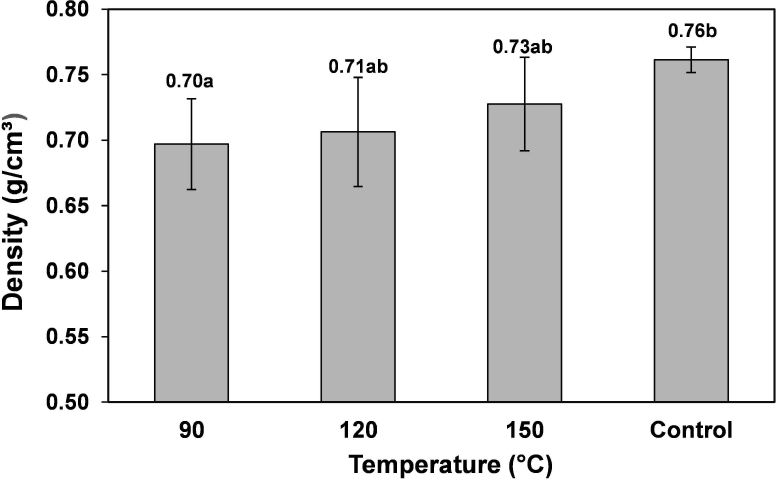
The reduction in density following thermal modification can be attributed to the thermal degradation of bamboo constituents, particularly hemicelluloses, and the evaporation of volatile extractives during heating. These processes result in mass loss that is generally greater than the corresponding reduction in board volume, leading to a decrease in density. Similar trends have been reported for thermally modified bamboo and wood materials, where elevated temperatures promote the degradation of low-molecular-weight components and reduce the overall material mass (Lee and Lee, 2021; Li et al., 2022).
Although density decreased after heat treatment, all laminated bamboo boards remained within the medium-density range commonly reported for engineered bamboo products. The relatively small differences among the heat-treated samples suggest that the selected thermal modification temperatures did not cause severe structural degradation. Instead, the treatment primarily altered the chemical composition of the bamboo, contributing to the reduced hygroscopicity. This relationship is consistent with previous studies reporting that thermal modification decreases moisture affinity through the reduction of hydroxyl groups while only moderately affecting density (Gao et al., 2024; Jiang et al., 2021).
The average of the equilibrium moisture content (EMC) at room humidity with relative humidity (RH) of about 75% was observed. The results for the EMC of laminated bamboo boards at wet humidity with RH of 98% were also examined. According to the data obtained, the highest value was recorded in the control sample (without heat treatment), which had an average of 14.76%. The lowest was recorded in the sample treated at 150°C for both 1 hour and 3 hours, with an average of 11.58% as detailed in Table 1. These results suggest that higher temperatures significantly reduced the EMC of the bamboo boards, signifying a lower hygroscopicity. The observation implied less ability of the bamboo to absorb moisture from the surrounding environment, which was a desirable trait for enhancing the material’s durability and stability.
The results of the ANOVA showed that the interaction between temperature and duration significantly affects the EMC of the laminated bamboo boards. This effect was observed at a 95% confidence level (α = 0.05), confirming the crucial role of both temperature and treatment duration in altering the moisture properties of bamboo. Furthermore, the HSD test was performed to determine the magnitude of the differences in the influencing factors. The histogram for the effect of temperature and heat treatment time on EMC is presented in Fig. 2. This evidence emphasized the importance of optimizing the heat treatment process to achieve the desired balance between reducing MC and maintaining the physical integrity of bamboo. The study provides valuable information for improving the hygroscopicity and overall performance of the material in various applications.
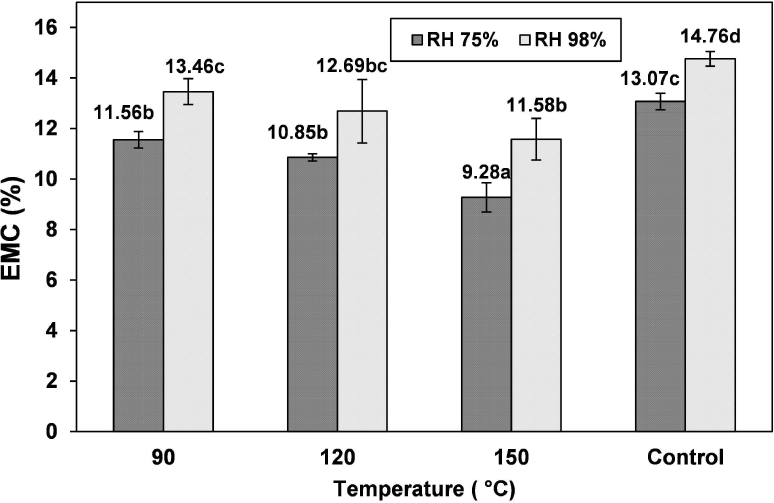
Hygroscopicity measures how much a material absorbs water under humid conditions, and is determined by the MC. In this study, the average MC at room humidity was 11.19%, with a range from 9.19% to 13.07%. The lowest MC was observed in the 150°C for 3-hour treatment (9.19%), while the highest was in the control sample (13.07%). At 98% RH, the average MC was 13.12%, with values between 11.43% and 14.76%. The control sample again had the highest MC (14.76%), while the 150°C for 3-hour treatment had the lowest (11.43%). The ANOVA results showed that temperature and heat treatment time significantly affect the MC, with the interaction between temperature and time also influencing the MC at a significance level of α = 0.05. Tukey HSD test confirmed that higher temperatures and longer treatment times reduced the MC, meaning lower hygroscopicity.
At temperatures above 140°C, the number of free hydroxyl (–OH) groups in the bamboo structure decreased, while the amorphous regions of the microfibrils partially transitioned into more crystalline structures. This crystallisation process led to an increase in the crystallinity of cellulose within the material. The formation of internal hydrogen and ether bonds within the cellulose structure further contributed to the reduced water absorption ability. The bamboo becomes more water-resistant, decreasing its equilibrium MC. These results are in line with the concept that heat treatment improved the water resistance by modifying the chemical structure, particularly by reducing the availability of free –OH groups and promoting cellulose crystallisation. As a result, bamboo undergoes changes that enhance its stability and durability, increasing its suitability for various applications, particularly in environments with high moisture exposure.
An indirect relationship was observed between contact angle and equilibrium MC in the samples (Kaewtrakulchai et al., 2025). Furthermore, several factors influenced the decrease in MC during heat treatment (Coto, 2005) stated that drying to low moisture levels promoted the transformation of amorphous regions into crystalline, thereby reducing the number of –OH groups. Heating also caused the evaporation of water from cell cavities and walls. Reduction in hydrophilic hydroxyl groups, which bind water molecules in cellulose, hemicellulose, and lignin, further decreased moisture absorption. The polymeric structure of bamboo is comparable to that of wood, particularly in the composition of cellulose, hemicellulose, and lignin (Fatrawana et al., 2019; Murda et al., 2022).
Heat treatment reduced water absorption and release from cell walls due to a decrease in hydroxyl groups (Li et al., 2022). Furthermore, it leads to thermal degradation and a reduction in hydroxyl groups in hemicellulose, leading to decreased water absorption by the cell walls (Lee and Lee, 2021). The reduction in equilibrium MC is beneficial in terms of the bamboo’s hygroscopic properties. Hygroscopicity is directly proportional to equilibrium MC (Gao et al., 2024; Jiang et al., 2021). This helped improve bamboo’s resistance to damage from organisms such as fungi.
In addition to MC reduction, thermal modification may contribute to improved dimensional stability by reducing the availability of hygroscopic hydroxyl groups within the bamboo structure. This condition suppressed moisture-induced swelling and deformation, which were important considerations for laminated products used in interior and finishing applications. The dimensional stability of laminated boards was also closely associated with the integrity of interlaminar bonding during environmental moisture fluctuations.
The wettability was determined by measuring the contact angle. The average results for the wettability test of laminated bamboo boards are presented in Table 2. ANOVA was conducted to identify the factors influencing wettability, and the result was obtained. Based on data, the highest contact angle was discovered in the sample treated at 150°C for both 1 hour and 3 hours, with an average value of 19.10°. The lowest was observed from the samples treated at 90°C for both 1 hour and 3 hours, with an average value of 10.68°. The ANOVA results showed that the temperature factor significantly affected the wettability of the samples at the 1% significance level (α = 0.01). The time factor and the interaction between temperature and time did not show significant effects at either the 1% or 5% significance levels. To further examine the magnitude of the differences in the significant factor, the HSD test was performed.
| Temperature (°C) | Time | Average (˚) | |
|---|---|---|---|
| 1 hour (W1) | 3 hours (W2) | ||
| 90 (S1) | 10.88 | 10.49 | 10.68a |
| 120 (S2) | 14.13 | 14.26 | 14.20ab |
| 150 (S3) | 19.17 | 19.02 | 19.10b |
| Mean | 14.73ab | 14.59ab | 13.67 |
| Control | 10.71a | ||
The histogram of the effect of temperature on wettability is shown in Fig. 3, including the average results for the contact angle test. The results of the wettability test on laminated bamboo boards showed an average contact angle of 13.67°, ranging from 10.49° to 19.17°. The lowest (10.49°) occurred in the sample treated at 90°C for 3 hours, while the highest (19.17°) was observed in the sample treated at 150°C for 1 hour. The analysis showed that temperature significantly affects wettability. However, treatment time and the interaction between temperature and time had no effect. Treatment temperature is directly proportional to contact angle, reflecting reduced wettability. Based on observation, samples with smaller contact angles were more easily wetted. Higher temperatures decrease wettability (Amin et al., 2024; Tian et al., 2021; Xiao et al., 2024). Heat treatment caused degradation of bamboo’s chemical components, particularly hemicellulose, leading to fewer hydroxyl groups and increased hydrophobicity. The temperature enhanced non-polar components on the bamboo surface, making it more water-resistant. At 160°C, the contact angle significantly increased, which reduced water absorption and increased surface hydrophobicity (Sipahutar et al., 2021).
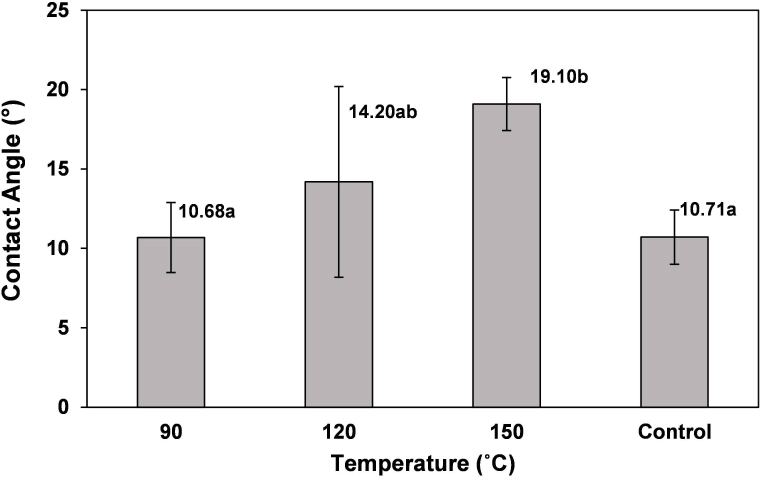
Thermal modification at elevated temperatures may alter the chemical composition and surface characteristics of bamboo. These include degradation of hemicellulose, reduction of accessible hydroxyl groups, and migration of extractive compounds toward the surface. The changes can reduce surface energy and wettability, potentially affecting coating adhesion and finishing performance. In the present study, the 90°C treatment appeared to provide a more favorable balance between surface stability and coating compatibility, while higher treatment temperatures reduced finishing quality.
The results of color properties were presented in Table 3. The results of the HSD test showed that the samples treated at 150°C featured more noticeable color changes compared to those treated at lower temperatures, such as 90°C (Fig. 4). The visual appearance of Betung bamboo laminated boards before and after thermal modification treatments is shown in Fig. 5. The time factor also played a crucial role in determining the extent of color change, with longer treatment durations leading to more significant color changes. The results from the HSD test and the ANOVA provided valuable insights into the relationship between temperature, time, and the color change of laminated bamboo boards. This evidence emphasized the importance of carefully controlling the temperature and duration of heat treatment to achieve the desired color change and finishing quality for bamboo-based materials.
| Temperature (°C) | Time | Average (ΔE) | |
|---|---|---|---|
| 1 hour (W1) | 3 hours (W2) | ||
| 90 (S1) | 2.10 | 3.33 | 2.71a |
| 120 (S2) | 2.22 | 3.61 | 2.91ab |
| 150 (S3) | 2.85 | 4.55 | 3.70b |
| Mean | 2.39a | 3.83b | 3.11 |
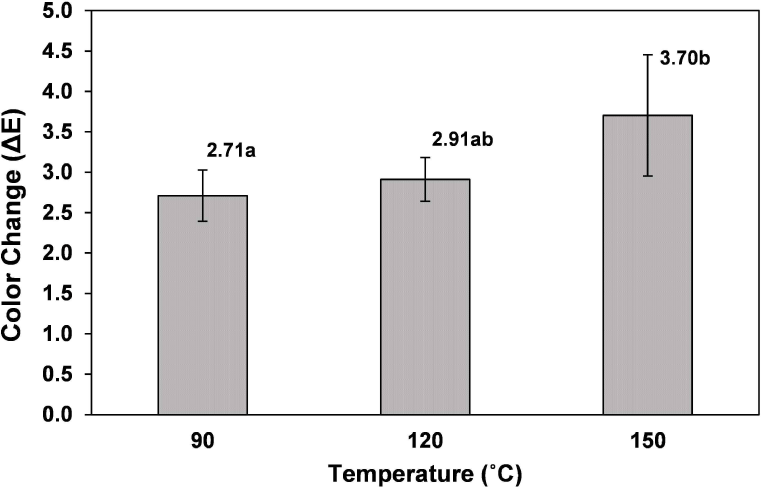

The color change test evaluated alterations in the appearance of heat-treated laminated bamboo boards. In this study, the average color change reached 3.11, with values ranging from 2.10 to 4.55. Treatment at 90°C for 1 hour produced the lowest value (2.10), while treatment at 150°C for 3 hours led to the highest value (4.55). This variation reflected the influence of heat treatment conditions on board appearance. Furthermore, statistical analysis demonstrated that temperature and treatment duration significantly affect color change, with higher temperatures and longer exposure producing greater discoloration. No significant interaction occurred between both factors, signifying independent effects on color change.
In this study, the color change observed was associated with hemicellulose degradation and the migration of extractives to the bamboo surface, both of which caused darkening. Higher temperatures generally produced darker coloration, a characteristic commonly reported in both bamboo and wood due to similarities in chemical composition. Based on observation, color change remained modest at lower temperatures but increased with rising temperature. Previous studies similarly reported greater discoloration in bamboo treated at 140°C and 160°C, confirming the strong influence of temperature on color changes.
Comparison with previous studies suggested that bamboo’s response to heat treatment was closely associated with changes in chemical composition. Heat exposure promoted degradation of lignocellulosic components, particularly hemicellulose, leading to color change. Increasing temperature also modified cellulose structure and promoted migration of extractives, including lignin, to the surface, thereby intensifying darkening. Based on observation, higher-temperature treatments produced greater color change. These results suggested that careful control of treatment temperature and duration influenced the final appearance of bamboo and may be applied to achieve specific aesthetic characteristics. Previous studies on bamboo treated at 140°C–160°C similarly reported substantially greater discoloration than observed in the present study.
Heat treatment at these temperatures contributed to much darker shades, emphasizing the effect of higher heat treatment on color alteration. The studies further reinforced the report that temperature played a key role in determining the extent of color change in bamboo. The pronounced discoloration may improve visual appeal but can also limit suitability for applications where color consistency is preferred. These results underscore the importance of controlling temperature and duration during heat treatment of laminated boards. The color changes observed in this study were moderate but provided useful insight into improving the visual properties of bamboo through thermal modification.
The average results of the cross-cut test for the laminated bamboo boards are shown in Table 4. ANOVA was conducted to identify factors influencing the cross-cut test. Based on the analyzed data, the highest layer damage occurred in the sample treated at 90°C for 1 hour and 3 hours, with an average value of 3.67%. Meanwhile, the lowest was observed in the sample treated at 150°C for 1 hour and 3 hours, with an average value of 0.67%.
| Temperature (°C) | Time | Average of failure (%) | |
|---|---|---|---|
| 1 hour (W1) | 3 hours (W2) | ||
| 90 (S1) | 5.33 | 2.00 | 3.67 |
| 120 (S2) | 2.00 | 1.67 | 1.83 |
| 150 (S3) | 1.33 | 0.00 | 0.67 |
| Mean | 2.89 | 1.22 | 2.04 |
| Control | 2.00 | ||
The cross-cut test measures the adhesion strength of a finishing layer to its substrate. The results showed an average value of 2.04%, ranging from 0% to 5.33%. The lowest value (0%) was observed at 150°C for 3 hours, while the highest value (5.33%) was observed at 90°C for 1 hour. Treatments at 90°C, 120°C, and 150°C for 1 and 3 hours were rated as “good” due to minor cracks and less than 5% damage to the layer. Statistical analysis showed that neither temperature nor duration significantly affected the cross-cut test results, and no significant interaction was observed between these factors. A downward trend was identified, where higher temperatures and treatment durations led to lower cross-cut test values, which signified better adhesion. The results correspond to previous studies, where stronger adhesion correlates with less damage. The water-based finishing material used in this study possibly contributed to good results by better penetrating the bamboo substrate.
Reduction in the MC of the bamboo below 15% enhanced the finishing layer’s adhesion. Based on the results obtained, high MC hindered absorption and led to more damage. Therefore, the study consistently identified cross-cut test values below 5%, which confirmed strong adhesion.
The average coin test score was presented in Table 5, and ANOVA showed that neither temperature nor treatment time had a significant effect on the adhesion values at both α = 0.01 and α = 0.05. The interaction between both variables also did not significantly impact adhesion, hence, no further HSD test was conducted. In terms of the coin test, the average scores for the laminated bamboo boards were provided. All treatments produced a score of 4 (good), with the untreated sample also receiving a score of 4. The similar coin test results observed across all treatment conditions may be associated with the relatively dense structure of laminated bamboo and the consistent film-forming behavior of the applied finishing material. Despite thermal modification, the coating layer remained sufficiently uniform to maintain comparable resistance against surface indentation and coating damage. Since temperature, time, and the interaction of both factors did not affect the finishing quality, no further HSD test was necessary.
| Temperature (°C) | Time | Mean score | |
|---|---|---|---|
| 1 hour (W1) | 3 hours (W2) | ||
| 90 (S1) | 4 | 4 | 4 |
| 120 (S2) | 4 | 4 | 4 |
| 150 (S3) | 4 | 4 | 4 |
| Control | 4 | ||
The coin test was used to assess the flexibility or brittleness of a finishing layer on its substrate. This includes the evaluation of the adhesive ability of the finishing material to the substrate or underlying paint layer. The results are presented in Table 5. It shows an average coin test score of 4 (good), reflecting a flexible finishing layer with no visible white discoloration and a soft, pliable response during testing. All temperature and time conditions produced the same score of 4, hence, no variance analysis was conducted due to the uniform results, suggesting good quality for all the samples. Bamboo treated at temperatures ≤ 150°C did not show any significant structural damage, indicating minimal degradation, while dimensional stability improved with rising temperatures. Since this study used temperatures ≤ 150°C, no significant physical or chemical changes occurred, but dimensional stability was improved (Li et al., 2022). This possibly contributed to the uniform flexibility results (score of 4) observed in the study. The correct composition of the finishing material was adopted, and there were no issues with the flexibility. In this study, the finishing composition of 70% material and 30% water was in line with the technical data provided by the manufacturer for top coat application (Van Acker et al., 2023).
The results presented in Table 6 showed that most samples had a pencil hardness of 6H, reflecting an excellent outcome. Almost all treatments produced samples with very good hardness values on the finishing layer, with a pencil hardness code of 6H. At 150°C for 3 hours, samples showed a fair finishing layer hardness, with a pencil hardness code of 3H, signifying a sufficient level.
The test evaluated the quality of the finishing layer by scratching the surface with pencils of varying hardness grades, with resistance determined by the highest pencil grade that did not damage the coating. Results in Table 6 showed that Betung bamboo laminate treated at 90°C for 1 and 3 hours achieved excellent performance (6H). Samples treated at 120°C and 150°C for 1 hour also showed similarly high resistance. In addition, some specimens recorded good performance (5H), while 3-hour treatments produced a range of results between 6H and 3H. Heat treatment improved surface performance by reducing MC and volatile compounds, which enhanced dimensional stability and adhesion. The use of water-based finishes, known for rapid drying and smooth application, further contributed to improved surface resistance. Although bamboo’s high hygroscopic nature can influence coating absorption, heat treatment reduced this effect, resulting in a more stable and resistant finish.
The hardness was also evaluated in relation to the density of the laminated bamboo boards. Although thermal modification slightly reduced density compared to the untreated control, most treated samples maintained high hardness values (5H–6H). This result suggests that hardness was not solely governed by density. Instead, the improved hardness is likely associated with the reduced hygroscopicity and enhanced dimensional stability resulting from thermal modification. The lower moisture affinity of heat-treated bamboo can provide a more stable substrate for coating adhesion and curing, thereby enhancing the finishing layer’s resistance to indentation and scratching.
The delamination test results showed no peeling of the finishing layer in any treated samples. As all samples produced identical outcomes, no further HSD test was conducted for delamination. The results enhanced understanding of how heat treatment modified the appearance and physical properties of bamboo, thereby increasing its suitability for applications in furniture manufacturing, construction, and decorative use. The evidence also suggests the potential for optimizing heat treatment conditions to achieve targeted color outcomes. Future studies may examine the relationship between heat treatment parameters and other properties, including mechanical strength, durability, and moisture resistance, to better clarify their interactions. Given the growing demand for sustainable materials in construction and design, controlled color modification through heat treatment offers promising opportunities to expand bamboo applications while maintaining the environmental benefits.
The results are consistent with previous studies reporting that heat treatment darkens bamboo and wood through hemicellulose degradation and surface migration of extractives. In this study, color change remained modest, particularly at lower temperatures. As the temperature increased, discoloration became more pronounced, in line with reports on bamboo treated at 140°C and 160°C, where stronger darkening occurred. Although changes were less severe due to the lower temperature range, the results confirm temperature as the primary factor governing color change. Higher temperatures produced more pronounced effects through hemicellulose breakdown and extractive migration. Finally, the results clarified how thermal conditions control color change in bamboo.
Overall, the finishing performance of the laminated bamboo boards was closely related to the physical changes induced by thermal modification. The reduction in EMC and hygroscopicity observed at higher treatment temperatures contributed to improved dimensional stability of the bamboo substrate. Although thermal modification slightly reduced the density, the decrease was relatively small and did not adversely affect finishing performance. Instead, the reduced moisture affinity of the thermally modified bamboo provided a more stable substrate for coating application, resulting in consistently high adhesion, hardness, and delamination resistance. The improved dimensional stability likely minimized internal stresses between the coating layer and the bamboo surface, thereby reducing risks of coating defects, including cracking, peeling, and interfacial failure. These findings demonstrate that thermal modification can enhance the suitability of laminated bamboo boards for furniture, interior finishing, and other value-added construction applications where coating performance and dimensional stability are important requirements.
4. CONCLUSIONS
In conclusion, temperature differences in heat modification significantly influenced the equilibrium MC, contact angle, and color change values. As the temperature increases, the equilibrium MC decreases, while both the contact angle and color change increase. This suggested that higher temperatures led to a reduction in the bamboo’s ability to absorb moisture, accompanied by enhanced surface properties such as wettability and increased color change due to the heat treatment process.
The duration of heat modification played a crucial role in influencing the equilibrium MC and color change. Longer modification times contributed to lower equilibrium MC, signifying a decrease in the bamboo’s hygroscopicity. Meanwhile, prolonged exposure to heat caused more significant color changes. This proved that heat treatment was an effective method for changing the aesthetic properties of bamboo laminated boards. The results are essential for understanding how temperature and time interact to control the physical characteristics of bamboo, which can be crucial for optimizing its use in various applications.
The interaction between temperature and heat modification time had a significant effect on the equilibrium MC at 98% RH. The best finishing quality was achieved with a 90°C treatment for 1 hour, which produced a cross-cut test result of 3.67% (good), a coin test score of 4 (good), excellent hardness, and a 0% delamination test result, while maintaining time and cost efficiency. Although thermal modification slightly reduced the density of the laminated bamboo boards, hardness performance remained high under most treatment conditions. This finding suggests that finishing quality was influenced more by reduced hygroscopicity and improved dimensional stability than by density alone. The enhanced stability of the bamboo substrate likely contributed to better coating performance and resistance to surface damage. Based on these results, heat modification should be applied at 90°C for 1 hour using an oven. The treatment offered an optimal balance between cost and time efficiency while delivering high-quality results. This showed that precise control of temperature and time significantly improved the finishing quality and properties of bamboo laminated boards.


