

1. INTRODUCTION
The transition toward environmentally friendly materials is mainly driven by environmental challenges related to global warming. This development aligns with the framework of Sustainable Development Goals (SDGs), specifically Goals 11 (Sustainable Cities and Communities) and 12 (Responsible Consumption and Production; Arora and Mishra, 2023). Over several decades, heavy dependence on conventional non-renewable materials in the construction sector has created an urgent need for strong and affordable alternatives with less environmental impact (Chaowana et al., 2021; Irawati et al., 2025; Zhang et al., 2020). Among potential solutions, bamboo has become a highly promising renewable resource (Bahru and Ding, 2021; Montaño and van Dam, 2021) with approximately 32.46 million stems or 14.80 tons in Indonesia (Statistics Indonesia, 2023). Petung bamboo (Dendrocalamus sp.), one of the local species, is widely used because of its large stem diameter with a thick wall of 10–30 mm, rapid growth (3–5 years), and a comparable lignocellulose content to wood (de Sá et al., 2023; Liese and Köhl, 2015).
The hollow, tapered, and axial mechanical variation properties of bamboo have limited the widespread application (Al-Rukaibawi et al., 2021; Bala and Gupta, 2023). To address this limitation, lamination technology had been identified as a solution by gluing bamboo strips to produce boards or beams that were more stable, uniform, and easy to process (Deng et al., 2023; Liu et al., 2016). Evaluation of various laminated bamboo composites, including glulam, cross-laminated timber, hybrid laminated bamboo, bamboo scrimber, laminated veneer lumber, and plywood, promoted significant promise wood alternatives (Li et al., 2023b; Sumardi et al., 2022; Zhou et al., 2023). However, the dimensional instability, moisture swelling, and susceptibility to fungi of bamboo were also challenges that could be overcome through thermal modification (Zhang et al., 2020).
Thermal modification was used to treat bamboo without applying hazardous chemicals in a more cost-effective, efficient, and safer procedure (Chen et al., 2025; Meng et al., 2023). Previous reports showed that bamboo and wood mechanical, color, sound absorption, physical characteristics, and durability were impacted by thermal modification (Chang et al., 2019; Kang et al., 2018; Kim et al., 2023; Nguyen et al., 2019; Priadi et al., 2023; Ramos and Jimenez, 2025). At 120°C–140°C, thermal modification caused a darker color, increased lignin content, degraded hemicellulose, and reduced water absorption (WA) rate, thereby increasing the hydrophobicity and dimensional stability (Nguyen et al., 2019). Treatment at 180°C–220°C for 60–120 minutes reduced color parameters (L* for lightness as well as a* and b* for the color-opponent dimensions of redness–greenness and blueness–yellowness, respectively), while total color change (ΔE*) increased substantially (Lee and Lee, 2021). Tensile strength of bamboo veneer composites was safely maintained at 140°C, but it decreased approximately 50% at 200°C due to the degradation of cellulose polymer, despite stable crystallinity (Lin et al., 2023). Bao et al. (2024) and Wang et al. (2020) found that raising the heat treatment temperature of bamboo from 140°C to 160°C, along with a steaming process, greatly reduced the equilibrium moisture content (MC), thickness swelling, and WA, while also enhancing its modulus of rupture (MOR), with hardness staying the same. Maulana et al. (2024) made oriented strand board from thermally modified bamboo strands, which tended to improve dimensional stability and significantly increased the mechanical strength from 140°C to 160°C for 3 hours. This suggests that mild thermal modification at 160°C for 3 h offers a viable method to control color change and enhance dimensional stability without substantially sacrificing mechanical strength. The modification also affected all wooden properties, including chemical properties (Hill et al., 2021; Kim and Kim, 2019; Schulz et al., 2021), which influence adhesion properties.
Adhesion properties of laminated products are affected by adhesive types and application conditions. During the manufacture of laminated bamboo, synthetic adhesives derived from formaldehyde (Kelkar et al., 2021; Sewar et al., 2024), polyvinyl acetate (de Lima et al., 2023; Rofii et al., 2024), isocyanate (Sumardi et al., 2022), and epoxy have been widely used (Bora et al., 2022). Synthetic adhesives had detrimental effects on the environment and human health, showing the need for natural alternatives (Semple et al., 2015). In this context, the use of citric acid-based adhesive or mixture with other substances like starch, sucrose, maltodextrin, sorbitol, and tannin has shown promising results in particleboard (Aisyadea et al., 2023; Lin et al., 2022; Umemura et al., 2015; Widyorini et al., 2017, 2018; Zhao et al., 2016), fiberboard (Hakim et al., 2021; Widyorini et al., 2018), and plywood manufacturing (Li et al., 2023a; Zhao et al., 2019). However, information related to the application of laminated bamboo products is still limited. Among these adhesives, citric acid-starch and citric acid-sucrose have advantages in availability, accessibility, and remarkable composite product quality at a ratio of 75/25 wt% (Umemura et al., 2015; Widyorini et al., 2017). A previous study by Kusumah et al. (2020) successfully fabricated the 6 mm sengon plywood that satisfied Indonesian National Standard (SNI) 01-2008. The experiment involved using a citric acid-starch adhesive at a 50/50 wt% ratio, with a glue spread of 150 g/m2, a pressing temperature of 180°C for 10 minutes, and achieved a shear strength of 1.3 MPa. Zhao et al. (2019) also synthesized citric acid-sucrose plywood at a ratio of 75/25 wt%. Under the optimal pressing temperature of 190°C for 7 minutes and a glue spread of 140 g/m2, a 4.5 mm-thick poplar plywood satisfied the GB/T 9846-2015 standard with a shear strength of 1.1 MPa.
This study focused on investigating the effect of mild thermal modification (160°C for 3 hours) on physical properties, mechanical properties, and chemical composition of bamboo strips, as well as adhesion properties of citric acid-based laminated bamboo. The findings of this study will enrich knowledge in the application of citric acid-based adhesive, as a natural adhesive, for manufacturing eco-friendly laminated bamboo.
2. MATERIALS and METHODS
A 3-to-4-year-old petung bamboo culm sourced from Margoagung, Seyegan, Sleman, Yogyakarta, Indonesia was used as raw material. Bamboo culm was cut into 2 m lengths at a consistent height of 2 m above the ground, and processed into strips with a 3 cm width. These strips had an initial thickness of 1–1.5 cm and were processed by removing the bark, planing into a uniform thickness of 0.8 cm, and cutting into 30 cm lengths (Fig. 1). The selected bamboo specimens were free from spiral and interlocked grain fibers, the nodal region, powderpost beetles, and other defects. The MC of the bamboo strips was initially measured using a portable moisture meter (Series 10037769, Krisbow Indonesia, Jakarta, Indonesia) for preliminary assessment, with values ranging from 12% to 14%.
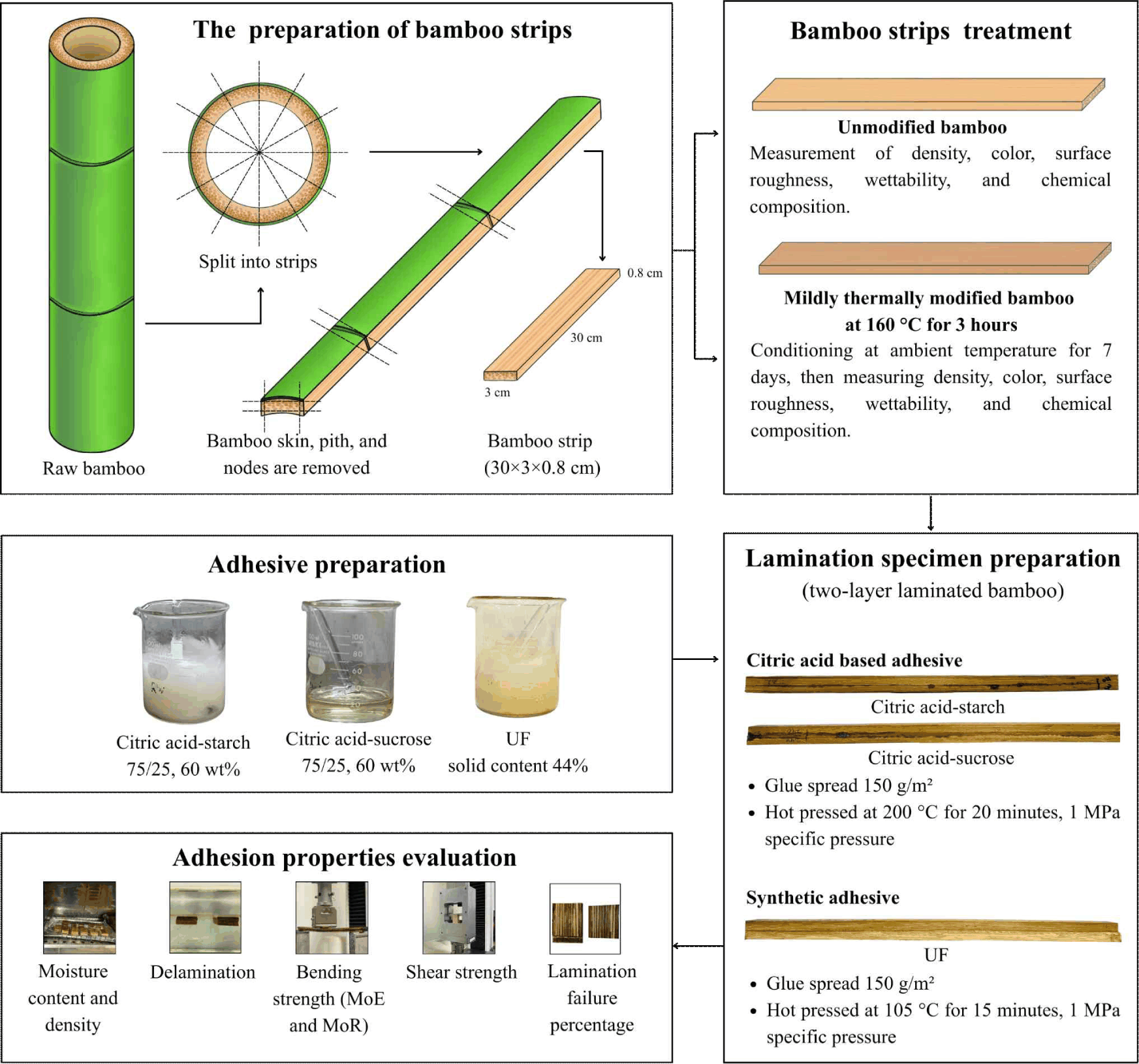
Prior to thermal treatment, the MC of bamboo strips was then determined using the oven-dry method at 103 ± 2°C until a constant weight was achieved, in accordance with British Standard (BS) 373 (BSI, 1957). Although a portable moisture meter was used for preliminary assessment, no specific calibration for bamboo was applied; therefore, only oven-dry measurements were used for subsequent analysis to ensure accuracy and reproducibility. The MC of untreated bamboo strips ranged from 11.55% to 12.17%. Thermal modification was carried out in a laboratory oven. Bamboo strips were heated from 34°C to 160°C over approximately 30 min, after which the temperature was maintained at 160°C for 3 h. The oven was then switched off, and the samples were allowed to cool to room temperature inside the closed oven overnight under ambient atmospheric conditions. Subsequently, the treated bamboo strips were conditioned at room temperature (26°C–28°C, 70%–78% relative humidity) for approximately 1 week prior to evaluation and lamination. For comparison purposes, unmodified bamboo strips were also prepared. This was followed by the evaluation of various parameters, including density, MC, color, surface roughness, wettability, and chemical composition for unmodified and mildly thermally modified bamboo strips.
Density was measured by dividing the weight by the volume of bamboo strips, according to BS 373 (BSI, 1957). The dimensions of each specimen were measured using digital calipers, and the volume was calculated accordingly. Color was determined through a spectrophotometer DS-200 (Hinotek Group, Ningbo, China) and expressed in the CIE*Lab system. L* referred to lightness, a* served as an indicator color from green to red, and b* represented the indicator color from blue to yellow. Color change (ΔE*) between unmodified and mildly thermally modified bamboo strips was also determined. Subsequently, surface roughness (Ra) was measured using a stylus profilometer instrument SRT 6200 (Guangzhou Landtek Instruments, Guangzhou, China) with a 2.5 mm cut-off length. Wettability was evaluated through the sessile drop method by measuring the contact angle (θ) of water droplets on the bamboo surface after 5s droplet deposition. Color, surface roughness, and contact angle were measured at three points on each of the two primary surfaces, totaling six measurements per sample. The average value of these parameters was then calculated and used for descriptive analysis to evaluate the effects of mild thermal modification. No statistical analysis was performed for these parameters.
The chemical compositions of bamboo analyzed were cold-water extractive, hot-water extractive, holocellulose, and alpha-cellulose. The cold-water and hot-water extractives content was quantified according to ASTM D1110-84 (ASTM, 2001). Holocellulose content was determined through the modification of the chlorite acid method of Wise (Browning, 1967), while alpha-cellulose was determined following the procedures by Rowell et al. (2005).
Citric acid (Brataco, Yogyakarta, Indonesia), Garut (Maranta arundinacea) starch, and sucrose (Multi Kimia Raya Nusantara, Semarang, Indonesia) were prepared for adhesives. Specifically, citric acid-based adhesive was synthesized by mixing citric acid and starch, as well as citric acid and sucrose, in a ratio of 75/25 wt% and a concentration of 60 wt%. The solution for citric acid-starch was stirred at 60°C–70°C for 20 minutes, while citric acid-sucrose was stirred for 1 h at the same temperature following Zhao et al. (2019). The pH of citric acid-based adhesive was determined using a pH meter SK-60PH (SK SATO, Tokyo, Japan), meanwhile the viscosity was measured with a Viscometer Brookfield LVDV-E (Brookfield Engineering Laboratories, Middleboro, MA, USA). The characteristics of citric acid-based adhesive were presented in Table 1. Furthermore, urea formaldehyde (UF; Alfa Polymer Indonesia, Bandung, Indonesia), as a reference adhesive, was prepared with a concentration of 44% and 1% NH4Cl.
| Adhesive types | pH | Viscosity (cP) |
|---|---|---|
| Citric acid-starch | 1.18 ± 0.29 | 500 ± 14 |
| Citric acid-sucrose | 1.00 ± 0.04 | 11.45 ± 4.07 |
The glue spread of the adhesive was 150 g/m2. All treatments are summarized in Table 2. A panel (two-layer laminated bamboo) bonded with citric acid-based adhesive was manufactured by applying a hot press at 200°C with a pressure of 1.0 MPa for 20 min. However, two-layer laminated bamboo bonded with UF was hot-pressed at 105°C, with the same pressure for 15 min, following the glue catalogs. All laminated bamboo samples were then conditioned under identical ambient temperatures (26°C–28°C) and relative humidity (70%–78%) for 1 week prior to adhesion properties evaluation. The manufacturing process of laminated bamboo is summarized in Fig. 1.
Adhesion properties of laminated bamboo were evaluated through physical and mechanical testing. Physical testing encompassed MC, density, and delamination ratio, whilst mechanical testing involved bending strength, shear strength, and bamboo failure percentage subsequent to the shear test. For each treatment condition (Table 2), three independent replications were conducted. In each replication, two panels were produced: one panel was used for bending tests, while the other panel was used to prepare specimens for MC, density, shear strength, and delamination tests. Mean values and SDs were then calculated from the three replications and are presented for clarity.
MC, density, and bending strength were tested according to BS 373 (BSI, 1957), while shear strength was tested following JIS Z2101 (JIS, 2009), with specimen dimensions adapted to the laminated bamboo. The delamination ratio was measured according to JAS 234 (JAS, 2007). The delamination test was conducted by immersing the test specimens (7.5 cm in length × 3 cm in width) in water at an ambient temperature for 24 h, and subsequently oven-dried at 70 ± 3°C until the dried mass of the specimen was within 100%–110% of the prior mass. The delamination ratio was calculated by measuring the percentage of the delamination length on both butt ends based on the total length of the bond line.
The bond lines of laminated bamboo were analyzed using an Olympus BX51 fluorescence microscope (Japan) under blue light on the transverse area. A 1 cm × 1 cm × 1 cm specimen section of citric acid-based and UF-based laminated bamboo was used without any chemical treatment. All specimens were examined at 4 × objective magnification, corresponding to a total magnification of 40 × when combined with a 10 × eyepiece.
Effects of mild thermal modification (P), adhesive types (A), and their interaction (P × A) on the physical (MC, density, and delamination ratio) and mechanical properties (bending strength, shear strength, and bamboo failure percentage) of laminated bamboo were analyzed using two-way analysis of variance (ANOVA) at a significance level of α = 0.05. When significant differences were detected, post-hoc comparisons were performed using Tukey’s HSD test to identify differences among treatment means. All statistical analyses were conducted using IBM SPSS Statistics 27 (IBM, Armonk, NY, USA).
3. RESULTS and DISCUSSION
Physical properties of unmodified and modified bamboo strips are presented in Fig. 2. Based on the results, it could be seen that the mild thermal modification caused a decrease in the average density from 0.74 g/cm3 to 0.69 g/cm3 and the average MC from 11.82% to 8.14%, while the average surface roughness increased from 2.33 μm to 2.49 μm. However, the wettability decreased, as shown by the threefold increase in contact angles (17.40° to 52.42°). Hakkou et al. (2005) stated that the wood wettability change observed at 160°C was caused by the modification of crystalline and amorphous cellulose, rather than extractive generation and mass loss. The contact angle of modified Petung bamboo in this study (52.42°) was even higher than that of the Moso bamboo internode area close to the skin (42°; Zhang et al., 2024), in which this region is rich in silica and has high hydrophobicity.
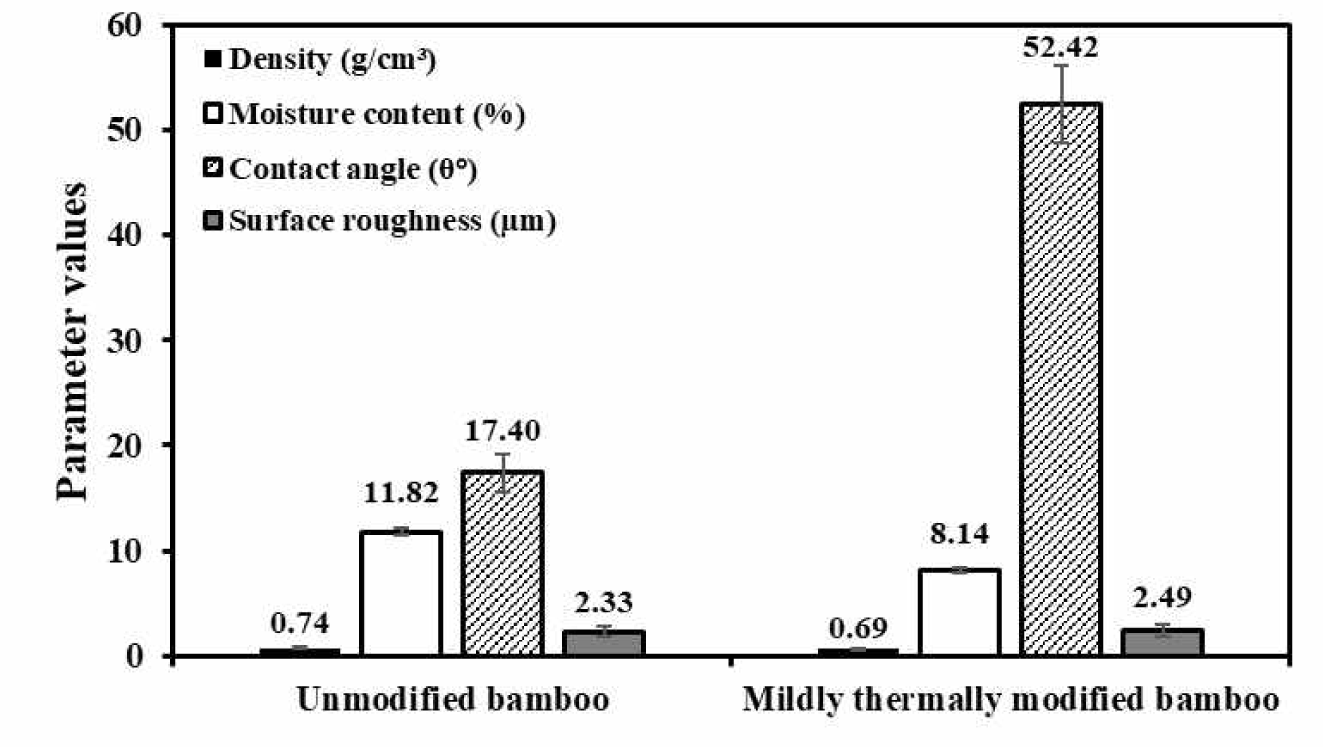
Table 3 presents color indicators of unmodified and thermally modified bamboo strips. The lightness (L*) and b* indicators decreased with mild thermal modification, while the a* indicator increased. The results indicated darkening of bamboo with a subtle reddening and reduction in the yellow hue. A comparable color indicator transformation was observed by Sipahutar et al. (2021) in thermally treated Petung bamboo strands (length 7 cm × width 2.5 cm × 0.08 cm) at 160°C for 3 h. Their study's color change (ΔE*) was observed to be 89% higher compared to the value obtained in this study. The variation in results might be due to the thinner dimension of bamboo materials, underscoring the role of specimen geometry in thermal modification. The ΔE* value in this study was 15.5, classified as a different color (totally changed; as ΔE* > 12; Cui et al., 2004; Hidayat et al., 2017) between untreated and treated samples.


Table 4 shows that the cold- and hot-water extractive contents decreased in bamboo after mild thermal modification, which may affect its wettability. In addition, Wang et al. (2015) also stated that wettability had a strong correlation with the hydroxyl group on the wood surface, as shown by O/C and C1/ C2 ratios. Mildly thermally modified bamboo caused a decrease in holocellulose content, as shown in Table 4, while the alpha-cellulose content remained unchanged. It indicated that hemicellulose was degraded, as mentioned by Nguyen et al. (2019).
The results of the ANOVA based on the physical and mechanical properties of laminated Petung bamboo is presented in Table 5. The interaction of mild thermal modification and adhesive types (P × A) had a significant effect on all evaluated properties. As an individual factor, adhesive type (A) had a significant effect on all properties examined. However, mild thermal modification on bamboo strips (P) significantly affected delamination, shear strength, bamboo failure percentage, MOR, and modulus of elasticity (MOE). This highlights the importance of considering both treatment factors simultaneously rather than independently.
Density and MC of laminated bamboo are shown in Fig. 3. In this study, citric acid-bonded laminated bamboo showed consistently higher density than UF-bonded laminated bamboo, both in unmodified and modified bamboo strips treatments. Based on the data of MC bamboo strips (Fig. 2) and laminated bamboo panels (Fig. 3), there was a different trend of decreasing MC. When using unmodified bamboo strips to make laminated bamboo, the MC decreased from 11.82% to 5.21% (citric acid-starch), 3.88% (citric acid-sucrose), and 9.14% (UF), respectively. The results showed that adhesive types significantly affected the MC laminated bamboo made from unmodified bamboo strips. Despite both (citric acid-based and UF-based) using their respective optimal curing temperatures, the higher pressing temperature and longer pressing time of citric-acid-based laminated bamboo affected the hygroscopicity of unmodified bamboo, therefore influencing the MC of the laminated bamboo. Interestingly, when mildly thermally modified bamboo strips were used as material, the MC of laminated bamboo was not significantly different. The results showed that the MC of laminated bamboo was more uniform (5.83%–6.31%) regardless of the type of adhesive used. The results showed that the MC of laminated bamboo was predominantly influenced by hygroscopicity. Sala et al. (2020) found that a different MC from 3% to 6% caused only a slight variation in the MOR of wood-based panels, from medium-density fiberboard to plywood, in comparison with a 16% MC.
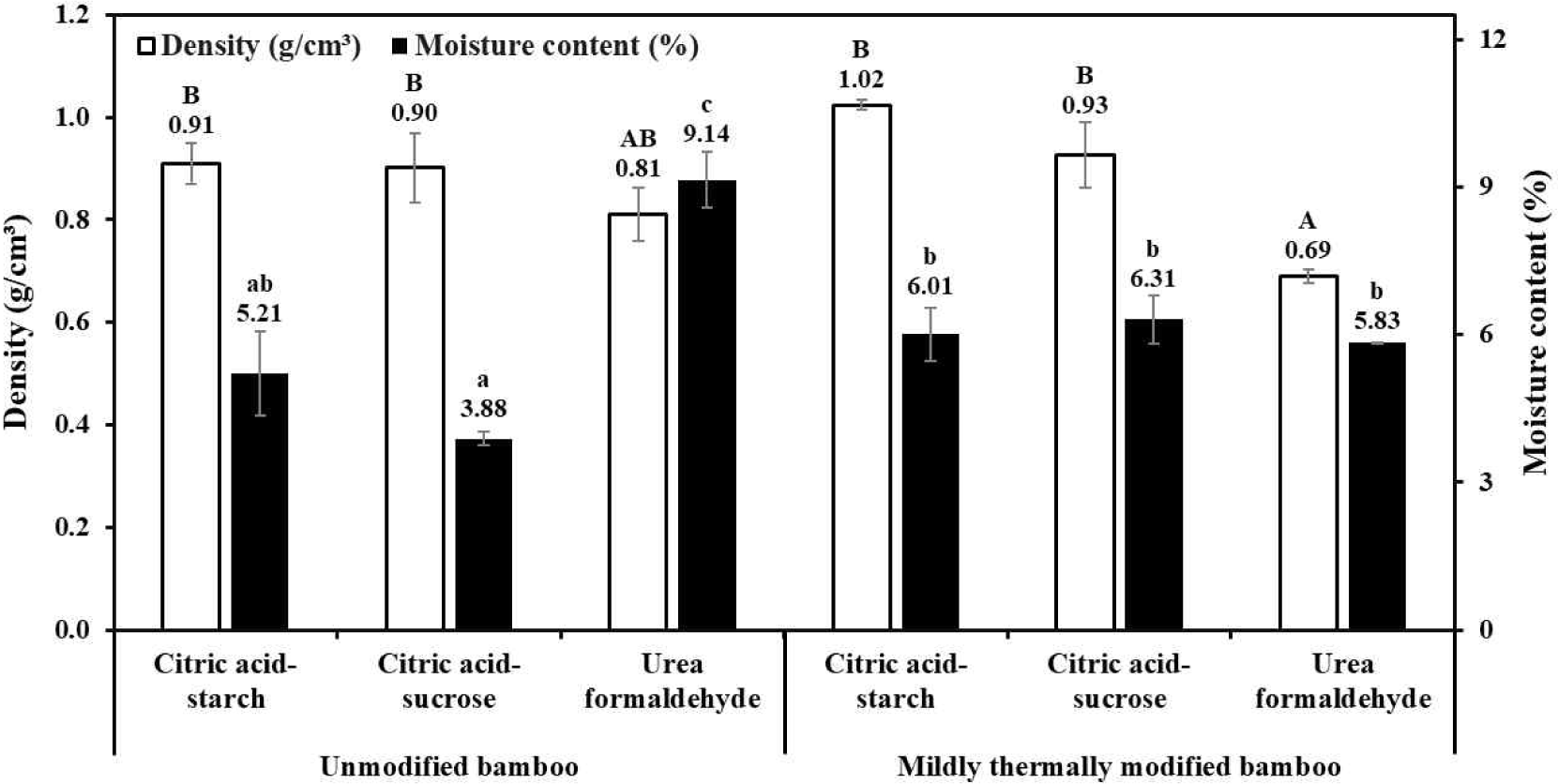
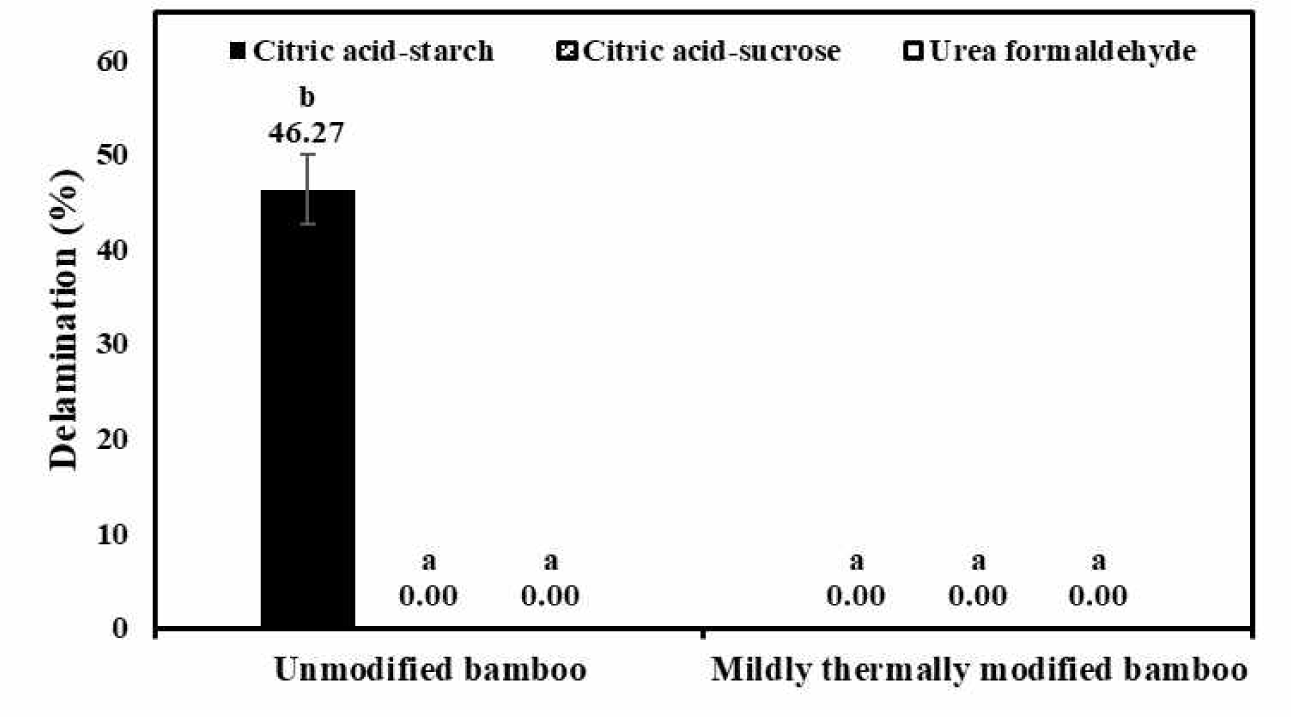
Fig. 4 shows the comparison of delamination between laminated bamboo made from unmodified and mildly thermally modified bamboo strips using three adhesive types. Based on the research results, laminated bamboo bonded with citric acid-sucrose and UF adhesives showed no delamination (0%), whether using both unmodified and modified bamboo strips. However, laminated bamboo bonded with citric acid-starch adhesive showed a different trend, where the delamination value decreased significantly from 46.27% (unmodified bamboo strips) to 0.00% (modified bamboo strips). This meant that the dimensional stability of laminated bamboo bonded with citric acid-starch adhesive increased significantly by mild thermal modification. This suggested that changes in the chemical structure of bamboo after mild thermal modification could cause a decrease in delamination. Bamboo has abundant free hydroxyl and carboxyl groups, which contribute to strong moisture and water absorbability (Li et al., 2022). During mild thermal modification at 160°C, some hemicellulose degradation occurred, causing a reduction in hydroxyl and other hygroscopic groups (Li et al., 2022; Liang et al., 2024). This study demonstrated a reduction in holocellulose content to approximately 5% following mild thermal modification (Table 4). This change might reduce the tendency to absorb moisture and water, thereby increasing the dimensional stability by minimizing swelling and shrinkage in relation to MC fluctuations. Swelling and shrinkage caused by moisture diffusion are related to stress on adhesive lines in laminated products (Zinad and Csiha, 2024). Reducing stress on the adhesive line minimizes adhesive bond failure, causing a reduction in delamination.
Shear strength of unmodified laminated bamboo varied widely based on adhesive types, with the values ranging from 0.5 to 5.39 MPa (Fig. 5). In line with the results, the shear strength of citric acid-sucrose-based laminated bamboo was over fourfold higher than the citric acid-starch-based formulation, though both were significantly lower than that of the UF-based laminated bamboo. Interestingly, when mildly thermally modified bamboo strips were used for laminated bamboo, its shear strength was not significantly different for all types of adhesives. However, this approach excludes the possibility of heat transfer differences during hot pressing due to different MC resulting from mild thermal modifications. Such variations may affect the bonding effectiveness of various types of adhesives. This critical gap warrants dedicated future study.
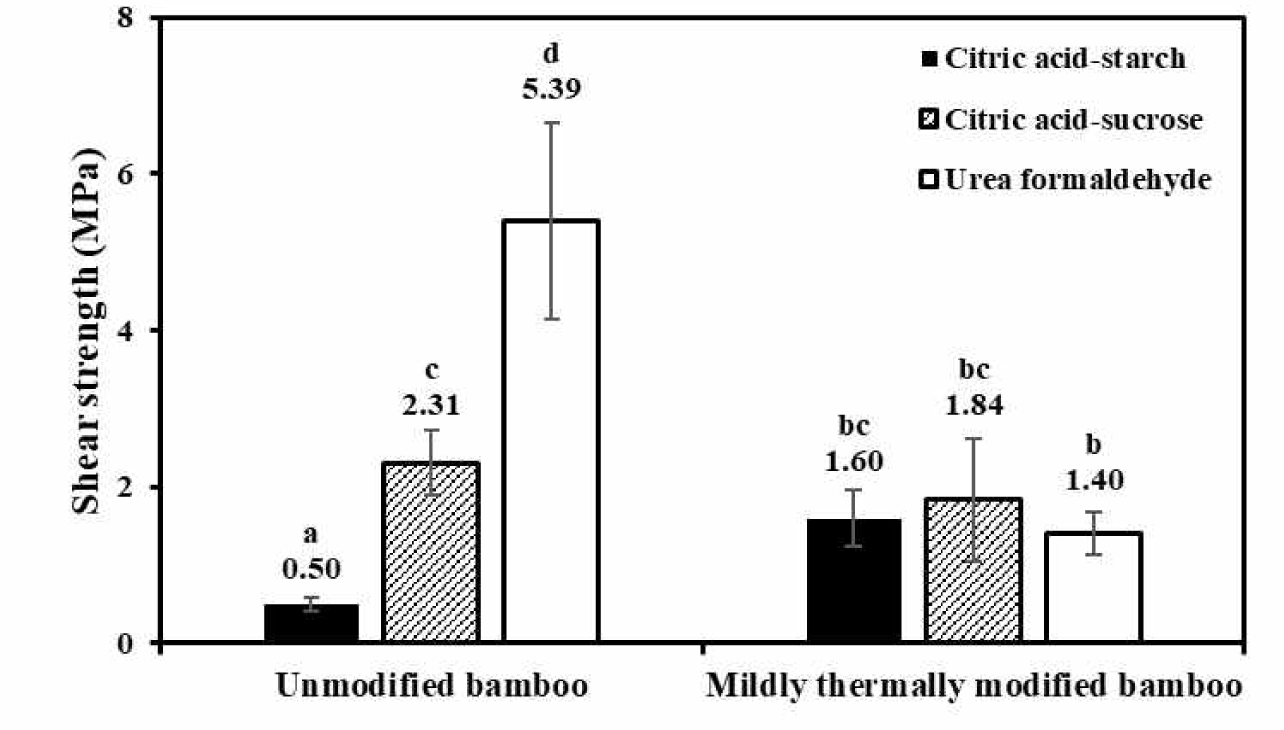
In addition, the shear strength of citric acid-starch-based laminated bamboo was threefold higher than in the unmodified sample. According to Shan et al. (2025), thermal modification of bamboo at 160°C for 5h increased the large pores ranging from 20 to 300 nm, but reduced small pores between 5 and 20 nm. These large pores were expected to facilitate the penetration of the large gelatinized starch molecule, promoting mechanical interlocking and increasing the shear strength.
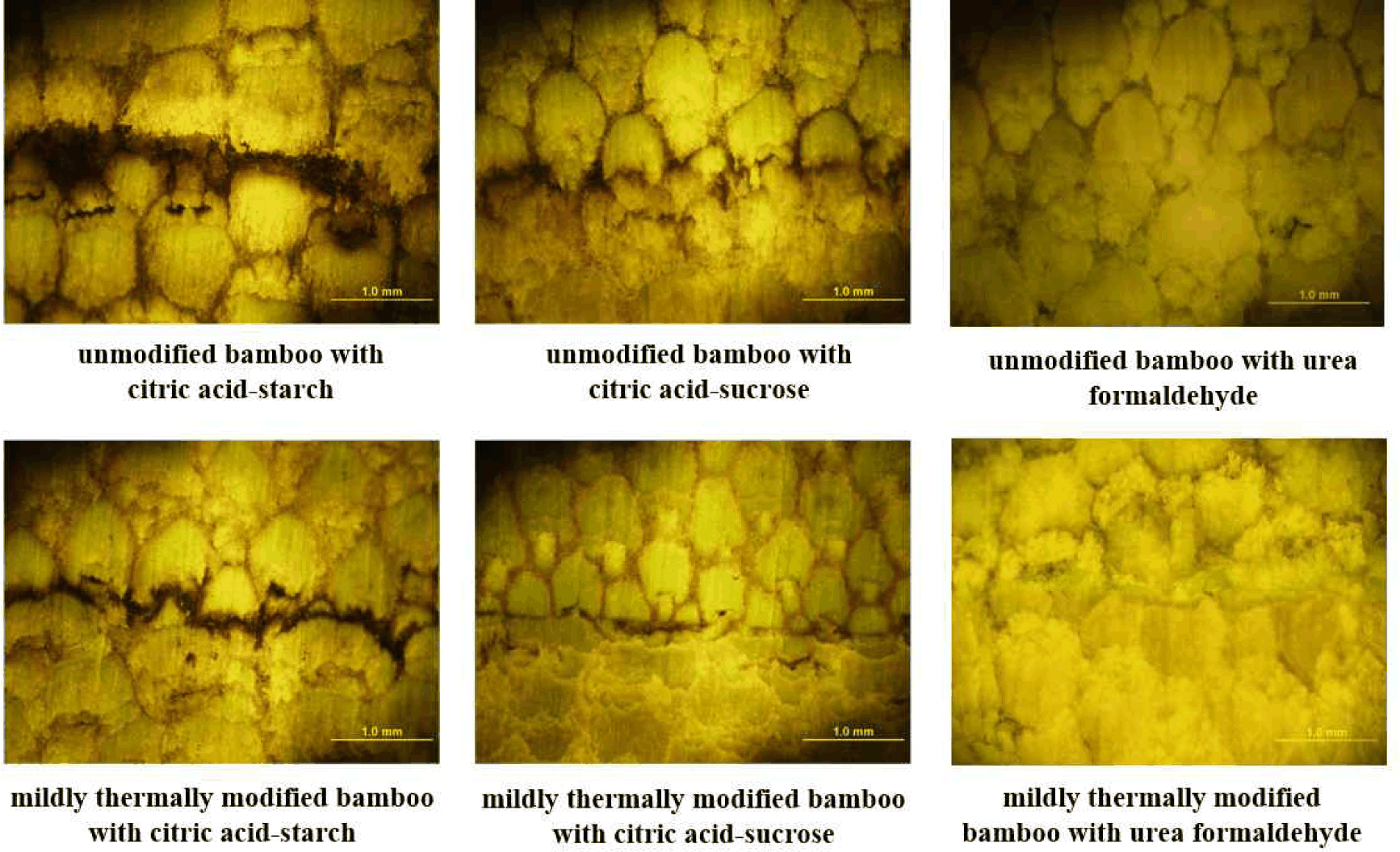
The mechanical interlocking was clearly shown in Fig. 6, particularly for laminated bamboo bonded with a citric acid-based adhesive. Following the mild thermal modification of bamboo strips, the resulting citric acid-starch-based laminated bamboo exhibited a wavy adhesive bonding with a thin, yet adequate, bond line. However, large pores became a concern for low-viscosity and small-molecule adhesives, such as citric acid-sucrose (Table 1), due to the tendency to over-penetrate and cause a starved glue line. Fig. 6 also showed a thinner bond line of laminated bamboo made from mildly thermally modified bamboo compared to unmodified bamboo strips in citric acid-based adhesive. The combination of over-penetration and the reduced surface wettability of the mildly thermally modified bamboo strips could produce lower shear bonding strength. Unfortunately, the UF adhesive used in this study (Fig. 6) lacked a distinct bond line interface, which prevented further analysis.
A distinct bamboo failure percentage trend was observed as an interaction of mild thermal modification and adhesive type (Fig. 7). A lower percentage of bamboo failure was achieved in modified citric acid-based laminated bamboo, compared to consistent 100% failure in UF-bonded laminated bamboo. Bastani et al. (2016) and Masoumi et al. (2023) showed that the effect of thermal modification on wood failure percentage was adhesive type-dependent. This reduced the wood failure percentage in PVAc-bonded poplar and EPI-bonded beech but reached 100% in polyurethane-bonded poplar and beech wood (Bastani et al., 2016). The stiffness of adhesive governs stress transfer to the wood in glued joints and consequently affects the wood failure rate, while the elasticity of the bond line critically influences the fatigue of the adhesive system components (Hänsel et al., 2022; Hass et al., 2013).
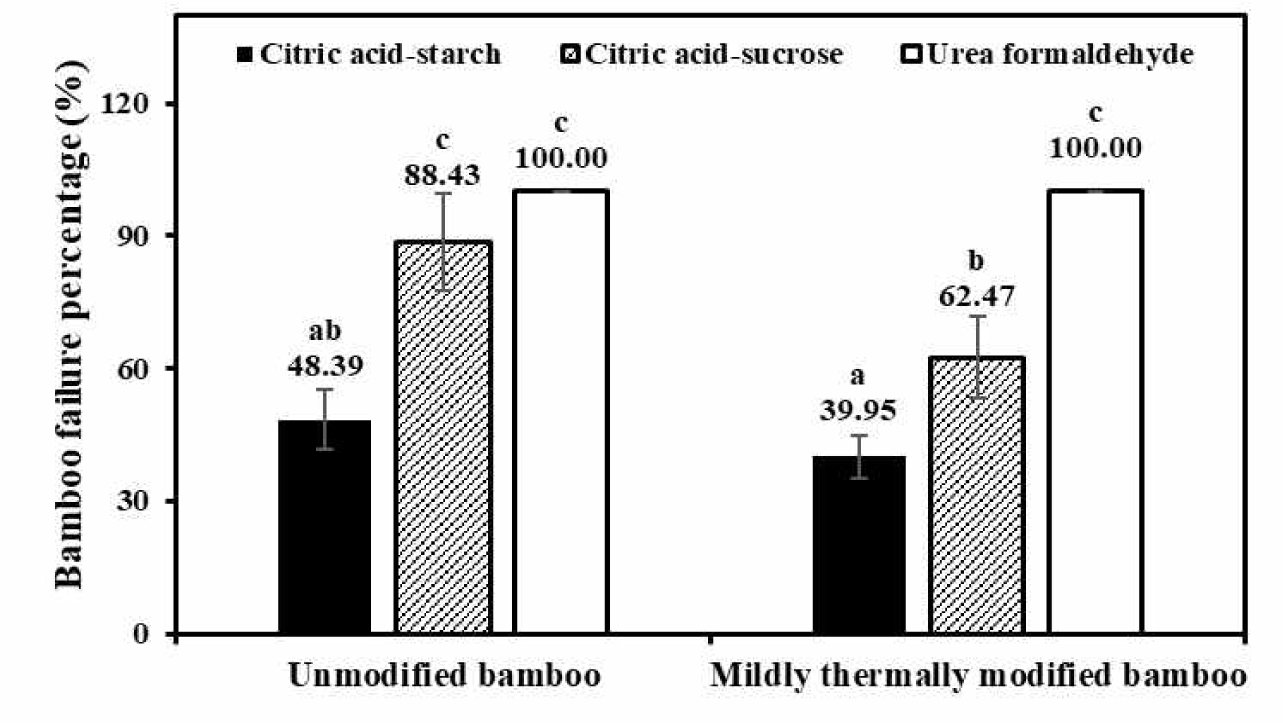
Nearly all bamboo failure percentages in this study exceeded 45%, which was above the minimum wood failure requirement based on EN 386 (EN, 2001) standard for glulam. However, there was an exception for mildly thermally modified laminated bamboo bonded with citric acid-starch (39.95%), despite the fact that it had relatively high shear strength after treatment. This inverse relationship underscores the weak correlation between these two parameters, as reported in a prior study by Aicher et al. (2018).
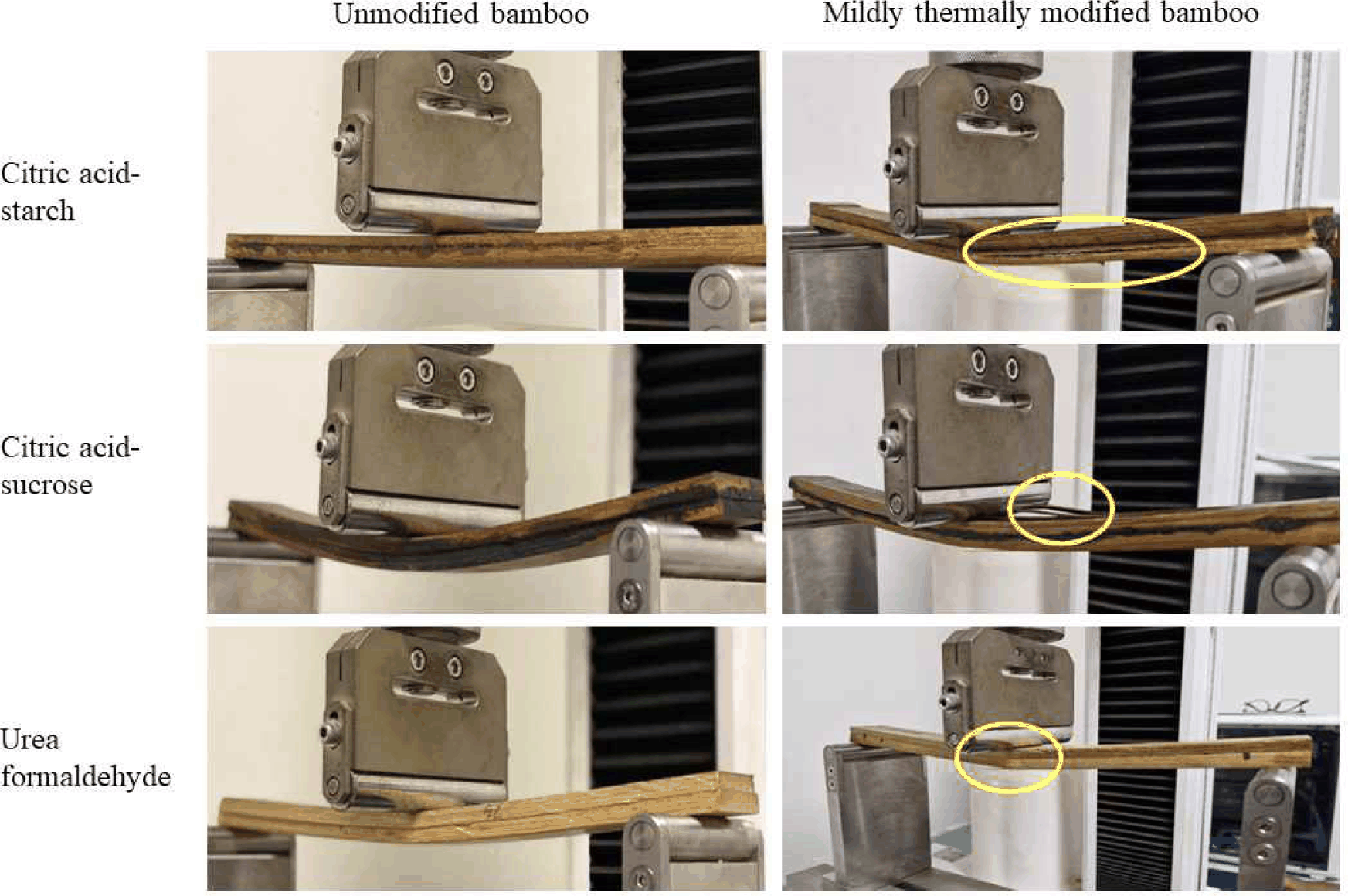
Fig. 8 shows the bending tests of unmodified and mildly thermally modified laminated bamboo on three types of adhesives. Based on the results, MOR and MOE remained unaffected by mild thermal modification on citric acid-sucrose and UF-bonded laminated bamboo. There was an increase in MOR values in laminated bamboo bonded with citric acid-starch adhesive, with an increase of approximately fourfold. These observations are consistent with the ANOVA results (Table 5), which indicate that the influence of mild thermal modification on bending performance depends on the adhesive system used.
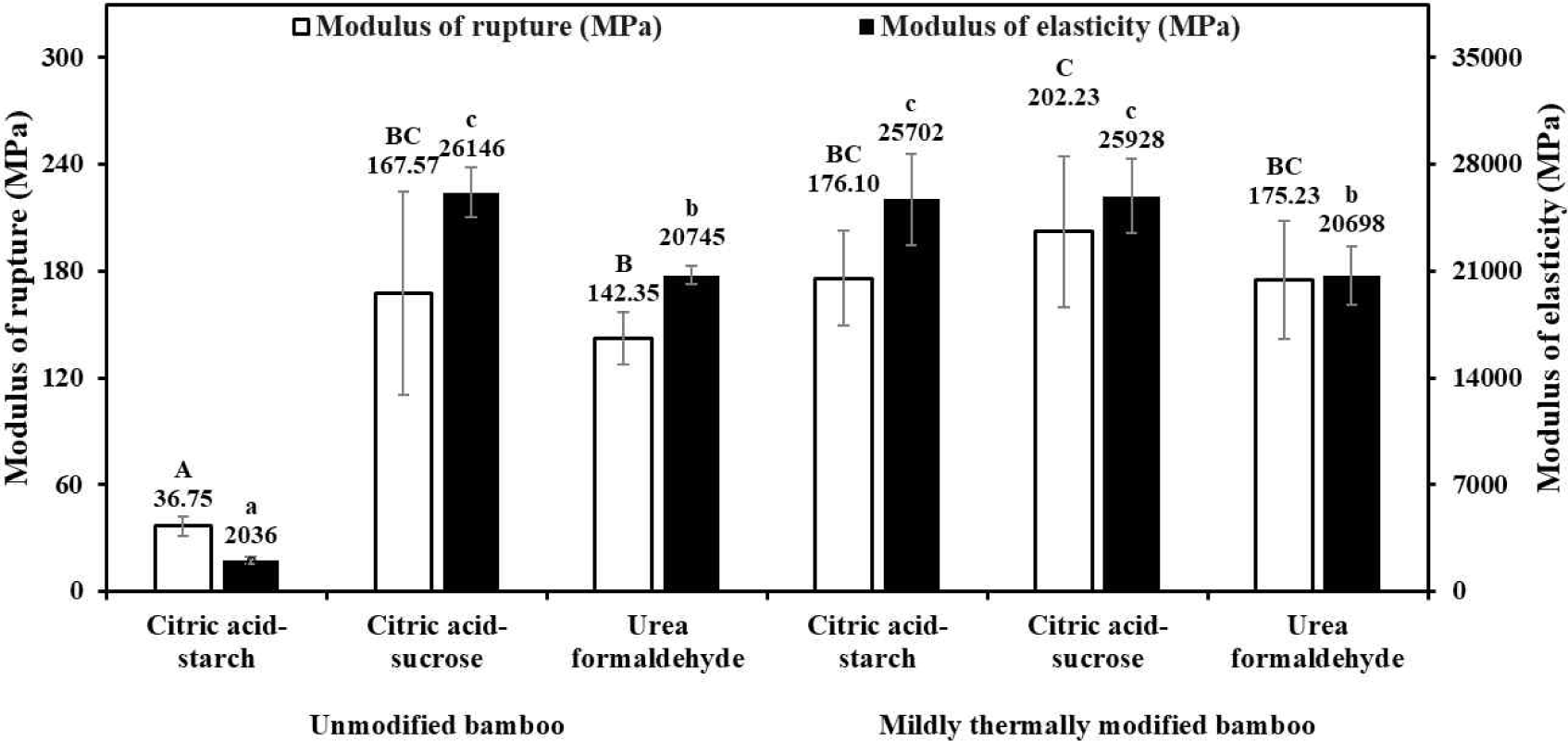
The bending failure of laminated bamboo bonded with citric acid-starch was not confined to the tension zone; instead, more extensive and severe bamboo damage was observed in specimens prepared from mildly thermally modified bamboo strips (Fig. 9). Fiber separation and pull-out were also evident, suggesting that mild thermal modification may weaken inter-fiber bonding. While this behavior may indicate improved stress transfer within the laminate, it also reflects a trade-off in the form of increased susceptibility to fiber damage. In contrast, the bond line of the unmodified laminated bamboo bonded with citric acid-starch failed prematurely, leading to termination of the bending test prior to failure of the bamboo substrate. The observed increases in MOR and MOE may be attributed to the enhanced shear strength of mildly thermally modified laminated bamboo bonded with citric acid-starch adhesive. Improved shear strength facilitated more effective stress transfer between adherents, thereby contributing to increased bending performance (Vick, 1999). A similar trend was observed for citric acid–sucrose, which exhibited high bending performance with pronounced substrate damage, suggesting efficient load distribution. In contrast, UF showed less extensive substrate involvement, indicating that bond line performance remained a limiting factor despite its relatively high initial shear strength. Overall, the results demonstrated that the effectiveness of stress transfer and failure mode strongly depend on adhesive type, with citric acid-starch-based adhesives showing greater improvement after mild thermal modification but also higher susceptibility to fiber-level damage.
4. CONCLUSIONS
In conclusion, this study showed that citric acid-based adhesives could work well with laminated bamboo. The type of adhesive and the mild thermal modification condition (160°C for 3 h) greatly affected the bonding performance. The results clearly indicated that the effect of mild thermal modification was adhesive-specific, highlighting the importance of substrate–adhesive interactions. Laminated bamboo bonded with citric acid–sucrose from unmodified bamboo strips reached a shear strength of 2.31 MPa and had no delamination, meeting the standards of JAS 234 (JAS, 2007). Although mild thermal modification led to a uniform reduction in surface wettability, its impact on bonding performance differed among adhesive systems. The mild thermal modification lowered the shear strength for UF and citric acid–sucrose adhesives but improved bonding when used with citric acid–starch adhesive. As a result, in this study, the mild thermal modification works better with citric acid–starch laminated bamboo, achieving a shear strength of 1.6 MPa and no delamination, which shows strong bonding performance.


