

1. INTRODUCTION
Wood-based composites are essential materials in the construction and furniture industries and are primarily bonded with thermosetting resins such as urea-formaldehyde (UF) or durable phenolics such as phenol–resorcinol–formaldehyde (PRF) (Dillard, 2023; Ghani et al., 2018). When combined with an appropriate hardener (paraformaldehyde), PRF adhesives enable cold curing at ambient temperatures, forming a highly crosslinked water-resistant network suitable for structural timber applications (Motawie and Sadek, 1998). These resins are known for their high dry strength and excellent durability, even in wet environments (Frihart and Hunt, 2023). The primary environmental and health concerns associated with these materials are the emission of residual or hydrolyzed formaldehyde (FA), which is classified as a human carcinogen and has led to the establishment of rigorous international standards (He et al., 2019; Roffael, 2006). This issue is also present in phenolic resins used as adhesives (Ramdugwar et al., 2022) and in other advanced applications derived from phenol-formaldehyde precursors (Yoo et al., 2021).
Formaldehyde emission (FE) is a complex long-term phenomenon that involves both physical diffusion and chemical polymer hydrolysis over time (He et al., 2019). Traditional physical models often exhibit predictive discrepancies, particularly for long-term FE, emphasizing the need for mechanism-based solutions (He et al., 2019). The exposed edges and seams of composite wood products have been identified as major pathways for long-term FE release, which must be addressed to ensure regulatory compliance (Gangi et al., 2013; He et al., 2019). Recent work has also proposed an accelerated collection method to complement the desiccator approach, enabling faster quality control of FE (Han et al., 2019).
The incorporation of formaldehyde scavengers is the most effective and widely adopted mitigation strategy (Costa et al., 2013). These chemicals, which are typically rich in reactive amino (-NH2) or hydroxyl groups, chemically bind free formaldehyde (FA) to form stable, non-volatile compounds (Ghani et al., 2018; Rabi'atol Adawiah et al., 2012). Various scavengers have been explored, including small molecules like urea (Boran et al., 2011; Costa et al., 2013) and propylamine (Ghani et al., 2017), natural materials like hemp flour (Kawalerczyk et al., 2020), and advanced materials such as Graphene Oxide (Ait Benhamou et al., 2023), urea-impregnated Multiwalled Carbon Nanotubes (Mazaheri et al., 2022), or APTES-modified nanocellulose (Kawalerczyk et al., 2022). Carbonized rice husk composites also show mechanical performance improvements with resin modification (Hwang and Oh, 2022). To ensure prolonged and sustained effectiveness, especially for long-term FE control, microencapsulation of scavenger agents has also been developed (Duan et al., 2015; Liu et al., 2021, 2023; Šumiga et al., 2011).
While scavengers effectively reduce FA, their direct addition can influence the adhesive’s performance, sometimes causing a decrease in the reaction enthalpy (ΔH) and peak temperature (Tpeak) of the resin, necessitating careful level control (Puttasukkha et al., 2015). The impact of formaldehyde scavengers on the mechanical and physical properties of wood panels must be carefully evaluated (Çamlibel et al., 2025). Studies have shown that, while a UF Prepolymer scavenger may maintain resin reactivity, a simple urea solution scavenger can deteriorate it, increasing the gel time and peak temperatures (Park et al., 2008). Furthermore, the thermal analysis of the UF resins indicated that the addition of urea as a scavenger can shift the condensation exotherm and water evaporation endotherm to higher temperatures (Siimer et al., 2010).
In modern construction, cross-laminated timber (CLT) requires high-performance, durable adhesives, such as PRF, for superior moisture and load resistance (Dillard, 2023). The base-catalyzed condensation reaction of PRF, which involves the formation of methylol groups and subsequent condensation, is a complex process that has often been studied theoretically to understand its mechanism (Li et al., 2017). The hygromechanical performance of PRF adhesive bonds, particularly under varying moisture conditions, is critical for long-term structural applications (Muszyński et al., 2002). Recent evaluations of mixed CLT have reinforced the suitability of PRF and PUR adhesives for structural use, while highlighting limitations of alternative systems (Kim et al., 2024). Furthermore, the adoption of cold-pressing techniques for production is gaining traction to reduce the high energy consumption and complex heat transfer issues associated with conventional hot pressing (Nguyen et al., 2021), aligning with global sustainability goals. We have previously shown that cold-pressed, PRF-bonded plywood is structurally viable as a CLT core layer, satisfying Korean requirements for planar and block shear strength (Nguyen et al., 2026); the formaldehyde emission behavior of such cores, however, has not been addressed. However, a significant manufacturing challenge is the high reactivity of cold-setting PRF resins, which can lead to poor storage stability and short pot life (Wibowo and Park, 2024). Given these factors, a post-pressing treatment strategy targeting the exposed surfaces with a scavenger is highly relevant for achieving structural integrity and low FE in mass timber products (Gangi et al., 2013). This approach is particularly well suited for hybrid CLT structures, where plywood core layers present exposed edges that are the primary emission pathways (Yang et al., 2023). Ply-lam CLT combining lumber and plywood has been shown to exhibit competitive bending and shear performance (Yang et al., 2024), and hybrid CLT research has emphasized rolling shear strength improvements (Yang et al., 2021). Fire safety has also been highlighted, with adhesive type and panel composition shown to influence the charring rate of CLT wall panels (Kim et al., 2025). In addition, forecasts of domestic log purchase trends indicate relatively stable supply for Korean red pine but greater uncertainty for Japanese larch, underscoring the importance of efficient adhesive strategies (Jeong and Kang, 2025).
Therefore, this study investigates the efficacy of a urea-based formaldehyde scavenger solution applied as a post-pressing surface treatment to the exposed edges of cold-pressed PRF-bonded plywood panels. This study aimed to identify a urea scavenger dosage that effectively reduces the long-term FE trend under desiccator conditions while maintaining the mechanical properties required for structural use in CLT, namely the modulus of rupture (MOR), modulus of elasticity (MOE), planar shear strength, and shear stiffness.
2. MATERIALS and METHODS
Larix kaempferi (larch), one of the most widely planted softwood species for structural applications in Korea (Ju et al., 2023), was used as the wood material. The plywood specimens were manufactured from larch veneers with nominal dimensions of 2.2 mm (thickness) by 600 mm × 600 mm (width and length). The veneers were laminated to form 11-ply panels with a target thickness of 24 mm. The CLT specimens were subsequently assembled using a three-layer configuration in accordance with KS F 2081 (Korean Standards Association, 2021), yielding a total thickness of 72 mm (24 mm/24 mm/24 mm). The 24-mm-thick plywood panels served as the core layer for the final CLT assembly.
Two types of formaldehyde-based adhesive were used for bonding the wood products as presented in Table 1, based on the respective pressing conditions. PRF resin was employed for the cold-pressed plywood panels, typically intended for the core layers of the CLT structures, owing to its superior durability and cold-setting capability. However, cold-setting adhesives are sensitive to manufacturing environment, which can affect delamination (Song and Kim, 2022). Melamine–urea–formaldehyde (MUF) resin was used for hot-pressed plywood panels, which benefits from the elevated reactivity of MUF under hot-pressing conditions, as it is known for its improved performance compared to neat UF resins (Park et al., 2021). Complementary studies on larch boards further demonstrated that polyurethane adhesives yielded superior flexural modulus compared to other resins (Lee and Oh, 2023).
A formaldehyde scavenger solution consisting of 33.2% (w/w) urea in distilled water was formulated. This solution was applied as a post-treatment to the edge surfaces of cold-pressed plywood specimens to mitigate potential long-term FE behavior. The scavenger solution was tested at three distinct target loading levels (application rates) to evaluate its impact on emission reduction and mechanical properties. The application rates are presented in Table 2.
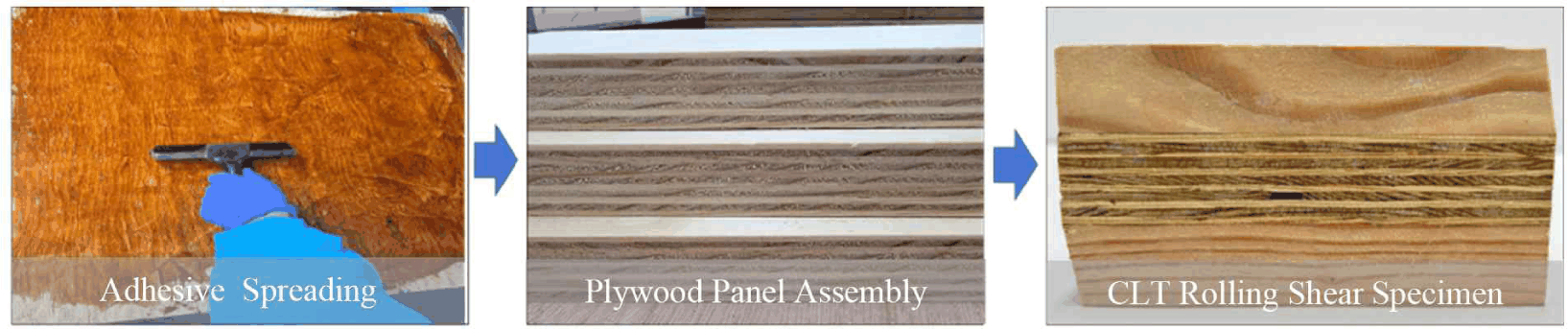
Plywood panels were fabricated in a laboratory using cold- and hot-pressing techniques for distinct experimental purposes. In both methods, an adhesive mixture was uniformly applied to both veneer surfaces using a roller while maintaining a consistent glue spread rate of 300 g/m2 (150 g/m2 per side; Fig. 1). Cold-pressed plywood: Assembled veneers were pressed at ambient temperature under a pressure of 20 kgf/cm2 (≈1.96 MPa) for a minimum of 24 h. This material was specifically used as the core layer in the CLT panel fabrication (Section 2.2.2.).
Hot-pressed plywood: Panels were pressed at 125°C and 20 kgf/cm2 (≈1.96 MPa) for 40 s per millimeter of total thickness. This variant was used only as a reference group in the formaldehyde emission testing and was not incorporated into the CLT panels evaluated for structural performance.
The three-layer CLT panels were manufactured under laboratory conditions. Each panel had a total thickness of 72 mm and was composed of three 24-mm-thick layers. The core (middle) layer consisted of cold-pressed plywood made of larch. The face layers (top and bottom) were fabricated from solid-sawn larch lumber. A cross- laminated configuration (0°/90°/0°) was adopted, with the grain direction of the adjacent layers oriented orthogonally. A PRF adhesive (Section 2.1.2.) was used to bond all the layers. The assembled panels were cold- pressed at 35 kgf/cm2 (≈3.43 MPa) for at least 24 h at room temperature to ensure complete adhesive curing and robust interlayer adhesion. The assembled specimens are shown in Fig. 1.
Seven plywood variants were prepared to investigate the influence of the pressing method, surface treatment, and adhesive type on the long-term FE trend under desiccator conditions. The cold-pressed plywood specimens were bonded with the PRF adhesive (Section 2.1.2.), whereas the hot-pressed plywood was fabricated using the MUF adhesive. The hot-pressed plywood results are provided as a reference only, to give context for emission behavior under different processing conditions. The seven test groups were untreated cold-pressed plywood (PRF), water-treated cold-pressed plywood (PRF-bonded), dry-treated (heat-only), urea-treated cold-pressed plywood (PRF) at three application rates of 0.021, 0.063, and 0.105 g/cm2, and hot-pressed plywood (MUF). Among the three scavenger dosages tested (0.021, 0.063, and 0.105 g/cm2), the 408 h long- term emission profile was monitored only for the medium dosage (0.063 g/cm2). The lower and higher dosages were evaluated based on short-term emission values. This focus was chosen because preliminary data indicated that the medium dosage provided the most representative balance between emission reduction and mechanical property retention. The detailed experimental conditions for each treatment group are summarized in Table 2.
For the urea treatment, a 33.2% aqueous urea solution was uniformly sprayed onto the edge surfaces of the specimens using a precision nozzle, with the applied mass controlled by a calibrated analytical balance to achieve the target surface loadings. This edge-specific treatment simulates postprocessing mitigation, which is commonly applied to panel edges in practical applications. The FE specimens were cut to dimensions of 150 mm (length) × 50 mm (width) × 24 mm (thickness). For each test condition, seven specimens were used to achieve a total exposed surface area of approximately 1,800 cm2, in accordance with KS M 1998:2022. All specimens were conditioned at 20 ± 2°C and 65 ± 5% relative humidity for 7 days prior to testing to reach moisture equilibrium. FE trends were measured using the desiccator method in accordance with Korean Standard KS M 1998:2022, with daily measurements taken over a 408 h period. Each day, the absorption liquid was carefully removed from the desiccator and replaced with fresh distilled water, and the formaldehyde concentration was determined. It should be noted that KS M 1998:2022 does not specify a fixed duration for emission testing but rather provides a method for measuring emissions at a specific time point. A 408 h monitoring period was selected for this study to specifically evaluate the long-term emission behavior under desiccator conditions, as formaldehyde release from composite wood products is a time-dependent phenomenon (He et al., 2019). For each test condition, the specimen set was placed together in a 10-L glass desiccator containing 300 mL of distilled water at the bottom. The desiccators were maintained in a temperature-controlled chamber at 20°C. The formaldehyde released from the specimens was dissolved in water, and its concentration in the absorption liquid was determined daily using acetylacetone spectrophotometry (Hantzsch reaction) at a wavelength of 412 nm. The results are expressed in mg/L and reported as daily emission values over a 408 h monitoring period. This design allowed a direct comparison among the cold-pressed (PRF) treatment groups, with the MUF-bonded hot-pressed panels serving as an indicative reference group tested under identical conditions.
For the water treatment (control for the solvent effect), distilled water was sprayed onto the edge surfaces of the cold-pressed plywood specimens at an application rate equivalent to the highest urea dosage (0.105 g/cm2). The spraying was conducted in three sequential applications, each followed by a 30 min drying period at 60°C. This protocol was designed to simulate real-world conditions in which fluctuating humidity can trigger the rapid moisture-induced release of formaldehyde trapped in the adhesive layer at the panel edges. The subsequent drying step was intended to volatilize and remove the released formaldehyde from the specimens.
It should be noted that the desiccator method (KS M 1998:2022) is originally intended as a single-point screening and compliance test. Therefore, while repeated daily measurements over 408 h provide useful comparative information on emission behavior, they should not be interpreted as standardized long-term chamber-based emission tests.
The moisture content (MC) and density of the plywood specimens were determined in accordance with KS F 3113 (Korean Standards Association, 2014). Five replicates were tested per condition; the mean values are presented in Table 3.
The bending performance of cold-pressed plywood specimens representing the CLT core layer was evaluated. The dimensions of each specimen were 580 mm (L) × 50 mm (W) × 24 mm (T). Ten replicates (n = 10) were tested in compliance with KS F 3113 (Korean Standards Association, 2014) and KS F 2208 (Korean Standards Association, 2025) standards. The MOR and modulus of elasticity (MOE) were calculated as:
where: P = maximum load (N), l = span length (mm), b = specimen width (mm), h = specimen thickness (mm), ΔP = load increment within the proportional limit (N), Δy = mid-span deflection corresponding to ΔP (mm).
The planar (rolling) shear strength was evaluated in accordance with ASTM D2718-24 (ASTM, 2024) and the performance criteria referenced in APA PRG 320 (APA, 2025) using a modified specimen geometry to facilitate direct load application without external steel fixtures. Each CLT specimen was machined with bevelled ends at an angle of 14°, in accordance with BS EN 408:2010+A1:2012 (British Standards Institution, 2012) (Fig. 2), to ensure uniform stress distribution across the shear plane during testing. This geometry eliminates the need for steel plates or mechanical fasteners, minimizes localized stress concentrations, and enables pure planar shear failure.
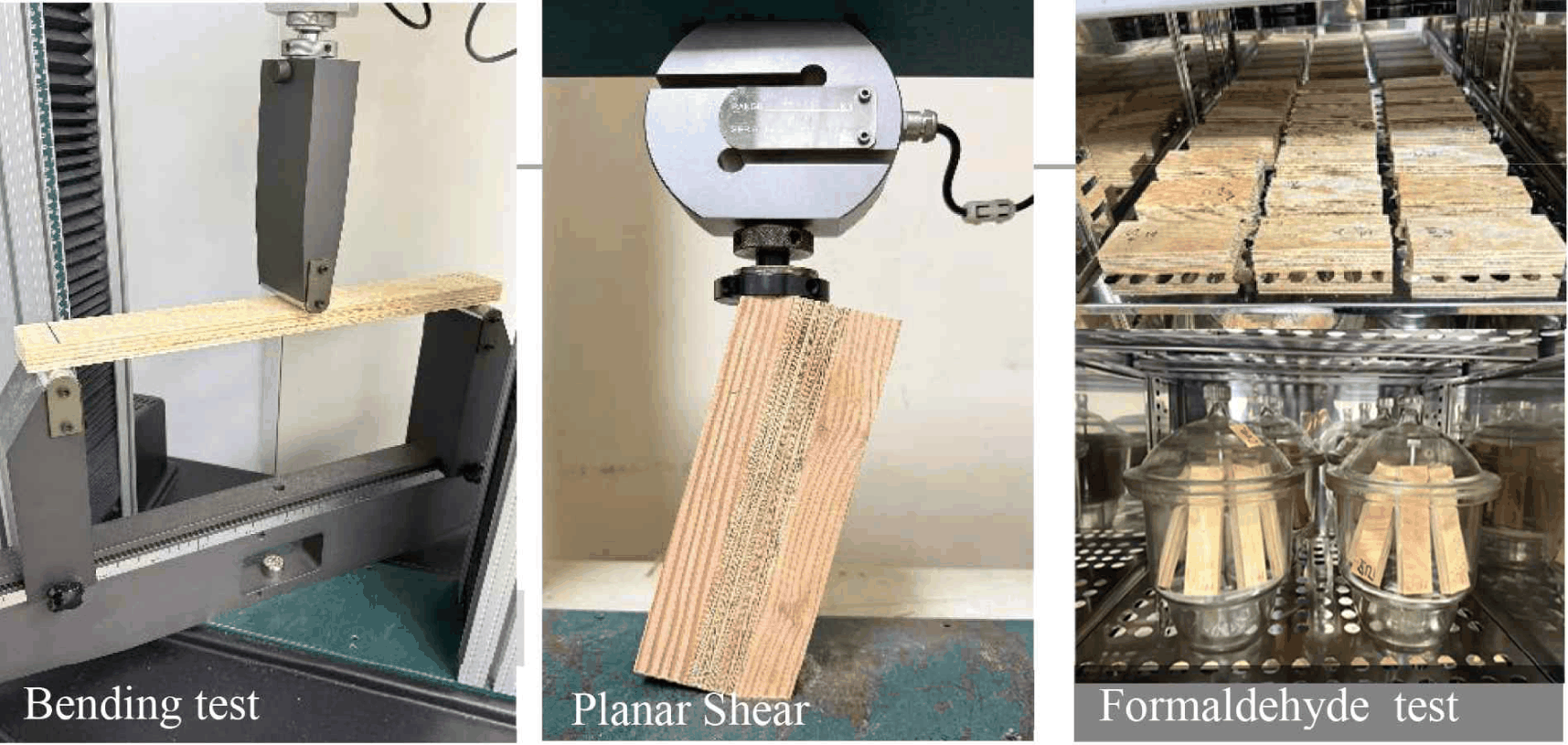
A displacement-controlled loading rate of 2.7 mm/min was applied by using a universal testing machine equipped with hydraulic grips. The specimens were loaded until failure, which typically occurred within 3–5 minutes. The test setup followed the principles outlined by (Kurczinski et al., 2021; Wang et al., 2017) and was consistent with recent studies on the rolling shear behavior in CLT.
The shear stress (fv) was calculated according to ASTM D2718-24 as follows:
where: fv is the shear stress (N/mm2); P is the maximum or proportional limit load (N); L is the specimen length (mm); W is the width of the specimen (mm), and α = 14°.
The apparent shear modulus (G) was derived from the initial linear slope of the load–displacement curve below the proportional limit.
where: G = apparent modulus of rigidity (N/mm2), t = total specimen thickness (mm), P/Δ = slope of the initial linear segment of the load–deformation curve (N/mm), and α = 14°.
All the CLT specimens were precisely machined to meet the dimensional tolerances specified by the applicable standards. Prior to testing, the specimens were conditioned to an equilibrium moisture content of 8%–12%. Five replicate specimens were tested for shear properties, and ten specimens were tested for bending properties.
Statistical analysis was performed on formaldehyde emission and mechanical test results using one-way analysis of variance (ANOVA), followed by Duncan’s multiple range test (α = 0.05), to evaluate data reliability. For the formaldehyde emission tests, one desiccator was used per condition, in line with the single-point design of KS M 1998:2022. The error bars in Figs. 3 and 4 therefore represent the standard deviation of three replicate spectrophotometric readings of the same absorption liquid, and the associated letters indicate differences in the measured concentration rather than variation between independent panel replicates. A detailed visual inspection of the failure modes was conducted to characterize the fracture behavior and interlayer performance under bending and shear loading.
3. RESULTS and DISCUSSION
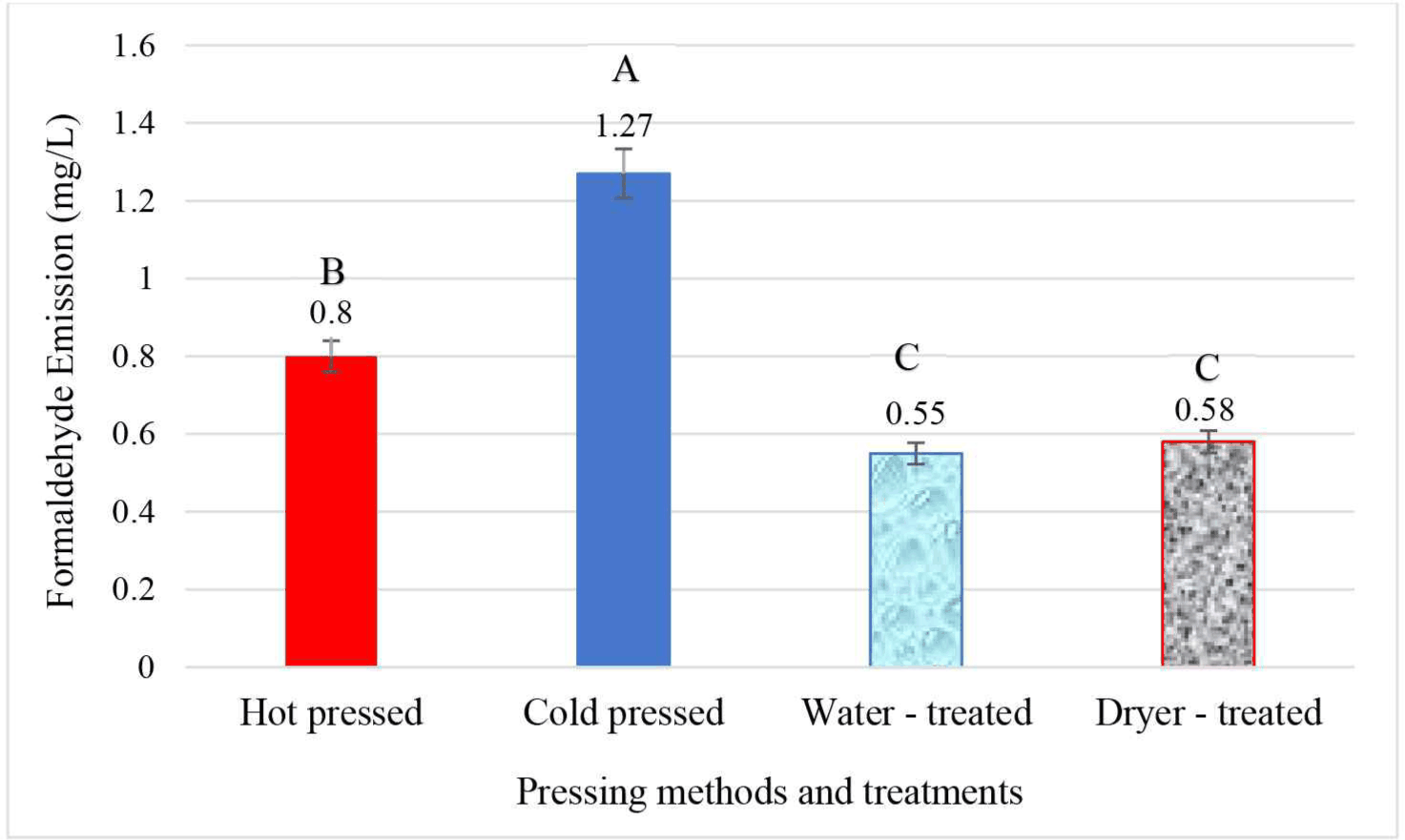
The results presented in Fig. 3 indicate that hot pressing significantly reduced the FE to 0.8 mg/L, which is 37% lower than that of the cold-pressed sample (1.27 mg/L). This finding aligns well with the known chemical mechanism: elevated temperature (125°C) during hot pressing promotes more complete polymerization and cross-linking of the MUF resin, thereby minimizing residual free formaldehyde within the panel structure (Gangi et al., 2013; He et al., 2019). Additionally, the high temperature contributes to the volatilization of unreacted formaldehyde, resulting in lower initial emissions.
However, a noteworthy outcome was the superior performance of post-cold-pressed water spray and dry treatments. The cold-pressed plywood treated with water exhibited an FE of only 0.55 mg/L and the dry-treated plywood exhibited an FE of 0.58 mg/L, representing about 54%–57% reduction compared to the untreated cold-pressed (1.27 mg/L). This substantial reduction can be explained by physical and chemical mechanisms. The physical mechanism of the water spray increased the surface moisture content, stimulating the rapid release of formaldehyde from the adhesive layer. The drying phase (60°C for 30 min) then volatilizes the released formaldehyde, preventing long-term emissions trend under desiccator conditions. Water may also promote mild hydrolysis of methylene bridges in the PRF resin network, releasing formaldehyde, which is subsequently removed by evaporation during drying.
Compared to hot pressing and drying, the water spray method offers energy-saving advantages because it does not require high pressure or temperature during pressing. However, it still leaves a certain amount of residual FE, and more importantly, does not address the root cause of long-term emissions trend under desiccator conditions or hydrolysis of the resin network under ambient conditions. This aligns with findings on water vapor diffusion through adhesive layers (Zinad and Csiha, 2024). In addition, energy is required during the drying process after water spraying. This limitation highlights the superior sustainability and effectiveness of the chemical scavenger treatments.
It should be noted that the hot-pressed plywood bonded with MUF adhesive was included as a reference group. Since different resin systems were used, the results are best interpreted as indicative rather than a direct comparison of pressing temperature effects.
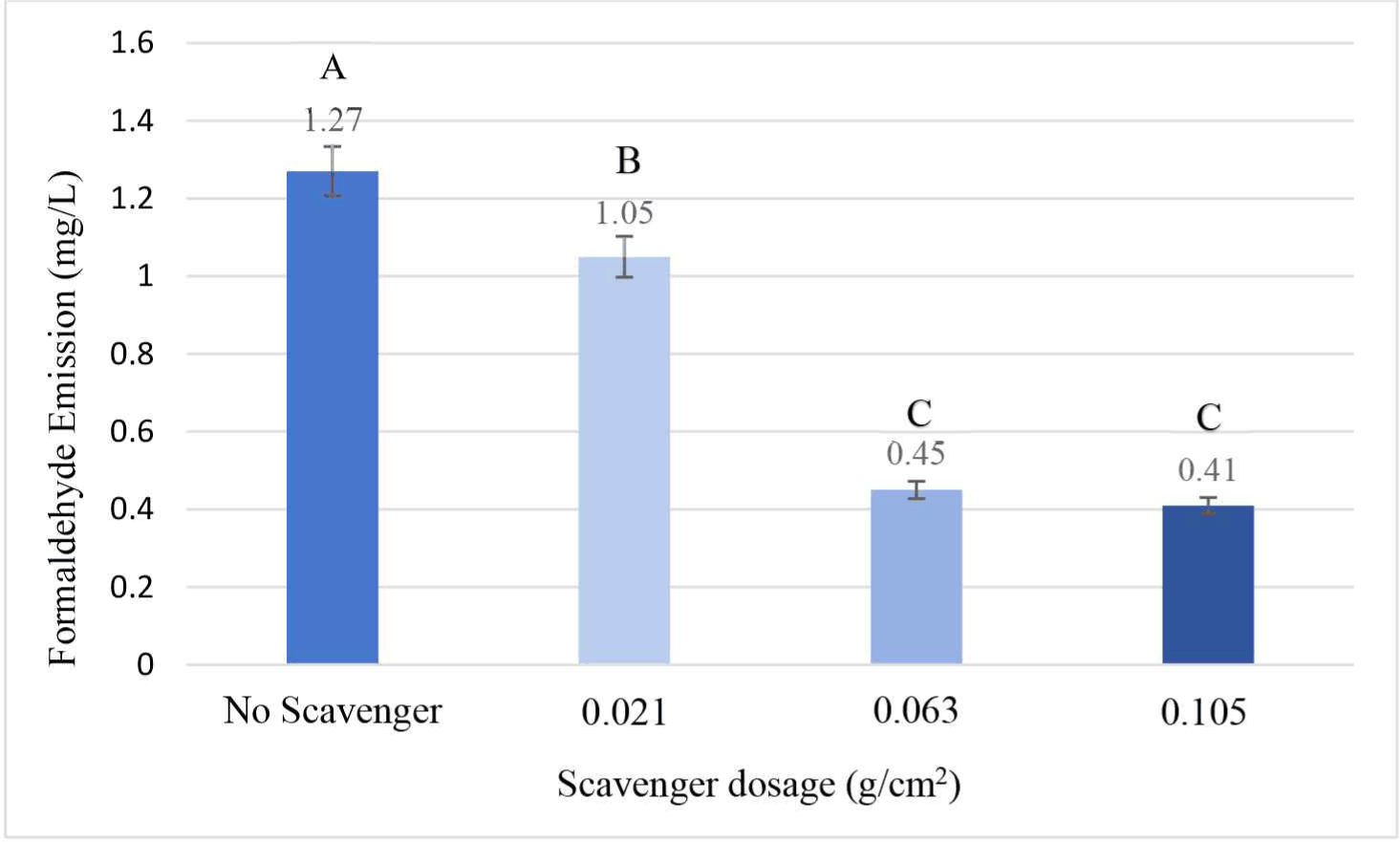
Fig. 4 illustrates the direct relationship between the level of the formaldehyde scavenger (33.2% urea) and the reduction in FE. As the level increased from 0.021 g/cm2 to 0.063 g/cm2 and 0.105 g/cm2, the FE decreased from 1.05 mg/L to 0.45 mg/L and 0.41 mg/L, respectively, compared with 1.27 mg/L for the untreated cold- pressed control. This indicates a dose-dependent effect, although the difference between the two highest dosages was not statistically significant (Fig. 4).
The residual urea solids after preconditioning play a critical role in emission control. Before FE testing, all urea-treated samples underwent a 7-day preconditioning period in a climate chamber (20°C, 65% RH). This step ensured equilibrium moisture content and allowed the sprayed urea solution to penetrate, react, and evaporate, leaving behind a thin layer of solid urea (or methylolurea compounds) on the surface and edges of the panels. This solid layer acted as a chemical filter that trapped the primary emission pathway, that is, the panel edges. The amount of residual urea solids after preconditioning directly influenced the scavenging efficiency. A thicker solid layer (from higher spray level) provides more amino (-NH2) groups to react with diffusing formaldehyde. Thus, the FE reduction is not solely due to the initial sprayed amount but also to the actual residual solids present after preconditioning. This may explain the tendency toward lower emission at the 0.105 g/cm2 level, which is expected to form a thicker and more continuous residual layer. However, the emission at 0.105 g/cm2 (0.41 mg/L) was not significantly different from that at 0.063 g/cm2 (0.45 mg/L) (Fig. 4), indicating that the scavenging capacity approached saturation above 0.063 g/cm2.
The underlying chemical mechanism involves the reaction between amino (-NH2) groups in urea and carbonyl (-CHO) groups in formaldehyde, forming stable, non-volatile methylolurea compounds (Boran et al., 2011; Ghani et al., 2018). Comparable improvements in emission control have also been demonstrated with nanoclay-modified UF resins (Wibowo et al., 2021).
When the urea solution was sprayed onto the panel surface after pressing, the urea molecules diffused into the adhesive layer at the edges and surfaces, where formaldehyde actively migrated outward. This reaction occurred precisely at the emission site and effectively blocked the release of formaldehyde. A key distinction from previous studies (e.g., Boran et al., 2011; Ghani et al., 2018) lies in the timing of the scavenger application. In these studies, amines or urea were mixed directly into the adhesive prior to pressing, which can cause serious issues such as reduced adhesive reactivity. Scavengers may consume formaldehyde before pressing, lowering the cross-linking density and weakening the mechanical properties (Ghani et al., 2018). Altered pH and gel time: Amines are basic and can raise the pH of the adhesive system, slowing or impairing curing, which is especially problematic for acid-catalyzed resins such as UF (Puttasukkha et al., 2015).
In contrast, our method of applying scavenger post-pressing completely avoids these issues. The PRF resin was fully cured and mechanically stable before the introduction of the scavenger. Only free formaldehyde diffusing to the surface was captured, leaving the cured resin network intact and preserving mechanical performance.
Fig. 5 shows a low and stable FE trend for the scavenger-treated samples (0.063 g/cm2) throughout the 408 h test period, with values ranging from 0.29 to 0.65 mg/L (mean ≈ 0.44 mg/L) and no upward drift over time. In contrast, the hot-pressed (MUF) sample rose from 0.8 mg/L to a peak of 1.88 mg/L at 264 h before declining to 0.62 mg/L, its mean over the monitoring period (≈ 1.24 mg/L) being nearly three times that of the scavenger-treated plywood (≈ 0.44 mg/L). The untreated cold-pressed samples emitted the most throughout, rising from 1.27 to a peak of 5.17 mg/L at 312 h.
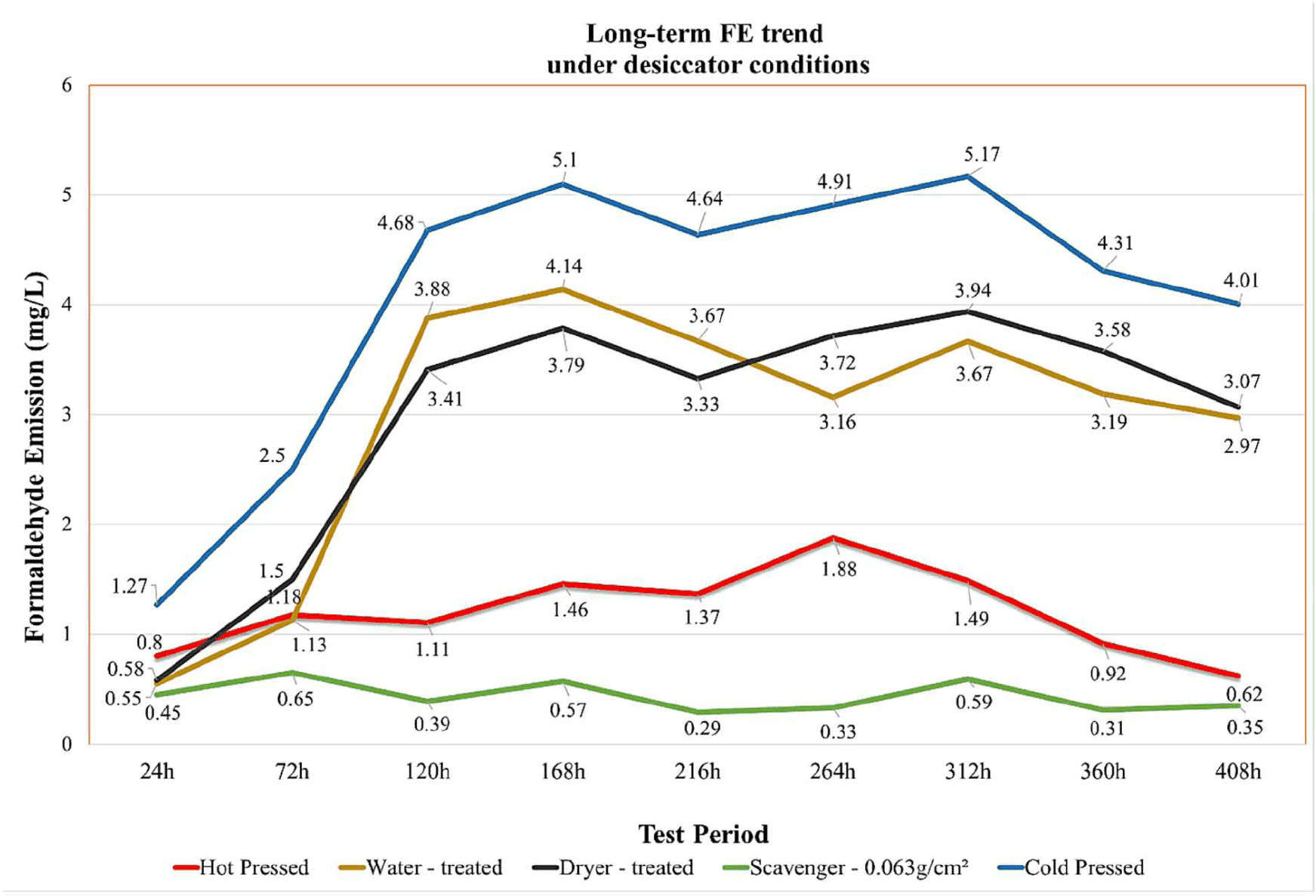
These results suggest that, in addition to neutralizing free formaldehyde at the panel edges, the residual urea layer may act as a diffusion barrier that retards the release of formaldehyde generated by hydrolysis of the resin matrix. Direct verification of this mechanism (e.g., by FTIR or XPS analysis of the treated edge over time) was beyond the scope of this study and remains a subject for future work. The observed emission levels satisfied the Korean E0 class.
Again, the key distinction from previous studies lies in the timing of the scavenger application. Mixing scavengers into the adhesive before pressing can compromise the resin performance owing to premature formaldehyde consumption and pH alteration. Our post-pressing approach ensured that the PRF resin was fully cured before the scavenger introduction, targeting only the free formaldehyde that migrated to the surface, thus maintaining mechanical integrity while achieving superior emission control.
Although repeated desiccator measurements clearly demonstrate comparative FE trends, this approach has inherent limitations for long-term assessment. Unlike chamber-based methods that capture hydrolysis-controlled emissions over extended service periods (He et al., 2019), the desiccator method primarily reflects short-term diffusion behavior under controlled conditions. Thus, the results should be interpreted as indicative of FE trends under extended desiccator monitoring rather than standardized long-term values. A further limitation of this study is that long-term (408 h) FE trends under desiccator conditions were measured only for the 0.063 g/cm2 dosage, selected as the most representative balance between emission reduction and mechanical properties. Future work should extend monitoring to all dosage levels for broader comparison.
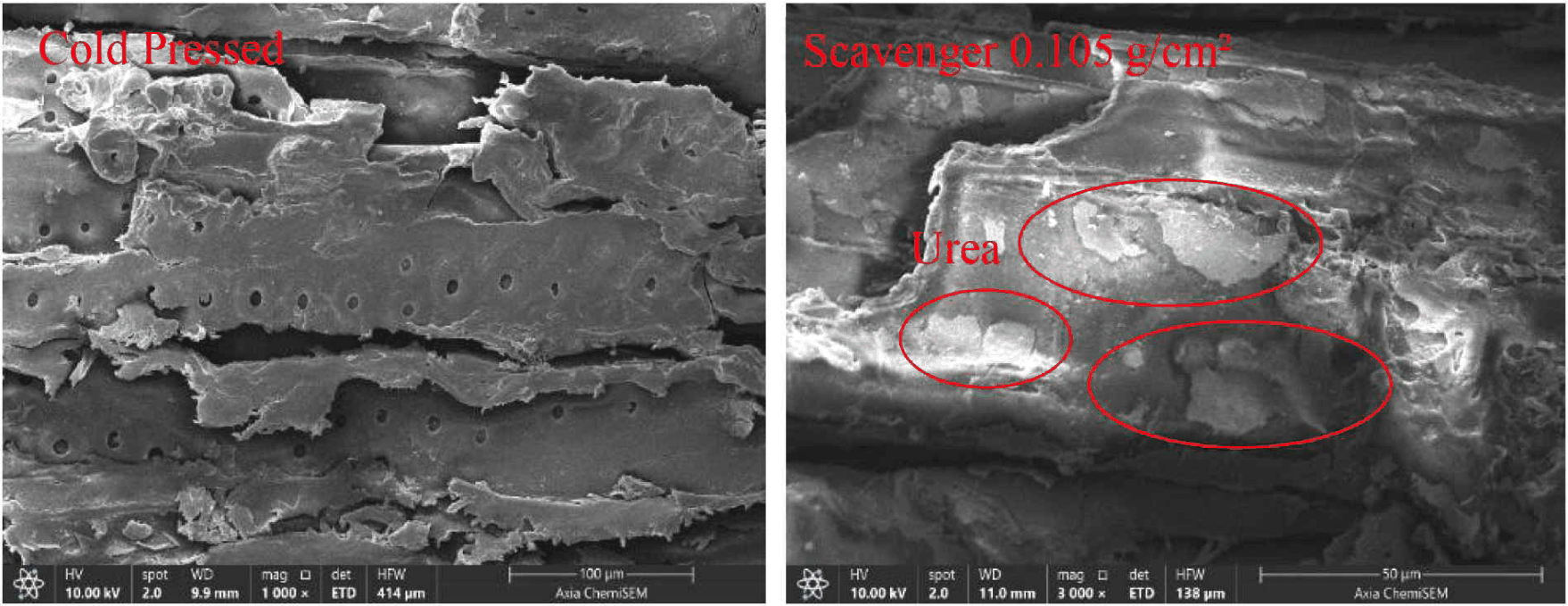
The circled regions in the right image in Fig. 6 clearly show the deposition of residual urea solids on the surface after solvent evaporation. This thin, surface-localized layer acts as a chemical barrier, capturing diffusing formaldehyde at the primary emission pathway without interfering with the cured PRF network, thereby preserving the structural integrity while effectively mitigating emissions. Critically, this spatially restricted deposition distinguishes our approach from conventional methods in which scavengers are mixed into the adhesive pre-cure (Costa et al., 2013; Ghani et al., 2018). Such pre-mixing often compromises resin reactivity and cross-linking density, leading to significant reductions in mechanical properties (e.g., 33%–42% decrease in MOR reported by Ghani et al., 2018). Complementary evidence from parallel strand lumber manufactured with larch veneer strands also highlights competitive mechanical performance (Oh, 2022), reinforcing the importance of adhesive strategies that preserve strength. In contrast, our post-pressing application ensured that the PRF resin was fully cured and mechanically stable before the introduction of the scavenger. The urea layer functions solely as a surface-level chemical trap, reacting with the diffusing formaldehyde via methylurea formation (Boran et al., 2011) without penetrating or altering the cured resin network. This mechanistic separation is consistent with the compatibility demonstrated in Figs. 7–9, supporting the use of the method as a structurally benign approach for producing low-emission CLT core layers.
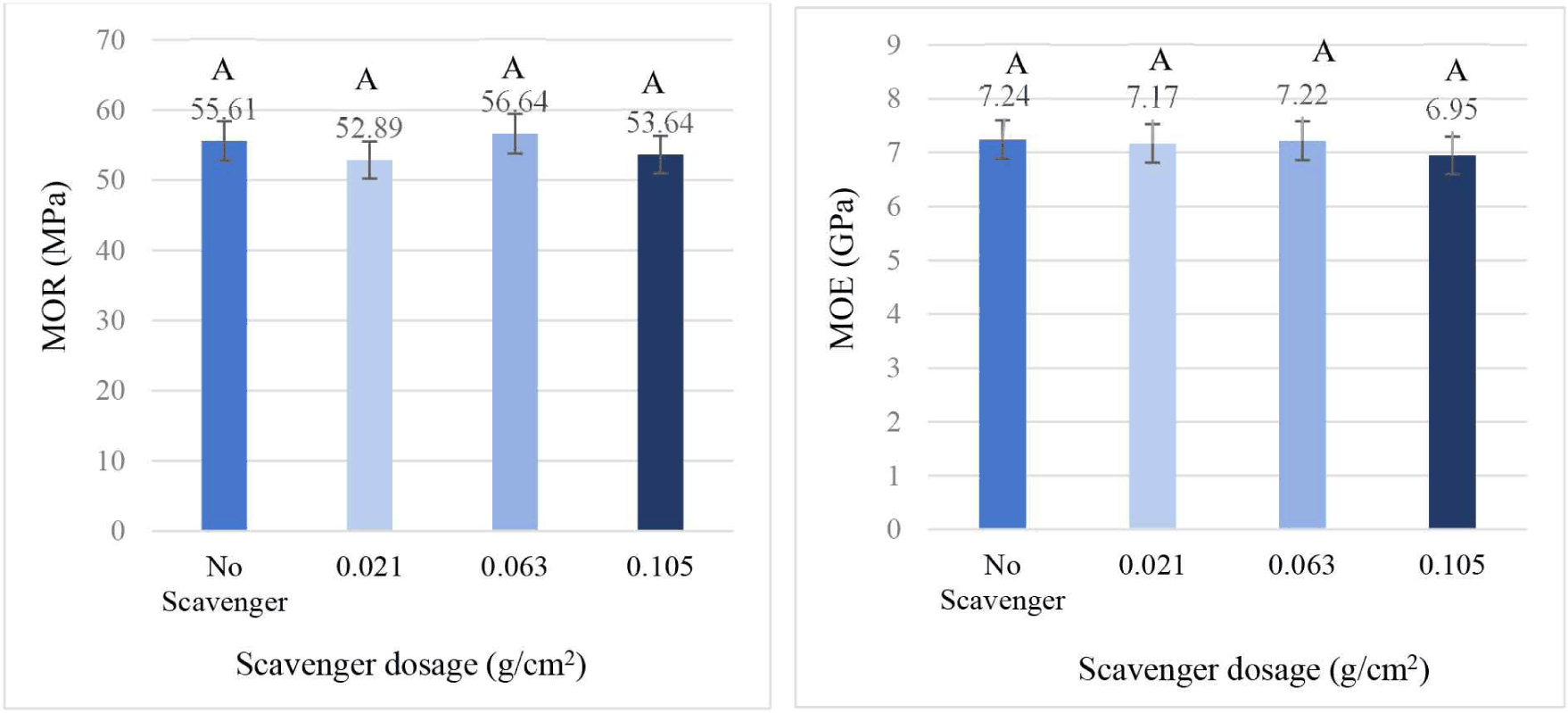
An analysis of the data in Fig. 7 indicates that the addition of the formaldehyde scavenger did not significantly compromise the mechanical properties of the cold-pressed plywood. The MOR and MOE of the treated samples remained within the range of statistical deviation (marked with the same letter A) compared to the untreated plywood. Consistent with these findings, layer composition has been shown to strongly affect bending and compression strength in Larix CLT (Song and Kim, 2023). Notably, at a medium level (0.063 g/cm2), the MOR showed no statistically significant differences among the samples.
This stability could be attributed to the nature of the treatment methods used. As discussed in Section 2.2.3 and illustrated in Fig. 6, the scavenger was applied to the panel edges after the adhesive had fully cured, indicating that it did not interfere with the resin network formation. The PRF resin had already developed its full strength and stiffness before the scavenger was applied. Therefore, the mechanical properties depend primarily on the strength of the interlayer bonds and the wood itself, both of which are unaffected by the thin surface layer of the scavenger.
This finding contrasts sharply with those of previous studies, where scavengers were directly mixed into the adhesive, often resulting in significant reductions in the MOR and MOE (Costa et al., 2013; Ghani et al., 2018). For example, Ghani et al. (2018) reported a 33%–42% decrease in the MOR when propylamine was added to the UF resin of particle board. This difference highlights the clear advantages of the post pressing method employed in our study.
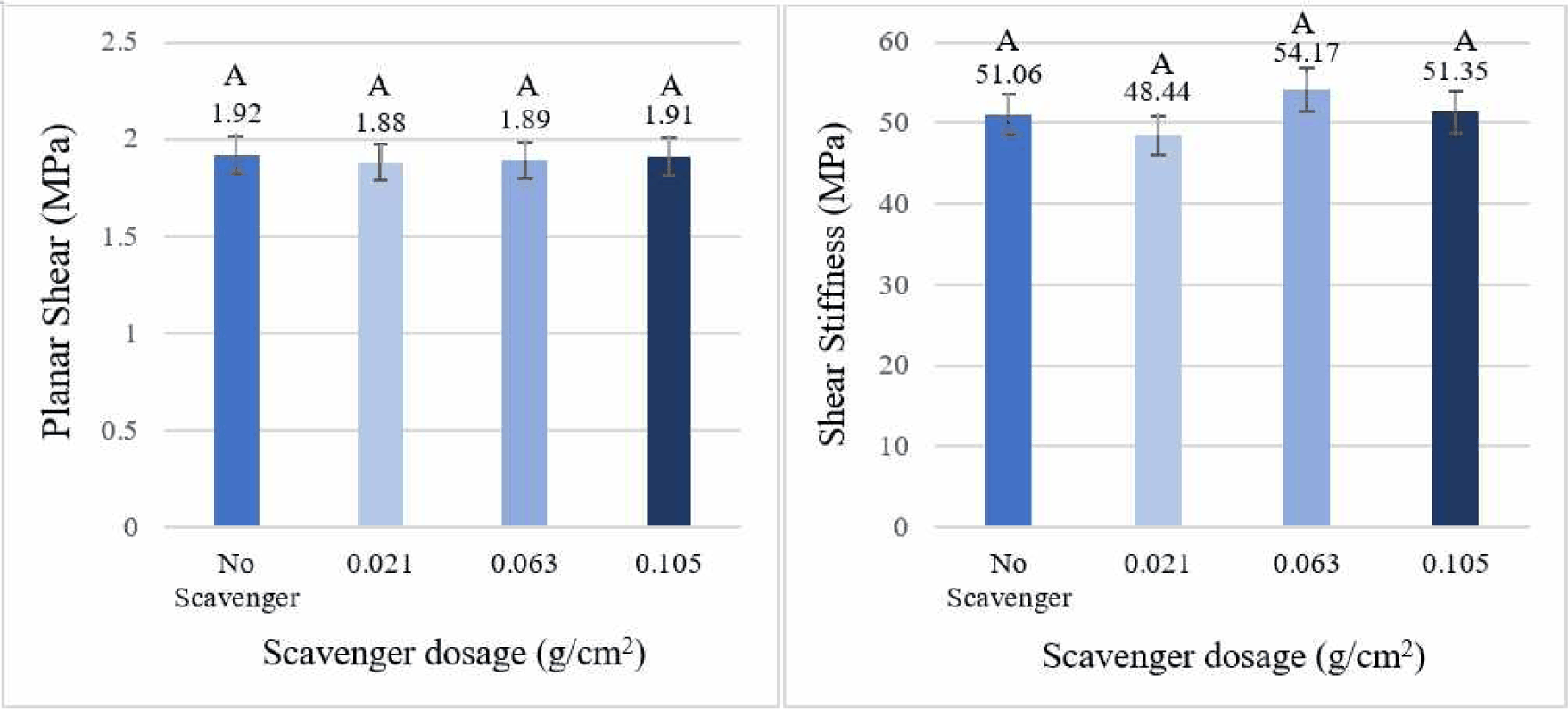
The results shown in Fig. 8 for the planar shear strength and shear stiffness further reinforce the above conclusions. All the treated samples exhibited shear strength values that were statistically indistinguishable from those of the untreated cold-pressed CLT, indicating that the PRF adhesive maintained excellent adhesion and durability at the shear plane despite the presence of a surface-applied scavenger layer, as shown in Fig. 6.
Regarding the shear stiffness, a minor variation was observed: the medium level (0.063 g/cm2) slightly increased the stiffness, whereas the highest level (0.105 g/cm2) caused a slight decrease. This phenomenon may be explained by the formation of a thin, uniform surface layer that enhances load distribution, whereas a higher level may result in a thicker layer with residual moisture or altered surface elasticity, leading to reduced stiffness.
Nevertheless, these changes were minimal and statistically insignificant, confirming that the treatment maintained the structural compatibility required for cold-pressed plywood used in CLT applications.
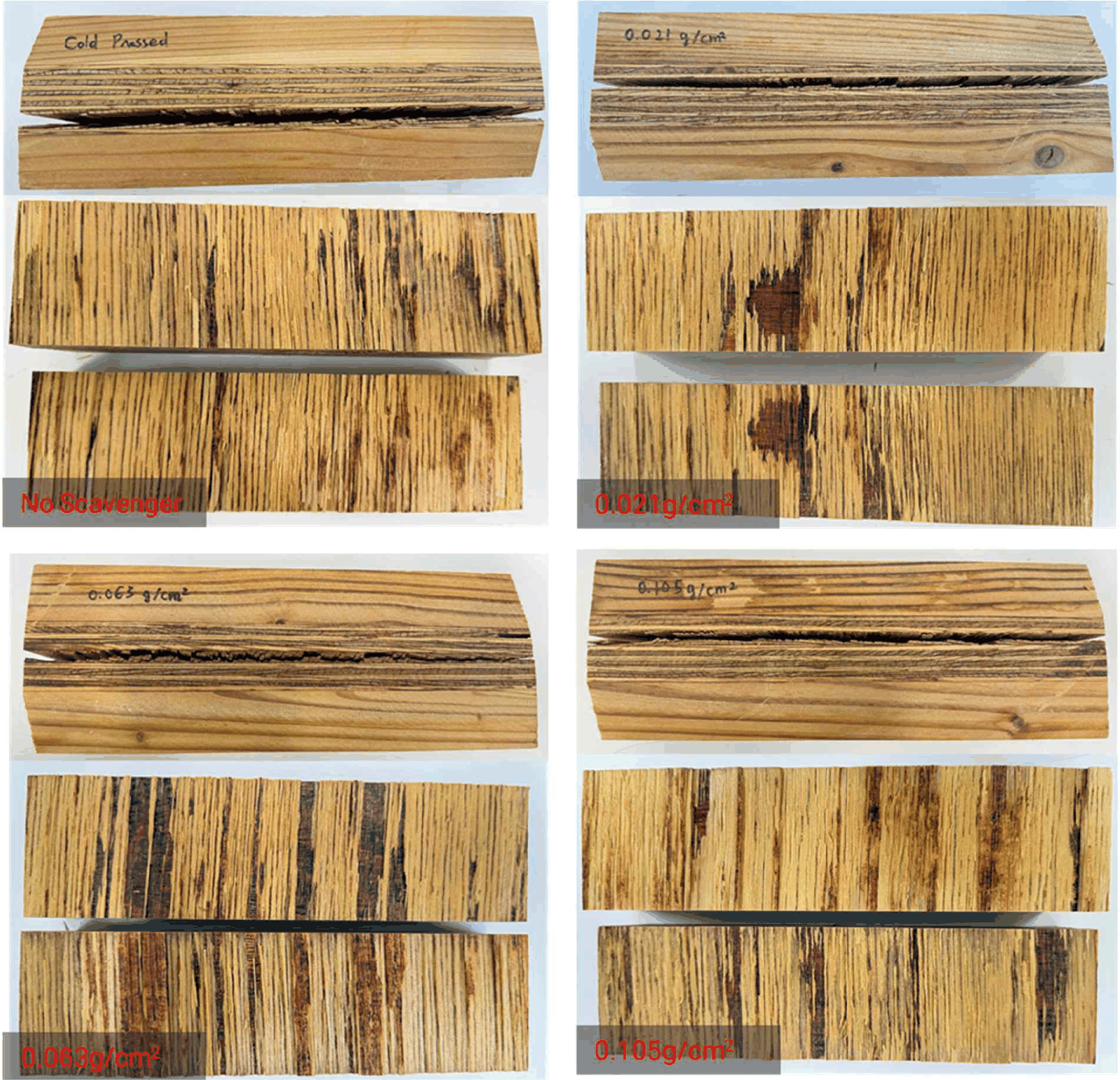
Fig. 9 provides visual evidence of the treatment compatibility. Upon inspection, all cold-pressed plywood samples, whether untreated or treated with varying scavenger levels, exhibited seamless uniform adhesive lines with no signs of delamination or gaps. Evaluating the failure mode of cold-pressed plywood samples under a bending load is essential for assessing the impact of the scavenger on the adhesive bond quality. Visual inspection revealed that all the samples, whether untreated or treated with varying scavenger levels, exhibited continuous, uniform adhesive lines with no signs of delamination or gaps (Fig. 9).
The predominant failure modes observed were cohesive wood failure or cohesive adhesive failure, rather than adhesive failure along the bond line. This indicates that the applied load exceeded the strength of the wood or the adhesive itself, rather than causing debonding between the wood and the adhesive. This behavior is a strong indicator of high bond quality. Importantly, the absence of differences in the failure mode between the treated and untreated samples confirmed that the residual urea layer on the surface did not reduce the adhesion between the PRF resin and wood. The urea layer functioned solely as a surface-level chemical filter and did not interfere with the chemical bonding between the adhesive and substrate. These results support the safety and effectiveness of the proposed treatment method. Had there been a shift in the failure mode from cohesive to adhesive failure, this would have signaled a reduction in bond strength caused by the scavenger. No such shift was observed, which supports the compatibility of the post-pressing treatment with the PRF bond line.
These observations indicate that spraying the urea solution after pressing does not compromise the bond line integrity. The PRF adhesive was fully cured before the scavenger was applied, and the urea remained as a thin surface coating without penetrating the bond line, functioning as a surface-level chemical trap rather than as a component of the adhesive system. In contrast to approaches in which scavengers are mixed directly into the adhesive, which can result in delamination and reduced adhesion (Costa et al., 2013; Ghani et al., 2018), the post-pressing treatment applied here was both environmentally effective and structurally benign.
Both the 0.063 and 0.105 g/cm2 dosages reduced the FE to 0.45 and 0.41 mg/L, respectively, and both satisfied the Korean E0 class (average ≤ 0.5 mg/L); neither reached the SE0 class (average ≤ 0.3 mg/L, maximum ≤ 0.4 mg/L). Increasing the dosage from 0.063 to 0.105 g/cm2 required 67% more urea solution per unit edge area, yet produced only a marginal and statistically non-significant emission reduction (0.04 mg/L; Fig. 4) together with a slight decrease in shear stiffness (Fig. 8). From a practical standpoint, 0.063 g/cm2 therefore represents a reasonable balance between emission control, structural performance, and material consumption. A formal cost analysis, including urea unit price, application equipment, and labor, was not conducted in the present study and is recommended for future work.
This study has three practical limitations worth noting. First, results are specific to larch wood; the applicability across diverse wood species with different permeability and extractive content requires validation. Second, all tests were conducted under controlled laboratory conditions (20°C, 65% RH), while real-world performance in buildings with fluctuating temperature, humidity, and air exchange rates remains to be verified through field studies. Third, the formaldehyde emission tests were conducted with a single desiccator per condition, in line with the single-point design of KS M 1998:2022. Consequently, the reported values reflect measurement precision rather than between-panel variability, and the observed differences should be interpreted as indicative trends. Replication with independent panel batches is recommended in future work.
Future research will address these limitations through multi-species validation studies and full-scale CLT mock-up testing under realistic indoor conditions. Additionally, combining the present edge treatment with a low-level in-resin scavenger addition may provide more uniform formaldehyde capture through the panel thickness and bring emissions toward the SE0 class (average ≤ 0.3 mg/L). Because in-resin addition is known to impair PRF reactivity and cross-linking density (Ghani et al., 2018; Puttasukkha et al., 2015), such a hybrid strategy would require careful optimization of the scavenger level to avoid compromising bond strength. A comparative life-cycle assessment of the two approaches is also planned.
4. CONCLUSIONS
This study investigated a post-treatment approach to address the long-term FE trend under desiccator conditions associated with the energy-efficient cold pressing of PRF-bonded plywood. The main findings are summarized as follows:
-
Formaldehyde mitigation: The application of a 33.2% urea-based scavenger solution to the edge surfaces of the cold-pressed plywood samples resulted in a substantial reduction in the long-term FE trend under desiccator conditions. At the selected dosage (0.063 g/cm2), the initial (24 h) FE decreased by approximately 65% relative to untreated cold-pressed plywood (from 1.27 to 0.45 mg/L). Over the 408 h monitoring period, the mean FE of the treated specimens (≈ 0.44 mg/L) was approximately 89% lower than that of the untreated cold-pressed control (≈ 4.07 mg/L) and about one third that of the MUF-bonded hot-pressed reference group (≈ 1.24 mg/L). It should be noted, however, that the hot-pressed panels were bonded with a different resin system (MUF) and therefore constitute an indicative reference rather than a direct comparison. The treated specimens satisfied the Korean E0 emission class.
-
Structural integrity validation: Unlike many in- resin-scavenger additions that can compromise the adhesive performance, the post-pressing treatment maintained the structural stability of plywood. The bending properties (MOR, MOE) of the plywood and the planar (rolling) shear performance of the CLT panels showed no statistically significant differences between treated and untreated specimens (p > 0.05), indicating that the surface treatment did not compromise structural performance.
-
Toward sustainable manufacturing: This study presents a laboratory-scale pathway for an energy-saving production model. Combining low-energy cold pressing with an effective post-pressing edge treatment substantially mitigated the long-term FE trend without resorting to high-temperature pressing, in line with global trends toward low-carbon manufacturing in the engineered wood sector.
This methodology offers a practical route for the wood industry toward low-emission, structurally sound plywood core layers for CLT. Validation at pilot and industrial scale, across additional wood species and under realistic service conditions, is required before large-scale implementation.


